Attractions and Places To See around Pozoantiguo - Top 19
Best attractions and places to see around Pozoantiguo, a small rural municipality in the province of Zamora, offers a glimpse into traditional Spanish life. This region, situated in Castile and León, is characterized by its historical roots and proximity to the Duero River. While Pozoantiguo itself is tranquil, it serves as a base for exploring the rich historical and natural heritage of the wider Zamora province, including significant sites in nearby Toro. The landscape features both historical landmarks and natural…
Last updated: May 17, 2026
Collegiate Church of Santa María la Mayor (Toro)
Highlight • Religious Site
Translated by Google •
Tip by

Plaza Mayor de Toro
Highlight • Settlement
Translated by Google •
Tip by
Sign up now to discover places like this
Get recommendations on the best single tracks, peaks, & plenty of other exciting outdoor places.
Sign up for free
Clock Tower of Toro
Highlight • Monument
Translated by Google •
Tip by
Alcázar de Toro
Highlight • Castle
Translated by Google •
Tip by
Duero River
Highlight • River
Translated by Google •
Tip by

Sign up for free to discover even more attractions around Pozoantiguo.
Sign up for free
Already have an account?
Start today with a free account
Your next adventure awaits.
Login or Signup


Tips from the Community

The Alcázar of Toro is a historic fortification located in the town of Toro (Zamora, Castile and León), with great heritage and scenic value. It was built in the 10th century during the Christian repopulation, as part of the defensive system against Muslim incursions. It was reinforced in subsequent centuries, especially in the Middle Ages, when Toro acquired strategic importance in the Kingdom of León and later in Castile. It played a prominent role in the War of the Castilian Succession (1475), in the famous Battle of Toro between supporters of Isabella I of Castile and Joanna la Beltraneja.
2
0
The inspiration for the Collegiate Church came from the Cathedral of Zamora, and its design also influenced other buildings, such as the Old Cathedral of Salamanca. Construction began in the 12th century under the auspices of the kings of León. It is one of the most characteristic examples of Romanesque in its transitional phase. The works extended over an unusually long period, from the last third of the 12th century to the middle of the 13th. The collegiate church was built in two stages: the first included the side portals, walls and layouts, while the second focused on the roof and a dome with attached towers. If you ever have the opportunity to visit Toro, don't miss the opportunity to explore this wonderful collegiate church. It is a true historical treasure! 🌟
3
0
The Clock Tower, also known as the Clock Arch, is located in the walled area of Toro, in the province of Zamora, Spain. Its construction began in 1719 during the reign of Philip V and was completed nineteen years later. The design is attributed to architect Joaquín Churriguera. The tower is located above the old Market Gate, which dates back to the 15th century and surrounded the first walled area of the city. Its height allows it to be seen from any point in Toro. If you ever visit Toro, don't miss the opportunity to admire this historic tower and its clock. It is a true symbol of the city! 🕰️🌟
2
0
The Plaza Mayor de Toro is located halfway between the Collegiate Church and the Clock Tower. It is a typical Castilian square, surrounded by three-story houses with arcades and balconies with wrought iron bars. The ground floor of these houses are usually occupied by bars and restaurants. If you ever have the opportunity to visit Toro, be sure to stop by the Plaza Mayor and enjoy its lively and welcoming atmosphere. Have a good trip! 🌟
3
0

The Plaza Mayor has one of the most important streets in Toro, the Puerta del Mercado. The city gate and clock tower are across the street.
0
0

One of the most important streets in Toro is the Puerta del Mercado, which runs from the old city gate and the 16th century clock tower to the Plaza Mayor. The clock tower is also the symbol of the city of Toro.
1
0

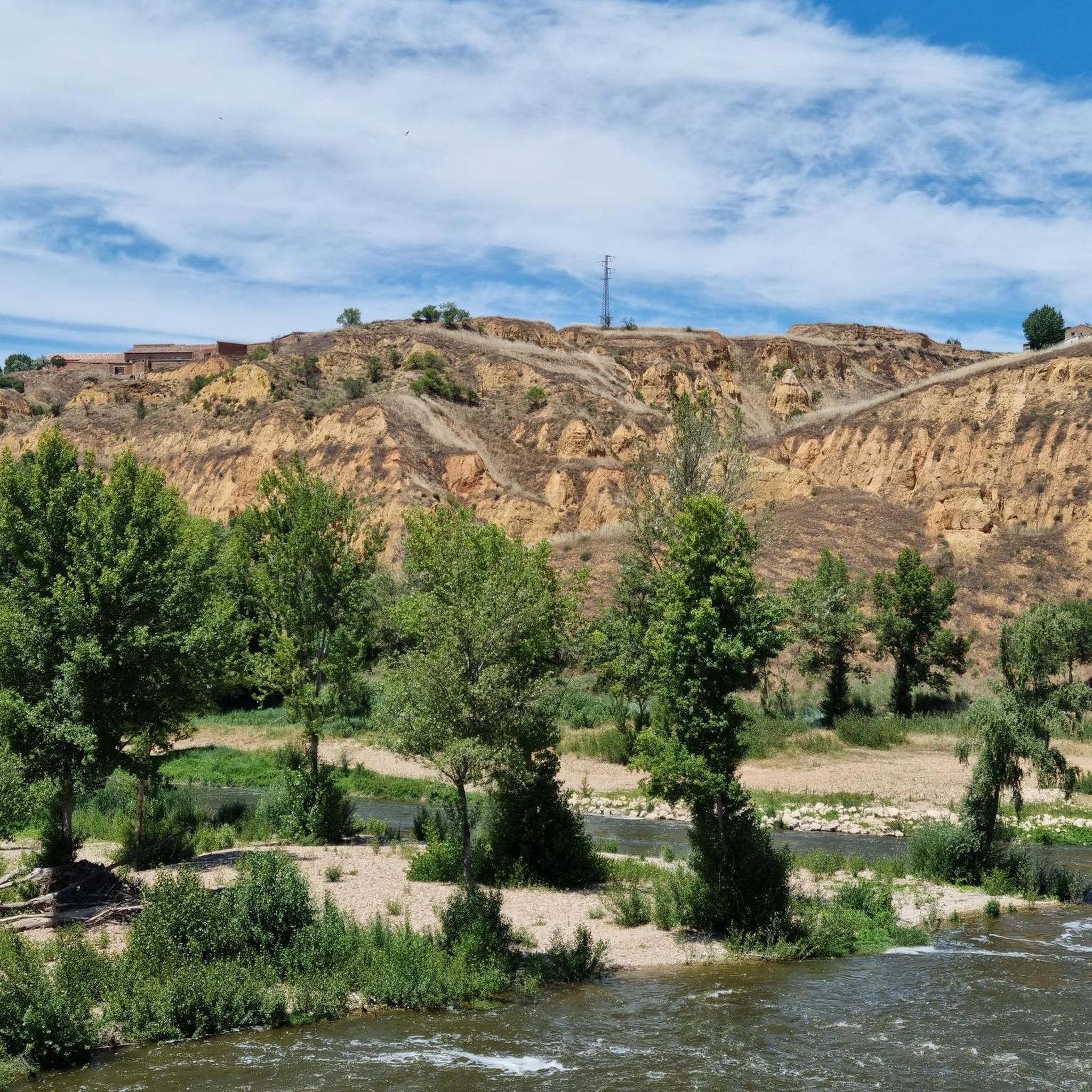
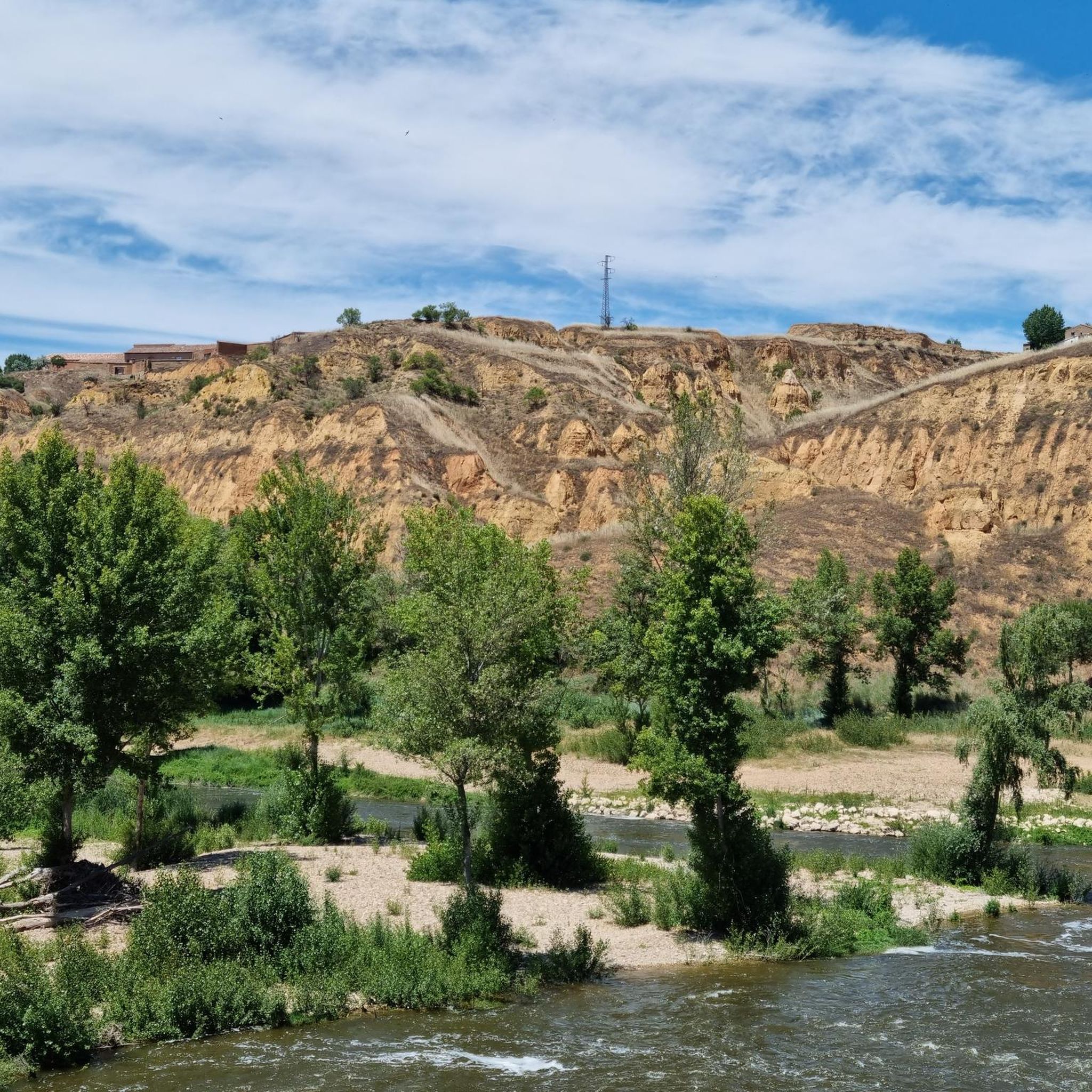
It is one of the most important rivers of the peninsula. Thanks to its abundant flow, throughout history it has sculpted authentic wonders in its path, both large rock canyons and wonderful meanders in farmland. This can be seen in its 897 kilometer route, a true gift of nature.
0
1
Frequently Asked Questions
What historical sites can I explore around Pozoantiguo?
While Pozoantiguo itself has historical buildings like the 15th-16th century Iglesia de San Juan Bautista and the 18th-century Iglesia de San Salvador, many significant historical sites are found in the nearby town of Toro. These include the 10th-century Alcázar de Toro, the impressive Collegiate Church of Santa María la Mayor, and the 15th-century Villalonso Castle.
Are there any significant religious buildings to visit in the area?
Yes, Pozoantiguo is home to the Iglesia de San Juan Bautista, largely rebuilt after a fire but still preserving elements like the Cristo de la Agonía sculpture. The Iglesia de San Salvador, dating to the 18th century, also features medieval references. In nearby Toro, the Collegiate Church of Santa María la Mayor is a must-see, renowned for its Romanesque architecture and the Portico de la Majestad.
What natural attractions are there near Pozoantiguo?
The most prominent natural feature in the region is the Duero River, which flows through the area, offering scenic views and opportunities for activities along its banks. Its course has sculpted impressive canyons and meanders. The broader Castilla y León region also boasts diverse natural landscapes like the Arribes del Duero canyon and Lago de Sanabria, the only glacial lake on the Iberian Peninsula.
What cultural traditions or events are unique to Pozoantiguo?
Pozoantiguo preserves 19th-century traditions, including vibrant festive costumes from the Alfoz de Toro style, which are embroidered with colored wools and symbolize fertility and love. The town also hosts a Cultural Week in mid-August, reviving ancient trades and games, and celebrates local festivities like San Antón on January 17th with animal blessings, and the planting of 'el mayo' by the 'quintos' on April 31st.
Are there family-friendly activities or attractions available?
Many of the historical sites in the region are suitable for families, such as the Alcázar de Toro and the Clock Tower of Toro. Exploring the banks of the Duero River also offers pleasant walks and scenic views for all ages. The local festivities and cultural week in Pozoantiguo provide engaging experiences for families interested in traditional Spanish life.
Can I find hiking trails near Pozoantiguo?
Yes, there are several hiking opportunities in the vicinity, particularly around Toro and along the Duero River. You can find routes like 'Río Duero from Toro — round trip via GR-14' or easier circular walks around Toro. For more details on routes and their difficulty, explore the Hiking around Pozoantiguo guide.
What cycling routes are available around Pozoantiguo?
The region offers various cycling routes, including road cycling and mountain biking. Road cyclists can enjoy routes like 'Castillo de Villalonso y Morales de Toro — circular desde Toro' or longer tours around Villalonso and Fresno de la Ribera. For mountain biking, options include 'Toro a Monte La Reina bosque — circular'. You can find more information in the Road Cycling Routes around Pozoantiguo and MTB Trails around Pozoantiguo guides.
What is the best time of year to visit Pozoantiguo and its surroundings?
The best time to visit is generally during spring (April-June) and autumn (September-October) when the weather is mild and pleasant for exploring historical sites and engaging in outdoor activities. Mid-August also offers the unique experience of Pozoantiguo's Cultural Week and local festivities.
What are some notable landmarks in the nearby town of Toro?
Toro, a short distance from Pozoantiguo, is rich in landmarks. Key sites include the Collegiate Church of Santa María la Mayor, a stunning example of Romanesque architecture, the historic Clock Tower of Toro which also served as a city gate, and the ancient Alcázar de Toro with its origins in the 10th century.
Are there any viewpoints offering scenic vistas?
Yes, the Alcázar de Toro offers spectacular views over the Duero River and the city of Toro from its 180-meter long walkway. Additionally, the Duero River itself, with its sculpted canyons and meanders, provides numerous scenic spots along its banks.
What makes the wider Zamora province interesting for visitors?
The Zamora province, where Pozoantiguo is located, is known for its rich historical and natural heritage. The provincial capital, Zamora City, is famous for its Romanesque architecture, including the Zamora Cathedral and various churches. The region also boasts unique natural areas like the Arribes del Duero and Lago de Sanabria. For more reasons to visit Zamora, you can explore spain.info.
Are there any unique natural landscapes in the broader Castilla y León region worth exploring?
Beyond the immediate vicinity, the Castilla y León region offers diverse natural wonders. These include the dramatic canyons of Arribes del Duero, the glacial Lago de Sanabria, the bird-rich wetlands of Lagunas de Villafáfila, and the unique reddish landscapes of Las Médulas, a UNESCO World Heritage site. You can discover more about these at spain.info.
What kind of local festivities are celebrated in Pozoantiguo?
Pozoantiguo celebrates several traditional festivities. On January 17th, San Antón is honored with a mass, a procession, and a blessing of animals, followed by a communal meal. On April 31st, the 'quintos' (young men of a certain age group) plant 'el mayo,' a tall pine tree, in the town square. The fiesta of Adalia is celebrated on May 1st with a Castilian mass and a procession.

Get inspired with the komoot mobile app


Explore more
Still not found the Highlight you’re looking for? See guides of the top attractions in other regions:
