Attractions and Places To See around Santa María Del Monte De Cea - Top 20
Best attractions and places to see around Santa María Del Monte De Cea include historical sites and religious buildings. This region is known for its connection to the Camino de Santiago and features Mudejar art, particularly in towns like Sahagún. Visitors can explore a variety of historical heritage and settlements. The area offers several hidden gems for those interested in cultural and historical exploration.
Best attractions and places to see around Santa María Del Monte De Cea
- The most popular…
Last updated: July 7, 2026
San Benito Arch and Ruins of the Monastery of San Benito
Highlight • Historical Site
Translated by Google •
Tip by

El Burgo Ranero
Highlight • Settlement
Translated by Google •
Tip by

Sign up now to discover places like this
Get recommendations on the best single tracks, peaks, & plenty of other exciting outdoor places.
Sign up for free
Hermitage of Our Lady of Perales
Highlight • Religious Site
Translated by Google •
Tip by

Pilgrims' hostel
Highlight • Mountain Hut
Translated by Google •
Tip by

Camino de Santiago Milestone 327 km (Castile and León)
Highlight • Monument
Yellow arrows: These arrows will guide you throughout the entire route. They indicate the direction to follow, especially at crossroads. …
Translated by Google •
Tip by

Sign up for free to discover even more attractions around Santa María Del Monte De Cea.
Sign up for free
Already have an account?
Start today with a free account
Your next adventure awaits.
Login or Signup
Tips from the Community

The Ermita de Nuestra Señora de Perales is a historic chapel located in Bercianos del Real Camino. The chapel was built in the 17th century. It was originally dependent on the Hospital del Cebreiro, which was founded in the 12th century. It is a simple brick building with a gable roof and a single tower. The interior is sober but charming, with a focus on devotion to Our Lady of Perales. Every year on September 8, a romería (pilgrimage) is held in her honor, during which the people of Bercianos del Real Camino visit the chapel and celebrate a party. The chapel is open from June 15 to September 30, from Monday to Sunday, between 11:00 and 13:00 and 18:00 and 20:00.
2
0
The Arco de San Benito is an impressive monument in Sahagún, located in the region of Castilla y León, Spain. It was built around 1662 by the architect Felipe Berrojo to replace the old Romanesque portal of the Monasterio de San Benito. The arch is designed as a triumphal arch, under which the N-120 passes, and is also known as "la puerta de Sahagún" (the gate of Sahagún). The monument is richly decorated with a central shield, inscriptions and sculptures of Saints Facundo and Primitivo. At the top is the royal shield, and there are also sculptures of Alfonso III and Alfonso VI, who were important protectors of the monastery.
8
0
The Arch" author Manuel García Juan. This mural shows two unmistakable symbols of Sahagún, a pilgrim, who represents those who cross the streets throughout the year, and the Arch of San Benito, the entrance door to the Monastery of San Benito that remains open as a symbol of invitation. Year 2020
3
1
Sahagún is a charming town and municipality in the province of León, in the autonomous community of Castile and León, and is an important point on the Santiago de Compostela pilgrimage route. Sahagún is known for its rich history and beautiful architecture, including some of the earliest examples of the Mudejar style. The town also has a number of medieval churches from the 12th and 13th centuries. One of the most notable historical events is the Battle of Sahagún in 1808, where the British light cavalry won a victory over the French troops. The town is also famous for its former Benedictine monastery, which played an important role in the Santiago de Compostela pilgrimages. Although the monastery was dissolved and largely demolished in the 19th century, it remains an important part of Sahagún's history.
3
1
"El Arco, un peregrino y el Arco de San Benito.": Tribute to the pilgrim and the Arch of San Benito that shines in a mural of 150 square meters in the area of the Arch of San Benito.
3
1

In this urban hostel you can usually always find good accommodation for little money
4
0

Burgo Ranero is characterised by its typical Castilian architecture and peaceful surroundings, making it an oasis of peace for those who walk the Camino. The name of the village is believed to come from a certain “Ranarius” or from the croaking of frogs in the local plains.
2
0
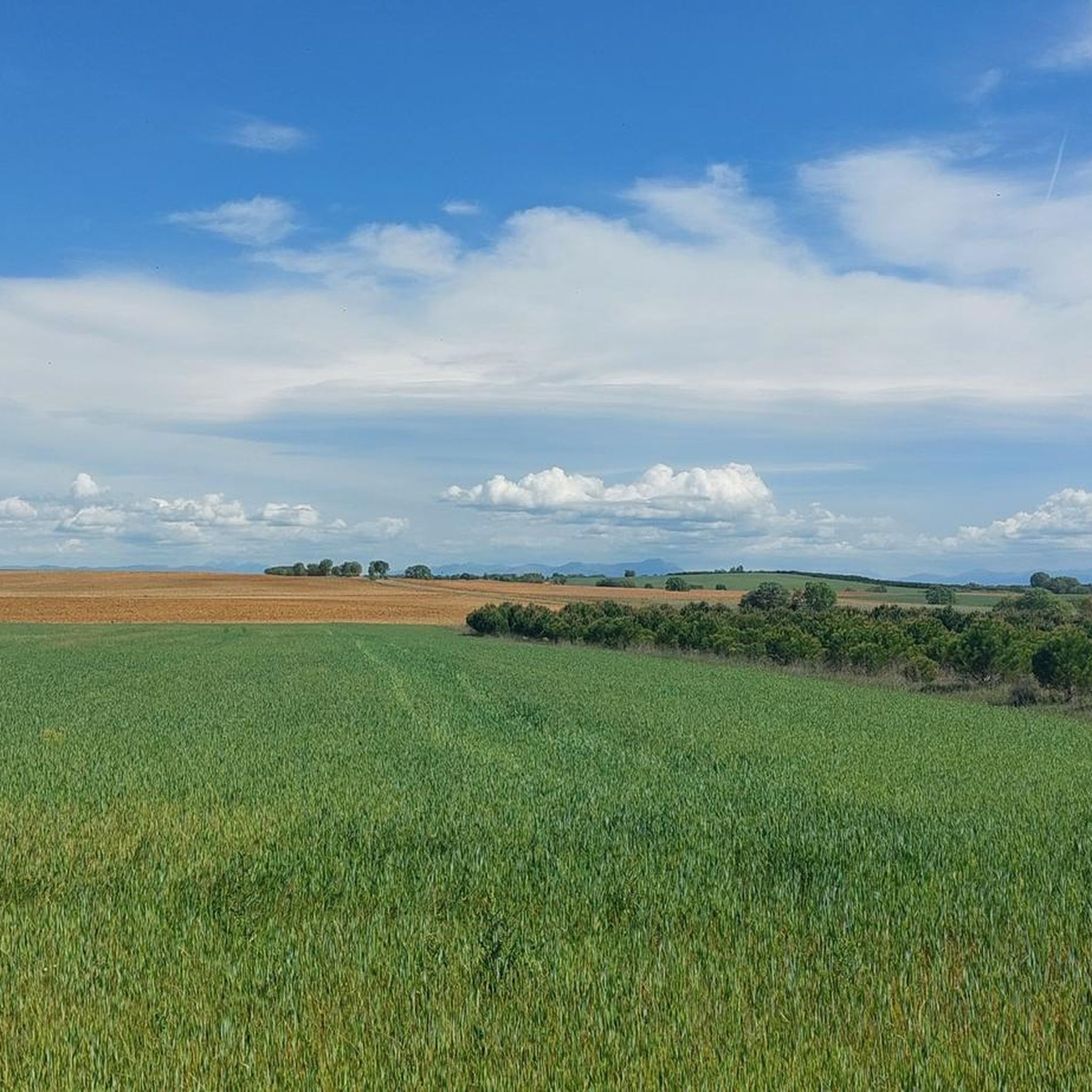
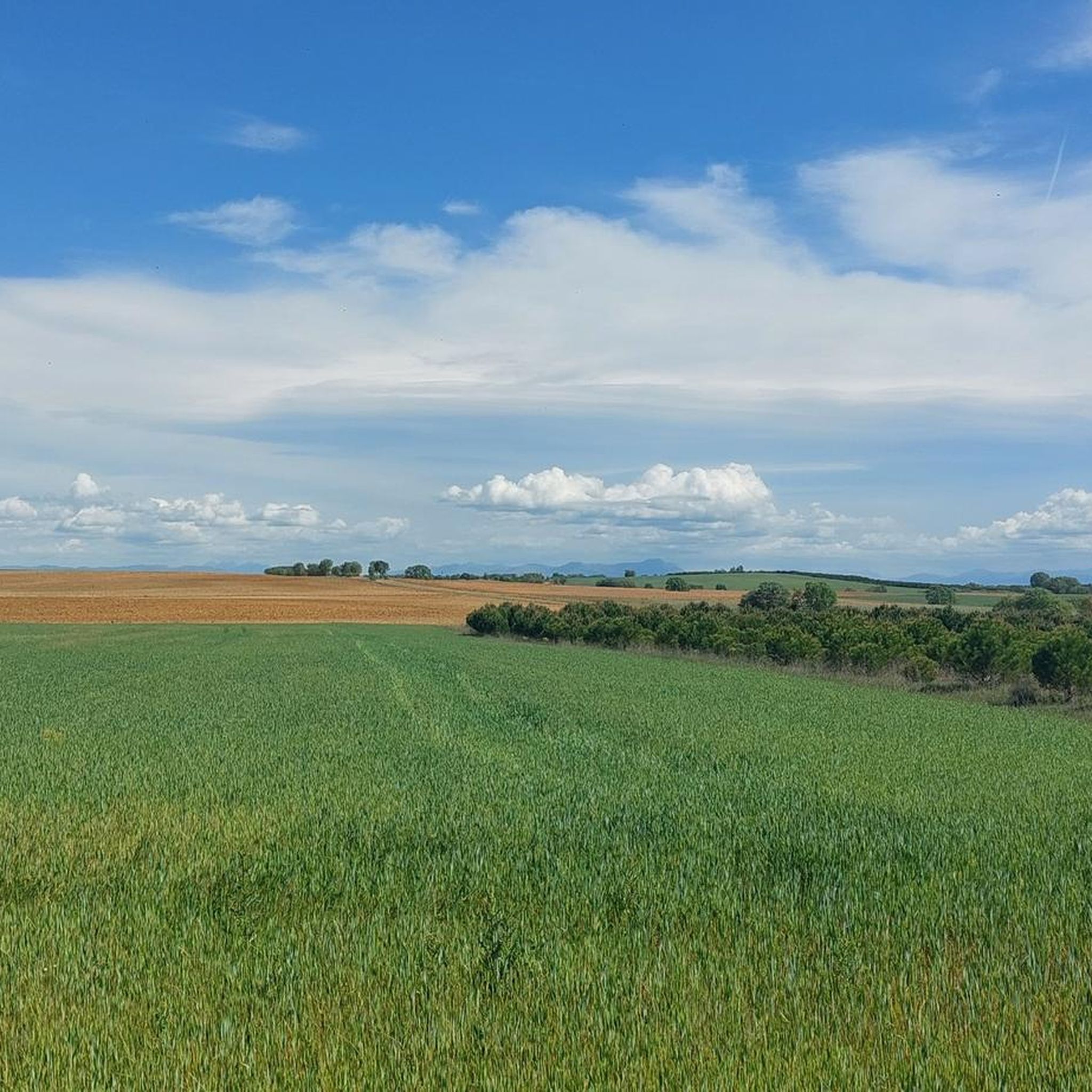
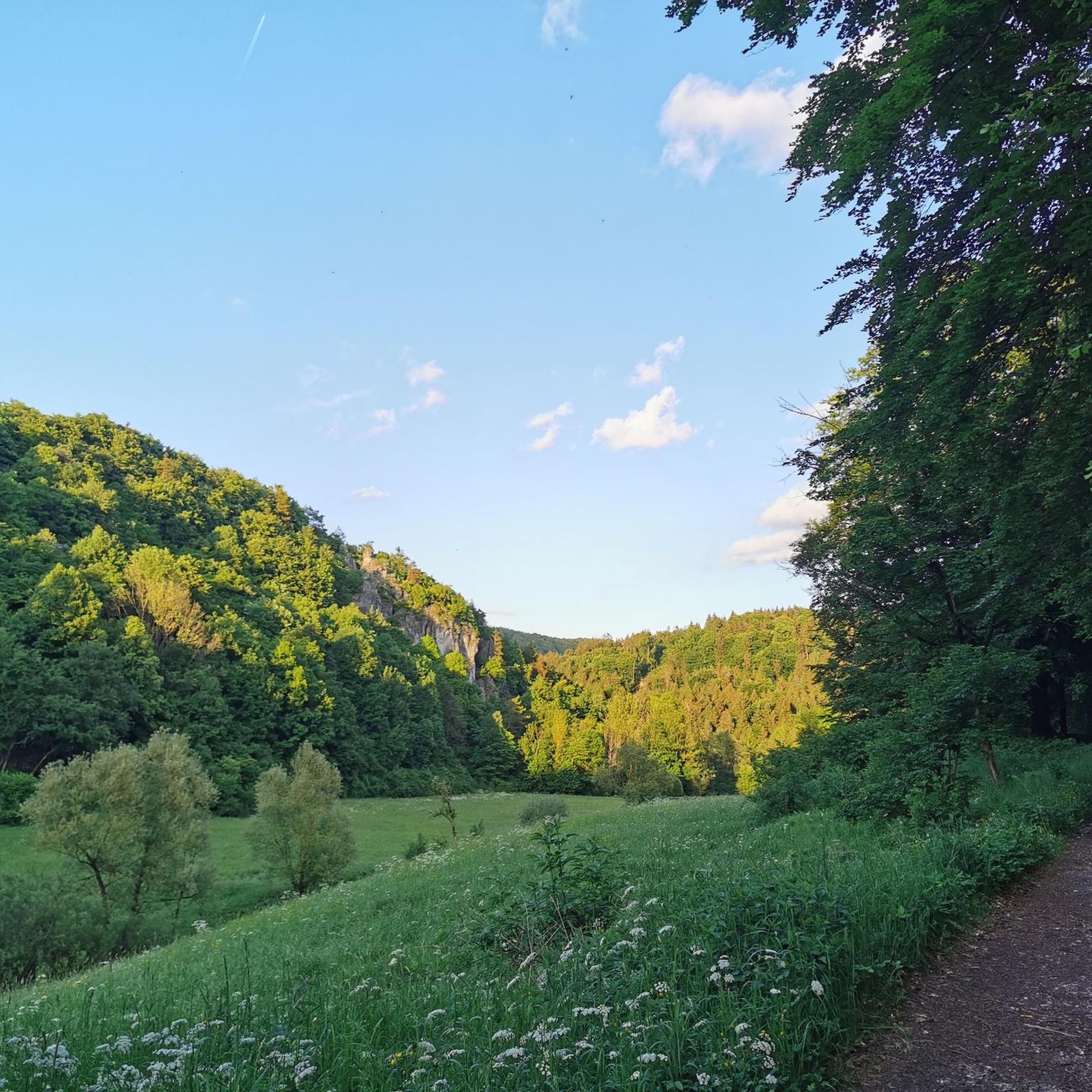
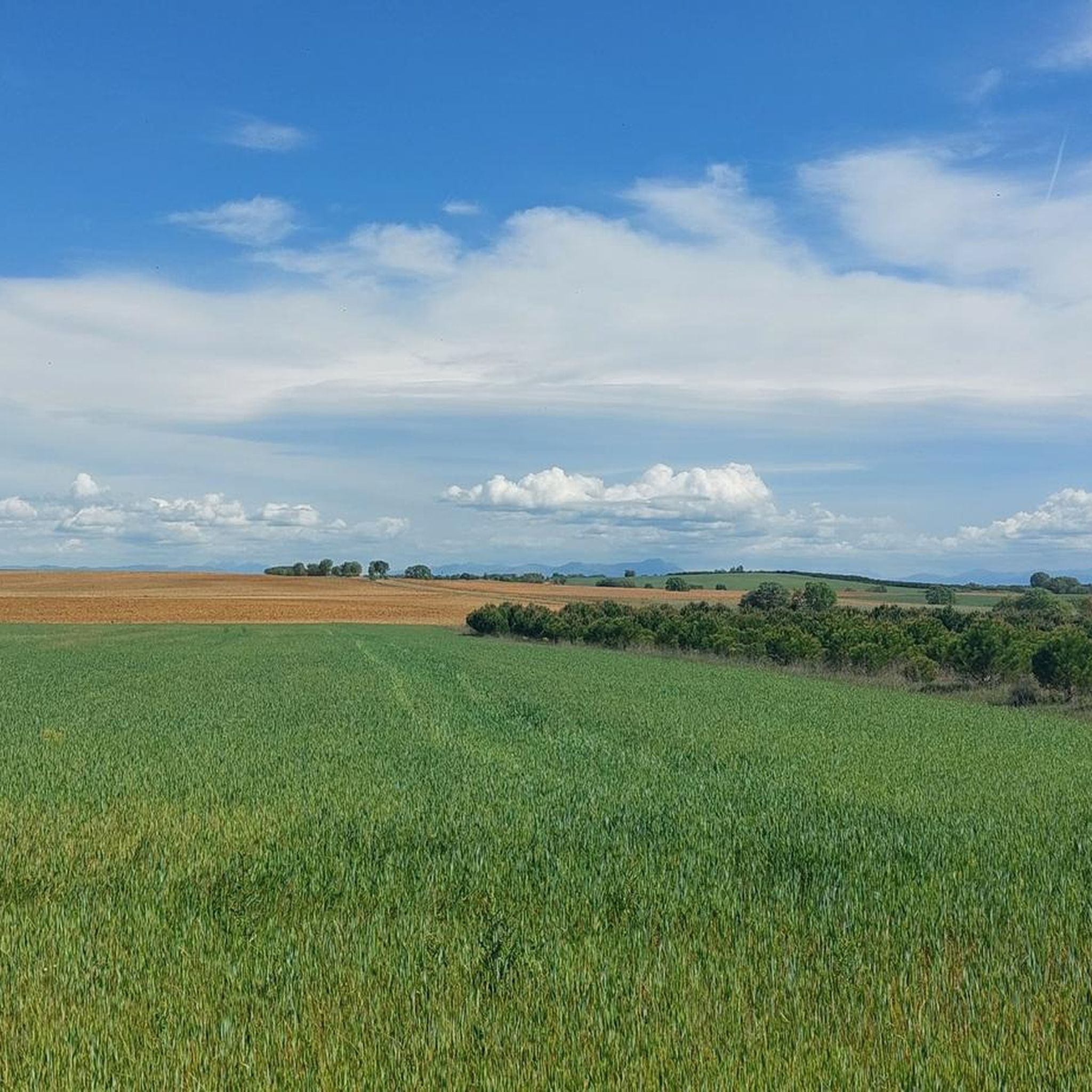
If you have the opportunity to explore this trail, you will enjoy the natural beauty and ecological richness of the area. Good hike! 🌿🚶♀️
3
0
Frequently Asked Questions
What historical and religious sites can I explore around Santa María Del Monte De Cea?
The region is rich in historical and religious heritage, particularly connected to the Camino de Santiago. You can visit the impressive San Benito Arch and Ruins of the Monastery of San Benito in Sahagún, known for its Mudejar art. Another significant stop is the Hermitage of Our Lady of Perales, a 17th-century chapel offering a peaceful resting point along the Camino Real.
Are there family-friendly attractions in the Santa María Del Monte De Cea area?
Yes, several attractions are suitable for families. The San Benito Arch and Ruins of the Monastery of San Benito is an engaging historical site. The settlement of El Burgo Ranero, located on the Camino Real, offers a glimpse into local life and history. Additionally, the Hermitage of Our Lady of Perales provides a pleasant garden and picnic area for a family stop.
What outdoor activities, like hiking or cycling, can I do near these attractions?
The area around Santa María Del Monte De Cea offers various outdoor activities. For hiking, you can explore routes like 'Sahelices del Río from Cea – circular by the river Cea and the Castillo' or the 'Trail of the Large Oaks'. Cycling enthusiasts can enjoy routes such as 'Tierra de Campos Loop: El Burgo Ranero, Gordaliza, and Bercianos' or 'Albergue La Perala – Rest Area at Ermita de Perales loop'. You can find more details on these and other routes in the hiking guide, MTB trails guide, and cycling guide for the region.
Are there any wheelchair-accessible attractions?
Yes, the San Benito Arch and Ruins of the Monastery of San Benito in Sahagún is noted as being wheelchair accessible, allowing more visitors to experience this significant historical monument.
What is the best time of year to visit Santa María Del Monte De Cea?
The region is particularly popular during the warmer months, especially for those walking the Camino de Santiago. Spring and early autumn offer pleasant temperatures for exploring historical sites and engaging in outdoor activities. The Hermitage of Our Lady of Perales, for example, is open from June 15 to September 30.
What are some lesser-known historical or cultural spots to discover?
Beyond the main highlights, the region offers several hidden gems. The municipality of Sahagún itself, with its Mudejar art and historical heritage, is worth exploring beyond just the San Benito Arch. The Pilgrims' hostel, housed in a medieval Mudejar church (La Trinidad) dating back to the 13th century, offers a unique blend of history and hospitality.
Where can I find accommodation for pilgrims along the Camino de Santiago?
For pilgrims, the Pilgrims' hostel in an old Mudejar church (La Trinidad) is a notable option. It provides unique accommodation and also functions as a tourist office. The town of El Burgo Ranero also offers several accommodations specifically for pilgrims.
What is the significance of the Camino de Santiago in this region?
The Camino de Santiago, particularly the Camino Real or Francés, is central to the identity of Santa María Del Monte De Cea. Many settlements, like El Burgo Ranero, are directly on this route. Historical sites like the Hermitage of Our Lady of Perales served as resting points for pilgrims. You'll also encounter markers like the Camino de Santiago Milestone 327 km, guiding pilgrims towards Santiago de Compostela.
What do visitors particularly appreciate about the attractions here?
Visitors frequently appreciate the rich historical heritage and the strong connection to the Camino de Santiago. The impressive architecture of sites like the San Benito Arch and the peaceful atmosphere of places like the Hermitage of Our Lady of Perales are often highlighted. The komoot community has shared over 110 photos and given more than 190 upvotes, reflecting a strong positive experience.
Are there any specific cultural events or traditions in the area?
While specific events are not detailed for all attractions, the Hermitage of Our Lady of Perales hosts an annual romería (pilgrimage) on September 8th. During this event, the people of Bercianos del Real Camino visit the chapel and celebrate, offering a glimpse into local traditions.
What kind of architecture can I expect to see in Santa María Del Monte De Cea?
The region is particularly known for its Mudejar art and architecture, especially in towns like Sahagún. You'll see buildings constructed with bricks and wooden structures, or clay and straw, reflecting this unique style. The San Benito Arch is a prime example of an impressive monument with rich sculptural decoration from this period.
Most popular routes around Santa María Del Monte De Cea

Get inspired with the komoot mobile app


Explore more
Still not found the Highlight you’re looking for? See guides of the top attractions in other regions:
