Attractions and Places To See around El Campillo - Top 13
Best attractions and places to see around El Campillo include a rich blend of historical mining heritage, archaeological sites, and natural beauty in the Huelva province of Andalucía, Southern Spain. The area's past is deeply intertwined with the Riotinto mining area, leaving a significant mark on its landscape and culture. Visitors can explore ancient settlements, religious buildings, and unique natural features. El Campillo offers a diverse range of historical and cultural points of interest.
Best attractions and places to see…
Last updated: May 21, 2026
Collegiate Church of San Antolín
Highlight • Religious Site
The collegiate church is, along with the La Mota Castle, one of …
Translated by Google •
Tip by

Castle of La Mota
Highlight • Castle
Translated by Google •
Tip by
Sign up now to discover places like this
Get recommendations on the best single tracks, peaks, & plenty of other exciting outdoor places.
Sign up for free
Palacio de Dueñas Courtyard
Highlight • Historical Site
Translated by Google •
Tip by

Church of Saints John of Nava del Rey
Highlight • Religious Site
Translated by Google •
Tip by

Church of Saint James the Royal
Highlight • Religious Site
Translated by Google •
Tip by
Sign up for free to discover even more attractions around El Campillo.
Sign up for free
Already have an account?
Start today with a free account
Your next adventure awaits.
Login or Signup

Tips from the Community

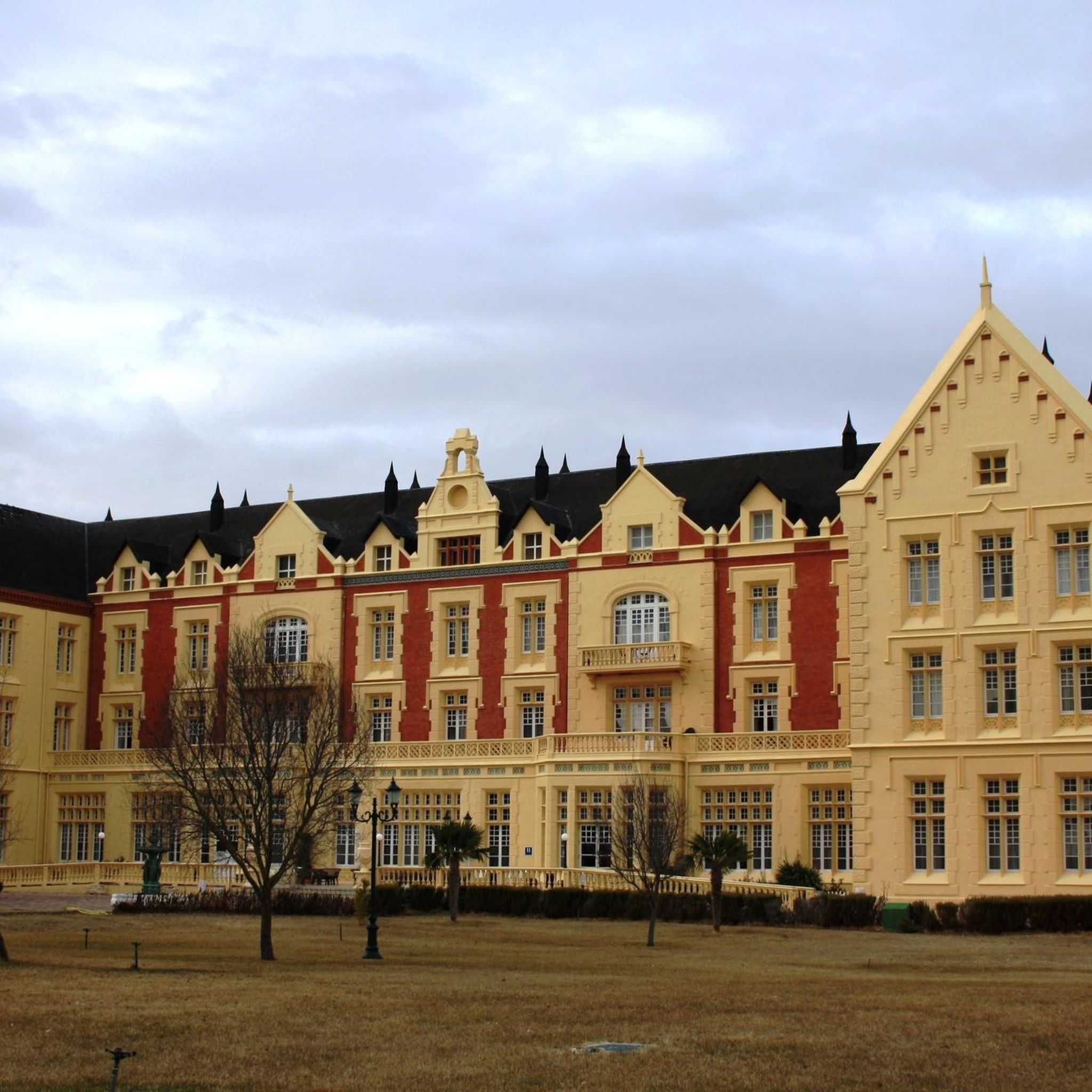
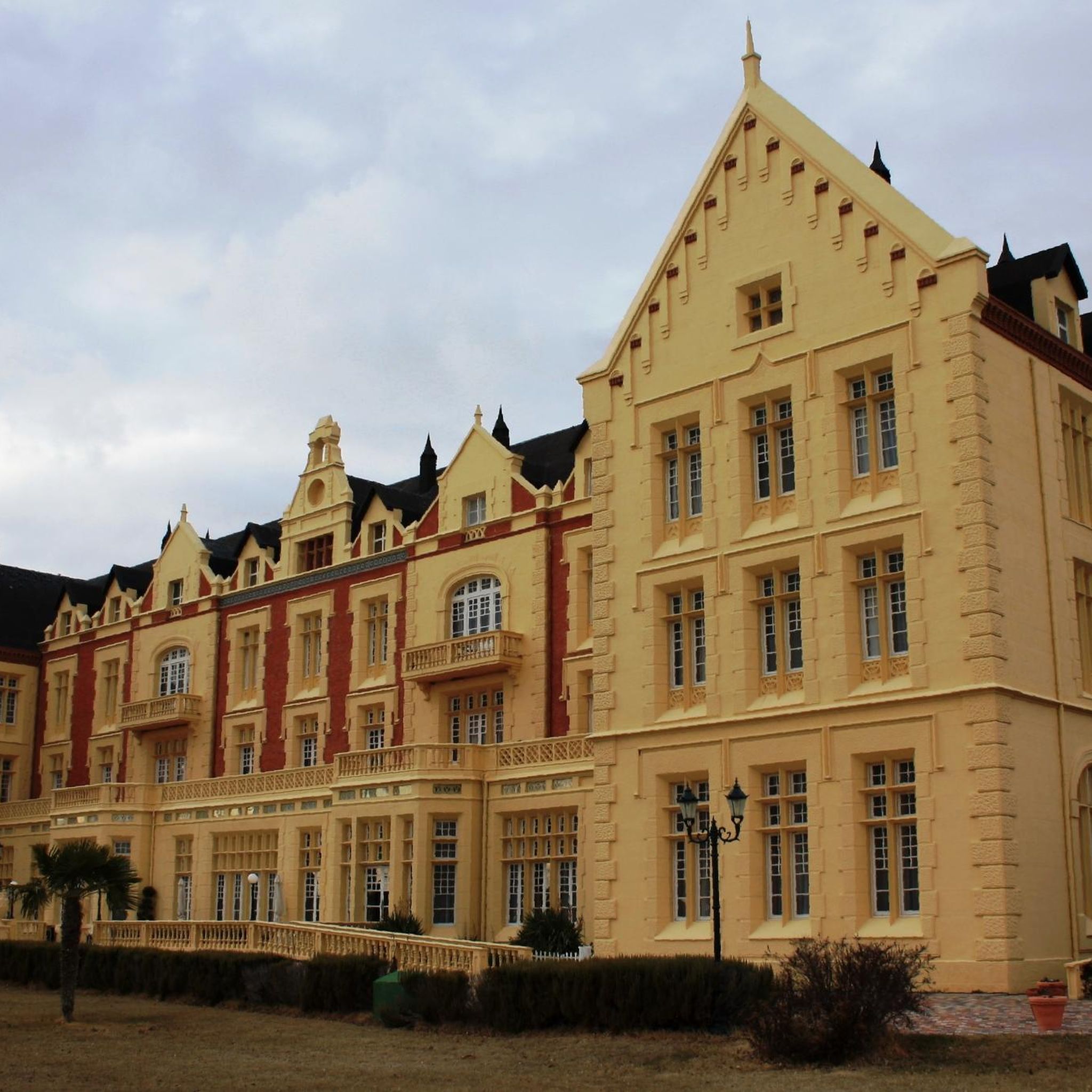
Built in the 16th century by Diego Beltrán, a nobleman and member of the Royal Council of the Indies, around 1528–1533, on a site previously used on Santiago Street. Its design is attributed to the royal architect Luis de Vega. From 1602 to 1604, it housed the Royal Chancery; later, it served as the residence of the Marquis of Ensenada during his exile. In 1916, it was acquired by the Marquises of Argüeso; in 1950, it passed into the hands of the State and was used as a vocational institute, currently functioning as an educational center.
5
0
Parish Church of Santiago el Real, in Medina del Campo. Medieval origins: a church dedicated to Saint James already existed in 1177, located on Santa Teresa Street. It was renovated in the 16th century and used until 1770. The current building was initially the church of the Jesuit novitiate dedicated to Saints Peter and Paul. The first stone was laid in July 1553 by Saint Francis Borgia, and it was opened for worship around 1563. After the expulsion of the Jesuits, around 1770 it became the parish church of Saint James, retaining only the church from the original complex. It was declared a Site of Cultural Interest on January 18, 1968 (RI-51-0003793).
4
0
Church of San Juan in Nava del Rey (Valladolid): Built between the 16th and 18th centuries, it incorporates the work of several architects: Juan Campero (apse and side chapels, early 16th century) and Rodrigo Gil de Hontañón (from 1560). After the tower collapsed in 1663, destroying the rear section, choir, and organ, it was rebuilt, and Juan de Revilla completed the new tower in 1702.
2
0
Also known as the Main Parish Church of San Antolín. The original parish dates back to 1177, founded by settlers from the north (Palencia) and dedicated to Saint Antolín. In 1480, the Catholic Monarchs obtained a papal bull from Pope Sixtus IV elevating its status to a collegiate church with a free abbey. Construction of the current church began in 1502 and continued into the 18th century, with prominent architects such as Juan Gil de Hontañón, Rodrigo Gil, and the Gutiérrez brothers. It lost its collegiate church status in 1851, becoming simply the main parish church.
9
0

This is a Renaissance building constructed in the 16th century. It was designed by Luis de Vega, who was the architect of Charles V. Importantly, the Marquis of Ensenada lived in exile and died in this building in December 1781.
11
0
Located a considerable distance from the city center, this imposing church stands like a solitary sentinel, its exposed brick structure very similar to the other local buildings, where part of the building is constructed of carved stone and the rest of the aforementioned exposed brick. Today we couldn't go inside because it was closed, but under normal circumstances it can be visited during the hours posted on the door.
11
0
This Gothic-style building began construction in 1503, although, as is often the case with such complex structures, it wasn't completed until almost two centuries later. It is a relatively large church, notable for the balcony of the Virgin of the People and the clock tower. The main entrance dates from the 18th century, while the side entrance is from the 16th.
11
0

Frequently Asked Questions
What historical sites can I explore in El Campillo?
El Campillo is rich in history, particularly its mining heritage and ancient settlements. You can visit archaeological sites like Cabezos Coloraos, a fortified Moorish settlement, and the remains of a Roman fort at Fortín El Castillejos. The area also features ancient mining sites such as Mina La Poderosa and La Mimbrera, showcasing Roman and pre-Roman exploitation. Don't miss the megalithic Dolmen de la Cantina from the Copper Age.
Are there any notable religious buildings to visit in the area?
Yes, the region features several significant religious buildings. The most popular is the Collegiate Church of San Antolín, a Gothic-style building with construction spanning from the 16th to the 18th century. Another impressive site is the Church of Saints John of Nava del Rey, known for its high, dominant tower, and the Church of Saint James the Royal, which has medieval origins and was renovated in the 16th century.
What natural attractions are there around El Campillo?
The most striking natural feature is the Paisaje Protegido de Río Tinto, where the river is famous for its unique reddish and ochre tones due to mineral weathering. You can also enjoy Parque Los Cipreses, a seven-hectare park with marked trails, recreation areas, and playgrounds, originally planted by English settlers. The surroundings also offer various countryside walking routes like El Zumajo and Puente Chapa.
What family-friendly activities are available in El Campillo?
Families can enjoy Parque Los Cipreses, which offers playgrounds, barbecue areas, and swimming pools. The Castle of La Mota is also a great option, offering guided tours and cultural activities. For a unique experience, consider a ride on the Mines of Río Tinto Tourist Train, which covers 12 kilometers through the historic mining landscape.
Can I go hiking or cycling near El Campillo's attractions?
Absolutely! There are numerous routes for both hiking and cycling. For hiking, you can explore trails like the easy "City tour through Medina del Campo" or the moderate "Balneario Palacio de las Salinas — circular por las lagunas de Medina del Campo." Cyclists can enjoy routes such as the "Medina del Campo and Moraleja de las Panaderas Loop" or the "Ruta de Carlos V - Medina del Campo Loop." You can find more details on these and other routes in the hiking guide and cycling guide for El Campillo.
What is the Riotinto Mining Park and how can I visit it?
The Riotinto Mining Park is a must-visit to understand the region's extensive mining history. It includes museums, historical buildings like Casa 21 de Bella Vista, and viewpoints such as Mirador Minas de Riotinto, offering views of the impressive open-pit mine of Corta Atalaya. You can also take a ride on the Mines of Río Tinto Tourist Train through the unique mining landscape.
Are there any castles or fortresses in the area?
Yes, the region boasts several historical fortifications. The Castle of La Mota is a prominent medieval fortress in Medina del Campo, known for its reddish brick architecture and offering guided tours. Additionally, the Castillo de Mónago, another fortress of Moorish origin, and the ancient fortified settlement of Cabezos Coloraos are significant historical sites.
What kind of historical architecture can I see in El Campillo?
Beyond castles and churches, you can observe unique architectural influences. Some streets in El Campillo reflect an English-influenced street distribution, a legacy of British mining exploitation from the 18th century. The Palacio de Dueñas Courtyard is another example, a Renaissance building from the 16th century with elegant facades and interior patios.
What are some easy hiking routes suitable for beginners around El Campillo?
For those looking for easier walks, the "City tour through Medina del Campo" is a short, easy route. Another accessible option is the "Collegiate Church of San Antolín – Royal Testamentary Palace loop from Medina del Campo." These routes are generally flat and suitable for a relaxed exploration of the area. More options can be found in the hiking guide.
What do visitors particularly enjoy about the attractions in El Campillo?
Visitors appreciate the rich blend of historical mining heritage, archaeological sites, and natural beauty. The unique reddish landscape of the Río Tinto and the historical depth of sites like the Collegiate Church of San Antolín and the Castle of La Mota are frequently highlighted. The komoot community has shown its appreciation with 9 upvotes and 8 photos shared for the attractions around El Campillo.
Are there any viewpoints to enjoy scenic vistas?
Yes, the Castle of La Mota, situated on a high hill, offers commanding views of Medina del Campo and its surroundings. Additionally, the Riotinto Mining Park includes viewpoints such as Mirador Minas de Riotinto, providing impressive perspectives of the vast open-pit mine of Corta Atalaya and the unique landscape.
What cultural events or traditions are celebrated in El Campillo?
El Campillo observes several traditional festivals throughout the year. The most popular is Semana Santa (Holy Week), which includes a unique tradition on Easter Sunday where an effigy of Judas is burned. Other notable events include the Romería de la Santa Cruz, Pirulitos de San Juan, Fiestas de Julio, Día de la Villa, and Día de Nuestra Señora de la Granada.

Get inspired with the komoot mobile app


Explore more
Still not found the Highlight you’re looking for? See guides of the top attractions in other regions:
