The best road cycling routes around Vinga naturreservat
108
riders
2
rides
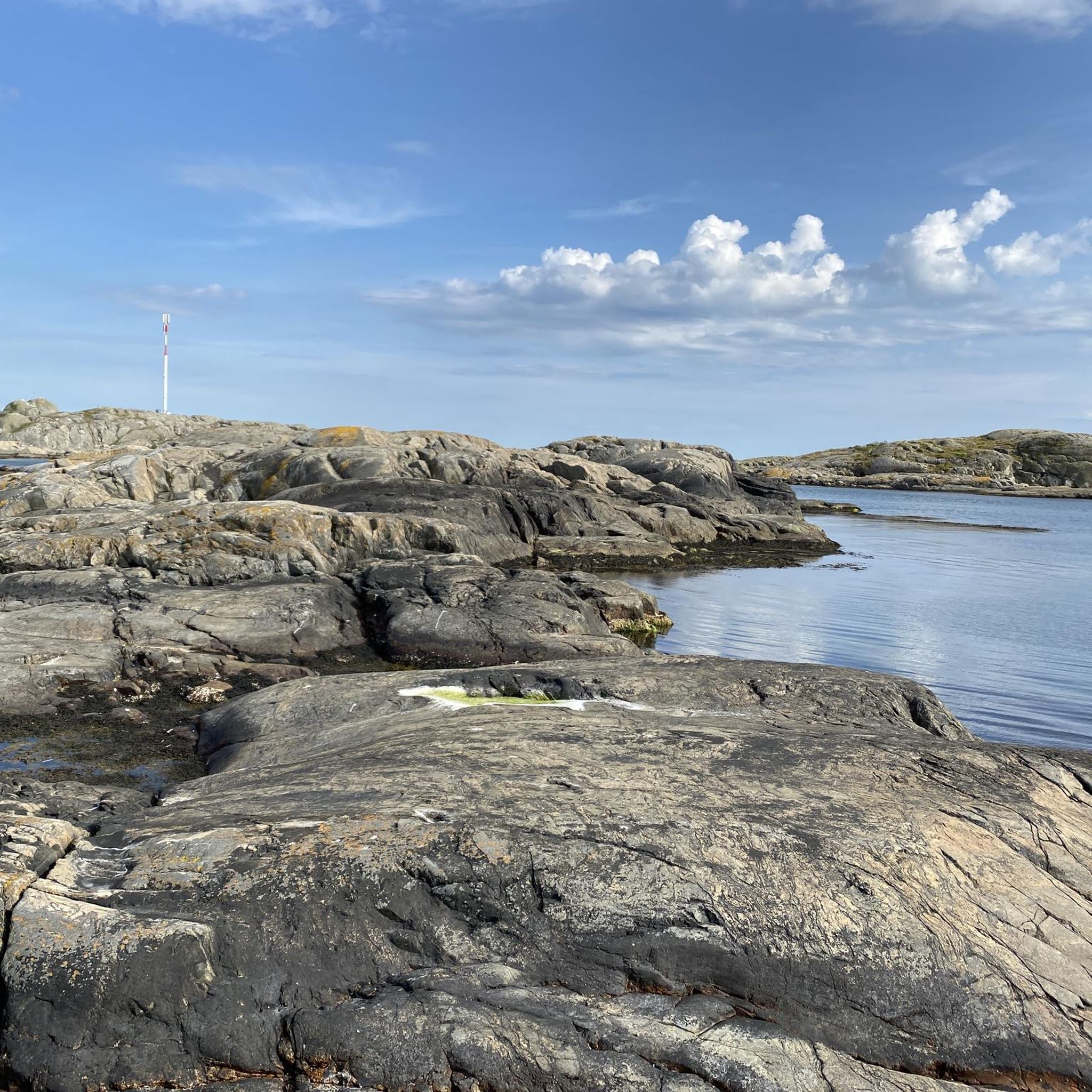
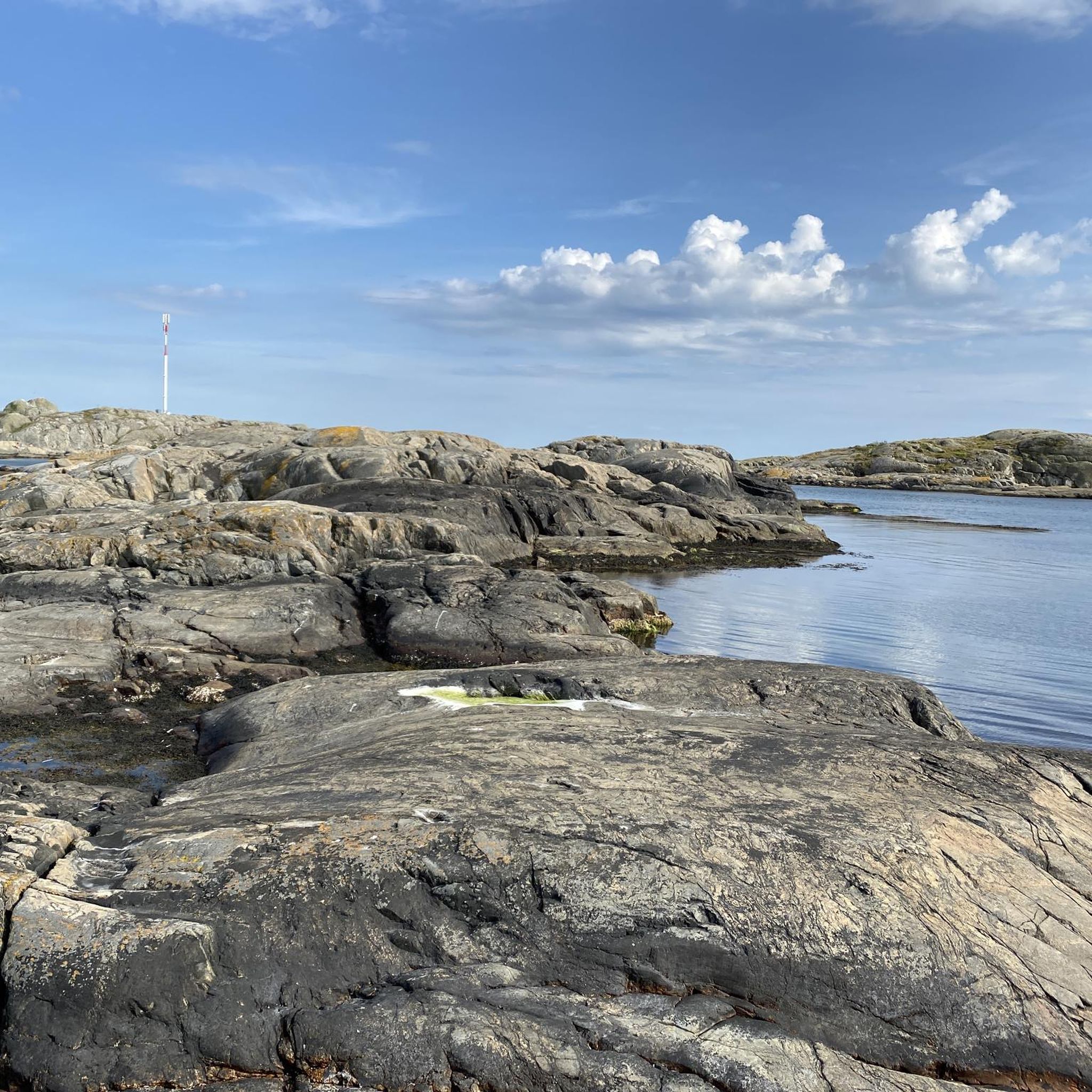
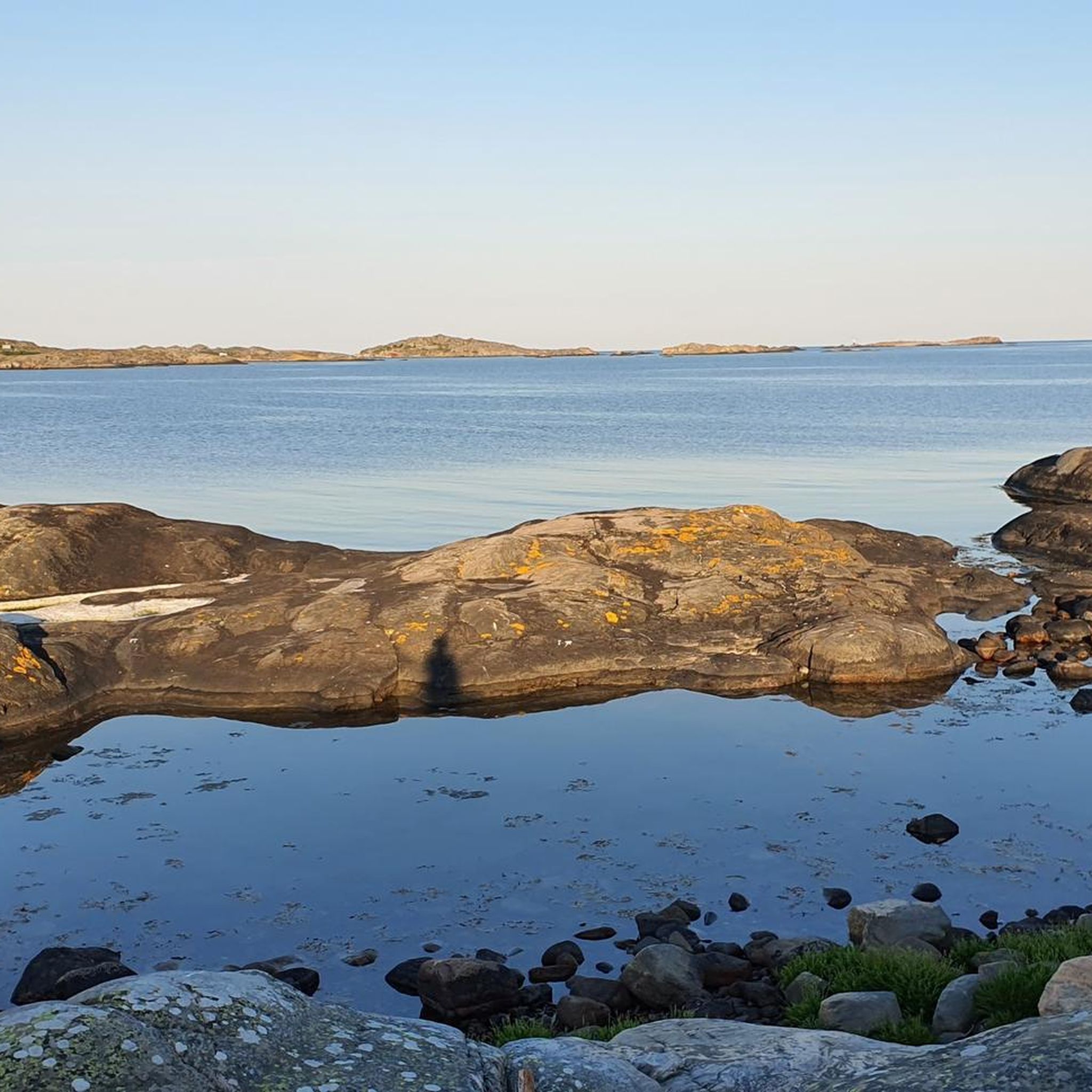
Road cycling around Vinga naturreservat primarily involves routes on the surrounding islands of the Gothenburg archipelago, as Vinga itself is characterized by rugged, rocky coastal landscapes unsuitable for road bikes. The region features a mix of island roads, coastal paths, and some inland sections with varying elevations. These routes often provide views of the sea, rocky outcrops, and the diverse flora supported by the unique bedrock of the archipelago. The terrain includes both relatively flat stretches and moderate climbs, offering varied experiences for road cyclists.
Best road cycling routes around Vinga naturreservat
- The most popular road cycling route is Windswept bay loop from Hönö, a 10.4 miles (16.8 km) trail that takes about 45 minutes to complete. This route offers coastal views and a moderate challenge.
- Another top favourite among local road cyclists is Haga Nygata – Älvsborg Bridge loop from Hönö, a moderate 41.4 miles (66.7 km) path. This route includes significant elevation gain and passes by the Älvsborg Bridge, offering diverse scenery.
- Local road cyclists also love the View of the Coastline – Mjölvik Gårdsbageri loop from Kalvsund, a 20.1 miles (32.4 km) trail leading through coastal areas, often completed in about 1 hour 25 minutes.
- Road cycling around Vinga naturreservat is defined by coastal paths, island roads, and views of the Gothenburg archipelago. The network offers options for different ability levels, from easier coastal loops to more challenging routes with greater elevation.
- The guide includes highly-rated routes that showcase the best of the region's landscape. More than 100 road cyclists have used komoot to explore Vinga naturreservat's varied terrain.
Last updated: July 9, 2026
9
riders
16.3km
00:42
60m
60m
Moderate road ride. Great for any fitness level. Some segments of this route may be unpaved and difficult to ride.
41
riders
66.2km
02:43
350m
350m
Moderate road ride. Good fitness required. Some segments of this route may be unpaved and difficult to ride.

Sign up for free
21
riders
32.4km
01:24
180m
180m
Moderate road ride. Great for any fitness level. Some segments of this route may be unpaved and difficult to ride.
12
riders
32.8km
01:33
140m
140m
Easy road ride. Great for any fitness level. Mostly well-paved surfaces and easy to ride.
6
riders
95.4km
04:17
670m
670m
Moderate road ride. Good fitness required. Some segments of this route may be unpaved and difficult to ride.
Our route recommendations are based on thousands of hikes, rides, and runs completed by other people on komoot.
Start today with a free account
Your next adventure awaits.
Login or Signup
Popular around Vinga naturreservat
Tips from the Community

Free ferry for everyone (pedestrians, bikes, cars). Maximum waiting time 20 minutes. 50-second journey.
0
0

In the center of the square stands the statue of King Gustav II Adolf, the founder of the city of Gothenburg. The statue was erected in 1854 and shows the king at the moment he is establishing the city's location. Around the square are important buildings such as the City Hall (Rådhuset), the Stadshuset, and the Stock Exchange. Gustaf Adolfs Torg is a central and historically significant square in Gothenburg.
3
0

Beautiful photo motif
0
0

King Gustav Adolf founded the city in 1621, just 400 years ago.
2
0


You can shop and eat very well here.
2
1

The Halland class was a class of destroyers of the Swedish Navy. It consists of the lead ship Halland (J18) and the Småland (J19). The Småland is now a museum ship in Gothenburg
0
0

Here you can see funny Asians posing like Gustav Adolf.
0
0
Frequently Asked Questions
Why are road cycling routes described as being 'around' Vinga naturreservat, rather than within it?
Vinga naturreservat is an island characterized by rugged, rocky coastal landscapes and is primarily suited for hiking and nature walks. Its small size and terrain make it unsuitable for road cycling. Therefore, the road cycling routes in this guide explore the beautiful surrounding islands of the Gothenburg archipelago, offering views towards Vinga and the sea.
What kind of terrain and scenery can I expect on road cycling routes near Vinga naturreservat?
The routes primarily feature island roads and coastal paths within the Gothenburg archipelago. You can expect diverse scenery including sea views, rocky outcrops, and the unique flora supported by the region's bedrock. The terrain varies from relatively flat stretches to moderate climbs, providing a varied experience for cyclists.
How many road cycling routes are available in the area around Vinga naturreservat?
There are several road cycling routes available, with komoot users having explored over 100 different options. This guide highlights some of the best, including routes like Windswept bay loop from Hönö and Haga Nygata – Älvsborg Bridge loop from Hönö.
What are the typical difficulty levels for road cycling routes in this region?
The routes around Vinga naturreservat offer options for various ability levels. You'll find both easier coastal loops, such as the View of the Coastline loop from Hjuvik, and more challenging routes with greater elevation gain, like the Haga Nygata – Älvsborg Bridge loop from Hönö, which includes significant elevation.
Are there any circular road cycling routes available?
Yes, many of the road cycling routes in the area are designed as loops, allowing you to start and finish at the same point. Examples include the popular Windswept bay loop from Hönö and the View of the Coastline – Mjölvik Gårdsbageri loop from Kalvsund.
What landmarks or points of interest can I see while road cycling in the Gothenburg archipelago?
While Vinga naturreservat itself is known for the Vinga Lighthouse and Evert Taube's childhood home, road cycling routes in the surrounding archipelago offer their own points of interest. For instance, the Haga Nygata – Älvsborg Bridge loop from Hönö passes by the impressive Älvsborg Bridge, offering diverse scenery and views.
Is public transport available to access the starting points of these road cycling routes?
The Gothenburg archipelago is well-served by public transport, including ferries and buses, which can help you reach various islands and starting points for road cycling routes. It's advisable to check local public transport schedules and ferry information for specific routes and island access.
Are there places to eat or stay near the road cycling routes?
The islands of the Gothenburg archipelago offer various amenities, including cafes, restaurants, and accommodation options. Many routes pass through or near charming villages where you can find places to refuel and rest. For example, the View of the Coastline – Mjölvik Gårdsbageri loop from Kalvsund leads through coastal areas where local eateries might be found.
What is the best time of year for road cycling around Vinga naturreservat?
The best time for road cycling in the Gothenburg archipelago is typically during the warmer months, from late spring to early autumn (May to September). During this period, the weather is generally milder, and the coastal scenery is at its most vibrant. Always check the local weather forecast before heading out.
Are the road cycling routes suitable for families with children?
While some routes may be more challenging, there are options that could be suitable for families, particularly the easier coastal loops with less elevation. It's recommended to review the specific route details, including distance and elevation, to determine if it aligns with your family's cycling abilities.
Can I bring my dog on these road cycling routes?
While dogs are generally welcome in many outdoor areas, specific regulations may apply to certain paths or nature reserves within the archipelago. On Vinga naturreservat itself, access to certain areas like Koholmen is restricted during bird breeding season. For cycling routes, it's best to check local guidelines regarding pets, especially if you plan to stop at beaches or other protected areas.
Most popular routes around Vinga naturreservat

Get inspired with the komoot mobile app


Explore more
Browse the best Road cycling routes in other regions.
