The best cycling routes around Campaspero
4.5
(4)
38
riders
2
rides
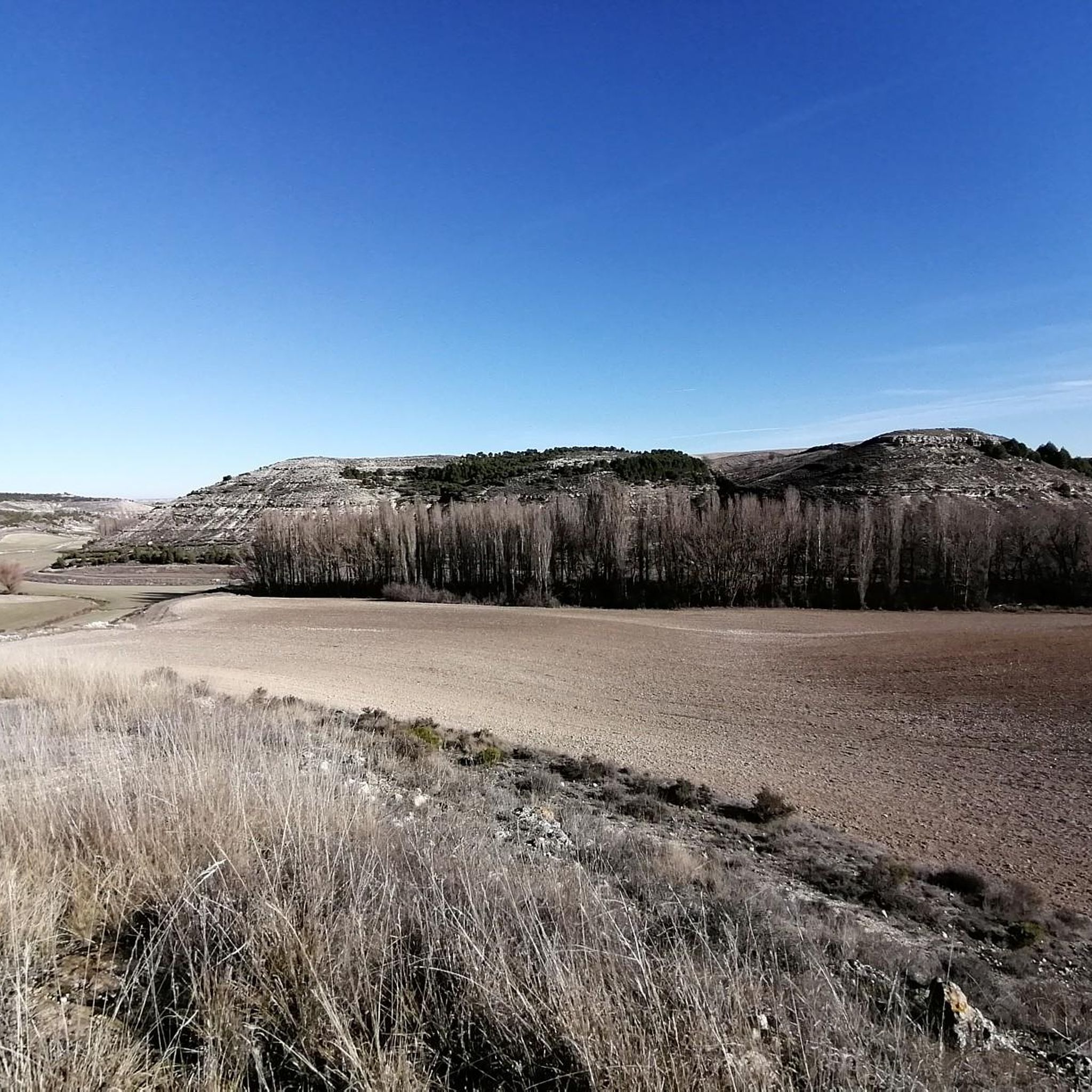
Touring cycling around Campaspero, located in the Castille and León region of Spain, offers routes across the Castilian plateau, characterized by open spaces and varied landscapes. The region's geology includes Campaspero limestone, influencing the visual elements of the terrain. Cyclists can explore areas near the Duero River, which features vineyards, arid plains, and rolling hills. This environment provides a mix of routes suitable for different skill levels.
Best touring cycling routes around Campaspero
- The most popular touring cycling route is…
Last updated: May 16, 2026
Moderate bike ride. Good fitness required. Mostly paved surfaces. Suitable for all skill levels.
4.5
(4)
30
riders
19.9km
01:07
50m
50m
Easy bike ride. Great for any fitness level. Mostly paved surfaces. Suitable for all skill levels.

Sign up for free
2
riders
16.7km
01:17
80m
90m
Easy bike ride. Great for any fitness level. Mostly paved surfaces. Suitable for all skill levels.
3
riders
36.9km
03:09
290m
290m
Moderate bike ride. Good fitness required. Mostly paved surfaces. Suitable for all skill levels.
2
riders
32.9km
02:49
270m
270m
Moderate bike ride. Good fitness required. Mostly paved surfaces. Suitable for all skill levels.
Our route recommendations are based on thousands of hikes, rides, and runs completed by other people on komoot.
Start today with a free account
Your next adventure awaits.
Login or Signup
Popular around Campaspero

Tips from the Community

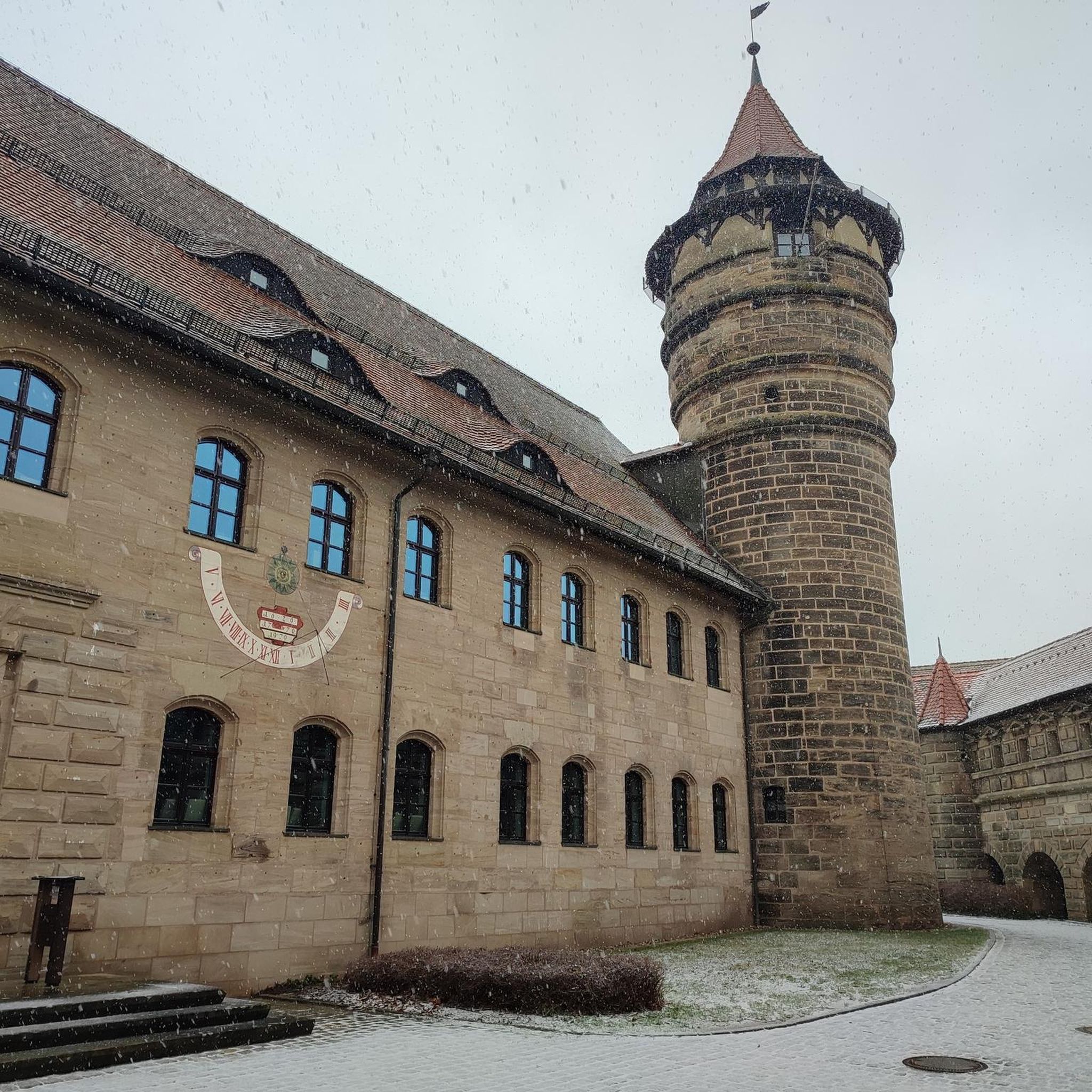
Cuéllar Castle, also known as the Castle-Palace of the Dukes of Alburquerque, is one of the town's most iconic monuments and has a rich history spanning several centuries. Construction of the castle began in the 11th century and was completed in the 17th century. Over the centuries, it has been expanded and renovated in various architectural styles, including Gothic and Renaissance. Its historical owners include Álvaro de Luna and Beltrán de la Cueva, as well as successive Dukes of Alburquerque. Currently, the castle houses the Cuéllar Tourist Office, and guided and dramatized tours are offered on weekends.
5
0
The Plaza del Coso in Peñafiel is a fascinating place with a rich history. This medieval square, declared a Site of Cultural Interest in 1999, is known for its rectangular shape and its 48 two- and three-storey buildings built from adobe, stone and wood. The wooden balconies decorated with motifs such as leaves, flowers and fruits are a distinctive feature.
2
0
Windmills, like El Cubo, have been a hallmark of the region for centuries. Although their use today is not as widespread as in the past, they remain a reminder of traditional wind energy and engineering. The source of energy in a windmill is the wind itself, and it is used to grind grain, pump water, and perform other tasks. If you ever visit Cuéllar, don't hesitate to explore this historic mill and take in its beauty and functionality. 🌬️🏰
4
0
Documented since 1306, the castle has witnessed various events over the centuries. It was property of the Duchy of Alburquerque and hosted illustrious guests such as the kings of Castile, such as Juan I and Queen Leonor, as well as María de Molina. This castle is a historical treasure and a living testimony to the grandeur and diversity of architectural styles over the centuries. 🏰🌿
4
0
Inside, the altarpiece of the main altar stands out, in Renaissance style from the 16th century. It is attributed to the painter Gabriel de Cárdenas Maldonado, who created the twelve paintings that represent scenes from the life of Jesus Christ and the Virgin. If you ever visit Cogeces del Monte, don't miss the opportunity to explore this church full of history and beauty. 🌿🏰
2
0
The Monastery of Santa María de la Armedilla was a monastery of the Order of San Jerónimo, today in ruins, located about 3.8 kilometers from Cogeces del Monte. The monastery was founded after the chance discovery by shepherds of an image of the Virgin Mary in a cave excavated in the rock. This gave rise to a Marian cult in the place and the construction of the monastery. The proximity of quarries and plasterworks in the area facilitated its construction, as well as the water supply. 🏰🌿
1
0

Armedilla Convent
0
0

The church of San Juan de Santibáñez de Valcorva, built between the 12th and 13th centuries, has a brick Mudejar or Romanesque style. It is the oldest church in the region and is protected by the castle or Casa Fuerte de Santibáñez de Valcorba on its north side and by the Valcorba stream on its south side. Over the centuries, it has undergone extensions and modifications, including the construction of a Gothic nave and a fortress bell tower in the 17th century.
1
0
Frequently Asked Questions
How many touring cycling routes are available around Campaspero?
There are several touring cycling routes around Campaspero, offering diverse experiences. Our guide features 5 distinct routes, ranging from easy to moderate difficulty, allowing cyclists to explore the Castilian plateau and its surroundings.
What kind of terrain can I expect when cycling around Campaspero?
The terrain around Campaspero is characterized by the Castilian plateau, offering vast, open spaces with expansive views. You'll encounter a mix of arid plains, rolling hills, and agricultural fields. The region's geology, influenced by Campaspero limestone, adds unique visual elements. Routes near the Duero River may also feature terraced vineyards and serene riverside paths.
Are there routes suitable for beginners or families with children?
Yes, Campaspero offers routes suitable for various skill levels, including easier options perfect for beginners or families. For instance, the Plaza del Coso de Peñafiel loop from Torre de Peñafiel is an easy 12.4-mile (19.9 km) path traversing plains, providing a gentle introduction to the area's cycling.
What historical sites or landmarks can I see along the cycling routes?
Many routes around Campaspero pass by significant historical landmarks. You can explore the ruins of the 15th-century Armedilla Monastery, or cycle past the iconic Cuéllar Castle, a monument with a rich history spanning centuries. The area also features traditional structures like El Cubo Windmill.
What are the typical distances and elevations of touring cycling routes in this area?
The touring cycling routes around Campaspero vary in length and elevation. You can find shorter, easier loops like the Plaza del Coso de Peñafiel loop from Torre de Peñafiel, which is about 12.4 miles (19.9 km) with minimal elevation gain. More moderate routes, such as the Castillo de Cuéllar, Moraleja de Cuéllar y Olombrada — circular desde Cuéllar, extend to around 27.3 miles (44.0 km) and include moderate ascents of about 250 meters.
Are there any circular touring cycling routes available?
Yes, many of the touring cycling routes around Campaspero are designed as circular loops, allowing you to start and end in the same location. Examples include the Castillo de Cuéllar, Moraleja de Cuéllar y Olombrada — circular desde Cuéllar and the Armedilla Monastery – Cogeces del Monte loop from Cogeces del Monte, providing convenient options for exploration.
What is the best time of year for touring cycling in Campaspero?
Given Campaspero's location in 'España Seca' (Dry Spain), the best time for touring cycling is typically during the spring (April-May) and autumn (September-October). These seasons offer milder temperatures and pleasant conditions for riding, avoiding the intense heat of summer and the cooler, potentially wetter days of winter.
What do other touring cyclists enjoy the most about touring cycling in Campaspero?
The touring cycling experience in Campaspero is highly rated by the komoot community, with an average score of 4.5 stars. Cyclists often praise the open plains, rolling hills, and agricultural landscapes, as well as the opportunity to pass by historical landmarks. The varied terrain and options for different ability levels are also frequently highlighted.
Are there routes that pass through wine regions or vineyards?
Yes, the broader Duero River region, which Campaspero is part of, is known for its extensive vineyards. While specific routes directly through vineyards are not detailed in every tour, the landscape often includes agricultural fields and areas associated with wine production, offering picturesque views and a taste of the local viticulture.
Where can I find parking or trailheads for these cycling routes?
Many touring cycling routes around Campaspero are loops that often start and end in towns or villages, making it convenient to find parking. For example, routes like the Armedilla Monastery – Cogeces del Monte loop typically begin from a settlement like Cogeces del Monte, where parking facilities are usually available. Specific trailhead information can be found on individual route pages.
Can I combine cycling with visits to castles near Campaspero?
Absolutely. The region is rich in historical castles that are easily accessible by bike. The Castillo de Cuéllar, Moraleja de Cuéllar y Olombrada — circular desde Cuéllar route, for instance, offers direct views of the magnificent Cuéllar Castle. Another route, Cuéllar Castle – Torreón de Santo Domingo loop from Cuéllar, also allows you to visit Torreón de Santo Domingo.
Are there any less crowded touring cycling routes in the area?
While specific crowd levels can vary, the vast, open spaces of the Castilian plateau generally offer a sense of freedom and less crowded conditions compared to more urban cycling areas. Exploring routes that venture further into the agricultural landscapes and away from major towns can often provide a more tranquil cycling experience.
Most popular attractions around Campaspero

Get inspired with the komoot mobile app


Explore more
Browse the best Cycling routes in other regions.
