Attractions and Places To See around Arenas De Iguña - Top 20
Attractions and places to see around Arenas De Iguña offer a blend of historical landmarks, cultural sites, and natural beauty within the Cantabrian region of Spain. The area is characterized by its architectural heritage, including Romanesque churches and stately homes, and its connection to the Saja-Besaya Natural Park. The Besaya River flows through the municipality, providing a historical communication route. Visitors can explore a variety of landscapes, from high mountain plateaus to unique natural monuments.
Best attractions and places to see around Arenas De Iguña
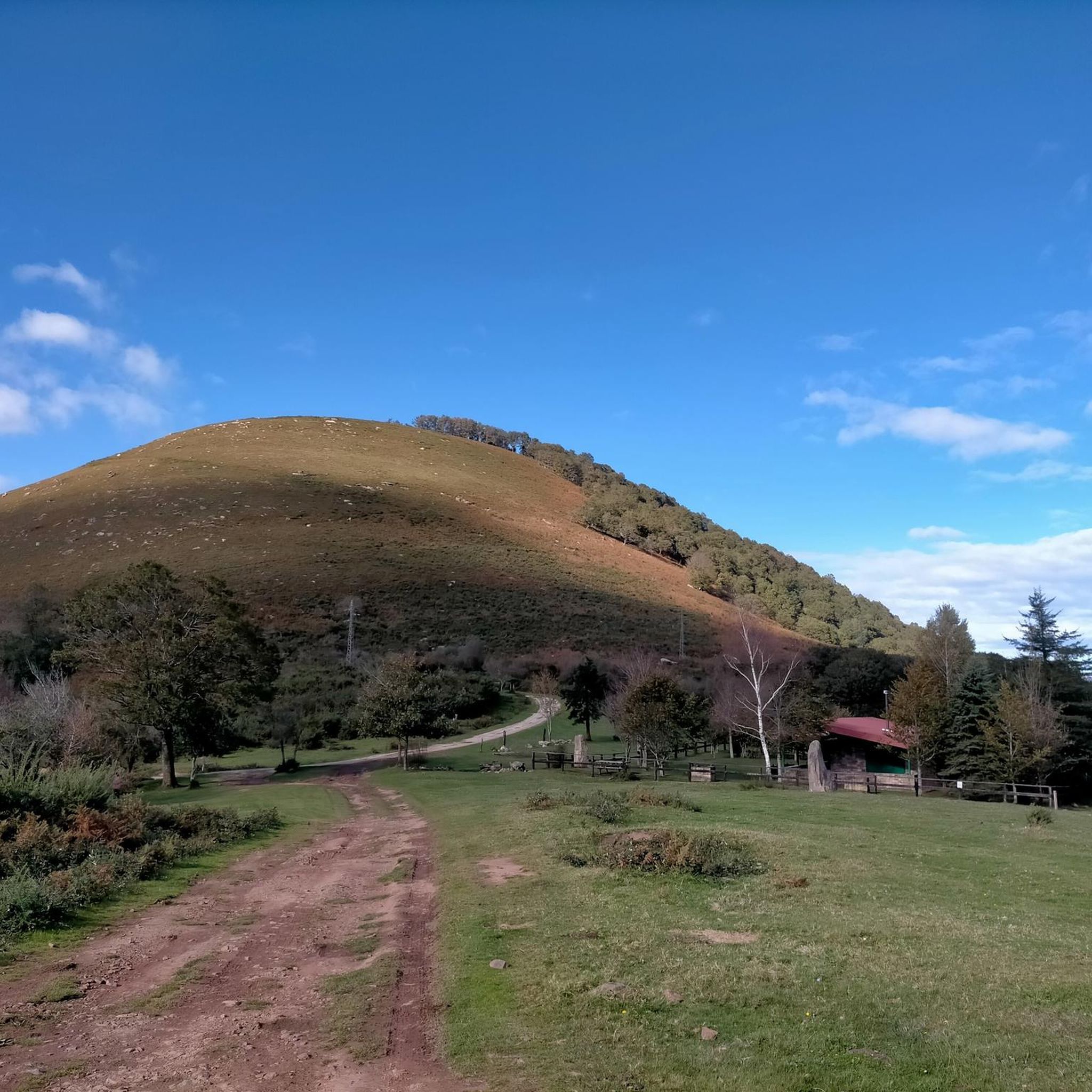
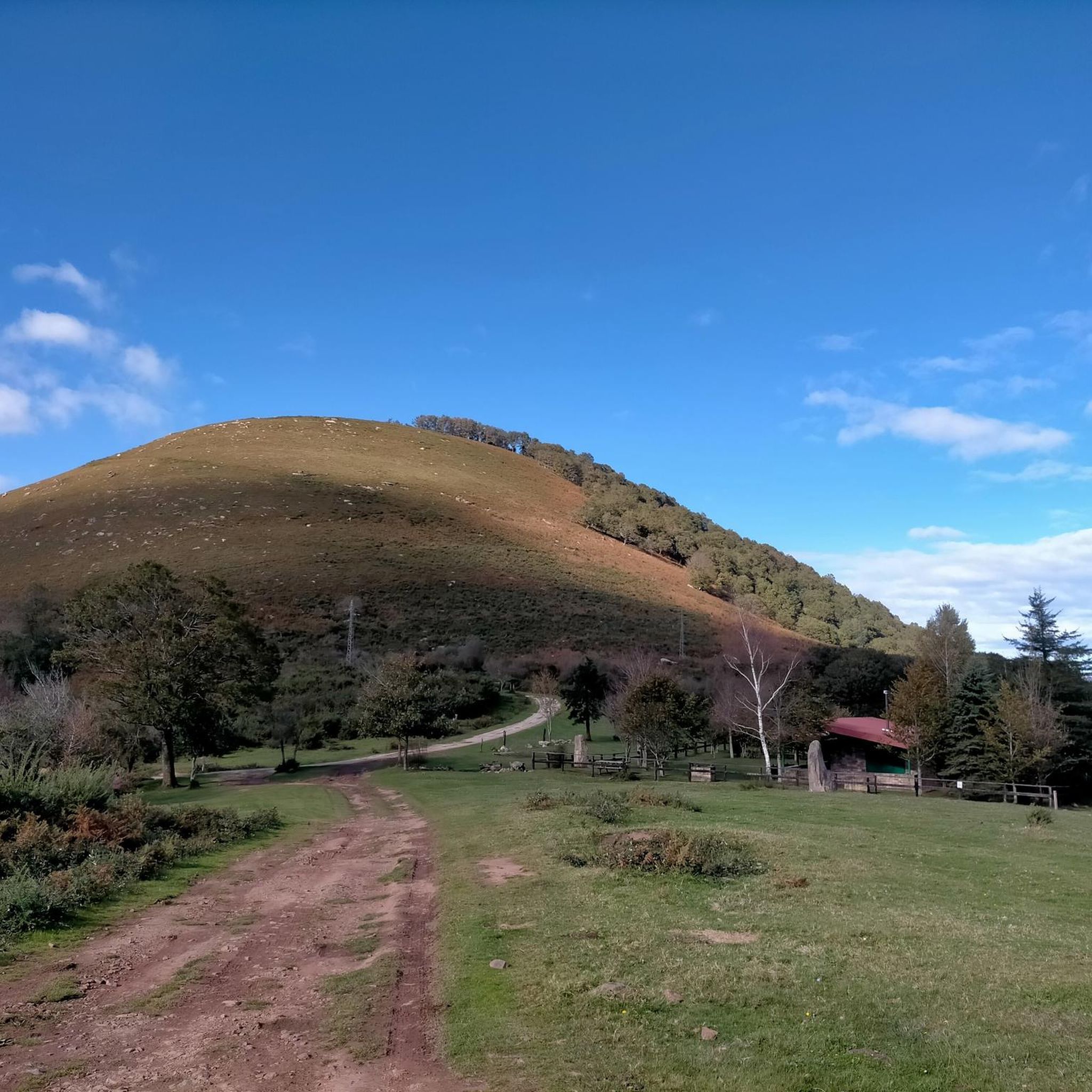
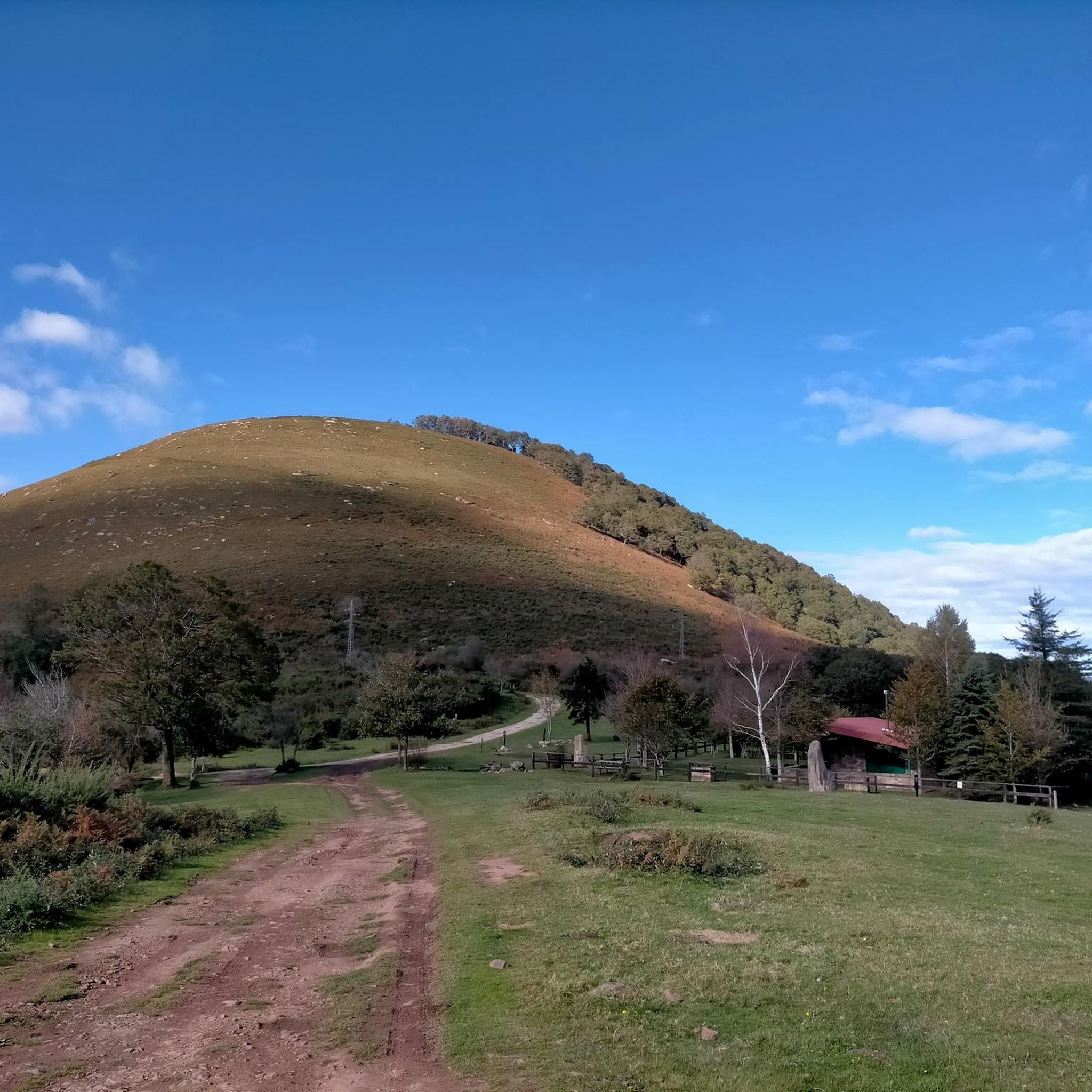
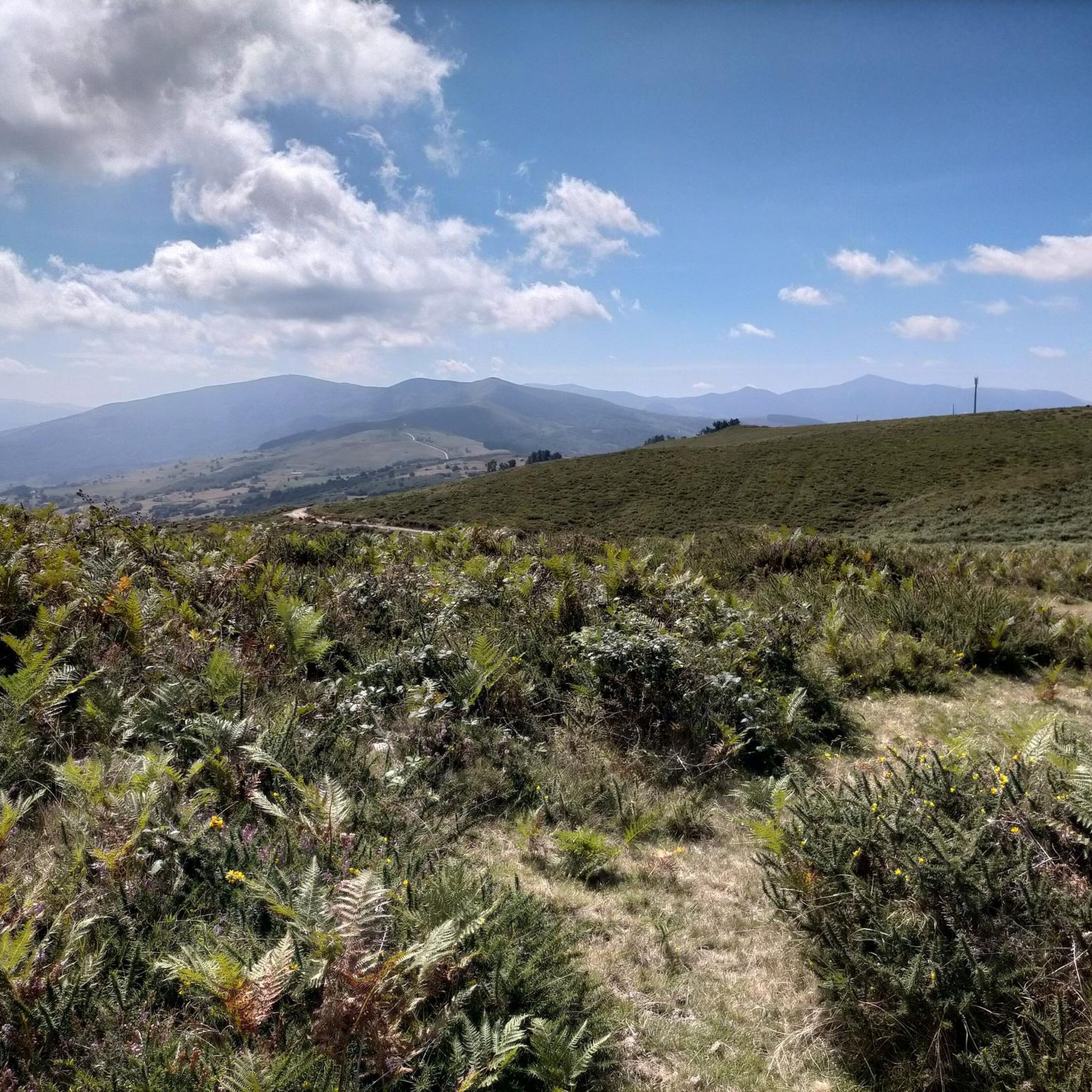
- The most popular attractions is El Moral Plateau, a viewpoint that is a high mountain plateau reached by a forest track. This high mountain plateau offers landscapes towards the Picos de Europa and other Cantabrian mountains.
- Another must-see spot is Churrón de Borleña Waterfall, a waterfall formed by the Arroyo de la Llana. It features a pool at its base and is reached via an easy path through a forest.
- Visitors also love Fuentona de Ruente Bridge, a bridge of medieval origin with 9 eyes. This location is known for the Fuentona, the source of the homonymous river, and its picturesque setting.
- Arenas De Iguña is known for its natural monuments, historical sites, and viewpoints. The region offers a variety of attractions to see and explore, from unique trees to ancient bridges.
- The attractions around Arenas De Iguña are appreciated by the komoot community, with 26 upvotes and 6 photos shared by visitors.
Last updated: July 6, 2026
El Moral Plateau
Highlight • Viewpoint
Translated by Google •
Tip by

Fuentona de Ruente Bridge
Highlight • Bridge
According to the legend at the bottom of the Fuentona de Ruente an Anjana, a good Cantabrian witch, has her home, who from time to time on a whim makes the water stop flowing. It is almost incredible to believe that for a time everything is completely dry, hence the magical answer to the power of nature.
This karst upwelling of Ruente comes out of a cave and can be seen thanks to a cobbled walk that leads to the source of the Fuentona.
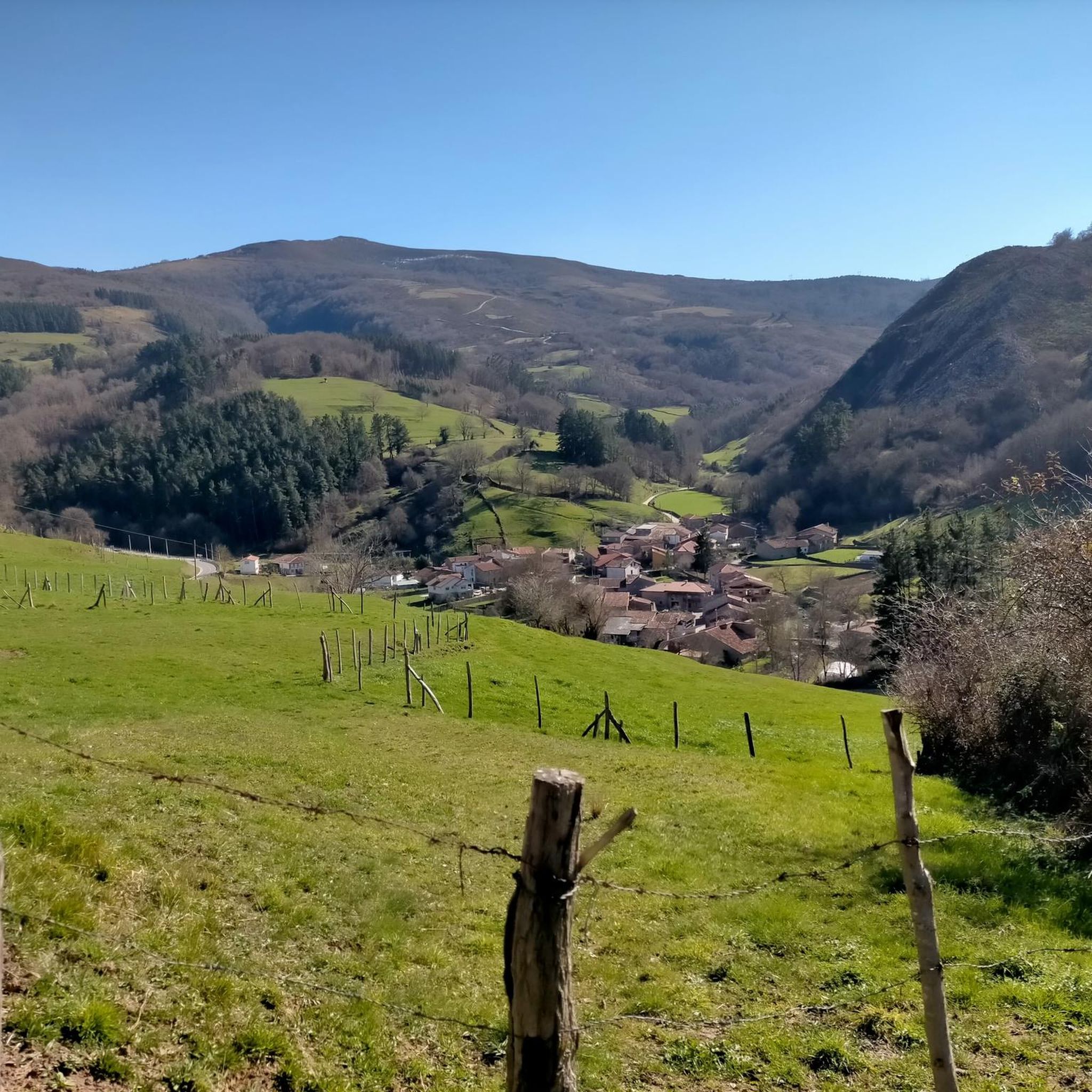
Later, the mighty river that is formed passes under a characteristic bridge, with nine eyes and low in height. This is the typical picture of Ruente, the water flowing through the stone eyes and in the background the typical green that is never lacking in Cantabrian lands.
In the upwelling area there is a picnic park where you can enjoy the calm and beauty that this beautiful corner of Cantabria gives off.
In the town of Ruente you can also see the humilladero, the Nogalera house and the Palacio de Mier.
If you come from rural tourism to Cantabria, on your visit to the Saja Besaya Natural Park, don't forget this charming corner that is Ruente and its Fuentona.
Translated by Google •
Tip by

Sign up now to discover places like this
Get recommendations on the best single tracks, peaks, & plenty of other exciting outdoor places.
Sign up for free
Las Caldas de Besaya Spa
Highlight • Structure
On November 15, 1753, the old "Wool Road" or "Flour Road" that ran through this point and along the Besaya, achieved the rank of "Royal Road", notably improving the transport conditions of Castilian products destined for our coastal ports, for export overseas. The building is located next to the train stop across the old donkey-back bridge. Years later, the main road passed by, and all of this contributed to facilitating the communications of the Spa, although currently they are all out of use, but this has not caused the number of travelers to decrease and they remain very popular.
The spa was built in the mid-19th century next to the hotel, the inn, and the casino, which was formerly an annex building. Today it is restored, being considered the oldest in the region and continues to receive those who wish to benefit from its mineral-medicinal waters.
Showing Translation
Tip by

Fallen Oak of Brujilices
Highlight • Natural Monument
Translated by Google •
Tip by
Churrón de Borleña Waterfall
Highlight • Waterfall
The churrón is reached through a beautiful easy path, for all audiences and through a beautiful forest and that does not reach 2.5 km from the Bolera de Borleña.
Translated by Google •
Tip by
Sign up for free to discover even more attractions around Arenas De Iguña.
Sign up for free
Already have an account?
Start today with a free account
Your next adventure awaits.
Login or Signup
Tips from the Community

Whenever I pass by here, even by car, I take a look at this beautiful bridge.
1
0

Added to the collection: komoot.com/de-de/collection/3600632/-naturdenkmaeler-besondere-baeume-und-weitere-schaetze-der-natur
0
0

After a beautiful gravel climb, you reach this plateau with stunning views (including the Picos de Europa in the distance). The path then continues for a long time at altitude, with many cows and horses. Take a look: https://www.youtube.com/watch?v=OgEcgF17RDw
0
0
Indeed, a beautiful spot with breathtaking views, both towards the Picos de Europa and other Cantabrian mountains. The (gravel) road there is also stunning; just take a look: https://www.youtube.com/watch?v=OgEcgF17RDw
0
0

The Bujilices "Tumbao" Oak, located in Ucieda (Ruente) within the Saja-Besaya Natural Park, is one of Cantabria's most unique and magical trees. The tree fell under the weight of snow and wind at the end of the 19th century, but it didn't die. Four vertical branches sprouted from the fallen trunk, developing as if they were independent trees, creating a unique and spectacular shape.
2
0

Quiet place, interesting views.
0
0

Bujilices fallen oak tree in Ucieda. Bucolic place to make a stop along the way, read life.
0
0
Frequently Asked Questions
What natural attractions can I explore around Arenas de Iguña?
The region offers diverse natural beauty. You can visit El Moral Plateau, a high mountain plateau with stunning views towards the Picos de Europa. Don't miss the unique Fallen Oak of Brujilices, a singular tree within the Saja-Besaya Natural Park. Another enchanting spot is the Churrón de Borleña Waterfall, featuring a beautiful pool at its base, accessible via an easy forest path. The Saja-Besaya Natural Park itself, with the headwaters of the Llares River, provides extensive natural landscapes.
Are there any historical or architectural sites to visit in Arenas de Iguña?
Yes, Arenas de Iguña is rich in historical and architectural sites. You can explore the grand 19th-century Palacio de los Hornillos and the adjacent Church of San Jorge, known as 'El Partenón,' in Las Fraguas. The Hermitage of San Román de Moroso in Bostronizo is a rare 10th-century Mozarabic example. Other notable sites include the Romanesque Church of San Juan de Raicedo, the ancient Church of Nuestra Señora de La Asunción (Helecha – La Serna) dating back to 1067, and the medieval Fuentona de Ruente Bridge.
What kind of outdoor activities can I do near Arenas de Iguña?
Arenas de Iguña is an excellent base for outdoor activities. You can find numerous hiking trails, including the moderate Alto del Cueto Moroso and Canal de las Tejeras Loop, or the easy Fuente Clara Trail. For cycling enthusiasts, there are routes like the one from Iglesia de San Jorge to Ermita del Moral. Mountain biking is also popular, with challenging routes such as the Cruz de Fuentes and Arbencia Waterfall Loop. You can find more details and routes in the dedicated guides for hiking, cycling, and MTB trails around Arenas de Iguña.
Are there family-friendly attractions or activities in the area?
Absolutely. Many attractions are suitable for families. The Churrón de Borleña Waterfall is reached via an easy path through a forest, perfect for a family outing. The Fuentona de Ruente Bridge and its surroundings offer a picturesque setting with a picnic area. The Fallen Oak of Brujilices is a unique natural monument that can spark children's imagination. Additionally, the Las Caldas de Besaya Spa, with its historical significance, can be an interesting visit for all ages.
What is the significance of the Besaya River in the region?
The Besaya River flows through the municipal area of Arenas de Iguña and has been a vital natural route for communication for over 2000 years. Historically, it was part of the ancient path, once a Roman road and later a section of the Camino de Santiago, known as the Route of the Besaya. This route combines both monumental and natural heritage, making the river an integral part of the region's history and landscape.
Can I find unique natural monuments or trees in Arenas de Iguña?
Yes, Arenas de Iguña is home to several unique natural monuments. The Fallen Oak of Brujilices is a remarkable example, cataloged as one of Cantabria's singular trees, where new branches grew vertically from its fallen trunk. Beyond this, the municipality boasts other singular trees, including a 600-year-old holm oak in the La Ojera neighborhood, and impressive Cedars of Lebanon and Himalaya, and Sequoias at Finca de La Molina and Finca Los Hornillos.
What are the 'brañas' and 'El Moral Plateau'?
The 'brañas' are mountain prairies characteristic of Arenas de Iguña, ecologically and economically important as summer pastures for cattle and horses. The Tordías Peak, at 968 meters, is located within these areas. El Moral Plateau is a specific high mountain plateau, accessible via a forest track, offering stunning landscapes and featuring a hermitage often used as a refuge. It's a popular spot for its panoramic views.
What is the Las Caldas de Besaya Spa?
The Las Caldas de Besaya Spa is a historic thermal facility located in Las Caldas de Besaya, known for its hot springs since Roman times. The spa and its accompanying hotel were built in the mid-19th century. It's considered the oldest spa in the region and continues to attract visitors seeking the benefits of its mineral-medicinal waters.
Are there any traditional festivities or cultural practices associated with Arenas de Iguña?
Arenas de Iguña has historical connections to unique cultural traditions. While primarily celebrated in Silió, the municipality is linked to the origin of La Vijanera, a distinctive carnival marking the beginning of the year. The area is also recognized as the origin of 'Marzas' or 'Trovas,' popular traditions where young men welcome spring with songs, bidding farewell to winter.
What do visitors enjoy most about the attractions around Arenas de Iguña?
Visitors particularly appreciate the breathtaking views from places like El Moral Plateau, with its vistas of the Picos de Europa. The magical and enchanting atmosphere of the Fuentona de Ruente Bridge and its legendary spring is also highly praised. Many enjoy the easy and beautiful paths leading to natural wonders like the Churrón de Borleña Waterfall, highlighting the region's blend of natural beauty and accessible outdoor experiences.
Are there any ancient churches or religious buildings to see?
Yes, the region features several ancient religious buildings. The Hermitage of San Román de Moroso in Bostronizo is a rare 10th-century Mozarabic structure. The Romanesque Church of San Juan de Raicedo maintains its original nave and apse. One of Cantabria's oldest Romanesque temples, the Church of Nuestra Señora de La Asunción in Helecha – La Serna, dates back to 1067. Additionally, the striking Church of San Jorge, or 'El Partenón,' in Las Fraguas, built in 1890, is a notable Neoclassical example.
Most popular routes around Arenas De Iguña
Most popular attractions around Arenas De Iguña

Get inspired with the komoot mobile app


Explore more
Still not found the Highlight you’re looking for? See guides of the top attractions in other regions:
