Attractions and Places To See around Villagarcía Del Llano - Top 7
Best attractions and places to see around Villagarcía Del Llano include historical architecture, cultural heritage, and natural surroundings. This municipality in Cuenca, Castilla-La Mancha, features a rural landscape with extensive cultivated fields and open spaces. Visitors can explore various landmarks and natural features, offering opportunities for hiking and enjoying the local flora and fauna. The area provides a blend of cultural sites and natural points of interest.
Best attractions and places to see around Villagarcía Del Llano
- The most popular…
Last updated: June 29, 2026
Church of Nuestra Señora de la Asunción of Iniesta
Highlight • Religious Site
Construction period and history
• The church was built in the 15th and 16th centuries. Construction began in the late Gothic period, a period when Castile flourished both culturally and economically.
Translated by Google •
Tip by

Pine Forest of La Manchuela
Highlight • Forest
Translated by Google •
Tip by

Sign up now to discover places like this
Get recommendations on the best single tracks, peaks, & plenty of other exciting outdoor places.
Sign up for free
Iniesta
Highlight • Settlement
Translated by Google •
Tip by

Iniesta
Highlight • Settlement
Translated by Google •
Tip by
Madrigueras
Highlight • Religious Site
Translated by Google •
Tip by

Sign up for free to discover even more attractions around Villagarcía Del Llano.
Sign up for free
Already have an account?
Start today with a free account
Your next adventure awaits.
Login or Signup


Tips from the Community

Courtesy of my AI: Construction period and history • The church was built in the 15th and 16th centuries. Construction began in the late Gothic period, a period when Castile flourished both culturally and economically. • Renaissance elements were added over the course of the construction period, which explains the stylistic mix. This reflects the artistic and architectural development of the era. Context of construction • The construction of the church is related to the Christian reconquest of the region and the subsequent desire to manifest the faith through magnificent ecclesiastical buildings. • It was probably built on the site of an earlier, possibly Moorish or early Christian sanctuary. Architectural features Nuestra Señora de la Asunción is an example of the combination of two styles that is common in Castile-La Mancha: Gothic features 1. Basic structure: • The church has a spacious nave with high, pointed vaults, typical of the Gothic style. • The verticality of the interior and the delicate design of the arches and ribs are reminiscent of the Gothic cathedrals of the region. 2. Windows and light: • Gothic pointed arch windows with tracery let light into the interior and create a solemn atmosphere. Renaissance elements 1. Facade: • Parts of the facade show the clean lines and symmetrical shapes of the Renaissance. The decorative elements such as columns and friezes are particularly striking. 2. Artwork: • The interior has altars and chapels that were added later in the Renaissance and Baroque styles. Some sculptures and paintings date from this period. Significance of the church • Nuestra Señora de la Asunción was not only a religious centre, but also a place of social and cultural gatherings. • The church reflects the wealth and importance of Iniesta during the late medieval and early modern periods, when the town prospered through agriculture and trade. Current use and preservation • The church continues to be used for worship and religious festivals today. It is a central location for local celebrations, particularly on holidays such as the patron saint's feast. • Restoration work over the past few decades has helped to keep the building in good condition, with the Gothic vaults and Renaissance façade carefully restored. Things to see inside the church When visiting the church, look out for the following details: 1. Main altar: An elaborately designed altar that incorporates both Gothic and Renaissance elements. 2. Chapels: Some side chapels house valuable religious artworks, including paintings and wood carvings. 3. Sacristy: The sacristy may contain historical relics and liturgical objects. Conclusion The Church of Nuestra Señora de la Asunción is an impressive example of Castilian architecture during the transition period from Gothic to Renaissance. It tells the story of a city that has absorbed various cultural influences over the centuries and preserved them in its architecture. A visit is worthwhile for both art lovers and those who want to learn more about the history of the region. Shall I tell you about other artworks or details about its restoration?
0
0

Beautiful town that is located in the old middle of what is the entrance to the lands of La Mancha on its eastern side. Surrounded by farmland and large areas that are difficult to find the end!
0
1

Beautiful baroque church dedicated to Saints San Pedro and San Pablo in the center of Madrigueras. Right next to it is the curious building of the town hall.
1
0
Beautiful town that is located in the old middle of what is the entrance to the lands of La Mancha on its eastern side. Surrounded by farmland and large areas that are difficult to find the end!
0
1

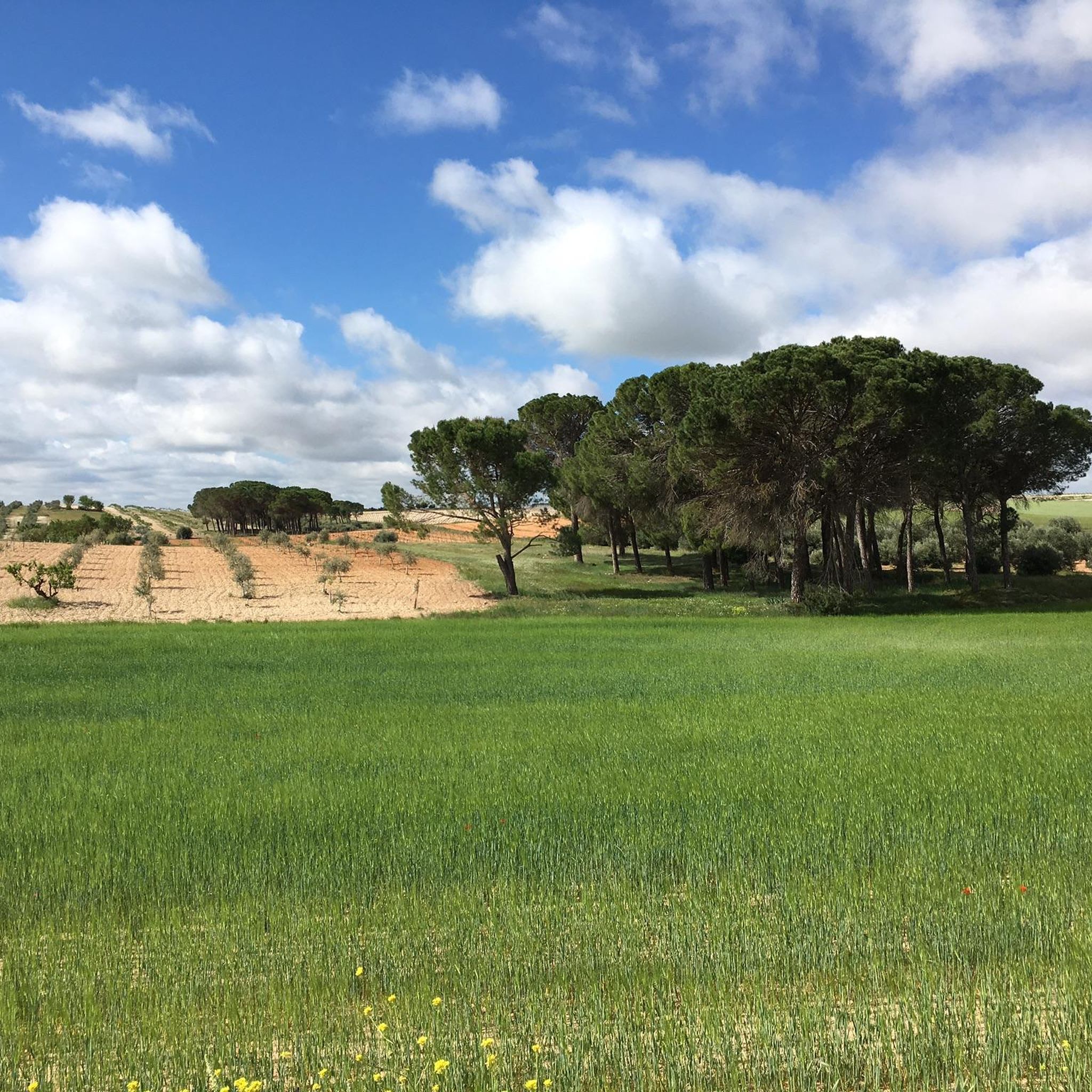
One of the few areas of stone pine (Pinus pinea) in the province of Cuenca and Castilla La Mancha, we also find ruined pine, Kermes oak, Holm oak, rockrose, juniper, combined with orchard areas, sowing, hawthorns, and cueas de mushroom, ideal to discover the manchuela in all its splendor
3
0

Route ideal for hikers to get to know the environment while enjoying peace and tranquility.
8
0
pine forest area and unevenness in the middle of the manchuela Cuenca
2
0
Frequently Asked Questions
What historical and cultural sites can I explore in Villagarcía del Llano?
Villagarcía del Llano offers several significant historical and cultural sites. The most prominent is the Iglesia Parroquial de Santiago Apóstol, an 18th-century church with colonial-style elements. You can also visit the Plaza Mayor, the heart of the town surrounded by emblematic buildings, and the Casa Palacio del Arzobispo Núñez de Haro y Peralta, a 17th-century palace. For local events, the Casa de la Cultura hosts various activities.
Are there any notable religious buildings to visit near Villagarcía del Llano?
Yes, besides the local Iglesia Parroquial de Santiago Apóstol, you can visit the Madrigueras, which features a beautiful baroque church dedicated to Saints San Pedro and San Pablo. Another significant religious site is the Church of Nuestra Señora de la Asunción of Iniesta, constructed in the 15th and 16th centuries with a blend of Gothic and Renaissance architectural elements.
Where can I find natural areas for walking or hiking around Villagarcía del Llano?
For natural exploration, the Pine Forest of La Manchuela is an excellent choice, offering peaceful routes among stone pines, savin junipers, and rockroses. The broader rural environment of La Manchuela also provides extensive cultivated fields and open spaces ideal for hiking and cycling. Additionally, the nearby Serranía de Cuenca Natural Park offers unique geological formations and numerous trails for nature lovers.
What kind of outdoor activities are available near Villagarcía del Llano?
Beyond general walking and hiking, the region around Villagarcía del Llano is great for various outdoor sports. You can find numerous running trails, MTB trails, and road cycling routes. These routes often take you through the scenic rural landscape and past local points of interest.
Are there family-friendly attractions around Villagarcía del Llano?
Yes, several attractions are suitable for families. The Pine Forest of La Manchuela is ideal for family walks and enjoying nature. The settlements of Madrigueras and Iniesta, with their historical sites and charming town centers, also offer pleasant experiences for all ages.
When is the best time to visit Villagarcía del Llano?
The best time to visit Villagarcía del Llano is generally during the spring (April to June) and autumn (September to October) months. During these periods, the weather is typically mild and pleasant, ideal for exploring historical sites and enjoying outdoor activities like hiking in the Pine Forest of La Manchuela. Summer (August) is also popular for local festivals, though temperatures can be higher.
What local festivals or cultural events take place in Villagarcía del Llano?
Villagarcía del Llano is known for its vibrant cultural events. The Fiestas de Verano are celebrated during the first week of August, featuring elaborate floats built by residents and other festivities. In October, the town honors its patron saint with the Fiestas en honor a Nuestra Señora del Rosario, which includes a gunpowder display, a traditional awakening, and a procession with a flag ceremony.
Can I find easy walking routes suitable for all abilities?
The rural environment surrounding Villagarcía del Llano, particularly within the Pine Forest of La Manchuela, offers various routes that are generally accessible and suitable for easy walks. These paths allow visitors to enjoy the peaceful natural surroundings without requiring strenuous effort. Many of the local routes are designed for general exploration of the countryside.
Are there any dog-friendly trails in the Villagarcía del Llano area?
The natural areas and rural paths around Villagarcía del Llano, including the Pine Forest of La Manchuela and the broader countryside, are generally welcoming for walks with dogs. It's always recommended to keep dogs on a leash and ensure you clean up after them to preserve the natural environment for everyone.
What do visitors enjoy most about the attractions around Villagarcía del Llano?
Visitors particularly appreciate the blend of historical architecture and the tranquil natural surroundings. The baroque church in Madrigueras and the peaceful routes in the Pine Forest of La Manchuela are often highlighted. The overall appeal lies in the opportunity to explore cultural heritage while also disconnecting in the serene rural landscape of La Manchuela.
Are there any hidden gems or less-known outdoor spots to discover?
While the Pine Forest of La Manchuela is well-known, exploring the wider 'Manchuela conquense' rural environment can reveal many less-traveled paths and quiet spots. This region, characterized by its extensive cultivated fields and open spaces, offers opportunities for peaceful exploration away from more frequented areas, allowing you to discover your own hidden gems.
Most popular routes around Villagarcía Del Llano

Get inspired with the komoot mobile app


Explore more
Still not found the Highlight you’re looking for? See guides of the top attractions in other regions:
