Attractions and Places To See around Vilanova D'Alcolea - Top 20
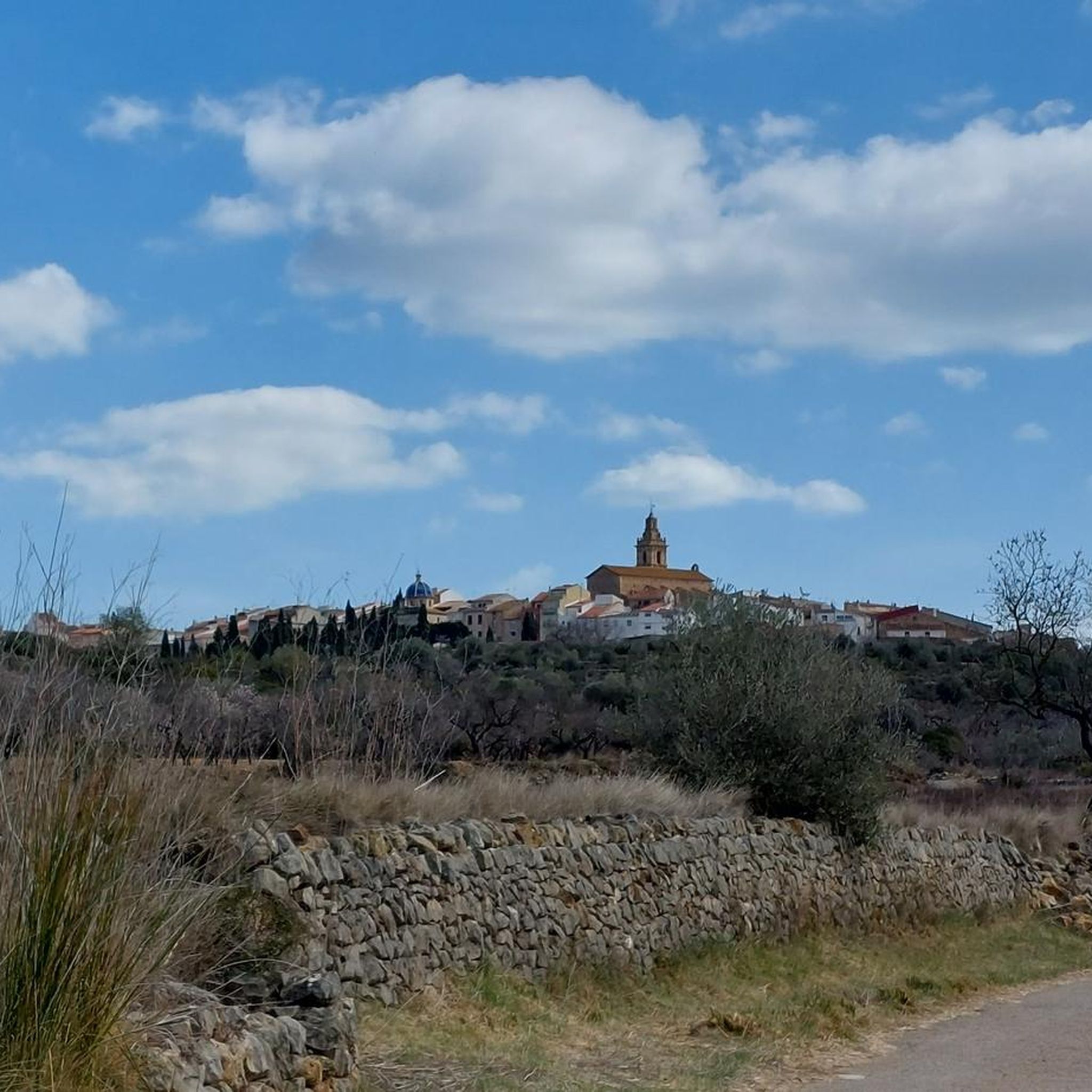
Attractions and places to see around Vilanova D'Alcolea offer a blend of historical sites, natural beauty, and cultural experiences. This town in Castellón features a landscape of almond, olive, and grape groves, situated near the Mediterranean Sea. Visitors can explore ancient Roman routes like the Via Augusta and discover remnants of Moorish walls within the Old Town. The area provides opportunities to engage with both historical landmarks and natural features.
Best attractions and places to see around Vilanova D'Alcolea
- The most popular attractions is Coll de la Bandereta, a mountain pass that offers picturesque views. It is known for its beautiful landscapes and well-maintained asphalt roads.
- Another must-see spot is Puerto de la Serratella, a mountain pass. This demanding route provides comforting views throughout its almost 14 km length.
- Visitors also love Fortified Hermitage of Albalat, a historical site with Gothic elements. This 14th-century hermitage served as the old temple of the Albalat fortress.
- Vilanova D'Alcolea is known for its historical sites, natural springs, and mountain passes. The region offers a variety of attractions to see and explore, from ancient Roman ruins to scenic natural areas.
- The attractions around Vilanova D'Alcolea are appreciated by the komoot community, with more than 70 upvotes and 33 photos shared.
Last updated: May 9, 2026
Arch of Cabanes
Highlight • Historical Site
Translated by Google •
Tip by

Coll de la Bandereta
Highlight • Mountain Pass
Translated by Google •
Tip by

Sign up now to discover places like this
Get recommendations on the best single tracks, peaks, & plenty of other exciting outdoor places.
Sign up for free
Puerto de la Serratella
Highlight (Segment) • Mountain Pass
Translated by Google •
Tip by
Fortified Hermitage of Albalat
Highlight • Historical Site
On August 15th at 11 a.m. it is the only day of the year when a fair is celebrated in this small building.
Translated by Google •
Tip by

Hermitage of Saint Joseph of Quartico
Highlight • Religious Site
Translated by Google •
Tip by
Sign up for free to discover even more attractions around Vilanova D'Alcolea.
Sign up for free
Already have an account?
Start today with a free account
Your next adventure awaits.
Login or Signup

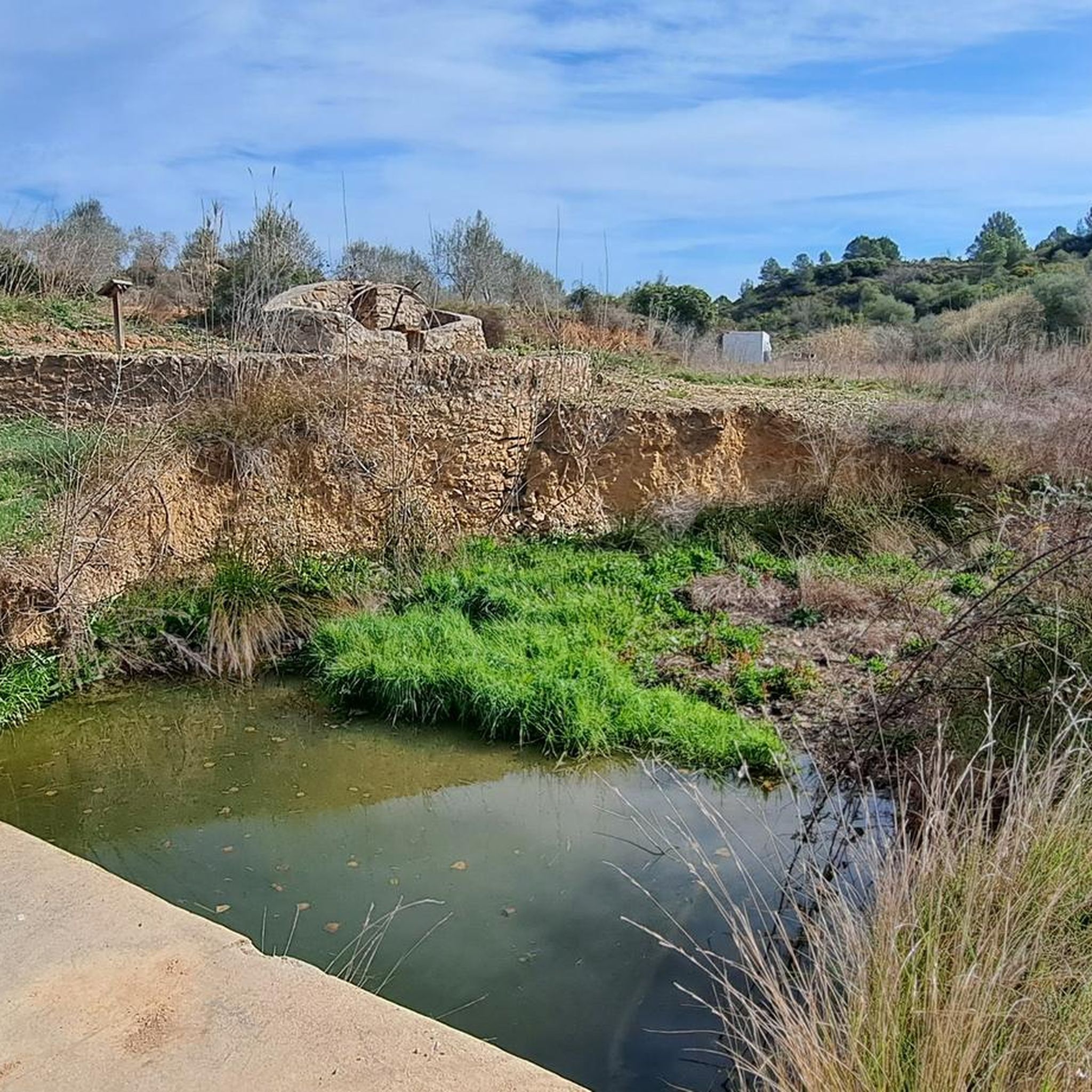
Tips from the Community

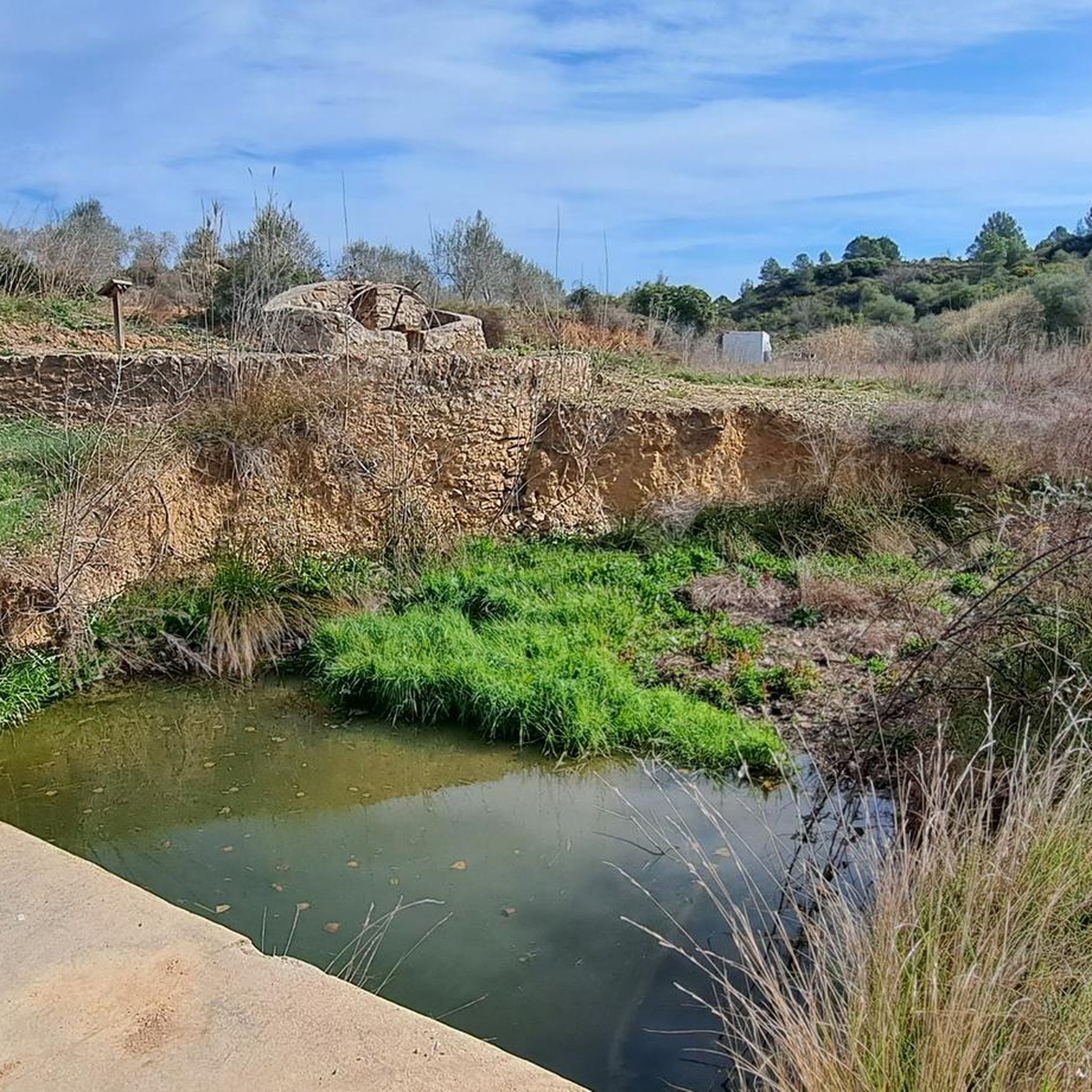
Built in the 14th century at the foot of the Albalat Castle (currently in ruins) so that, in addition to greater comfort for those attending the cult, it also served, like the other towers existing in the same area, as a safe refuge for the people who They were surprised by the frequent raids of the Barbary pirates.
0
0

It is a beautiful and entertaining port, without major complications and with magnificent views. In the first part, we start with gentle slopes, which will be very good for us to "warm up" our legs, since after km. 4 things get a little more serious. The slope will begin to increase, with some loose ramps around 10%, and horseshoes will appear, until we reach the first hill at km. 12. Afterwards, we will have a short break including a short descent to the town of Serratella, and we will only have the final stretch, quite gentle, until we reach the top at 844 m. of altitude. At that point, we can decide whether to go down towards Albocàsser, or have a little "warm up" going up to the hermitage of S. Juan Nepomuceno along a concrete track that goes out to our left for about 500 m. and with 20% ramps, until reaching 920 m. of altitude.
1
0
It is a short but very hard ascent, which will probably surprise us with its hardness. We will begin the climb with an initial section until the intersection of the CV-15 with some hard ramps, we cross the town of Rosildos, surrounding the church to look for the street that takes us to Mas de Cervera, where we will join the “main” road. towards Serra Engarcerán. When we reach a somewhat more wooded area we will find a small break, but let's not trust ourselves, because when we take a curve to the left and the trees disappear, we will find ourselves with the hardest section of the ascent, where the slope reaches 16%. maximum in a section of 500 m. that does not go below 10%. We will finish a little easier, but without a doubt this climb will have pleasantly surprised us.
0
0
Fortified hermitage located in the municipality of Cabanes next to the AP7 and next to the Prat de Cabanes - Torreblanca Natural Park
1
1
It is the only village that Benlloc has, formerly known as "QUARTICO", a term that has been given to it since the 17th century, when the municipal term, due to the use of herbs, was divided into three "Quarts" and a "Quartico". Currently it is also part of the term of Benlloc, where the homonymous village is. It occupies the eastern part of the term, quite far from the urban core, almost 8 km, and separated from it by Subarra. From there there is a spectacular view of the Prat de Cabanes natural area and the sea. It is an area that, due to its physical conditions, has historically only allowed life in isolated centers of one or a few families sheltered in what have come to be called farms. In order to articulate a connected civil society and to make interaction and training possible, a rural school and a calvary were built with a hermitage dedicated to the cult of Saint Joseph, that is to say, a small town lacking political structures. To access it, there is no paved road, but a forest-type track, through which you can make interesting excursions through pine forests and springs.
2
0
Located on the Via Augusta, today Camí dels Romans, the Cabanes Roman Arch was erected in the 2nd century AD. as an honorary-funerary monument, possibly linked to a Roman villa located near the road itself and the monument. The pillars are preserved, on which sits a semicircular arch formed by fourteen voussoirs. It has a height of 5.8 m. although its original height must have been around 7 m. The triumphal arch is missing the entablature and the spandrels, having found ashlars from the arch in the houses of the town. The arch is located 2 km from Cabanes in the direction of Benlloch. Starting from the Cabanes arch, you can follow two routes on foot or by bicycle. The one to the north reaches Vilanova d'Alcolea, in whose town hall a milestone is on display. The one to the south leads us to La Pobla, where there are other milestones. The distance of both routes is about 8 km.
0
0

La Plana Alta has several road ports but this one is undoubtedly among the most picturesque. You can reach it either by road or with some variant by gravel track from many directions.
4
0
One of the most picturesque ports in the Plana Alta. Very beautiful landscapes rolling on asphalt in perfect condition and practically without traffic. It is short but intense and depending on where you attack it from, the slopes will be more abrupt.
3
0
Frequently Asked Questions
What historical sites can I explore in Vilanova D'Alcolea?
Vilanova D'Alcolea is rich in history. You can visit the impressive 17th-century Sant Bertomeu Church, which features a classical façade and an 18th-century Baroque altarpiece. Explore the historic Old Town to see remnants of ancient Moorish walls. Don't miss the Via Augusta, an ancient Roman road, and the Hostalot-Ildum Archaeological Site, which contains remains of a Roman 'mansio'.
Are there any significant religious landmarks in the area?
Yes, the Calvari Hermitage, built between the 17th and 18th centuries, is a notable religious site. It features 14 chapels arranged around a hillside, replicating the Stations of the Cross, and is adorned with 18th-century ceramics. The Sant Bertomeu Church is also a prominent religious landmark.
Where can I find natural springs and picnic spots near Vilanova D'Alcolea?
For natural springs and picnic areas, head to Font del Mas de Calaf. This beautiful countryside spot offers high-quality natural spring water, barbecue facilities, and stone tables under magnificent black poplars, making it an ideal place for a relaxing break. Other attractive natural springs include Barranco de la Fuente Roja, Fuente de la Carrasqueta, and Fuente de la Villa.
What kind of outdoor activities are available around Vilanova D'Alcolea?
The region offers diverse outdoor activities, especially cycling. You can find numerous routes for different disciplines. For example, explore Gravel biking routes around Vilanova D'Alcolea, tackle MTB Trails, or enjoy scenic Road Cycling Routes. The surrounding natural landscapes are also perfect for hiking.
Are there any ancient Roman structures or roads I can visit?
Absolutely. Vilanova D'Alcolea is home to sections of the ancient Via Augusta, a Roman road that once connected Gades (Cadiz) with Rome. You can also visit the Hostalot-Ildum Archaeological Site, which contains the remains of a Roman 'mansio'. Further afield, the Arch of Cabanes, a Roman arch dating between the 2nd and 3rd centuries AD, is also located on the Via Augusta.
What are some notable viewpoints or mountain passes in the area?
The region features several picturesque mountain passes offering great views. Coll de la Bandereta is known for its beautiful landscapes and well-maintained asphalt roads. Another demanding but rewarding route is Puerto de la Serratella, which provides comforting views throughout its almost 14 km length.
What is the Assut Countryside Spot and why is it significant?
The Assut Countryside Spot, located near the Via Augusta and Ildum, is characterized by large poplars and white elms. Its name refers to a type of water barrier that created an accumulation of water. The area, including a stretch of the Vilanova River, was declared a Wildlife Reserve in 2015 due to the presence of unique European amphibian species. The 'Xop de l'Assut' (poplar of Assut) is also recognized as a Monumental Tree.
Are there any historical monuments related to more recent history?
Yes, you can visit the Creu del Francés (French Cross). This emblematic monument is related to the War of Independence with the French and was erected in memory of Antonio Cherta, who was killed there in 1810. It also serves as a starting point for routes into the Sierra de Irta.
What is the best time to visit Vilanova D'Alcolea for cultural experiences?
To experience the local culture, consider visiting in January for the lively Sant Antoni Festival. This event includes the 'Hoguera de los Mayorales' (bonfire), the 'Matxà' where locals jump over fires, a procession, and the distribution of traditional San Antonio sweets, offering a glimpse into the town's traditions.
Are there any fortified historical buildings nearby?
Yes, the Fortified Hermitage of Albalat is a significant historical site with Gothic elements. Built in the 14th century, it served as the old temple of the Albalat fortress and was likely fortified against threats from Barbary pirates. It is a unique example of a fortified hermitage in the region.
What kind of landscape can I expect to see around Vilanova D'Alcolea?
Vilanova D'Alcolea offers a beautiful rural, Mediterranean landscape. You'll find narrow streets and a traditional feel within the town, surrounded by spectacular scenery of almond, olive, and vineyard groves. The area is also just ten minutes from the Mediterranean Sea, providing a diverse natural backdrop.
Most popular routes around Vilanova D'Alcolea
Most popular attractions around Vilanova D'Alcolea

Get inspired with the komoot mobile app


Explore more
Still not found the Highlight you’re looking for? See guides of the top attractions in other regions:
