The best road cycling routes around San Pascual
26
riders
5
rides
Road cycling routes around San Pascual traverse a landscape characterized by open plains and rolling hills. The region offers a mix of agricultural areas and rural roads, providing varied terrain for cyclists. Routes often feature gentle ascents and descents, suitable for different skill levels.
Best road cycling routes around San Pascual
- The most popular road cycling route is Muñopedro, Maello y Hernansancho — circular desde Sanchidrián, a 40.3 miles (64.8 km) trail that takes 2 hours 50 minutes to…
Last updated: June 28, 2026
7
riders
64.8km
02:50
620m
620m
Moderate road ride. Good fitness required. Mostly well-paved surfaces and easy to ride.
Moderate road ride. Good fitness required. Mostly well-paved surfaces and easy to ride.

Sign up for free
10
riders
60.9km
02:37
410m
410m
Moderate road ride. Good fitness required. Mostly well-paved surfaces and easy to ride.
6
riders
27.9km
01:19
280m
280m
Easy road ride. Great for any fitness level. Mostly well-paved surfaces and easy to ride.
3
riders
64.9km
02:43
440m
440m
Moderate road ride. Good fitness required. Mostly well-paved surfaces and easy to ride.
Our route recommendations are based on thousands of hikes, rides, and runs completed by other people on komoot.
Start today with a free account
Your next adventure awaits.
Login or Signup
Popular around San Pascual
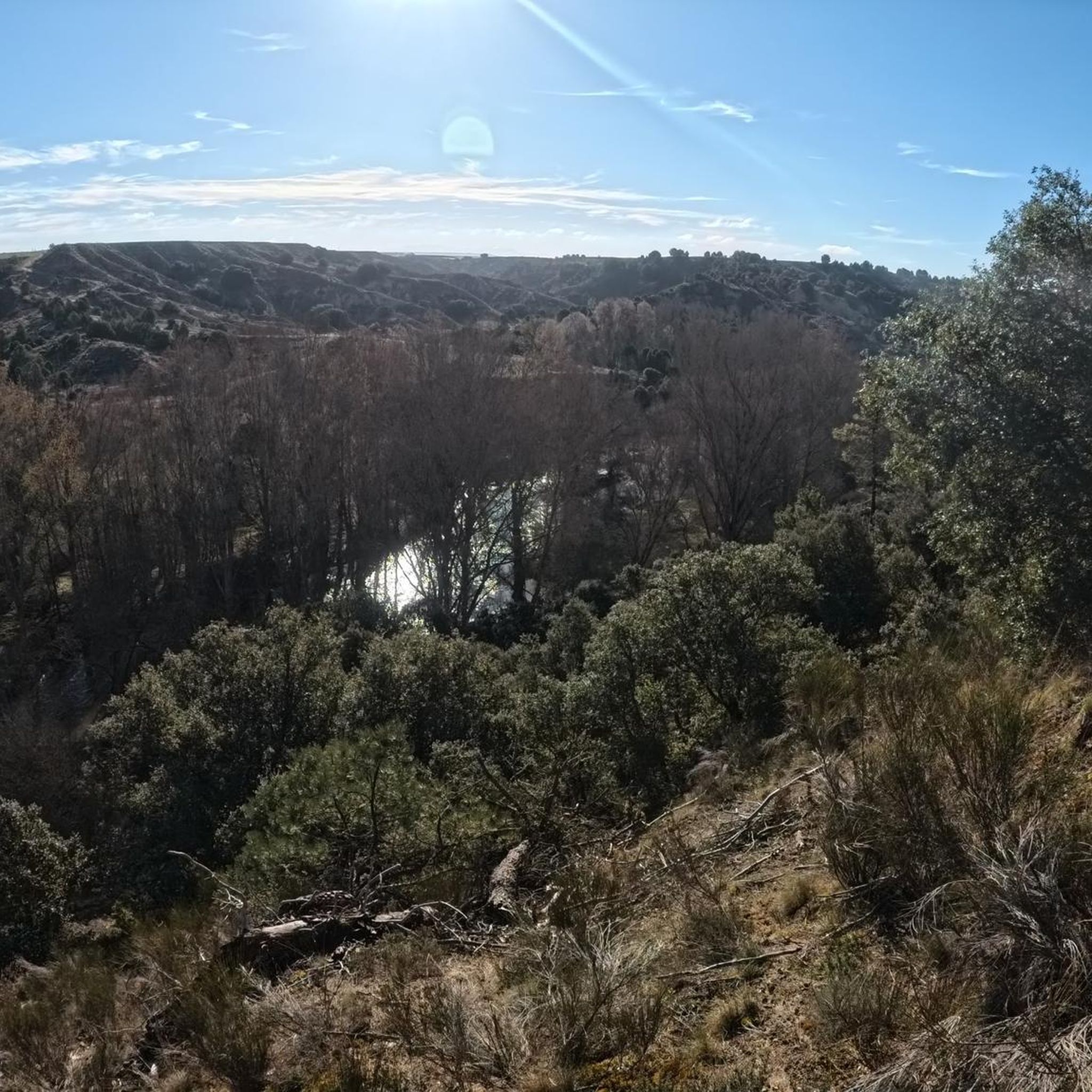
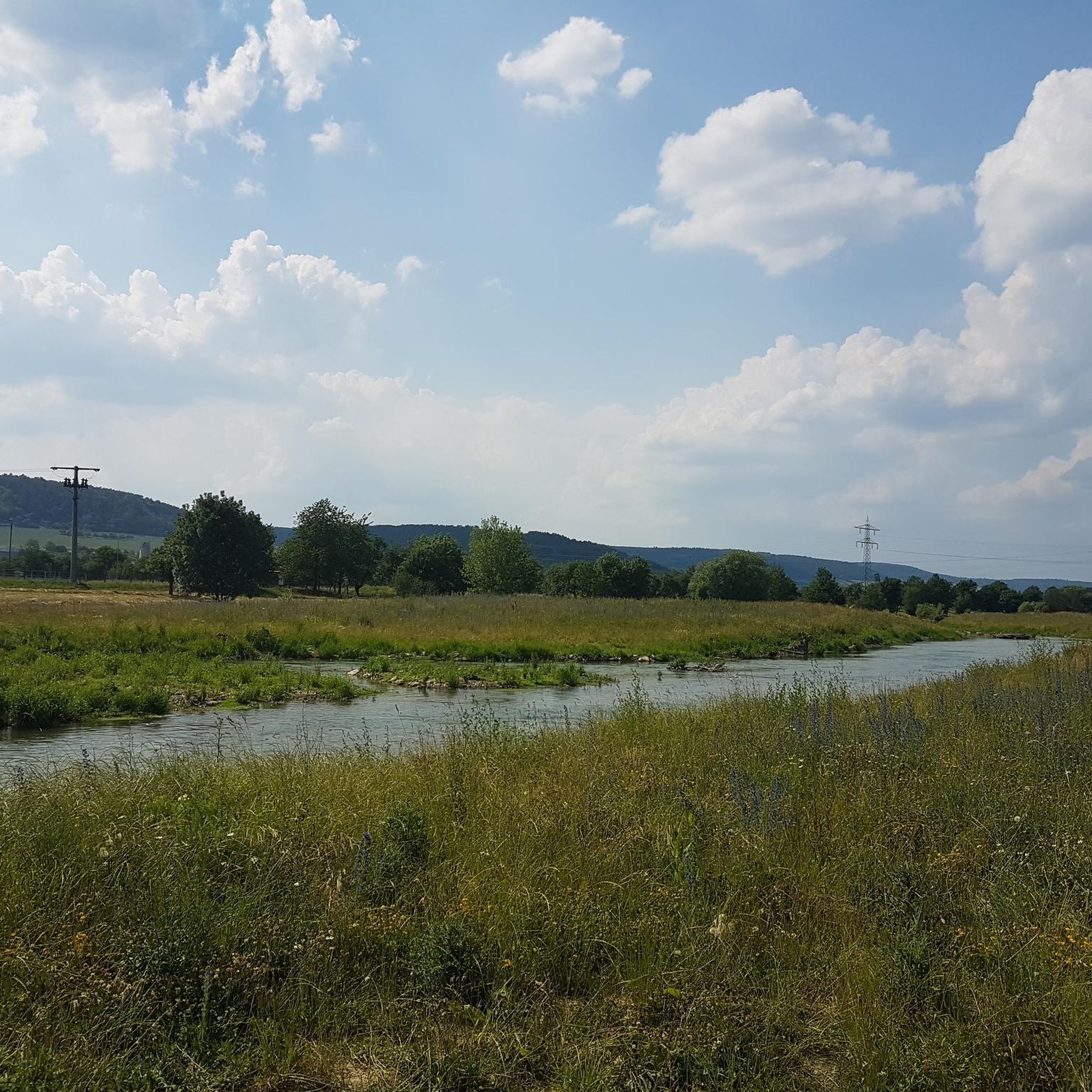
Tips from the Community

The bridge located in Moñibas (Segovia) is a small stone bridge, very characteristic of traditional Castilian rural architecture.
4
0
Narros de Saldueña Castle, also known as the Castle of the Duke of Montellano, is one of the best-preserved fortresses in the province of Ávila. It is located in the town of Narros de Saldueña, within the town limits. Construction: Late 15th century, attributed to Rodrigo de Valderrábanos, Lord of the Saldueña Estate. Expansions: It was renovated and enlarged at the beginning of the 16th century by his successors.
4
0
Arévalo Castle, located in the town of Arévalo (province of Ávila, Castile and León), is one of the most representative examples of Castilian Mudéjar architecture. Its origins date back to the 14th century, although it was built upon earlier fortifications. It was expanded between the 15th and 16th centuries, especially during the reign of the Catholic Monarchs. It played an important role as a noble and military castle, but also as an administrative building. In the 20th century, it fell into near ruin until its restoration, beginning in 1952, by the Ministry of Agriculture, which uses it as the headquarters of a research center.
5
0
Arévalo Castle, located in the town of Arévalo (province of Ávila, Castile and León), is one of the most representative examples of Castilian Mudéjar architecture. Its origins date back to the 14th century, although it was built upon earlier fortifications. It was expanded between the 15th and 16th centuries, especially during the reign of the Catholic Monarchs. It played an important role as a noble and military castle, but also as an administrative building. In the 20th century, it fell into near ruin until it was restored starting in 1952 by the Ministry of Agriculture, which uses it as the headquarters of a research center.
5
0

Castle fortress located at the most extreme part of the triangle formed by the confluence of the Adaja and Arevalillo rivers, which serve as defensive ditches. It was rebuilt in the second half of the 15th century by order of Álvaro de Zúñiga, Duke of Béjar, although it subsequently underwent important reforms at the beginning of the 16th century, when the fortress was in the hands of the Catholic Monarchs. The Castle is worth visiting for its good condition, and it also has a very interesting exhibition.
1
0

In addition to the imposing Castle where Isabel la Católica resided, in the town we have all the services: Shops, restaurants and accommodation.
1
0
Half a century ago, the Avila town of Las Berlanas suffered a catastrophe of hitherto unknown proportions. A flood devastated the municipality and one of its main surroundings, El Burgo, in addition to ending the lives of two people. To commemorate this tragic event, a monument has been erected that remembers the victims and the catastrophe, but also the efforts of the people of Berlin to improve themselves.
3
0
Aveinte, a name with historical roots, has a fascinating legend dating back to ancient times. Many centuries ago, at the dawn of the Middle Ages, there was a small town in what we know today as Aveinte. The inhabitants of this place were simple people, dedicated mainly to agriculture and livestock. They lived in harmony with nature and worshiped the gods of the earth and sky. One day, during a time of drought and scarcity, the locals gathered in the town square to pray for rain and good harvests. The wise old man of the place, known as Adventius, led the ceremony. With his wrinkled hands and deep voice, he spoke words of supplication to heaven. Legend has it that, at that crucial moment, a mysterious figure appeared among the clouds. He was a luminous being, dressed in white robes and silver hair. The villagers were amazed and knelt before this heavenly presence. The being addressed Adventius and spoke to him in an ancient language that only he understood. “For your devotion and the faith of your people, I will grant a blessing,” he said. “From now on, every twenty years, the waters of the river that runs through Aveinte will overflow, fertilizing the land and ensuring abundant harvests.” Thus the name Aveinte was born, which means “advent” or “arrival” in honor of the heavenly visit. Since then, every twenty years, the river overflows and renews the earth, fulfilling the promise of the luminous being. The inhabitants of Aveinte keep this tradition alive and celebrate “Aveinte” with joy and gratitude. The legend has been passed down from generation to generation, and the town's name remains a reminder of its connection to the divine and renewed hope. So, when you walk through the cobblestone streets of Aveinte, remember this story and the magic that surrounds its name. 🌟🏡
2
0
Frequently Asked Questions
How many road cycling routes are available in the San Pascual area?
This guide details 4 road cycling routes around San Pascual, offering a variety of distances and difficulties to suit different preferences.
What kind of terrain can I expect when road cycling in San Pascual?
Road cycling around San Pascual features a diverse landscape of open plains, agricultural fields, and gentle rolling hills. You'll encounter rural roads with varying distances and elevation gains, offering both serene flat sections and some challenging climbs, with views of mountains like Mount Maculot.
Are there any easy road cycling routes for beginners or those seeking a relaxed ride?
Yes, there is an easy route available. The Muñopedro Straights – Bridge loop from Sanchidrián is a 27.9 km trail that leads through open areas, suitable for a more relaxed ride.
What are some options for more challenging or longer road cycling routes?
For those seeking a greater challenge, the Pueblos de la Morana y Castillo del Duque de Montellano — circular desde Arévalo is a moderate 97.9 km path, offering a substantial distance through the region's rural landscapes. Another moderate option is the Muñopedro, Maello y Hernansancho — circular desde Sanchidrián, which covers 64.8 km with over 623 meters of elevation gain.
Are there any circular road cycling routes in San Pascual?
Yes, several routes are circular. For example, the Muñopedro, Maello y Hernansancho — circular desde Sanchidrián and the Pueblos de la Morana y Castillo del Duque de Montellano — circular desde Arévalo are both popular circular options.
What kind of natural features or scenic viewpoints can I expect along the routes?
The routes offer picturesque landscapes, including vast plains and fields of sugarcane, corn, and cassava. You'll also get glimpses of enchanting mountains, such as Mount Maculot. The region is known for its diverse natural beauty, including coastal vistas and fertile farmlands.
Are there any historical landmarks or attractions to see near the cycling routes?
Yes, the area offers several points of interest. You can find the Castle of Narros de Saldueña, or explore religious buildings like the Church of San Pedro Apóstol and the Church of Our Lady of the Assumption of Muñomer del Peco. These can provide cultural stops during your cycling tour.
What do other road cyclists enjoy most about cycling in San Pascual?
Road cyclists using komoot often praise the varied terrain, which includes open plains, rural roads, and gentle rolling hills. The network offers options for different ability levels, from easy loops to more challenging moderate routes, making it appealing to a wide range of riders.
Is there parking available near the road cycling routes?
While specific parking details for each route are best checked on the individual tour pages, many routes around San Pascual, particularly those starting from towns like Sanchidrián or Arévalo, typically offer local parking options suitable for cyclists.
What is the best time of year for road cycling in San Pascual?
Based on the region's characteristics, the best time for road cycling in San Pascual is generally during the dry season, which typically runs from November to May. This period offers more stable weather conditions, making for more comfortable rides.
Are there any routes that pass by a bridge?
Yes, the Moñibas Bridge loop from Estación de Sanchidrián is a moderate 64.6 km route that includes a bridge, offering a distinct feature along the ride.
Most popular routes around San Pascual
Most popular attractions around San Pascual

Get inspired with the komoot mobile app


Explore more
Browse the best Road cycling routes in other regions.
