The best road cycling routes around Pedro Muñoz
5.0
(1)
58
riders
6
rides
Road cycling routes around Pedro Muñoz are situated in the southern Meseta Central of the Iberian Peninsula, characterized by the flat, expansive plains of the La Mancha region. The area features the Záncara River within the Guadiana River Basin and includes the Pedro Muñoz wetland complex with lakes such as La Vega and Manjavacas. These landscapes provide open roads suitable for endurance rides and offer varied natural scenery. The region's terrain is generally flat, with gentle ascents, making it accessible…
Last updated: October 10, 2026
28
riders
52.7km
02:07
160m
160m
This moderate 32.7-mile road cycling route from Pedro Muñoz explores La Mancha, passing iconic windmills and the Záncara River.
3
riders
Moderate road ride. Good fitness required. Mostly well-paved surfaces and easy to ride.

1
riders
145km
05:45
520m
520m
Cycle 90.3 miles through La Mancha's plains, vineyards, and iconic windmills on this difficult route from Argamasilla de Alba.
86.6km
03:17
120m
120m
A moderate 53.8-mile road cycling route from Tomelloso, circling by Las Lagunas de Majavacas and Socuéllamos, with 402 feet of gain.
5.0
(1)
21
riders
53.7km
02:09
220m
220m
Moderate road ride. Good fitness required. Mostly well-paved surfaces and easy to ride.
Our route recommendations are based on thousands of hikes, rides, and runs completed by other people on komoot.
Start today with a free account
Your next adventure awaits.
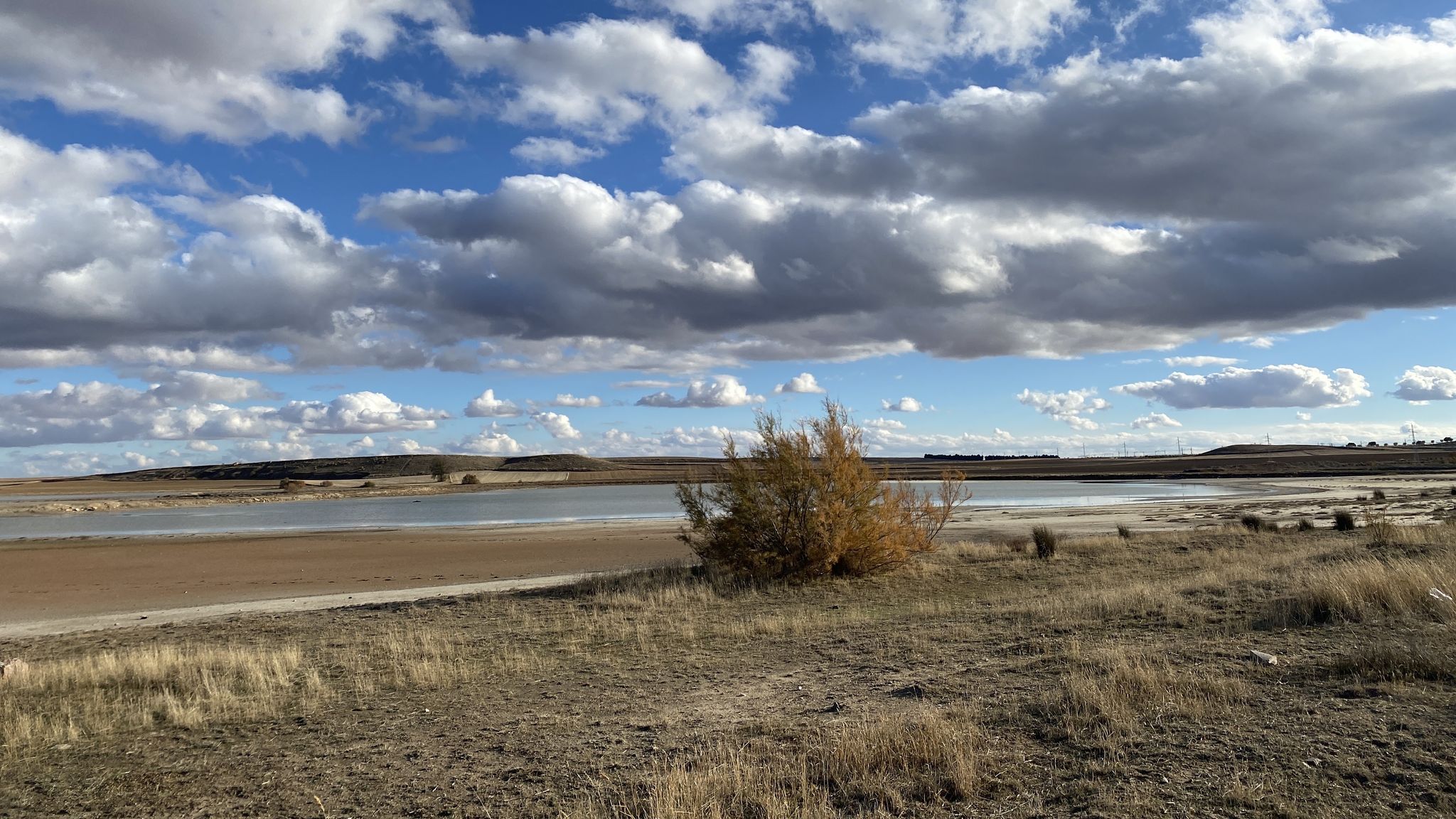
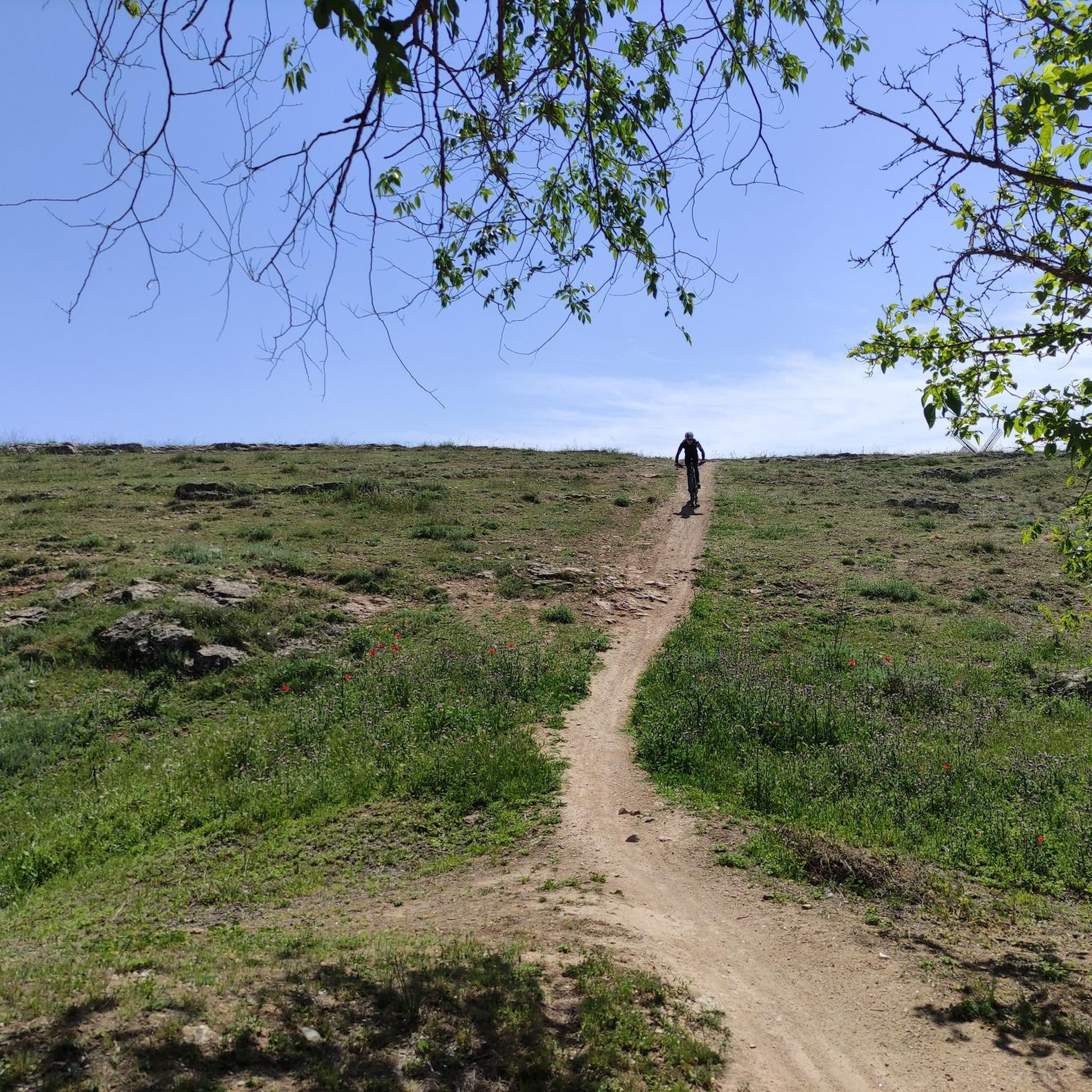
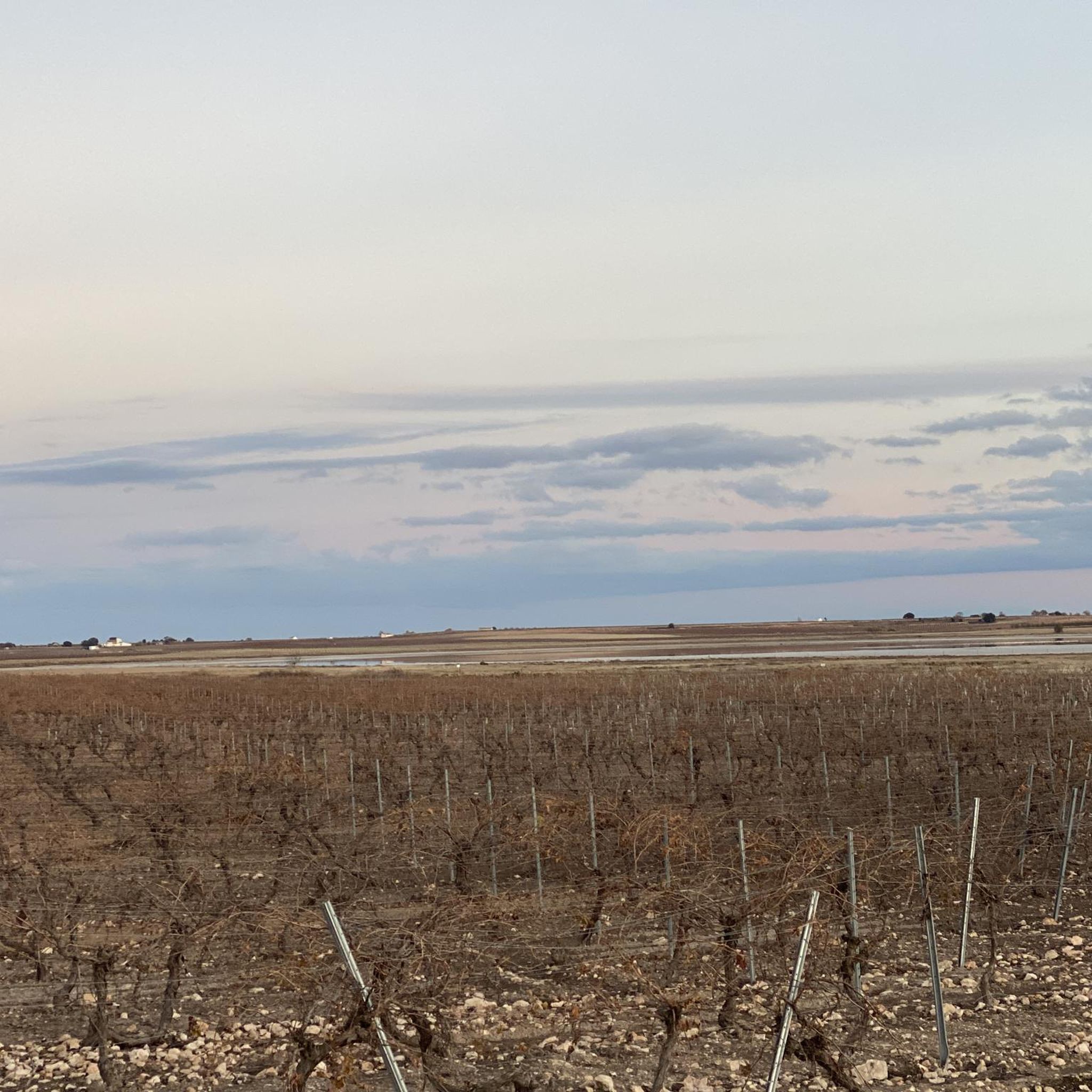
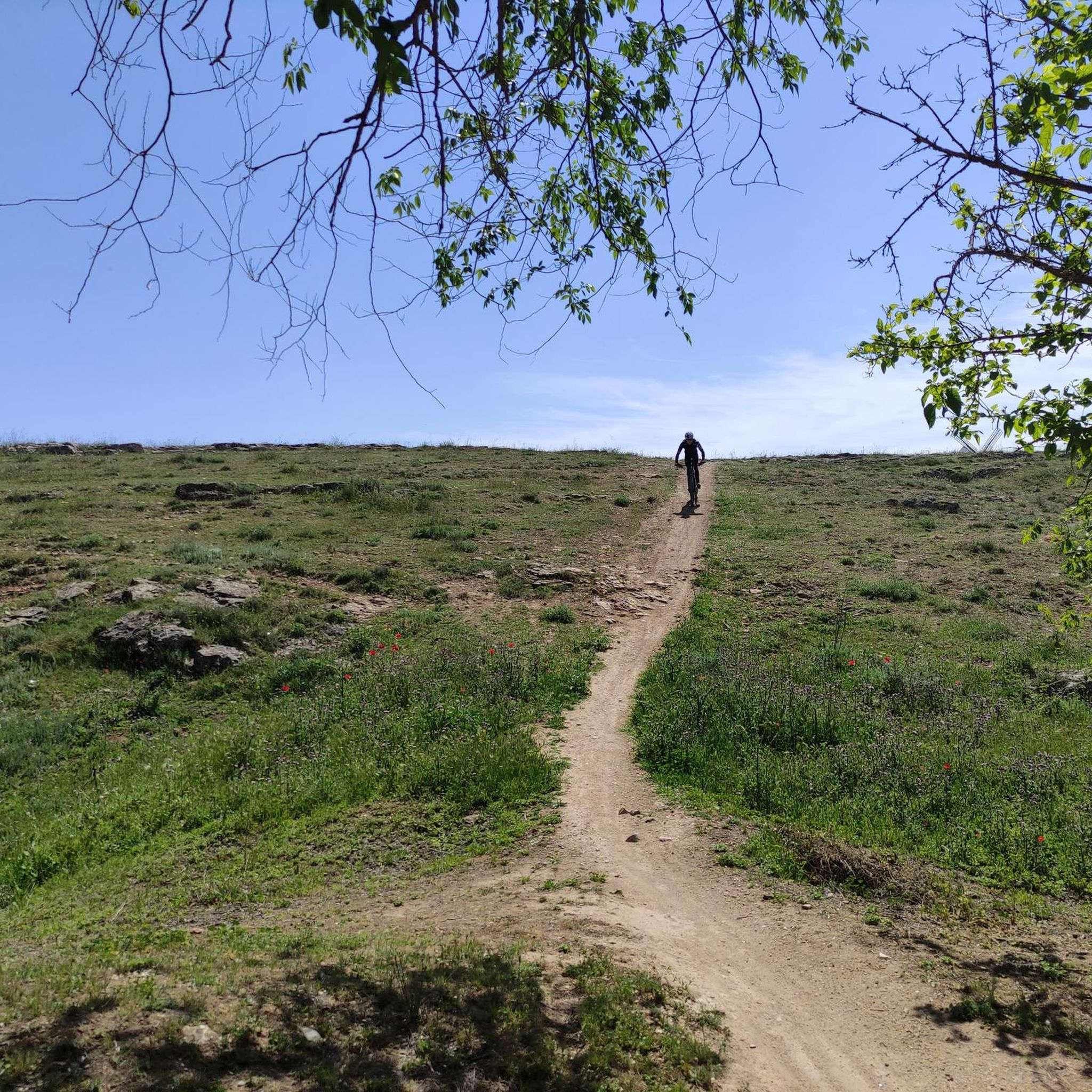

Other adventures around Pedro Muñoz

Tips from the Community

The windmills of San Antón Hill are one of the great symbols of Alcázar de San Juan (Ciudad Real) and an essential part of the Don Quixote Route. They emerged in La Mancha in the mid-16th century as an alternative to the scarcity of watermills, due to the climate and the terrain. San Antón Hill is a Paleozoic elevation located southeast of the town, about 2.5 km from the town center, with spectacular views of the La Mancha plains.
8
0
Quintanar de la Orden is a charming destination in Castilla-La Mancha, full of history and culture. Church of Santiago Apóstol: This late Gothic and Renaissance style temple is one of the most important religious buildings in the town. Its two atriums and robust square tower stand out. Hermitage of Nuestra Señora de la Piedad: A place of great devotion, this hermitage houses the patron saint of Quintanar de la Orden. And much more...
7
0
The municipality is in the region of La Mancha, bordering Cuenca and Toledo, and is known for the Pedro Muñoz-Mota del Cuervo lagoon complex. The old houses made of masonry and mud bricks stand out, such as the Casa de La Paca. Church of San Pedro: Built between the 17th and 18th centuries, with a Latin cross plan and a barrel vault.
8
0

The hermitage was built in the 20th century, after the civil war. It is on one floor and houses the image of San Isidro, the patron saint of farmers. It is located in the so-called Paraje de San Isidro, a pine forest 1 kilometre from the town centre of Campo de Criptana, and can be reached by road or by the comfortable path parallel to the CM-3105 road, which runs from the town to the Sanctuary of Cristo de Villajos. This place is also home to the so-called Gardens of Santa María de la Cabeza.
0
0
If you visit El Toboso, don't miss the Monastery of the Trinitarian Nuns, the Church of San Antonio Abad, the Cervantino Museum and more...
4
0

The hill of the windmills immediately attracts attention, it is one of the hallmarks of La Mancha and an icon that we all link to the adventures of the “illustrious gentleman” who mistook the windmills for giants. The Wetlands Natural Trail enters the town and before reaching the center it turns to the left to visit the Cerro de la Paz, where the famous mills are located. In the 18th century there were 34 windmills, now there are 10 standing and three are original, the rest have been rebuilt or restored during the last century, each with its own name. Now they no longer fulfill the function for which they were built, they are history, legend and evocation, and an extraordinary place to enjoy the sunset on the endless horizon of La Mancha. The route goes down the hill, passes through the hill of the Nuestra Señora de Criptana hermitage and continues along favorable terrain towards the Pedro Muñoz lagoon complex, known as “Don Quixote Wetland”, with two new lagoons frequented by groups of ornithologists to observe birds and end point of the stage.
3
1

This wonderful lagoon located on the outskirts of Pedro Muñoz can be explored following the circular path along its perimeter. In addition, you can observe the birds it hosts from the observatories set up for this purpose. Without a doubt, an experience that you can enjoy as a family.
0
0
The old ones, Sardinero, Burleta and Infante; Sovereigns of time and stories, they have been standing since the 16th century, preserving their original mechanism. The moderns, the Inca Garcilaso, the Cariari, the Vicente Huidobro, the Pilón, the Lagarto, the Culebro and the Poyatos are immense young men from 1900.
10
1
Frequently Asked Questions
How many road cycling routes are available around Pedro Muñoz?
There are 5 road cycling routes around Pedro Muñoz featured in this guide, offering a variety of experiences for different skill levels. These routes showcase the flat plains, wetland complexes, and historical windmills characteristic of the La Mancha region.
What are the typical difficulty levels for road cycling routes in Pedro Muñoz?
The road cycling routes around Pedro Muñoz are primarily moderate, with 4 routes falling into this category. There is also 1 difficult route for those seeking a greater challenge. The terrain is generally flat with gentle ascents, making it accessible for various cycling abilities.
Are there any circular road cycling routes in Pedro Muñoz?
Yes, many of the routes around Pedro Muñoz are designed as loops. For example, you can explore the Campo de Criptana and Pedro Muñoz Loop, or the Tomelloso, Socuéllamos, and Manjavacas Lagoons Loop, which takes you through the region's wetlands.
What kind of terrain can I expect on road cycling routes around Pedro Muñoz?
The routes around Pedro Muñoz are characterized by the flat, expansive plains of the La Mancha region. You'll encounter open roads suitable for endurance rides, alongside scenic stretches through the Pedro Muñoz wetland complex, which includes lakes like La Vega and Manjavacas. The Záncara River and a Roman bridge also contribute to the varied landscape.
What natural attractions can I see along road cycling routes in Pedro Muñoz?
While cycling, you can explore the unique Pedro Muñoz wetland complex, a nature reserve featuring several lakes. Notable natural highlights include Manjavacas Lagoon, Laguna de la Vega, and Laguna de Alcahozo de Pedro Muñoz, which are havens for migratory birds and offer peaceful scenery.
Are there historical or cultural landmarks to visit while cycling in Pedro Muñoz?
Yes, the region offers a rich architectural heritage. You can pass by manor houses, various hermitages, and the Renaissance and Baroque Church of St Peter the Apostle. Iconic landmarks like the Windmills, particularly those associated with Don Quijote, are featured on routes such as the Molinos en Mota del Cuervo — circular por Quintanar de la Orden y Hontanaya. You might also encounter the Statue of Quixote and Dulcinea in El Toboso on some routes.
What do other road cyclists say about the routes in Pedro Muñoz?
The road cycling routes around Pedro Muñoz are highly rated by the komoot community, with an average score of 5.0 stars. Over 40 road cyclists have used komoot to explore the varied terrain, often praising the open roads and scenic views of the wetlands and windmills.
Is Pedro Muñoz suitable for family-friendly road cycling?
While the guide features moderate to difficult routes, the generally flat and expansive plains of La Mancha can be appealing for families seeking less challenging ascents. However, specific family-friendly routes are not highlighted in this selection, so it's best to review individual route details for suitability.
What is the best time of year for road cycling in Pedro Muñoz?
The flat, open landscapes of La Mancha can be enjoyed for much of the year. Spring and autumn generally offer the most pleasant temperatures for cycling. Summers can be hot in this region of Spain, so early morning or late afternoon rides are advisable if cycling during peak summer months.
Are there places to eat or drink along the road cycling routes?
The routes often connect significant towns and villages in the region, such as Pedro Muñoz, Campo de Criptana, Tomelloso, and Socuéllamos. These towns typically offer cafes and restaurants where you can refuel and rest during your ride.
Can I find bike-friendly accommodation in Pedro Muñoz or nearby towns?
While specific bike-friendly accommodation isn't detailed in the guide, towns like Pedro Muñoz, Campo de Criptana, and El Toboso are popular with visitors. It is advisable to check with local hotels and guesthouses directly for amenities like secure bike storage when planning your trip.
How long do road cycling routes in Pedro Muñoz typically take to complete?
The duration of routes varies depending on their distance and your pace. For example, the Campo de Criptana and Pedro Muñoz Loop, at 32.7 miles (52.7 km), typically takes around 2 hours and 7 minutes. Longer routes, like the Tour of La Mancha's Windmill Towns (90.3 miles / 145.3 km), can take over 5 hours.
Most popular attractions around Pedro Muñoz

Get inspired with the komoot mobile app


Explore more
Browse the best Road cycling routes in other regions.
