The best road cycling routes around Canena
5.0
(16)
1,563
riders
25
rides
Road cycling routes around Canena, located in the province of Jaén, Spain, traverse a landscape characterized by diverse topography. The region features undulating hills and varied terrain, offering opportunities for both moderate and challenging ascents. Historical architecture in nearby towns like Baeza and Úbeda provides picturesque backdrops, while rural roads wind through farms and pastures. This area of Andalusia combines natural scenery with cultural exploration, making it suitable for road cyclists seeking varied experiences.
Best road cycling routes around Canena
…Last updated: June 27, 2026
18
riders
45.6km
02:16
710m
710m
Moderate road ride. Good fitness required. Mostly well-paved surfaces and easy to ride.
5
riders
68.4km
03:32
1,240m
1,240m
Hard road ride. Very good fitness required. Mostly well-paved surfaces and easy to ride.

Sign up for free
5.0
(2)
154
riders
80.8km
03:56
930m
930m
Hard road ride. Very good fitness required. Some segments of this route may be unpaved and difficult to ride.
25
riders
54.6km
02:46
890m
890m
Moderate road ride. Good fitness required. Some segments of this route may be unpaved and difficult to ride.
5.0
(1)
18
riders
58.6km
03:00
780m
780m
Moderate road ride. Good fitness required. Some segments of this route may be unpaved and difficult to ride.
Get access to more routes and recommendations from other explorers.
Sign up for free
Already have an account?
Our route recommendations are based on thousands of hikes, rides, and runs completed by other people on komoot.
Start today with a free account
Your next adventure awaits.
Login or Signup

Tips from the Community

Declared a National Monument in 1931, the cathedral stands on the site of an ancient Roman temple, later transformed into a Visigothic structure and then into a mosque after the arrival of the Muslims. In 1227, it became the cathedral seat under the Marian patronage of the Nativity. It acquired its Renaissance character in the 16th century, after more than half of the building collapsed in 1567. Andrés de Vandelvira and other important Andalusian architects imbued the cathedral with the classical style then prevalent in religious art. Until the end of the century, the temple was transformed piecemeal. The main portal was designed in 1587 by Juan Bautista Villalpando, featuring a relief of the Nativity of the Virgin, sculpted by the Jesuit Jerónimo del Prado from Baeza. The Puerta de la Luna (Moon Gate) is one of the oldest elements of the cathedral, with its distinctive 13th-century polylobed arch. Above it stands the 14th-century Gothic rose window, one of the few elements that survived the collapse of the cathedral in 1567. Therefore, the reconstruction was entrusted to Andrés de Vandelvira, who contributed his mastery to give the cathedral the Renaissance richness it boasts today. The combination of Mudéjar, Gothic, and Renaissance styles allows one to observe the passage of time through its walls, telling its story through each of its architectural styles. In addition to visiting the interior of the cathedral, it is highly recommended to climb the tower, from where you will be rewarded with spectacular views of the town and its surrounding countryside.
1
0
This palace is one of the finest examples of the Isabelline Gothic style. Built at the end of the 15th century, its façade, decorated with diamond-pointed motifs and beautiful windows, is particularly noteworthy. Inside, it features a courtyard with two stories of semicircular arches supported by marble columns and an impressive Baroque staircase. It currently houses the International University of Andalusia. It can be visited Monday to Friday from 9:00 a.m. to 2:00 p.m.
1
0
Opposite the Jabalquinto Palace stands the Church of Santa Cruz, one of the few Romanesque churches in all of Andalusia. Built in the 13th century, after the conquest of the Upper Guadalquivir Valley by Ferdinand III, it preserves remnants of 15th and 16th-century frescoes.
1
0

The Pópulo square, also known as Plaza de los Leones (Lions' square), is one of the most emblematic and picturesque corners of Baeza. This square is part of the monumental Renaissance complex that led to the city being declared a UNESCO World Heritage Site in 2003.
6
0

The Castillo de Bedmar, also known as the Castillo Nuevo de Bedmar, is a historic fortress located in the municipality of Bedmar y Garcíez in the province of Jaén, Spain. The castle was originally built in the 15th century by the Order of Santiago and served as a defensive bastion against the invasions of the Nasrid Kingdom of Granada. The castle is located in a strategic location in the Sierra Mágina, which made it an important border fortress during the Middle Ages. It has a rich history of conflict between Christian and Muslim rulers, changing hands several times. Today the castle is in a state of disrepair, but it remains a fascinating example of medieval military architecture.
8
0
Jimena is a small town in the south of the province, on the northern side of the Sierra Mágina, located in a landscape of olive groves, fruit trees, allotments and sierra. The town is particularly known for its figs and brebas. The municipality is divided into two very different areas: there is the mountainous south-eastern area that is part of the Sierra Mágina Natural Park, and the rest of the municipality is agricultural land dedicated to olives.
8
0

It's fun to climb the tower: 196 steps to a beautiful view.
0
0

This square, known as Plaza del Pópulo, houses the Tourist Office, the fountain, and the Jaén gate, attached to part of the old city wall.
16
0
Frequently Asked Questions
How many road cycling routes are available around Canena?
There are nearly 30 road cycling routes around Canena, offering a wide range of experiences. These include 11 moderate routes and 17 challenging options, ensuring there's something for every skill level.
What kind of terrain can I expect on road cycling routes near Canena?
The road cycling routes around Canena feature diverse topography, characterized by undulating hills and varied terrain. You'll find opportunities for both moderate climbs and more challenging ascents, with rural roads winding through farms and pastures.
Are there any easy road cycling routes suitable for beginners around Canena?
Yes, there is at least one easy road cycling route available. While many routes offer moderate to difficult challenges, beginners can find suitable options to enjoy the scenic landscapes at a more relaxed pace.
What historical landmarks can I see along the road cycling routes?
Many routes pass through or near historically rich areas. For instance, the Plaza del Pópulo, Baeza – Baeza Cathedral loop from Baeza takes you through historical urban landscapes, including views of the Baeza Cathedral. Other routes might offer glimpses of castles, such as those in the Sierra Mágina region.
Are there any routes that offer views of natural features or reservoirs?
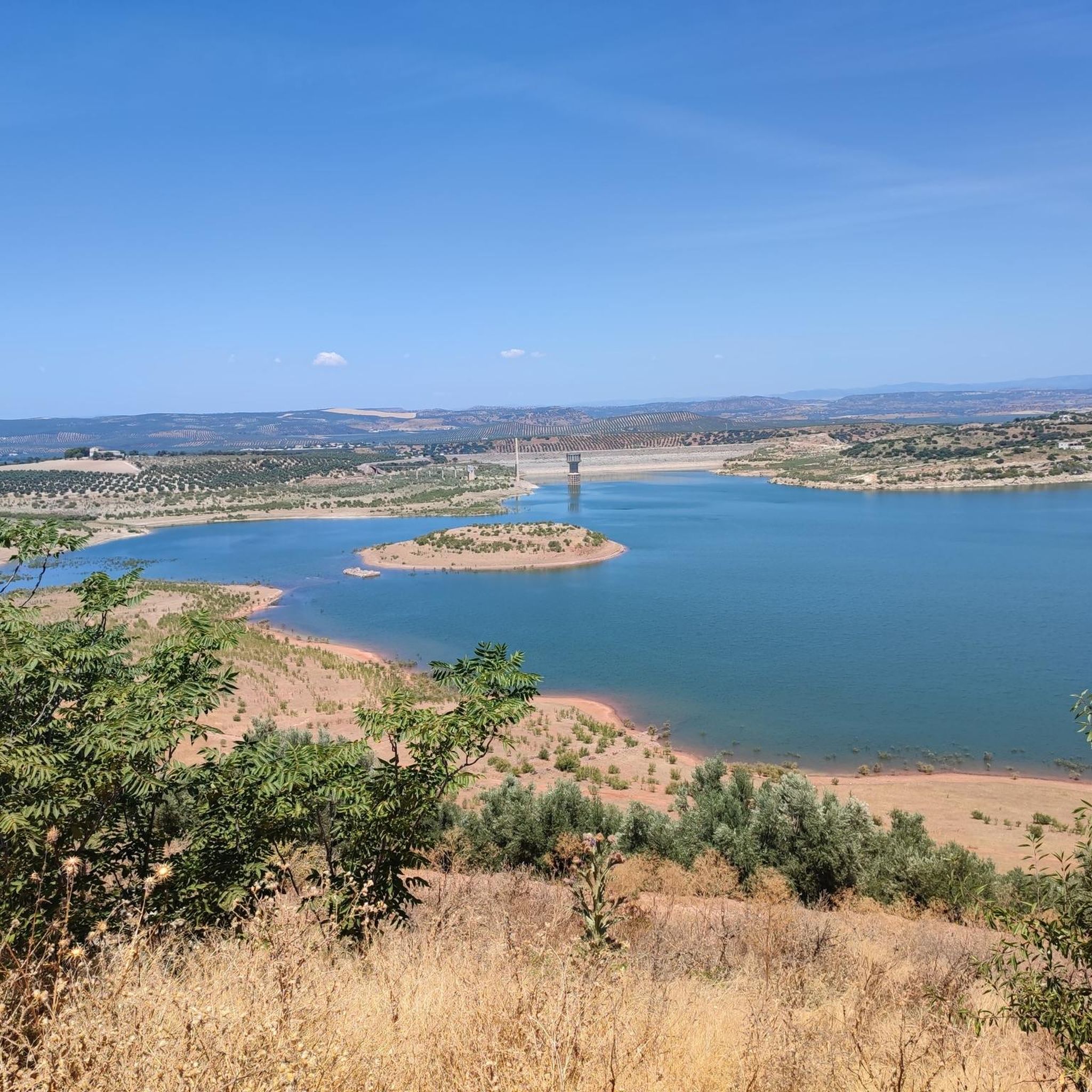
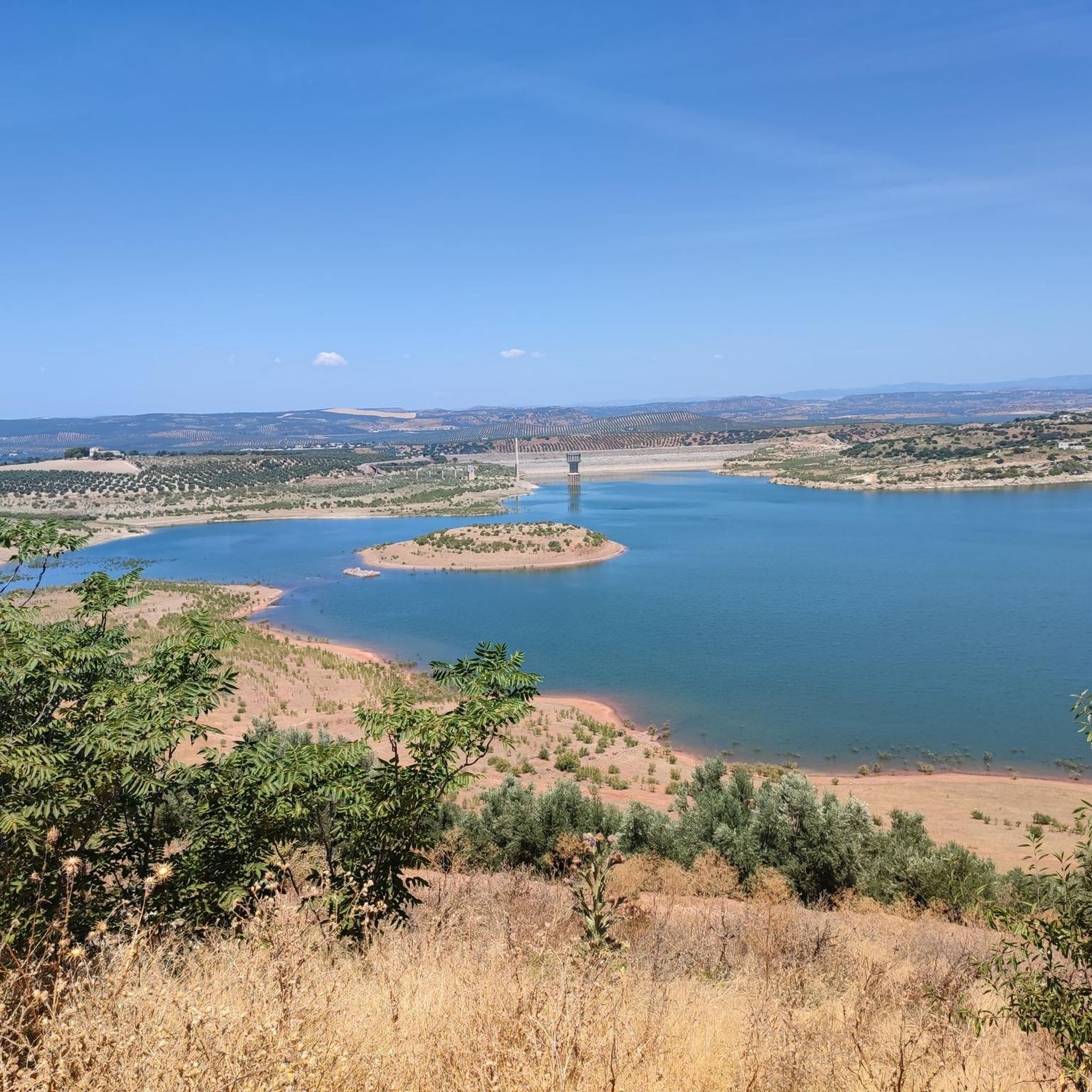
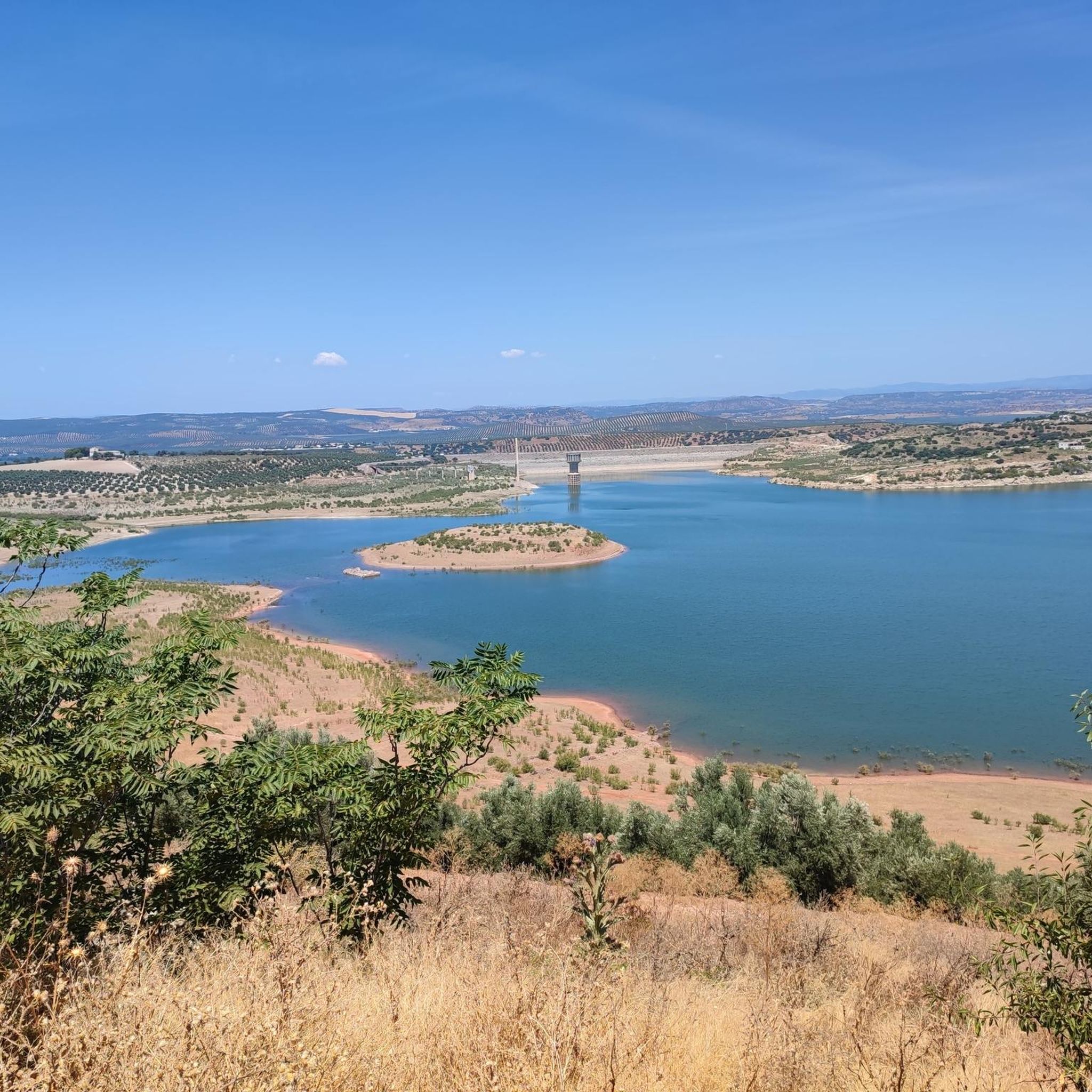
Absolutely. The Castillo de Canena y Embalse del Giribaide — circular desde Baeza route offers picturesque views of the Castillo de Canena and the Giribaide reservoir, providing a blend of historical and natural scenery.
What do other cyclists say about road cycling in Canena?
The road cycling routes around Canena are highly rated by the komoot community, with an average score of 4.8 stars from over 12 reviews. Cyclists often praise the varied terrain, the combination of natural beauty with historical backdrops, and the options available for different ability levels.
Are there any long-distance road cycling routes near Canena?
Yes, for those seeking longer rides, routes like the Monument Navas De Tolosa – Vadollano Roman Bridge loop from Linares-Baeza cover over 100 kilometers, offering significant distances and elevation gains for advanced cyclists.
What is the best season for road cycling in the Canena region?
While specific seasonal data isn't detailed, the Jaén province generally offers pleasant conditions for outdoor activities for much of the year. Spring and autumn typically provide milder temperatures, ideal for road cycling, allowing you to comfortably explore the undulating hills and rural roads.
Can I find circular road cycling routes around Canena?
Yes, many of the routes are designed as loops, allowing you to start and end in the same location. Examples include the popular Castillo de Canena y Embalse del Giribaide — circular desde Baeza and the challenging Baeza and the Castles of Sierra Mágina Loop.
Are there any natural monuments or gardens to explore near the cycling routes?
Yes, the region boasts several natural attractions. You can find highlights such as the Santa Margarita Gardens, the Rock-hewn Oratory of Valdecanales, and the Giribaile Cave Dwellings, which can be explored as part of your cycling adventure or as separate excursions.
What are some challenging road cycling routes for experienced riders?
Experienced riders will appreciate routes like the Baeza and the Castles of Sierra Mágina Loop, which is a difficult 42.5-mile path with significant elevation gain through the Sierra Mágina region. Other challenging options include the Plaza de Toros de Úbeda – Vadollano Roman Bridge loop from Baeza.
Are there opportunities to combine road cycling with cultural exploration?
Definitely. The region around Canena is rich in historical architecture. Many routes pass through or near towns like Baeza and Úbeda, allowing you to combine your ride with visits to sites such as the San Pablo Church in Úbeda or the Ruins of San Francisco.
Most popular attractions around Canena

Get inspired with the komoot mobile app


Explore more
Browse the best Road cycling routes in other regions.
