The best walks and hikes around Almunia De San Juan
4.7
(32)
112
hikers
35
hikes
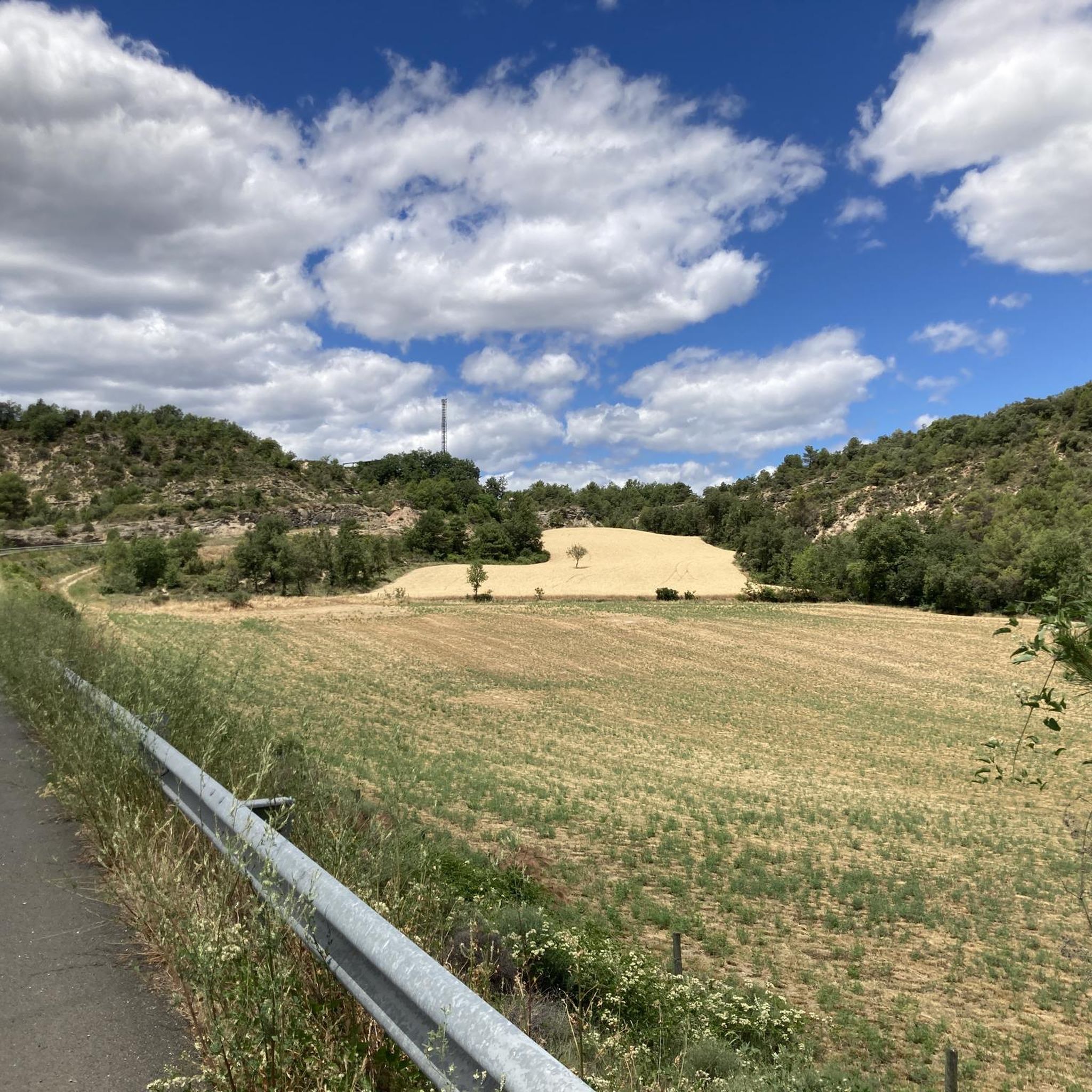
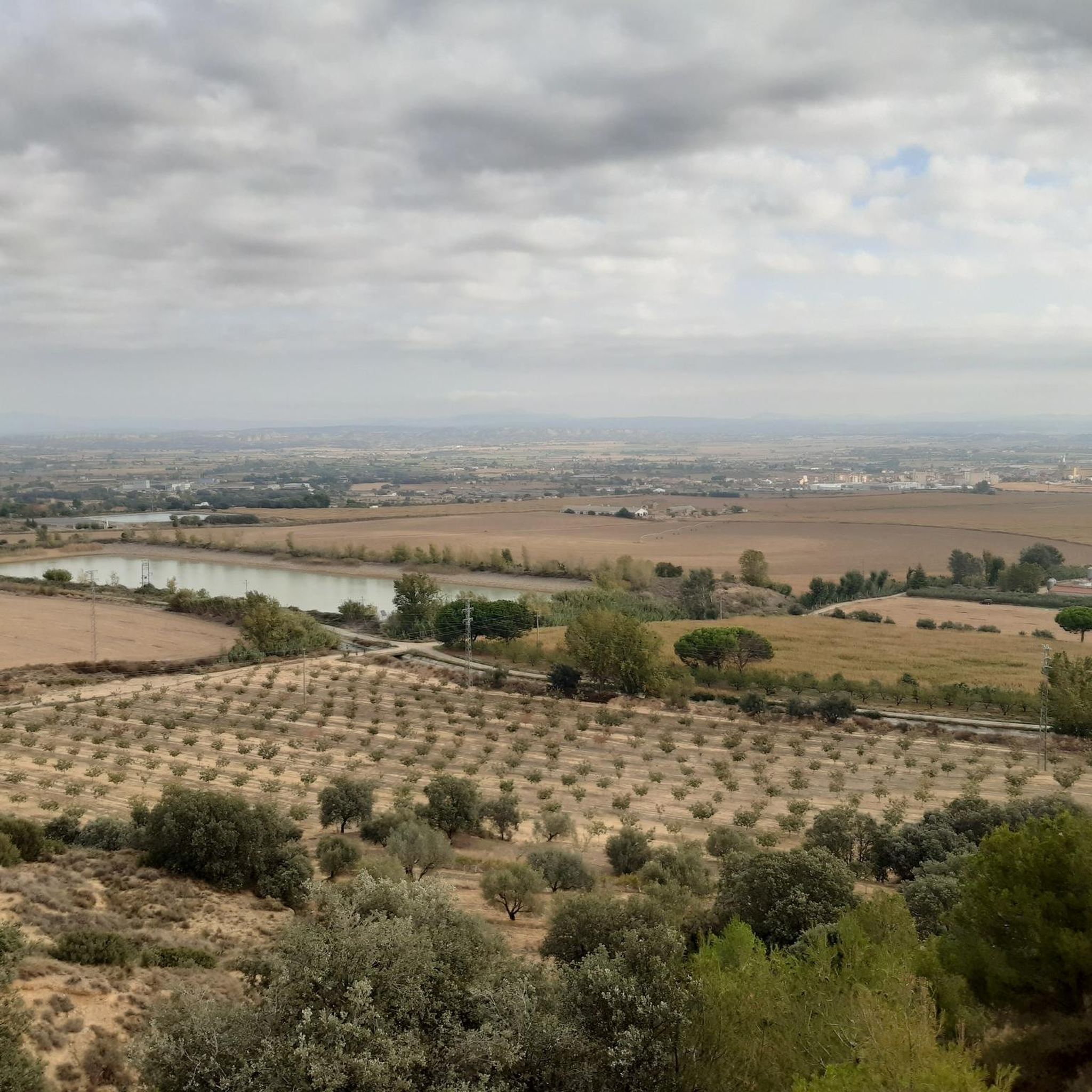
Hiking around Almunia De San Juan features a varied landscape, characterized by cultivated fields, riparian ecosystems along the Cinca and Sosa Rivers, and nearby mountain ranges. The region is notable for its unique geological formations, including the gypsum mounds of Gesa de la Almunia and the Paleozoic terrain of Sierra de Los Vedades. These elements combine to offer diverse hiking experiences across its natural and agricultural settings.
Best hiking trails around Almunia De San Juan
- The most popular hiking route…
Last updated: June 28, 2026
5.0
(1)
16
hikers
16.1km
04:24
250m
250m
Moderate hike. Good fitness required. Easily-accessible paths. Suitable for all skill levels.
5.0
(1)
11
hikers
10.6km
02:48
90m
90m
Moderate hike. Good fitness required. Easily-accessible paths. Suitable for all skill levels.

Sign up for free
5.0
(14)
11
hikers
9.19km
02:31
140m
140m
Moderate hike. Good fitness required. Easily-accessible paths. Suitable for all skill levels.
9
hikers
12.0km
03:13
140m
140m
Moderate hike. Good fitness required. Easily-accessible paths. Suitable for all skill levels.
4
hikers
9.02km
02:27
130m
130m
Moderate hike. Good fitness required. Easily-accessible paths. Suitable for all skill levels.
Get access to more routes and recommendations from other explorers.
Sign up for free
Already have an account?
Our route recommendations are based on thousands of hikes, rides, and runs completed by other people on komoot.
Start today with a free account
Your next adventure awaits.
Login or Signup

Tips from the Community

A historic city and the capital of the Somontano region, Barbastro combines heritage, nature, and a great starting point for mountain biking, gravel, and hiking trails. Highlights include the Gothic-Renaissance Cathedral of the Assumption, the medieval Entremuro neighborhood, and the Diocesan Museum. It's a crossroads to the Pyrenees, the Sierra de Guara, and the vineyards of the Somontano D.O. (D.O.). It's the perfect place to stop for lunch, stock up, or explore its rich history and architecture.
0
0
Founded in the 13th century on the site of an old Visigothic hermitage. Rebuilt several times, the current building combines Renaissance and Baroque elements. For centuries, it was an important center of Marian pilgrimage in Aragon. The monastery was abandoned in the mid-20th century, but in the 1990s, it was restored by the Incarnate Word community, which still lives there. Today, it is a place for retreat, Masses, and spiritual activities.
0
0

Rest area equipped with tables and benches in the shade. In memory of Javier Arias, naturalist from Binéfar.
0
0

The Sanctuary of Nuestra Señora del Pueyo is a 12th century building. Its origin is based on the legend of the appearance of the virgin to the shepherd Balandrán. Its privileged location on a hill served as an outpost for Pedro I of Aragon during the reconquest of Huesca and later Jaime I the Conqueror established a chaplaincy here. From these actions originate the church and the Romanesque cloister, which are later enlarged in the Gothic style.
2
0
Barbastro is the vibrant capital of the Somontano region, known for its wines, olive groves and cereal fields. Its location makes it an important commercial crossroads and its many monuments attest to its importance over the centuries.
2
0

Barely six kilometers from the city of Barbastro, on top of a hill stands the majestic monastery of El Pueyo. The building was built in the 12th century, initially as a Romanesque church, and was later renovated in the Gothic style in the 12th century. In front of the monastery there is a viewpoint with beautiful panoramic views of the Somontano lands.
0
0
The Cathedral of Santa María de la Asunción de Barbastro was built in the 16th century in the Gothic style. Its bell tower is the most distinctive sign of the city's silhouette, but its interior is even more spectacular thanks to its impressive Baroque façade, its star-shaped vault and its large alabaster altarpiece.
0
0
Barbastro is a city in the Aragonese province of Huesca located on the banks of the Vero River. Its most notable construction is the impressive cathedral of Santa María de la Asunción, in the Gothic style. The cathedral's bell tower, possibly built on the base of an ancient minaret, can be seen from anywhere in the city. But do not miss the opportunity to visit it inside, where a beautiful baroque doorway, a star ribbed vault and a grandiose alabaster altarpiece await you.
0
0
Frequently Asked Questions
What types of hiking trails can I expect around Almunia De San Juan?
The hiking trails around Almunia De San Juan offer a varied landscape, characterized by cultivated fields, riparian ecosystems along the Cinca and Sosa Rivers, and unique geological formations like the gypsum mounds of Gesa de la Almunia. You'll find paths that traverse agricultural lands, follow riverbanks, and explore the distinctive terrain of the region.
How many hiking routes are available in the Almunia De San Juan area?
There are nearly 30 hiking routes available around Almunia De San Juan, offering a range of options for different preferences and fitness levels.
Are there easy hiking options suitable for beginners or casual walkers?
Yes, the area offers a good selection of easy trails. Approximately 12 of the routes are classified as easy, making them suitable for beginners or those looking for a relaxed walk.
What are some unique natural features or landmarks I might encounter on the trails?
Hikers can explore the unique gypsum mounds known as the Gesa de la Almunia, a valuable environmental area. Another notable feature is the impressive Sifón del Sosa, an early 20th-century engineering marvel that carries water across the Sosa River and Ribabona ravine. You'll also find trails along the Cinca and Sosa Rivers.
Are there any circular hiking routes available?
Yes, many of the routes around Almunia De San Juan are designed as loops. For example, the Barbastro – Barbastro loop from Barbastro and the Monzón Castle – Co-cathedral loop from Monzón are popular circular options.
What is the typical duration and distance for hikes in this region?
Hiking durations and distances vary. You can find shorter walks, such as the Barbastro – Vineyard View loop from Barbastro which is about 5.7 miles (9.2 km) and takes around 2 hours 30 minutes. Longer routes, like the Barbastro – Barbastro loop from Barbastro, can be up to 10.4 miles (16.7 km) and take around 4 hours 30 minutes.
What do other hikers say about the trails in Almunia De San Juan?
The trails in Almunia De San Juan are highly regarded by the komoot community, with an average rating of 4.4 stars from over 20 reviews. Hikers often appreciate the varied terrain, from cultivated fields to unique geological formations, and the blend of natural beauty with historical structures.
Are there any historical or cultural attractions near the hiking trails?
Yes, the region offers several points of interest. You can find historical sites like the Cathedral of Our Lady of the Assumption in Barbastro or the Sanctuary of La Carrodilla. The town of Barbastro itself is also a significant nearby attraction.
When is the best time of year to go hiking in Almunia De San Juan?
Given its position between the Pyrenees and the Ebro Valley, the area generally experiences mild conditions. Spring and autumn are often ideal for hiking, offering pleasant temperatures and vibrant landscapes. Summer can be warm, while winter provides a different, often quieter, experience.
Are there any less crowded hiking options for a more peaceful experience?
While specific crowd levels can vary, exploring routes slightly off the main popular paths or visiting during weekdays or off-peak seasons can offer a more tranquil hiking experience. The Ermita de San Quílez – Javier Arias Picnic Area loop from Binefar might offer a quieter alternative.
Most popular routes around Almunia De San Juan
Most popular attractions around Almunia De San Juan

Get inspired with the komoot mobile app


Explore more
Browse the best Hikes in other regions.
