Attractions and Places To See around Merindad De Valdivielso - Top 20
Best attractions and places to see around Merindad De Valdivielso include a diverse landscape shaped by the Ebro river and the Cantabrian mountains. This region in Burgos, Spain, features a rich tapestry of historical landmarks, such as fortified buildings and Romanesque churches, alongside significant natural features like deep gorges and mountain passes. The area offers a blend of architectural heritage and varied flora, providing numerous points of interest for exploration.
Best attractions and places to see around Merindad De Valdivielso
- The most popular attractions is Villarcayo, a settlement that features an old railway station with heritage from the Santander-Mediterranean line. This town is also the capital of Las Merindades Burgos.
- Another must-see spot is Trespaderne, a trail that includes a medieval bridge over the Nela river and a well-conditioned section of the Santander-Mediterranean Natural Trail. Visitors can expect a scenic route, part of one of Spain's Via Verdes.
- Visitors also love Poza de la Sal Salt Flats and Old Railway Station, a historical site. This medieval town is known for its salt flats, an example of industrial architecture exploited since the Iron Age.
- Merindad De Valdivielso is known for its historical sites, natural gorges, and ancient churches. The region offers a variety of attractions to see and explore, from fortified towers to river landscapes.
- The attractions around Merindad De Valdivielso are appreciated by the komoot community, with 16 upvotes and 10 photos shared by visitors.
Last updated: August 30, 2026
Villarcayo
Highlight • Settlement
97 kilometers. 1,370 positive meters.
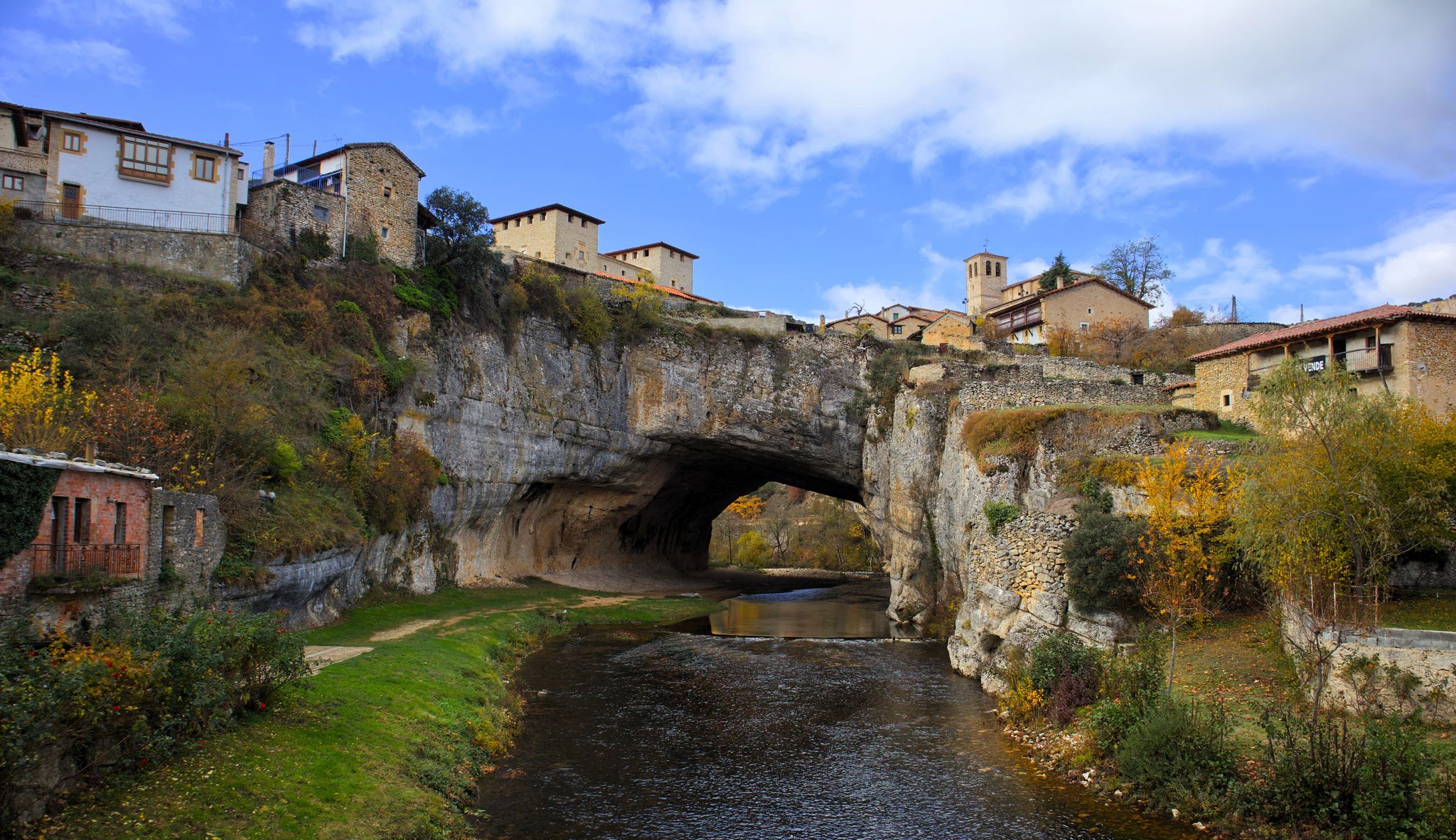
In the old Villarcayo-Horna station there are many remains and curiosities of the railway heritage of the old Santander-Mediterranean line. An old machine parked next to the track, the water tanks, the platforms, the point changes and the buildings attached to the railway service dismantled in 1985. The Natural Trail continues through Cigüenza, with a new bridge over the Nela, and continues through a fantastic valley crossing the meanders of the Nela through Tubilla, Escanduso and Escaño to the curious railway station of Brizuela , which preserves some rails, the railway building and a pleasant grass “pavement” between the platforms. Puentedey is another attractive stop to go down to the bed of the Nela and see the impressive natural tunnel that the river bed has carved under the town. The old train track also passes through another tunnel under the town and continues through the spectacular canyon that the Nela River has carved at the foot of the Muelas de Dulla. In Quitanabaldo the track deviates along the Ruta de los Sentidos towards Soncillo to complete the stage following the Ebro Natural Path but still has to travel one of the emblematic sections of the Santander-Mediterranean Natural Path to the Tunnel of Engaña. At the Nela bridge, the Cidad Dosante detour leaves to the left, the main route crosses the imposing bridge, passes through the Pedrosa de Valdeporres station and goes up to the entrance of the Engaña Tunnel. The area is a forest jungle of birch, oak, beech, maple, hazel and bushes of all kinds in a place steeped in history. The construction of the tunnel in the bowels of the Cantabrian Mountains was essential to complete the railway line; it took 17 years and hundreds of workers, most of them political prisoners, to drill the seven kilometers of gallery between Burgos and Cantabria, a work that had never been It was used for the passage of trains, however it was used for several decades to exchange goods between the two slopes of the mountain range by private vehicles, until landslides in the interior complicated transit and it was permanently closed.
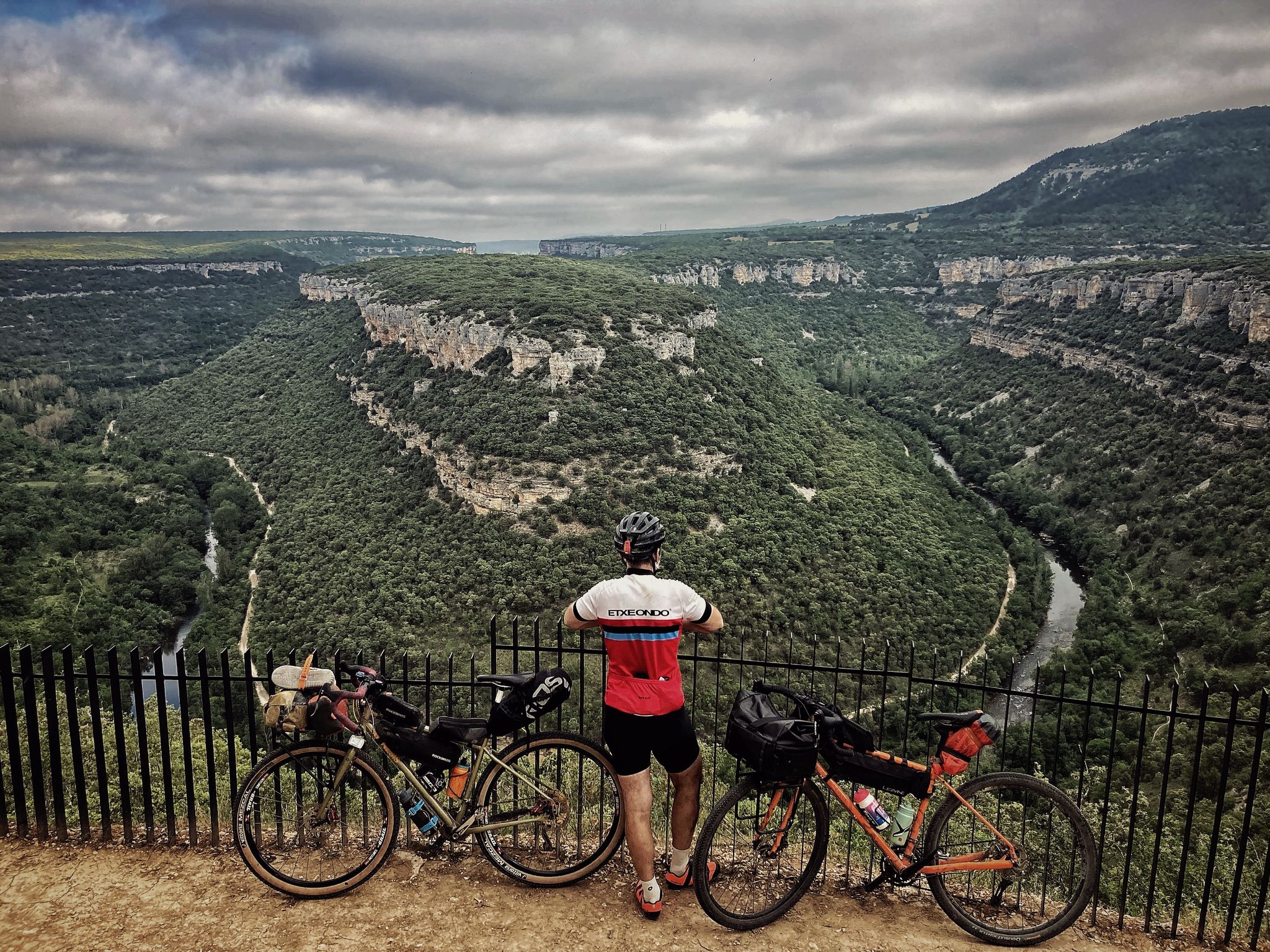
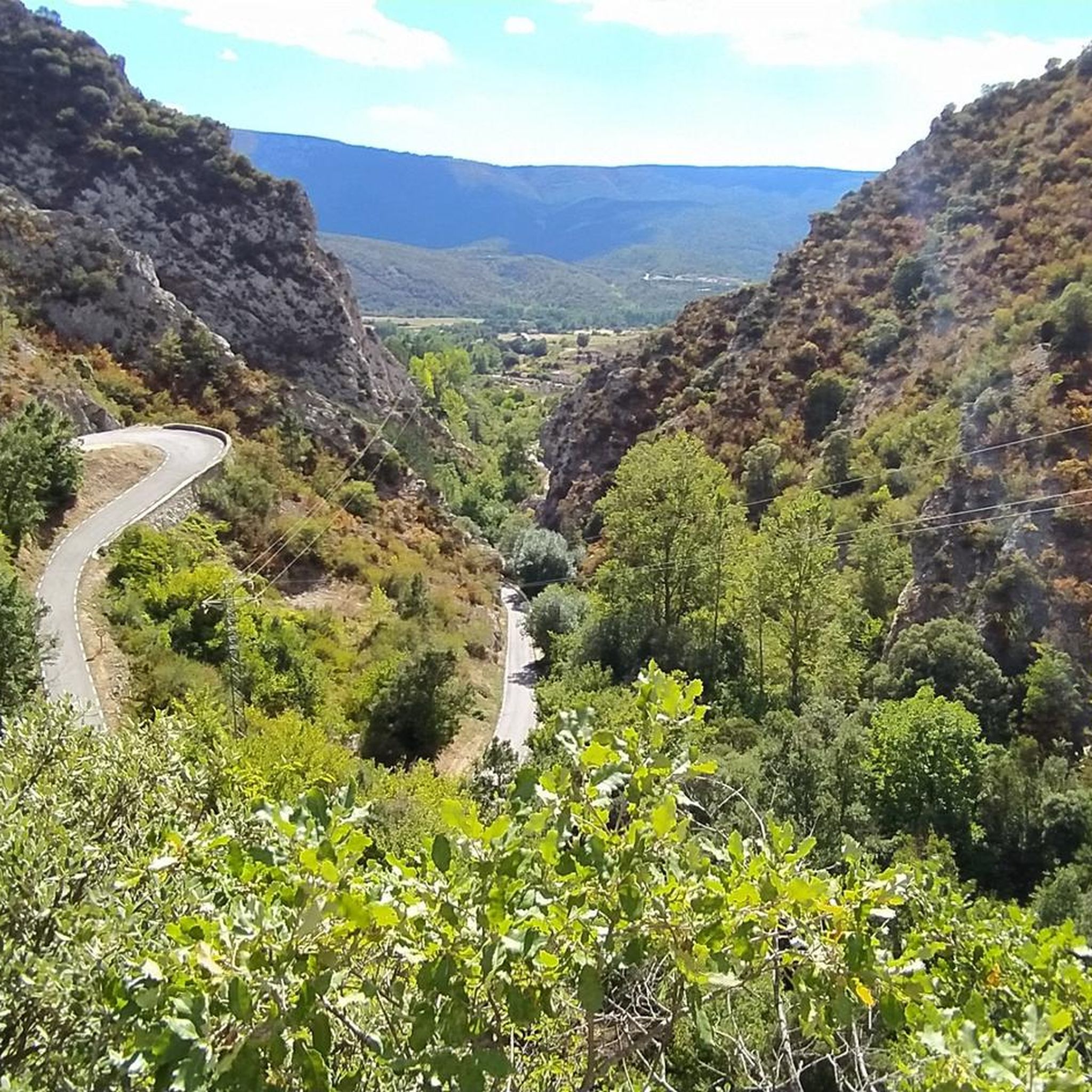
The traveling cycle route returns along the same path to Quintanabaldo and deviates from the Santander-Mediterranean Natural Path along the Route of the Senses GR-85. From this point on, the technical level for gravel bikes increases, there are sections with uneven surfaces, high slopes, narrow paths and several points in the Ebro canyon where it is necessary to load the bike to overcome some walkways. In reality, everything is cyclable except for the walkways, which are easy to navigate in a few minutes on foot, and it is worth it to travel a fantastic stretch of the Ebro Natural Trail through the Manzanedo and Valdivieso valleys. The GR-85 goes up from Quintabaldo along a fairly steep track to the town of Villabáscones de Bezana, a gem of popular architecture hidden in the Pisas beech forest. In the town you have to continue along the road to Soncillo, a good place to regain strength after the climb from the Nela valley. The gravel trip continues along the Alto de la Hoya road and begins an enjoyable descent through the towns of the Trifón River valley, all asphalt, without traffic, between mountains sculpted by a capricious and suggestive nature. In Lándraves there are signs of the Palancas Gorge, one of the natural wonders of the area. The Route of the Senses passes through the canyon but on gravel it is not recommended. The descent continues through Cueva de Manzanedo and finally reaches the bank of the Ebro in Manzanedo, connecting with the Ebro Natural Trail. The route changes banks and continues for about ten kilometers along technical and entertaining trails surrounding livestock meadows and private farms. Cyclability is one hundred percent with patience and skill on this type of narrow and bumpy paths, a complication can be mud during times of heavy rain. The alternative would be to continue along the road to Incinillas and then along the N-232 to Puente del Aire.
Translated by Google •
Tip by

Trespaderne
Highlight • Trail
74.5 kilometers. 480 positive meters.
The third day of the gravel adventure has little description and no possibility of confusion, it follows the same section of the Santander-Mediterranean Natural Trail as the first stage to the city of Burgos. The Trespaderne exit passes again over the medieval bridge and connects with the railway line at the old station, equipped with benches and a recreation area. Now there are 350 meters of positive slope to the Peñahorada pass, but you barely notice it, the surface is magnificent and the kilometers fly by. The natural fantasies of the Ebro and Oca canyons end in Oña, gateway to La Bureba and its peaceful villages nestled between hills of saline marl and primitive volcanic materials, giving the landscape a particular atmosphere of shapes, reliefs, colors and textures in the Homino River plain.
The Poza de la Sal detour is highly recommended, it is close to the old railway station, it would be unforgivable to pass through the door and not stop to see this medieval town declared a Historical-Artistic Site in 1982, which was also the birthplace of the naturalist Félix Rodríguez de the fountain. The salt flats are an extraordinary set of industrial architecture at the foot of the Páramo de Masa with notable geological, ethnographic, historical and cultural interest. They have been exploited since the Iron Age until recent times. And a walk through the historic center is also essential, an interesting example of popular architecture and medieval streets staggered around the castle hill, with remains of the original wall and several doors that gave access to the interior of the town, the best known. and monumental is the Arco de la Concepción or Puerta del Conjuradero, between Plaza Nueva and Plaza Vieja.
Translated by Google •
Tip by
Sign up now to discover places like this
Get recommendations on the best single tracks, peaks, & plenty of other exciting outdoor places.
Sign up for free
Poza de la Sal Salt Flats and Old Railway Station
Highlight • Historical Site
74.5 kilometers. 480 positive meters.
The third day of the gravel adventure has little description and no possibility of confusion, it follows the same section of the Santander-Mediterranean Natural Trail as the first stage to the city of Burgos. The Trespaderne exit passes again over the medieval bridge and connects with the railway line at the old station, equipped with benches and a recreation area. Now there are 350 meters of positive slope to the Peñahorada pass, but you barely notice it, the surface is magnificent and the kilometers fly by. The natural fantasies of the Ebro and Oca canyons end in Oña, gateway to La Bureba and its peaceful villages nestled between hills of saline marl and primitive volcanic materials, giving the landscape a particular atmosphere of shapes, reliefs, colors and textures in the Homino River plain.
The Poza de la Sal detour is highly recommended, it is close to the old railway station, it would be unforgivable to pass through the door and not stop to see this medieval town declared a Historical-Artistic Site in 1982, which was also the birthplace of the naturalist Félix Rodríguez de the fountain. The salt flats are an extraordinary set of industrial architecture at the foot of the Páramo de Masa with notable geological, ethnographic, historical and cultural interest. They have been exploited since the Iron Age until recent times. And a walk through the historic center is also essential, an interesting example of popular architecture and medieval streets staggered around the castle hill, with remains of the original wall and several doors that gave access to the interior of the town, the best known. and monumental is the Arco de la Concepción or Puerta del Conjuradero, between Plaza Nueva and Plaza Vieja.
The trip continues through the Burebana plain to the Peñahorada pass and the tunnels that save the La Serrezuela canyon, entering the path into the peasant plain of the Ubierna valley. The passage through Sotopalacios always brings excitement because the old railway does not cross many towns, it always passes glancingly. In the Villalonquéjar Industrial Park you have to change the outbound route slightly to make it easier to go through the roundabouts and enter the bike lane that leads directly to La Estación without passing through the historic center. The bike path is well indicated outside the street carriageways, it passes over the Arlanzón bridge and continues parallel to the river to the starting point in the gardens of the old North Station, where we end the intense gravel bikepacking trip. of three days in the north of the province of Burgos.
Translated by Google •
Tip by

Oña Historic Center
Highlight • Historical Site
The route passes through another tunnel and leaves the Horadada gorge, in the background is Trespaderne, which is the end of the next day. Now the trip continues along the gravel road to go up the Nela River basin to the foot of the Cantabrian Mountains, passing through the town of Nofuentes and then the old stations of Pradolamata, Moneo, Bustillo and Medina de Pomar appear, the town most populated in Las Merindades with 18 districts and 17 neighborhoods. Medina de Pomar has held the title of city since 1894, it is outside the greenway a couple of kilometers. The Velasco Castle, also called Alcázar de los Condestables, or simply Las Torres, is the building that attracts attention from the Nature Trail. In the historic center there are houses with emblazoned facades, palaces, stone streets, squares with arcades and original doors from the old medieval wall, a good reason to visit the town and learn about the historical and monumental heritage of the region. The railway route continues through the Nela valley, passes through several bridges rebuilt in the last refurbishment of the track and reaches the Villacaryo-Horna station, where we mark the end of the first stage. Access to the center and the picturesque Plaza Mayor is easy via Avelino Alonso de Porres Castro Street. Villarcayo is the capital of Las Merindades Burgos, it has all kinds of services.
Translated by Google •
Tip by
Alcázar of the Constables
Highlight • Castle
Translated by Google •
Tip by

Sign up for free to discover even more attractions around Merindad De Valdivielso.
Sign up for free
Already have an account?
Start today with a free account
Your next adventure awaits.
Login or Signup
Popular around Merindad De Valdivielso
Endless valleys and historic villages – Route of the Senses (GR 85)
A river getaway – Ebro Natural Trail (GR 99)
Spain's great river by bike – the Ebro Nature Trail
Road Cycling Routes around Merindad De Valdivielso
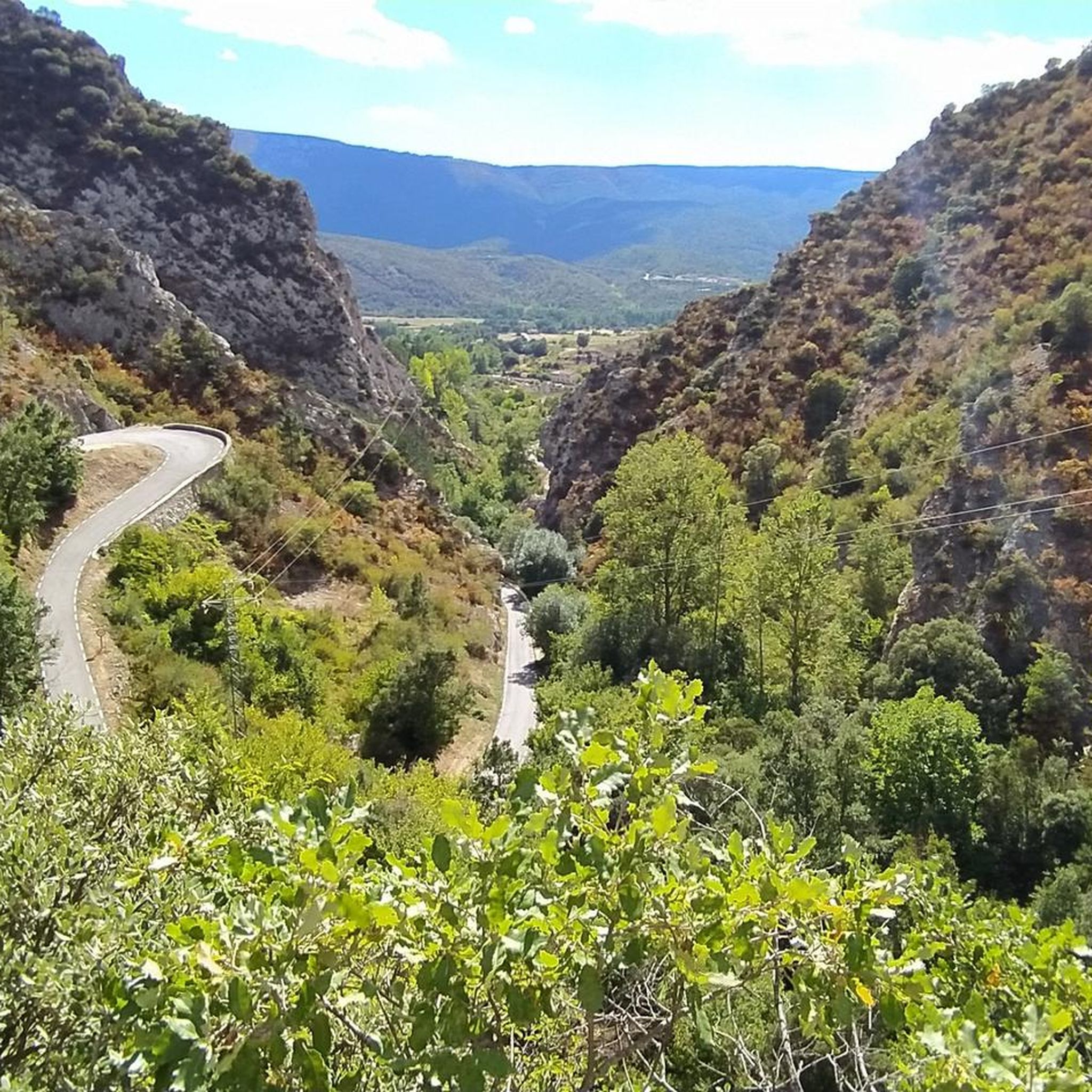
Hiking around Merindad De Valdivielso
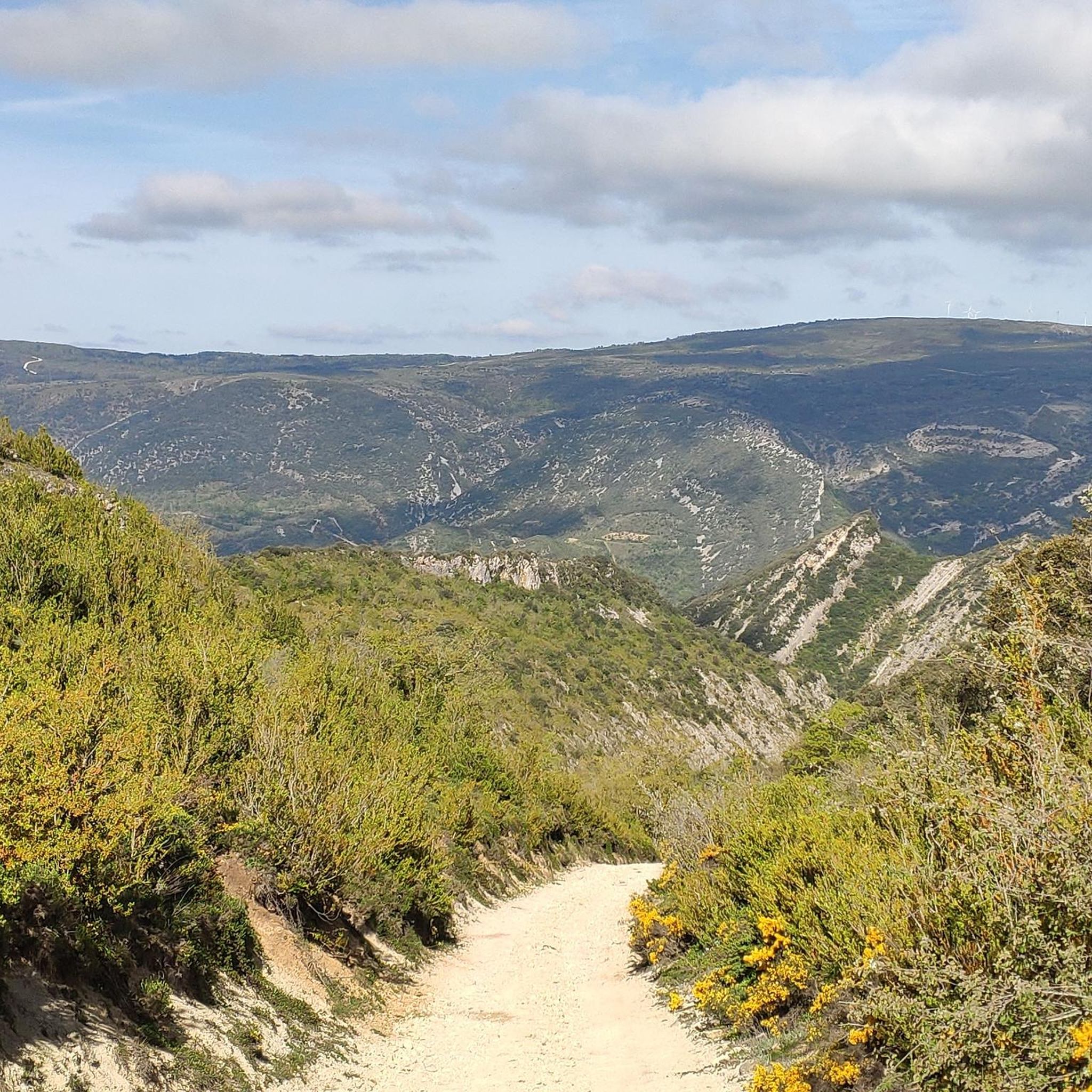
Cycling around Merindad De Valdivielso
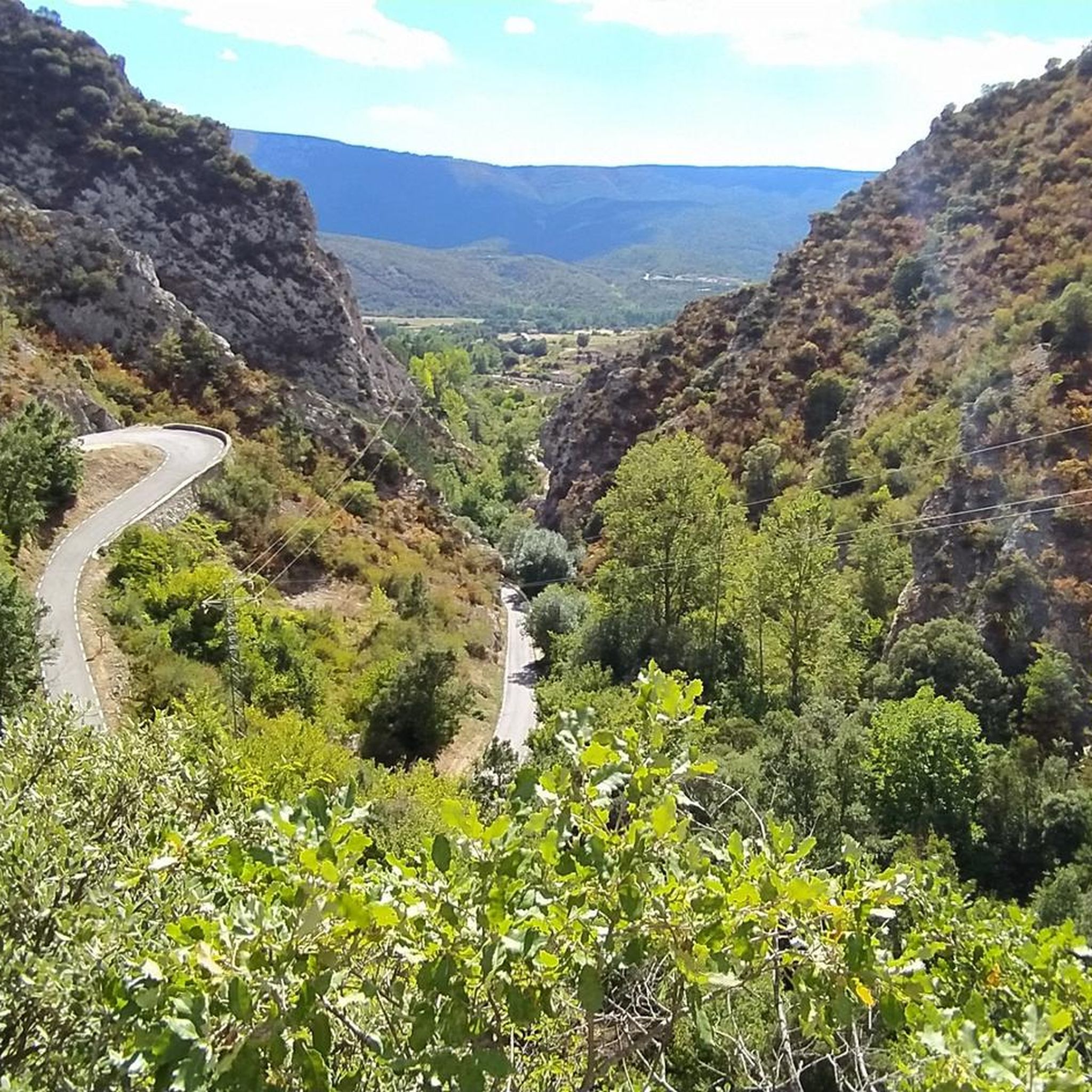
MTB Trails around Merindad De Valdivielso

Gravel biking around Merindad De Valdivielso
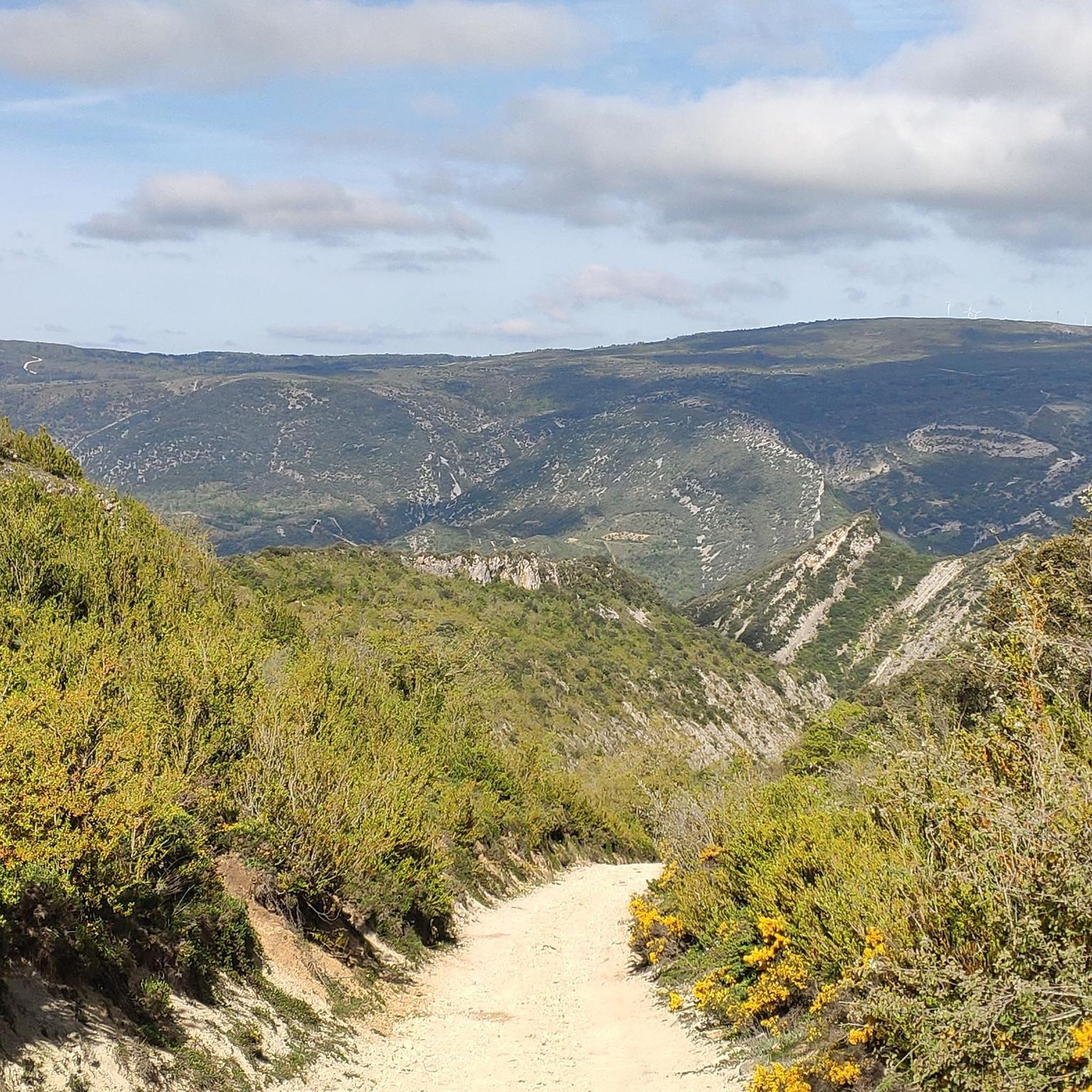
Running Trails around Merindad De Valdivielso
Other adventures around Merindad De Valdivielso


Tips from the Community


carry water, but go to a village to the fountain and if possible don't go on a very sunny day...
0
0

Next to the greenway, a good place to rest and get supplies in town.
0
0
A beautiful town in a privileged location. It's well worth a visit, and take a stroll around the surrounding area.
1
0


A beautiful town. I recommend visiting the convent gardens with their canal and the unusual water supply they've had for ages.
1
0

nice descent, from mass moor, to right valley
0
0

And there is a fountain!!
0
0
Frequently Asked Questions
What historical sites can I explore in Merindad De Valdivielso?
Merindad De Valdivielso is rich in historical landmarks. You can visit fortified buildings like the Torre de los Fernández de Velasco in Valdenoceda, the Torre de San Martín and Torre de Loja in Quintana, and the Palacio de los Ruiz de Valdivielso in Hoz. The region also boasts impressive Romanesque churches, such as the Iglesia de San Pedro de Tejada in Puente Arenas, known for its beauty and preservation, and the Iglesia de San Miguel Arcángel in Valdenoceda.
Are there any natural attractions or scenic viewpoints in the area?
Absolutely. The landscape is shaped by the Ebro River, offering deep gorges like the Desfiladero de los Hocinos and Desfiladero de la Horadada. The 'Puente del Aire' near Valdenoceda provides spectacular views of the Hocinos gorge. For panoramic vistas of the Valdivielso Valley and the Cantabrian Mountains, head to the Puerto de la Mazorra. You can also discover the stunning Cascada de Tartalés within the Garganta de Tartalés de los Montes.
What kind of outdoor activities can I do around Merindad De Valdivielso?
The region offers a variety of outdoor activities, particularly cycling and hiking. You can explore MTB trails, road cycling routes, and gravel biking routes. Popular routes include the GR 99 Camino Natural del Ebro, which follows the river, and the GR 85 Ruta de los Sentidos, a 165 km trail exploring the varied landscape of Las Merindades.
Are there any family-friendly attractions in Merindad De Valdivielso?
Yes, the region offers several family-friendly options. The town of Trespaderne, for instance, features a medieval bridge over the Nela River and a well-conditioned section of the Santander-Mediterranean Natural Trail, which is part of Spain's Via Verdes, suitable for leisurely walks or bike rides with children. Exploring the traditional architecture in villages like El Almiñé or Quintana de Valdivielso can also be an engaging activity for families.
What are the most unique cultural sites to visit?
Beyond the historical buildings, you can explore the ancient Roman road, Calzada de El Almiñé, offering a glimpse into the region's past. The Ruta del Arte en el Valle de Valdivielso is a unique cultural initiative featuring 16 sculptures by local artist Carlos Armiño integrated into the landscape. Additionally, the Eremitorios rupestres in Quecedo are fascinating cave hermitages with historical and cultural significance.
Where can I see ancient yew trees in Merindad De Valdivielso?
You can find ancient yew trees, known as Tejos de Panizares, within the diverse flora of the Valdivielso valley. The region is also home to extensive fruit tree cultivation and a rich variety of plant life including holm oaks, oaks, boxwoods, and junipers.
What is the significance of the Poza de la Sal Salt Flats?
The Poza de la Sal Salt Flats are a historical site known for their industrial architecture. These salt flats have been exploited since the Iron Age, showcasing a long history of salt production in the region. The medieval town of Poza de la Sal itself is also a Historical-Artistic Site.
Can I visit any old railway stations or trails in the area?
Yes, the region has a strong connection to its railway heritage. You can visit the old railway station in Villarcayo, which preserves remains and curiosities from the Santander-Mediterranean line. The Santander-Mediterranean Natural Trail, part of Spain's Via Verdes, also passes through Trespaderne, offering scenic routes along the old railway line.
What is the Oña Historic Center known for?
The Oña Historic Center is a medieval town declared a Site of Cultural Interest. It is known for its narrow streets, stately homes, and the imposing Monastery of San Salvador. Visitors often enjoy exploring its historical atmosphere and the portico of the church of San Juan in the town hall square.
What are the main mountain ranges and passes in Merindad De Valdivielso?
The Sierra de la Tesla forms the northern limit of the valley, providing a dramatic backdrop to the region. The Puerto de la Mazorra, at an altitude of 1,000 meters, is a significant mountain pass offering extensive panoramic views of the Valdivielso Valley, the Cantabrian Mountains, and the Montes de la Peña.
Are there any ancient Roman roads or historic trade routes in the area?
Yes, the Calzada de El Almiñé is an ancient Roman road that is a significant historical pathway. Additionally, Merindad de Valdivielso is part of the historic Ruta de la Lana or Camino del Pescado, a route that historically connected the Cantabrian ports with the Castilian plateau.
Most popular routes around Merindad De Valdivielso
Most popular attractions around Merindad De Valdivielso

Get inspired with the komoot mobile app


Explore more
Still not found the Highlight you’re looking for? See guides of the top attractions in other regions:
