Attractions and Places To See around Merindad De Valdeporres - Top 20
Best attractions and places to see around Merindad De Valdeporres, located in the northern part of Burgos province, include a blend of historical, cultural, and natural sites. The region features unique geological formations, such as a natural bridge carved by the Nela River, alongside ancient megalithic monuments and significant architectural landmarks. Its diverse natural landscapes encompass extensive forests and parts of the Cantabrian Mountains.
Best attractions and places to see around Merindad De Valdeporres
- The most popular attractions is Natural…
Last updated: May 26, 2026
Natural Rock Arch of Puentedey
Highlight • Natural Monument
Translated by Google •
Tip by

Puentedey
Highlight • Natural Monument
Translated by Google •
Tip by

Sign up now to discover places like this
Get recommendations on the best single tracks, peaks, & plenty of other exciting outdoor places.
Sign up for free
Castro Valnera Summit
Highlight • Summit
Translated by Google •
Tip by

Villarcayo
Highlight • Settlement
97 kilometers. 1,370 positive meters.
In the old Villarcayo-Horna station there are many remains and curiosities of the railway heritage of the old Santander-Mediterranean line. An old …
Translated by Google •
Tip by

Yera ghost station
Highlight • Monument
Translated by Google •
Tip by

Sign up for free to discover even more attractions around Merindad De Valdeporres.
Sign up for free
Already have an account?
Start today with a free account
Your next adventure awaits.
Login or Signup
Popular around Merindad De Valdeporres
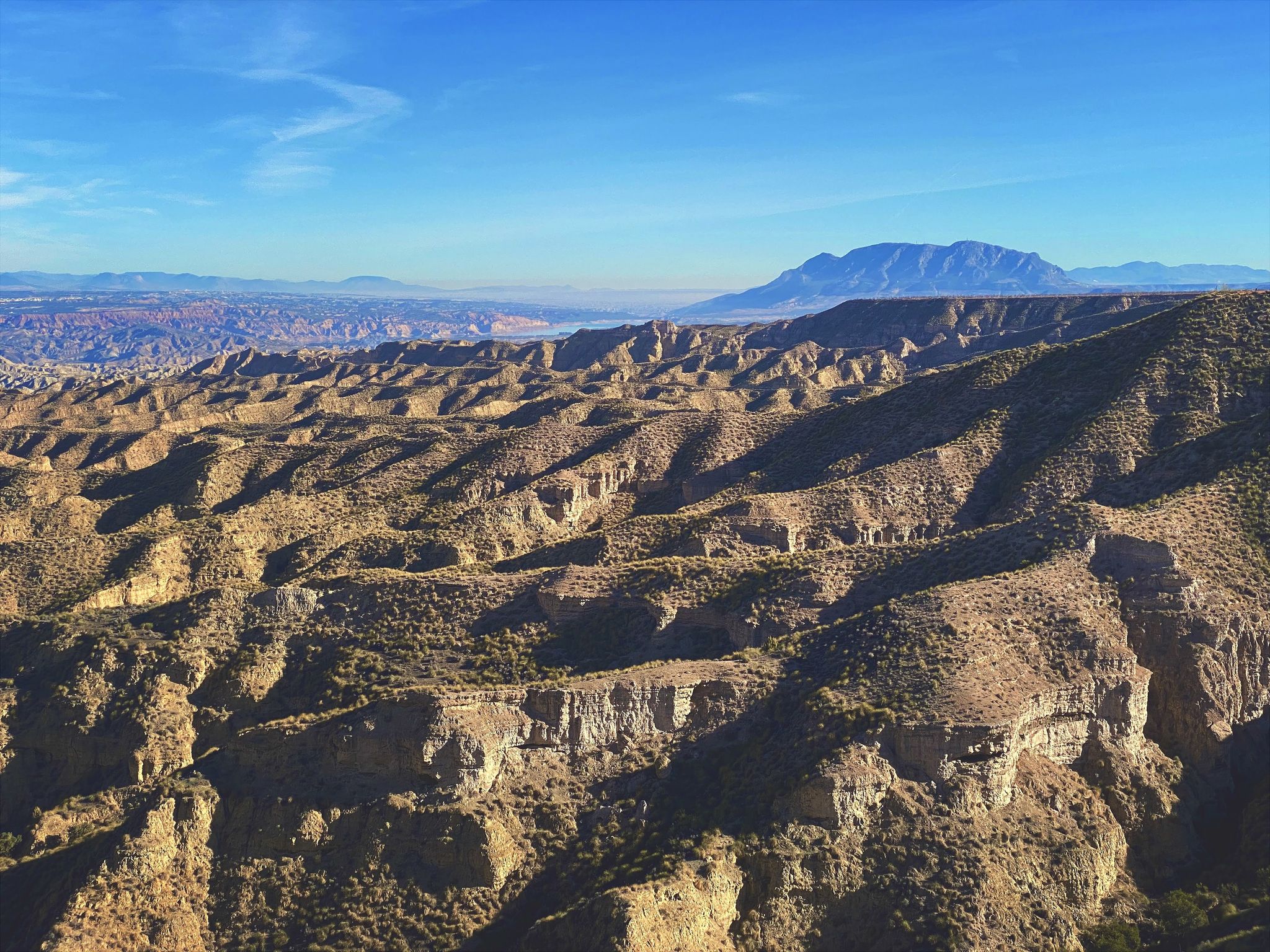
Discover Spain by gravel — a selection of must-see routes
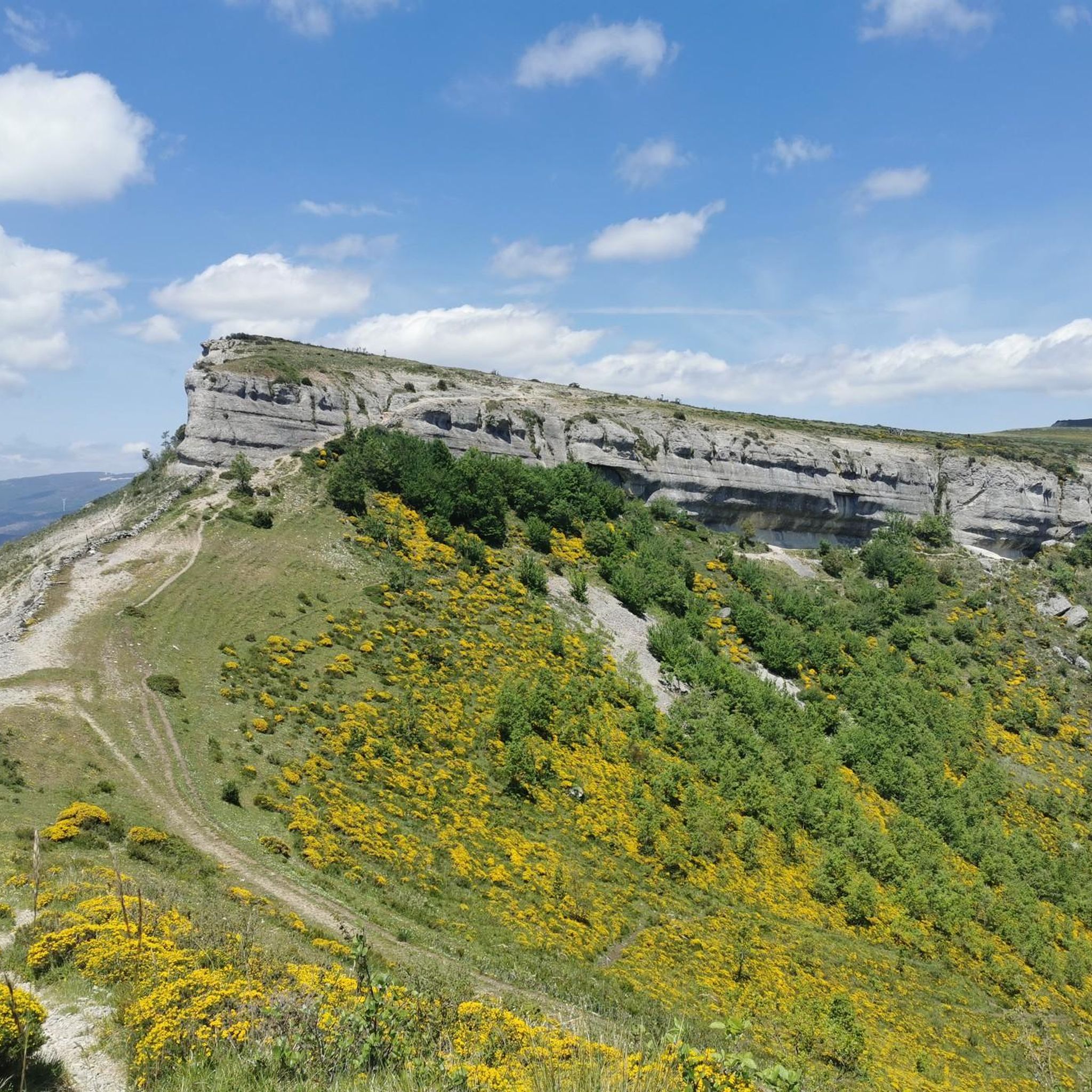
Road Cycling Routes around Merindad De Valdeporres
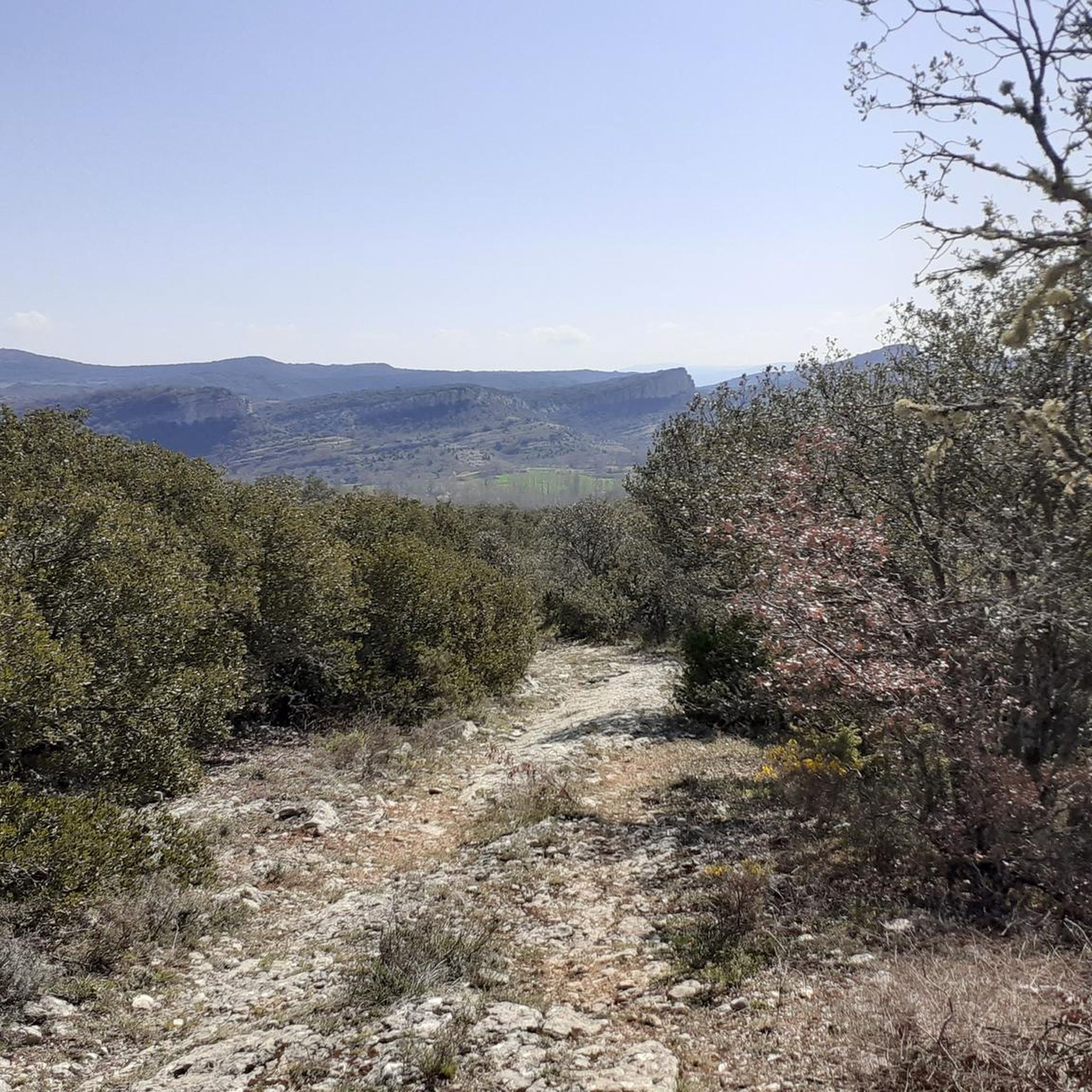
Running Trails around Merindad De Valdeporres
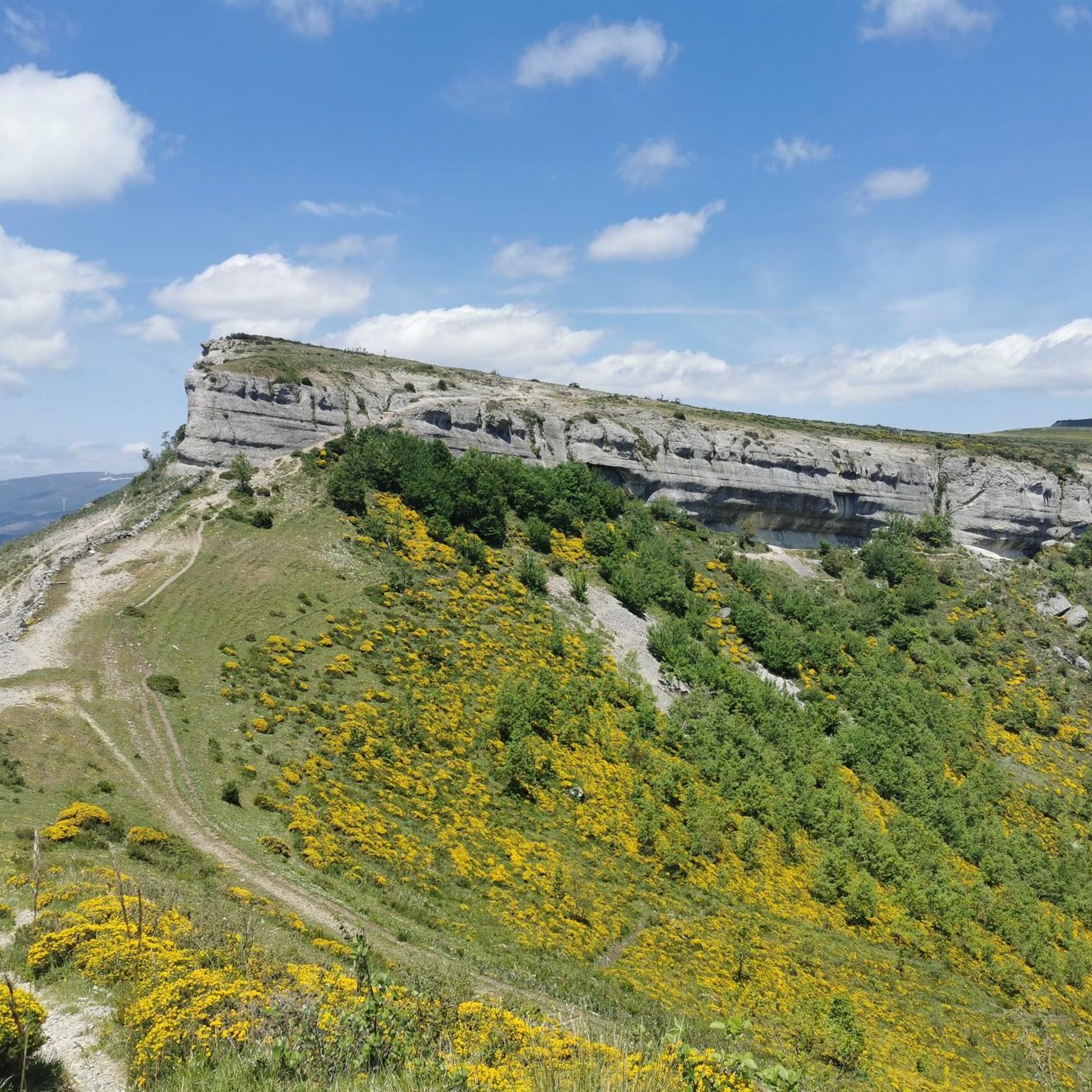
MTB Trails around Merindad De Valdeporres
Hiking around Merindad De Valdeporres
Cycling around Merindad De Valdeporres

Gravel biking around Merindad De Valdeporres
Other adventures around Merindad De Valdeporres

Tips from the Community

carry water, but go to a village to the fountain and if possible don't go on a very sunny day...
0
0

Ideal for taking a dip on hot days!
1
0

Yera Station is an old railway station located in the municipality of Vega de Pas, Cantabria. It was part of the Santander-Mediterranean railway project, which was never completed. The station is abandoned and is located near the northern mouth of the Engaña Tunnel. In 2022, the Government of Cantabria approved a rehabilitation project to convert the station into a hostel, exhibition hall and restaurant, with the aim of promoting sustainable tourism in the area. This project also includes the creation of a cycle and pedestrian path to the tunnel.
4
0

This is the best-known image of the famous town of Puentedey.
1
0

Tried to get it going.... Greetings from Lukas 🤪
0
0

Stage 2. Villarcayo/Trespaderne 97 kilometers. 1,370 positive meters. In the old Villarcayo-Horna station there are many remains and curiosities of the railway heritage of the old Santander-Mediterranean line; an old machine parked next to the track, the water tanks, the platforms, the point changes and the buildings attached to the railway service dismantled in 1985. The Natural Trail continues through Cigüenza, with a new bridge over the Nela, and continues through a fantastic valley crossing the meanders of the Nela through Tubilla, Escanduso and Escaño to the curious railway station of Brizuela , which preserves some rails, the railway building and a pleasant grass “pavement” between the platforms. Puentedey is another attractive stop to go down to the bed of the Nela and see the impressive natural tunnel that the river bed has carved under the town. The old train track also passes through another tunnel under the town and continues through the spectacular canyon that the Nela River has carved at the foot of the Muelas de Dulla. In Quitanabaldo the track deviates along the Ruta de los Sentidos towards Soncillo to complete the stage following the Ebro Natural Path but still has to travel one of the emblematic sections of the Santander-Mediterranean Natural Path to the Tunnel of Engaña. At the Nela bridge, the Cidad Dosante detour leaves to the left, the main route crosses the imposing bridge, passes through the Pedrosa de Valdeporres station and goes up to the entrance of the Engaña Tunnel. The area is a forest jungle of birch, oak, beech, maple, hazel and bushes of all kinds in a place steeped in history. The construction of the tunnel in the bowels of the Cantabrian Mountains was essential to complete the railway line; it took 17 years and hundreds of workers, most of them political prisoners, to drill the seven kilometers of gallery between Burgos and Cantabria, a work that had never been It was used for the passage of trains, however it was used for several decades to exchange goods between the two slopes of the mountain range by private vehicles, until landslides in the interior complicated transit and it was permanently closed. The traveling cycle route returns along the same path to Quintanabaldo and deviates from the Santander-Mediterranean Natural Path along the Route of the Senses GR-85. From this point on, the technical level for gravel bikes increases, there are sections with uneven surfaces, high slopes, narrow paths and several points in the Ebro canyon where it is necessary to load the bike to cross some walkways. In reality, everything is cyclable except for the walkways, which are easy to navigate in a few minutes on foot, and it is worth it to travel a fantastic stretch of the Ebro Natural Trail through the Manzanedo and Valdivieso valleys. The GR-85 goes up from Quintabaldo along a fairly steep track to the town of Villabáscones de Bezana, a gem of popular architecture hidden in the Pisas beech forest. In the town you have to continue along the road to Soncillo, a good place to regain strength after the climb from the Nela valley. The gravel trip continues along the Alto de la Hoya road and begins an enjoyable descent through the towns of the Trifón River valley, all asphalt, without traffic, between mountains sculpted by a capricious and suggestive nature. In Lándraves there are signs of the Palancas Gorge, one of the natural wonders of the area. The Route of the Senses passes through the canyon but on gravel it is not recommended. The descent continues through Cueva de Manzanedo and finally reaches the bank of the Ebro in Manzanedo, connecting with the Ebro Natural Trail. The route changes banks and continues for about ten kilometers along technical and entertaining trails surrounding livestock meadows and private farms. Cyclability is one hundred percent with patience and skill on this type of narrow and bumpy paths, a complication can be mud during times of heavy rain. The alternative would be to continue along the road to Incinillas and then along the N-232 to Puente del Aire.
1
0

Puentedey is a mandatory stop if we want to get to know one of the most beautiful towns in Las Merindades. It will be included in the list of the Most Beautiful Towns in Spain association in 2022. The enormous natural stone arch over the Nela River is its main emblem.
1
0
Frequently Asked Questions
What unique natural landmarks can I explore in Merindad De Valdeporres?
The region is home to several remarkable natural features. The most iconic is the Natural Rock Arch of Puentedey, a spectacular limestone arch carved by the Nela River, with part of the village built directly on top of it. You can also discover the impressive Hermitage of San Bernabé of Ojo Guareña, located within the extensive Ojo Guareña karstic complex, offering fascinating underground galleries and rupestrian hermitages. Don't miss the beautiful Cascada de la Mea, a waterfall accessible via a marked trail through an oak forest.
What historical and cultural sites are there to visit in the area?
Merindad De Valdeporres boasts a rich history. Explore the ancient Puentedey village itself, with its traditional architecture and the historic Palace of the Fernández Brizuela. You can also visit the over 5,000-year-old Dolmen of Busnela, providing a glimpse into prehistoric human occupation. Other notable sites include the Tower of Cidad and the Church of Pedrosa de Valdeporres.
Are there any impressive viewpoints in Merindad De Valdeporres?
Yes, for breathtaking panoramic views, consider a trip to Castro Valnera Summit. At 1,718 meters, it's the highest point in the eastern Cantabrian mountain range, offering extensive vistas of the surrounding mountains and, on clear days, even the Cantabrian sea. The Mirador de San Andrés also provides scenic outlooks.
What kind of outdoor activities can I do near these attractions?
The region offers diverse outdoor activities. You can find numerous trails for running, gravel biking, and mountain biking. For example, there are routes like the 'Yera and Aján Riverbanks Trail' for running, or 'Comarca of Las Merindades in gravel' for gravel biking. Many of these routes allow you to explore the natural beauty of the Nela and Engaña rivers and the extensive forests. You can find more details on specific routes in the Gravel biking around Merindad De Valdeporres, Running Trails around Merindad De Valdeporres, and MTB Trails around Merindad De Valdeporres guides.
Are there family-friendly attractions in Merindad De Valdeporres?
Absolutely! The village of Puentedey and its Natural Rock Arch are considered family-friendly. Children will enjoy the unique geological formation and exploring the charming village. The Vía Verde – Camino Natural, which utilizes a section of the old Santander-Mediterráneo railway line, also offers an easy and scenic route for walking or cycling suitable for families.
Can I find easy walks or beginner-friendly trails in the region?
Yes, there are options for easier walks. The Vía Verde – Camino Natural, which follows the old railway line, provides a relatively flat and accessible path through scenic landscapes. For gravel biking, there's an 'easy' route like the 'Natural Rock Arch of Puentedey – Puentedey loop from Villarcayo de Merindad de Castilla la Vieja' which is 23.9 km. Always check the difficulty ratings on specific routes to match your experience level.
What is the Engaña Tunnel and can I visit it?
The Engaña Tunnel is a historic, nearly 7 km long tunnel that was part of the ambitious Santander-Mediterráneo railway project. While never fully operational for trains, it served for decades to exchange goods. The surrounding area features a rich forest and can be explored as part of a route extending from Pedrosa de Valdeporres. A section of the railway line has been converted into a 'Vía Verde - Camino Natural,' offering a scenic route for walking or cycling.
What kind of natural landscapes and rivers define Merindad De Valdeporres?
Merindad De Valdeporres is characterized by its abundant and diverse forests, including ancient oak forests in Robredo and beech forests in Leva, alongside areas with pines. The region is traversed by the Nela and Engaña Rivers, which contribute significantly to its rich landscape and ecology. The Nela River is particularly famous for carving the Natural Bridge of Puentedey, and the River Aján offers impressive landscapes and soothing sounds of water.
When is the best time to visit Merindad De Valdeporres for outdoor activities?
The best time to visit Merindad De Valdeporres for outdoor activities generally depends on your preferred activity. Spring and autumn offer pleasant temperatures for hiking and cycling, with lush greenery in spring and vibrant colors in autumn. Summer is also popular, especially for exploring rivers and waterfalls, though it can be warmer. Winter can be beautiful for snowy landscapes, especially in higher elevations like Castro Valnera, but some trails might be challenging due to snow or ice.
What do visitors enjoy most about Merindad De Valdeporres?
Visitors consistently praise the region's unique blend of natural beauty and historical charm. The Natural Rock Arch of Puentedey and the village itself are often highlighted as 'one of the most beautiful towns in Spain.' The impressive views from Castro Valnera Summit and the unique experience of the Ojo Guareña caves are also highly recommended. The tranquility of the forests and rivers, combined with the rich history, creates a memorable experience for many.
Are there any specific cycling routes that explore the region's heritage?
Yes, the old Santander-Mediterráneo railway line has been partially converted into a 'Vía Verde - Camino Natural,' offering a fantastic cycling route. This path allows you to explore railway heritage, including old stations and bridges, and passes through scenic areas like the Nela River canyon. For more challenging gravel biking, routes like 'Comarca of Las Merindades in gravel' cover significant distances and explore various historical points and natural landscapes.
Most popular routes around Merindad De Valdeporres
Most popular attractions around Merindad De Valdeporres

Get inspired with the komoot mobile app


Explore more
Still not found the Highlight you’re looking for? See guides of the top attractions in other regions:
