Attractions and Places To See around Fuentenava De Jábaga - Top 20
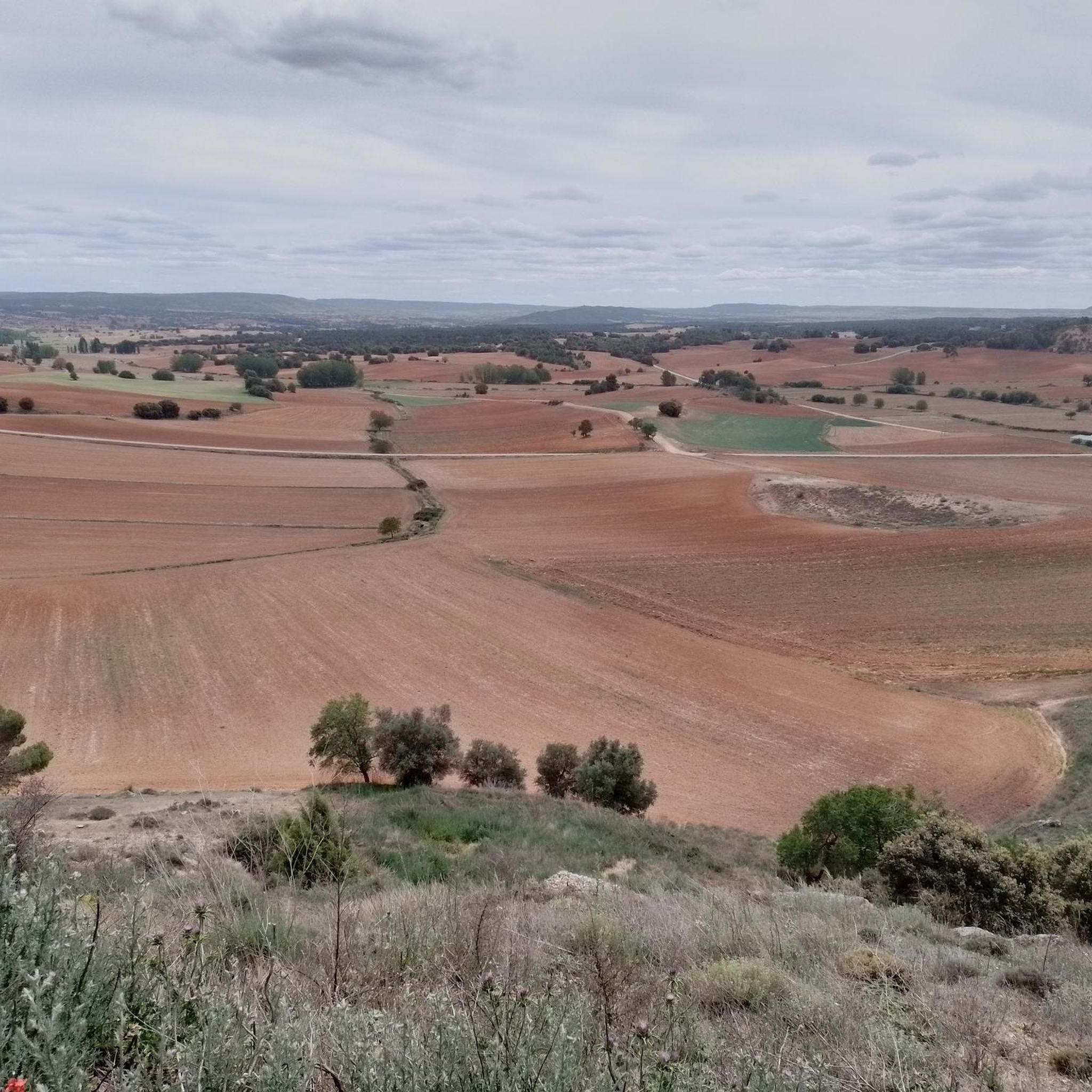
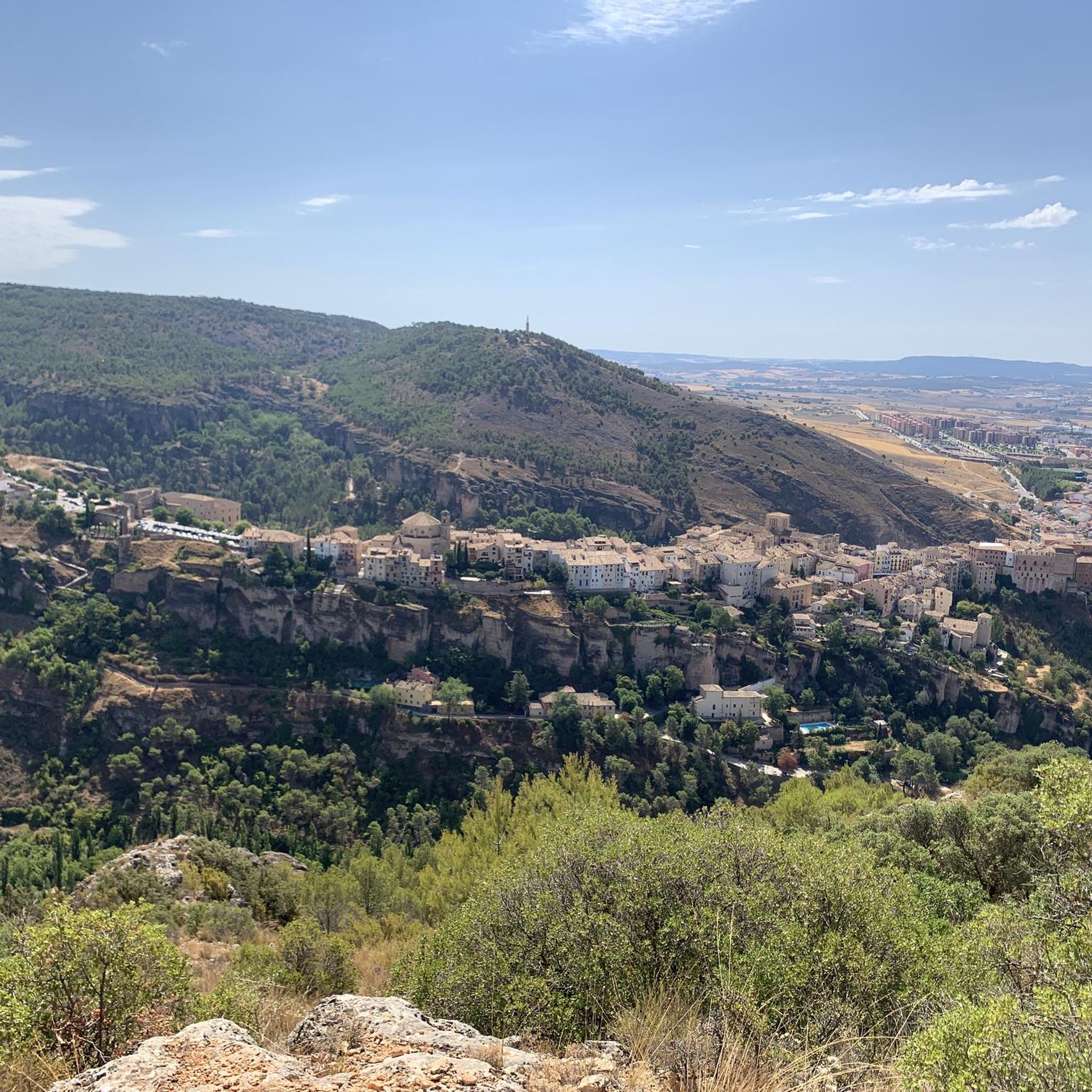
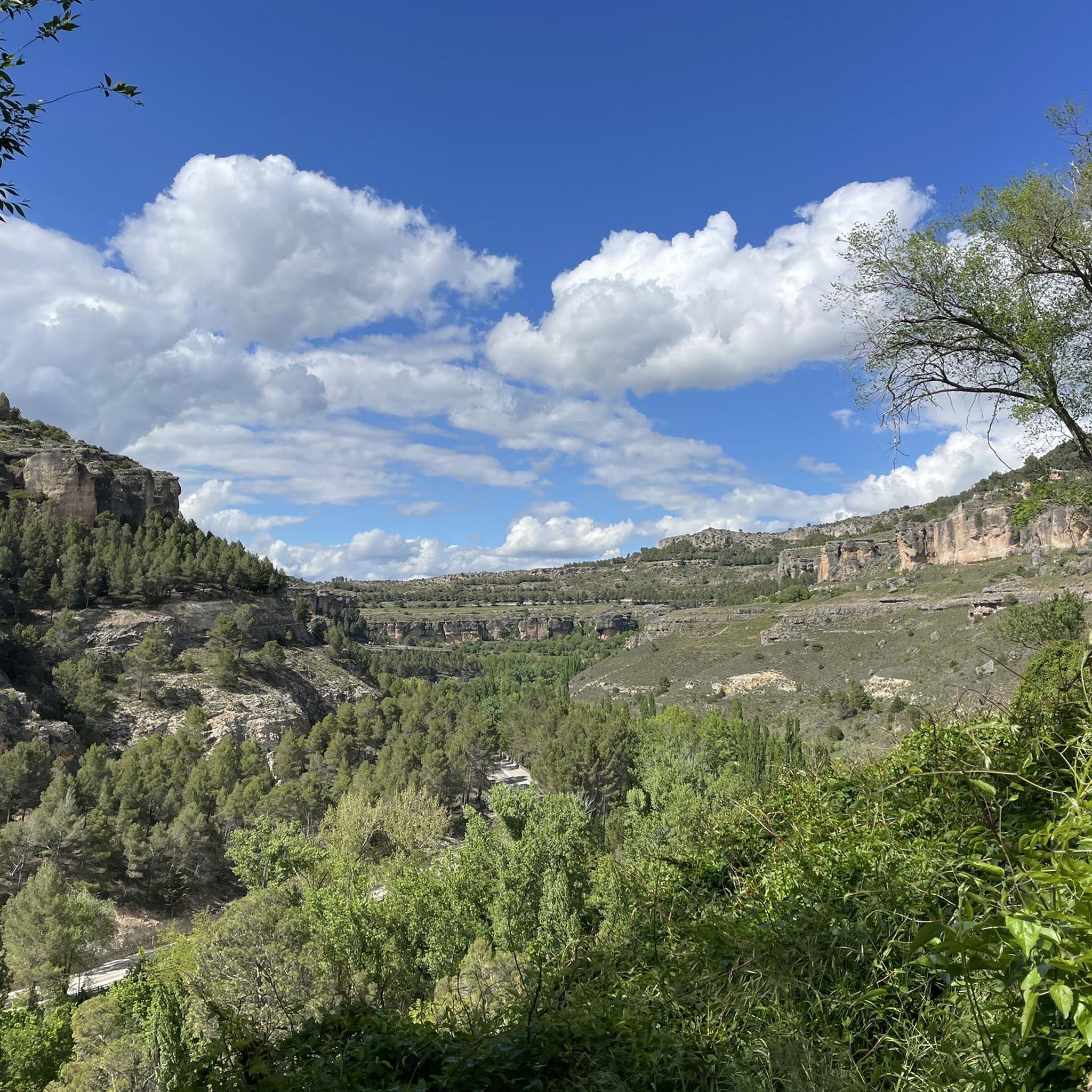
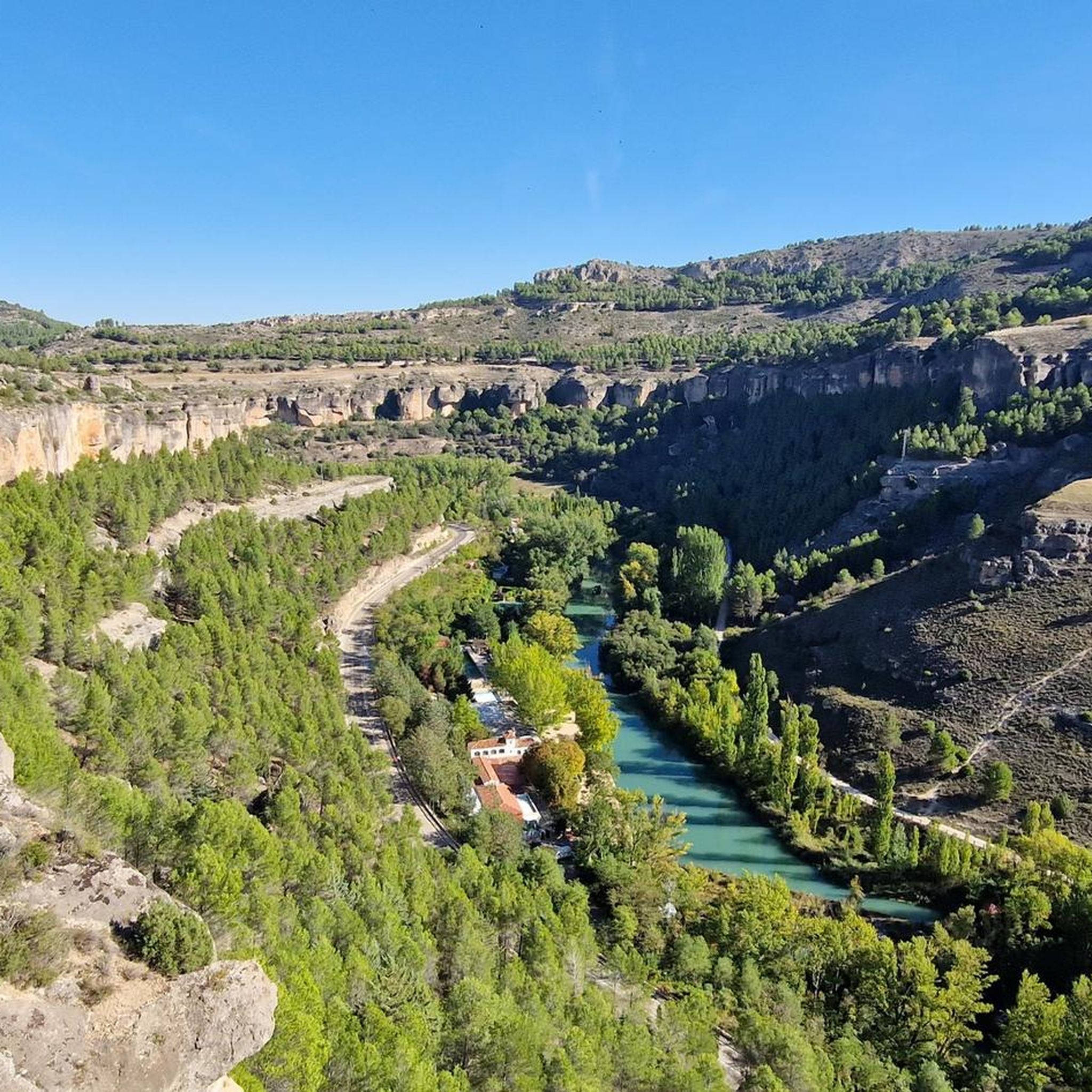
Best attractions and places to see around Fuentenava De Jábaga include a blend of historical sites and natural landscapes. This municipality in Cuenca, Castilla-La Mancha, is situated within the Sierra de Cuenca, featuring pine forests, trails, and rocky areas. The region also benefits from its proximity to the historic city of Cuenca, a UNESCO World Heritage site, offering significant architectural and cultural landmarks. Visitors can explore both local points of interest and the nearby urban attractions.
Best attractions and places…
Last updated: July 7, 2026
Cuenca Cathedral
Highlight • Religious Site
Translated by Google •
Tip by

San Pablo Bridge
Highlight • Bridge
Translated by Google •
Tip by
Sign up now to discover places like this
Get recommendations on the best single tracks, peaks, & plenty of other exciting outdoor places.
Sign up for free
Hanging Houses of Cuenca
Highlight • Monument
Translated by Google •
Tip by
Plaza Mayor of Cuenca
Highlight • Historical Site
Architecture and Monuments
Translated by Google •
Tip by
San Antón Bridge
Highlight • Bridge
The current bridge was built in the 18th century, replacing a much older one, probably of Muslim origin.
Translated by Google •
Tip by
Sign up for free to discover even more attractions around Fuentenava De Jábaga.
Sign up for free
Already have an account?
Start today with a free account
Your next adventure awaits.
Login or Signup

Tips from the Community

These are only the last four houses of the 10 that existed in ancient times.
0
0

The Plaza Mayor of Cuenca is a historic center and one of the most emblematic places in the city of Cuenca, in Castilla-La Mancha. This square is known for its Baroque architecture and its importance as a meeting point and hub of communication in the old part of the city. Main buildings: The Cathedral of Santa María and San Julián, the Cuenca City Hall, and the Convent of San Pedro. The most notable monument in Cuenca began construction at the end of the 12th century after the conquest of the city, but its core took shape in the 13th century. The naves, from the transept to the façade, date from the 14th century, and the ambulatory was transformed in the 16th century to adapt its original structure to new aesthetic trends. Its first façade also dates from this period, replaced in the 18th century by another that had to be demolished at the beginning of the 20th century, when the current Neo-Gothic façade, designed by Vicente Lampérez, was built.
7
0

Common crossing point for going to or returning from the Júcar gorge trail.
3
0
I have always been struck by the front view of this Cathedral.
3
0
A true gateway to the famous Hanging Houses of Cuenca.
1
0
Cuenca's Plaza Mayor is the heart of the city's old town and one of its most emblematic sites. Architecture and Monuments Cathedral of Santa María and San Julián: This is one of the first French-inspired Gothic churches built in Spain. Its impressive Norman Neo-Gothic façade dominates the square. [Cuenca ️ O...de Cuenca], [Plazas de...de Mangana] Cuenca Town Hall: An 18th-century Baroque building, built in 1762. Its ground floor consists of three semicircular arches that connect to Alfonso VIII Street. Convent of Las Petras (or San Pedro de las Justinianas): A 16th-century religious complex that spans three streets.
16
0
The San Antón Bridge in Cuenca is a structure steeped in history and symbolism for the city. The current bridge was built in the 18th century, replacing a much older one, probably of Muslim origin.
9
0

Frequently Asked Questions
What historical sites can I explore within the Fuentenava de Jábaga municipality?
Within Fuentenava de Jábaga, you can visit the Iglesia de Nuestra Señora de la Purificación in Jábaga, a Romanesque church with notable religious art. The area also features a historic Roman Bridge, a testament to its ancient past, and the Puente del Canto, another structure with Roman influences. In the village of Sotoca, you can find a Roman fountain.
What natural features and outdoor activities are available in the Fuentenava de Jábaga area?
Fuentenava de Jábaga is nestled within the beautiful Sierra de Cuenca, offering a landscape rich in pine forests, ideal for exploring paths, trails, ravines, and rocky areas. For adventure sports, local providers like Multiaventura Fuentenava de Jábaga and Serraniactiva Multiadventura offer activities such as canyoning, kayaking, climbing, caving, and 4x4 routes through the Sierra de Cuenca and Sierra de Cabrejas.
Are there any notable walking or cycling routes near Fuentenava de Jábaga?
Yes, the area is popular for outdoor activities. You can explore the captivating Camino de San Julián el Tranquilo, a route that winds through rocks and nature, offering impressive views of the Júcar gorge. For cycling enthusiasts, there are various routes, and mountain bike rentals are available. You can find more detailed routes for gravel biking, running, and road cycling around the area on komoot, such as Gravel biking around Fuentenava De Jábaga or Running Trails around Fuentenava De Jábaga.
What historical and cultural landmarks can I visit in the nearby city of Cuenca?
Just 11 km away, the historic city of Cuenca, a UNESCO World Heritage site, offers numerous attractions. You can explore the Casco Histórico de Cuenca with its cobbled streets and remarkable architecture. Key sites include the Cuenca Cathedral, one of Spain's first Gothic cathedrals, the iconic Hanging Houses of Cuenca, and the Plaza Mayor of Cuenca, known for its Baroque architecture.
Where can I find the best views of Cuenca's historic center?
For spectacular views of Cuenca's historic center, especially the Hanging Houses and the Convent of San Pablo, cross the San Pablo Bridge. This impressive bridge offers a unique perspective of the city's dramatic architecture perched above the Huécar river gorge.
Are there family-friendly attractions around Fuentenava de Jábaga and nearby Cuenca?
Yes, many attractions in the region are suitable for families. The historic center of Cuenca, including the Cuenca Cathedral, Hanging Houses, and Plaza Mayor, are considered family-friendly. The outdoor activities in the Sierra de Cuenca, such as easy trails and adventure sports, also offer options for families depending on age and activity level.
What is the Cuenca City Hall known for?
The Cuenca City Hall is a significant man-made monument and one of the most representative Baroque buildings in Cuenca. Located in the Plaza Mayor, it has served as the seat of the town council since the late 15th century and is an important part of the city's historic architecture.
What do visitors particularly enjoy about the attractions near Fuentenava de Jábaga?
Visitors appreciate the blend of historical depth and natural beauty. The Cuenca Cathedral is admired for its early Gothic architecture, while the San Pablo Bridge is loved for its spectacular views of the Hanging Houses. The Hanging Houses of Cuenca themselves are an undisputed symbol, offering a glimpse into unique popular Gothic architecture.
Are there any religious sites of particular importance in the area?
Beyond the Cuenca Cathedral, which is a prime example of Gothic architecture, the Iglesia de Nuestra Señora de la Purificación in Jábaga is a notable Romanesque church. In Cuenca, the Iglesia de la Virgen de la Luz is a significant sanctuary dedicated to the city's patron saint, known for its Rococo style and important religious imagery. The Convento de las Petras (or San Pedro de las Justinianas) in Cuenca's Plaza Mayor is also a 16th-century religious complex.
What can I expect to see in the smaller villages within Fuentenava de Jábaga municipality?
The municipality of Fuentenava de Jábaga comprises several charming villages. In Villar del Saz de Navalón, you can find an old flour factory and a parish church. Sotoca is home to a Roman fountain, and Jábaga features the historic Iglesia de Nuestra Señora de la Purificación. These villages offer a glimpse into the local rural heritage.
When is the best time to visit Fuentenava de Jábaga for outdoor activities?
The region, being part of Castilla-La Mancha, generally experiences warm, dry summers and cooler winters. Spring and autumn are often ideal for outdoor activities like hiking, cycling, and exploring the Sierra de Cuenca, as temperatures are milder and the natural landscapes are vibrant. Always check local weather forecasts before planning your trip.
Most popular routes around Fuentenava De Jábaga
Most popular attractions around Fuentenava De Jábaga

Get inspired with the komoot mobile app


Explore more
Still not found the Highlight you’re looking for? See guides of the top attractions in other regions:
