Attractions and Places To See around Cordovín - Top 20
Attractions and places to see around Cordovín offer a glimpse into traditional Riojan life within the La Rioja Alta district. The area is characterized by extensive vineyard landscapes and is situated in the Najerilla River basin, providing fertile ground for agriculture. Visitors can explore historical landmarks, cultural sites, and natural features that reflect the region's viticultural heritage and historical significance.
Best attractions and places to see around Cordovín
- The most popular attractions is Poyo de Roldán Stone Hut, an…
Last updated: May 10, 2026
Poyo de Roldán Stone Hut
Highlight • Structure
Translated by Google •
Tip by

San Millán de la Cogolla Monastery
Highlight • Religious Site
Translated by Google •
Tip by

Sign up now to discover places like this
Get recommendations on the best single tracks, peaks, & plenty of other exciting outdoor places.
Sign up for free
Suso and Yuso Monasteries (San Millán de la Cogolla)
Highlight • Religious Site
Translated by Google •
Tip by

Monastery of Santa María de San Salvador
Highlight • Religious Site
Translated by Google •
Tip by
Park on the riverbank (Nájera)
Highlight • Rest Area
Translated by Google •
Tip by

Sign up for free to discover even more attractions around Cordovín.
Sign up for free
Already have an account?
Start today with a free account
Your next adventure awaits.
Login or Signup

Tips from the Community

The Monastery of San Millán de la Cogolla is a place of great importance in the La Rioja region of Spain. Founded in the 6th century AD by Saint Millán, this monastery has a rich history and a special connection with the Castilian language.
3
0

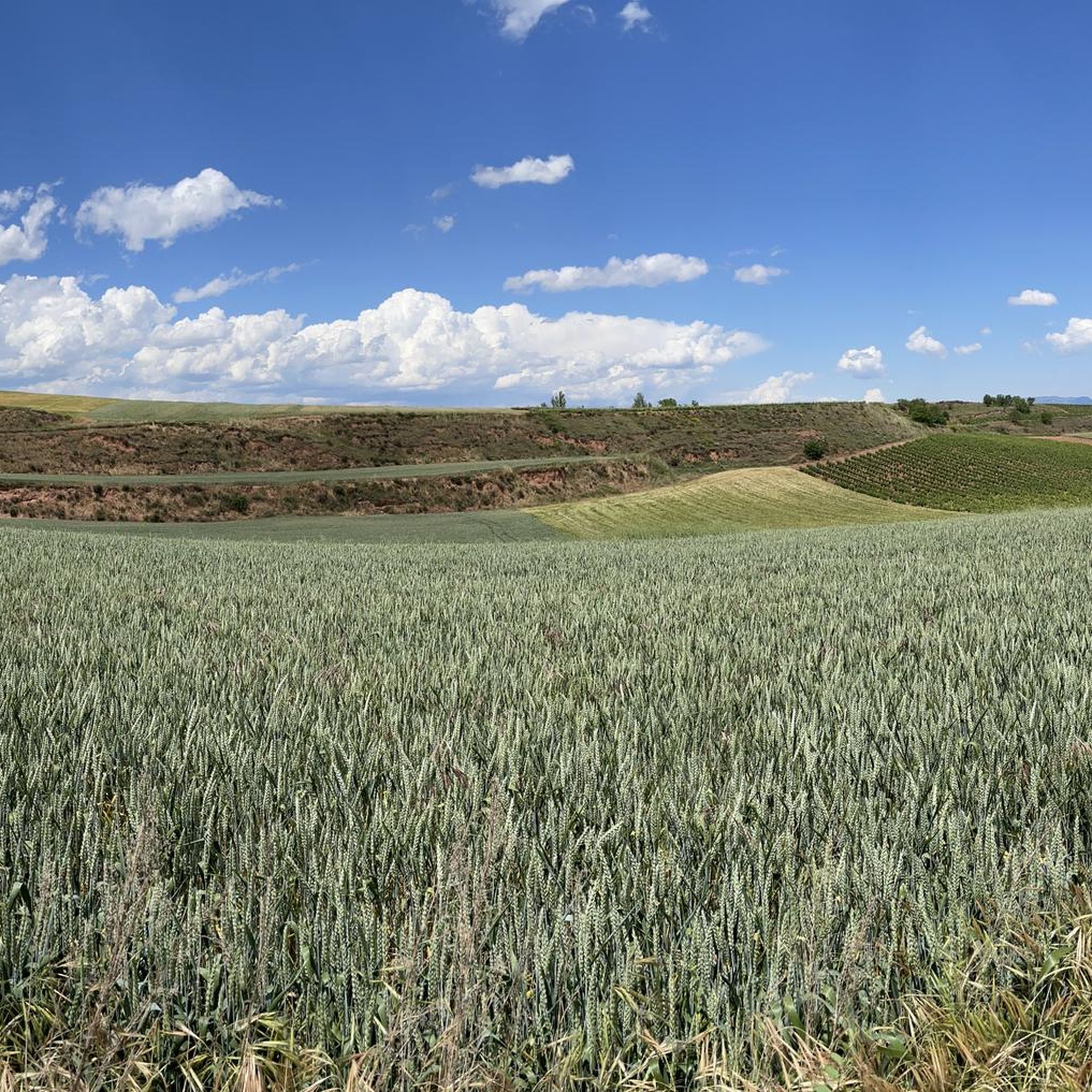
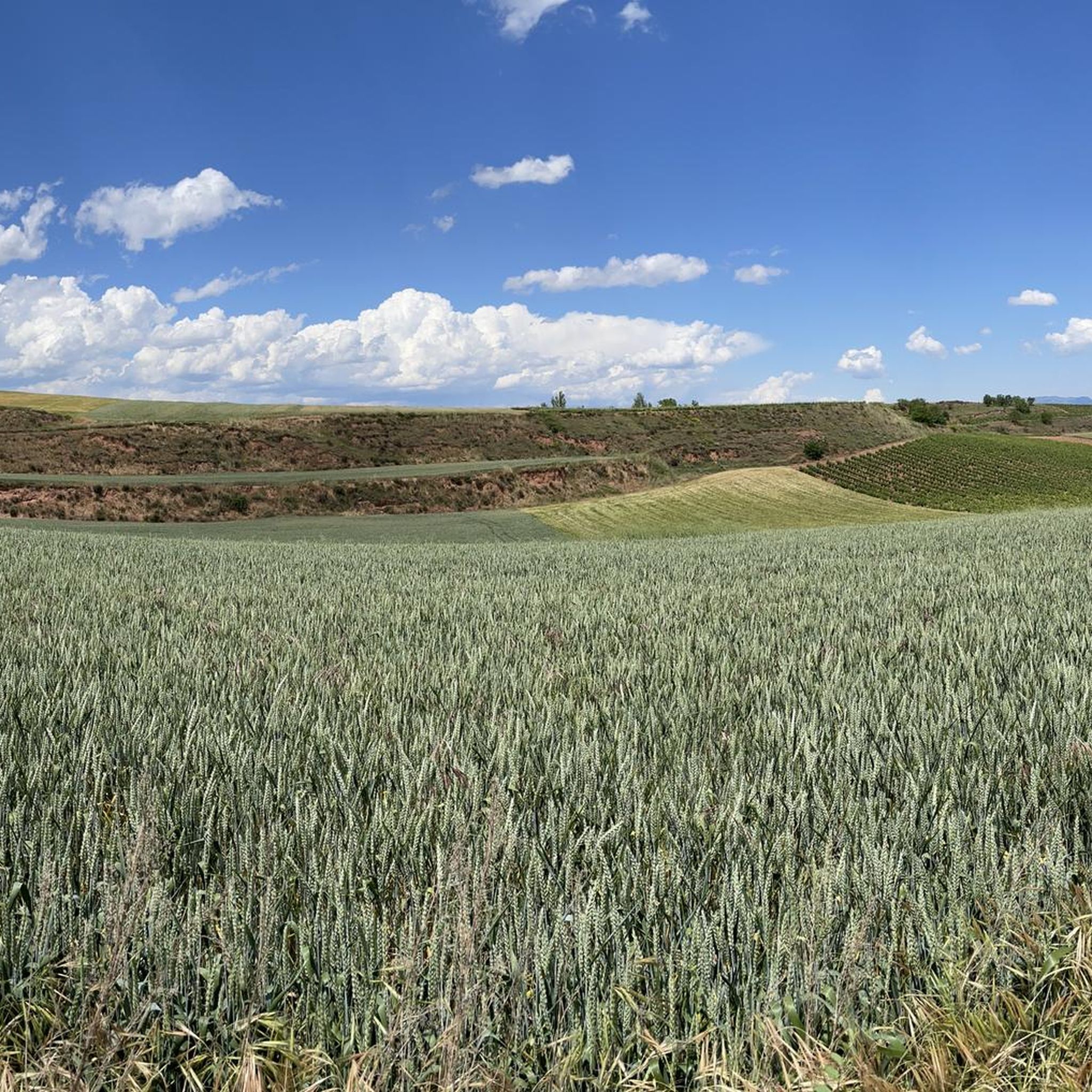
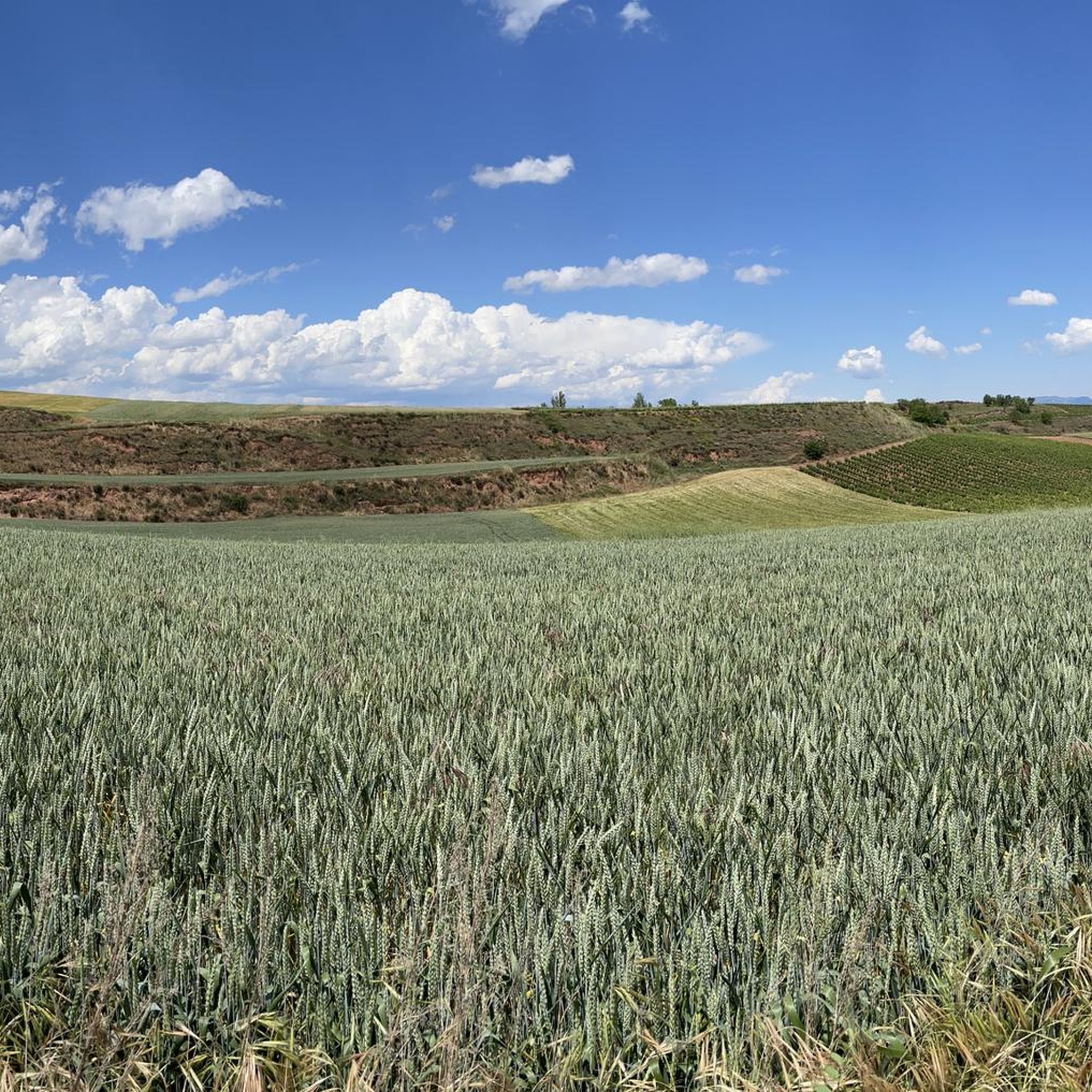
A hill that has its own legend: in the castle of Nájera lived Farragut or Ferragut, a Syrian giant descended from Goliath and stronger than him, who fought and defeated the best warriors of Charlemagne except Roldán, who one day from the poyo spotted the giant sitting at the door of his castle. Roldán picked up a round stone weighing two arrobas (~22kg) and threw it in the direction of the giant, whom he hit in the forehead, knocking him down. Since then the hill has been called Poyo de Roldán.The stone hut is likely a traditional stone vineyard shelter.
2
0

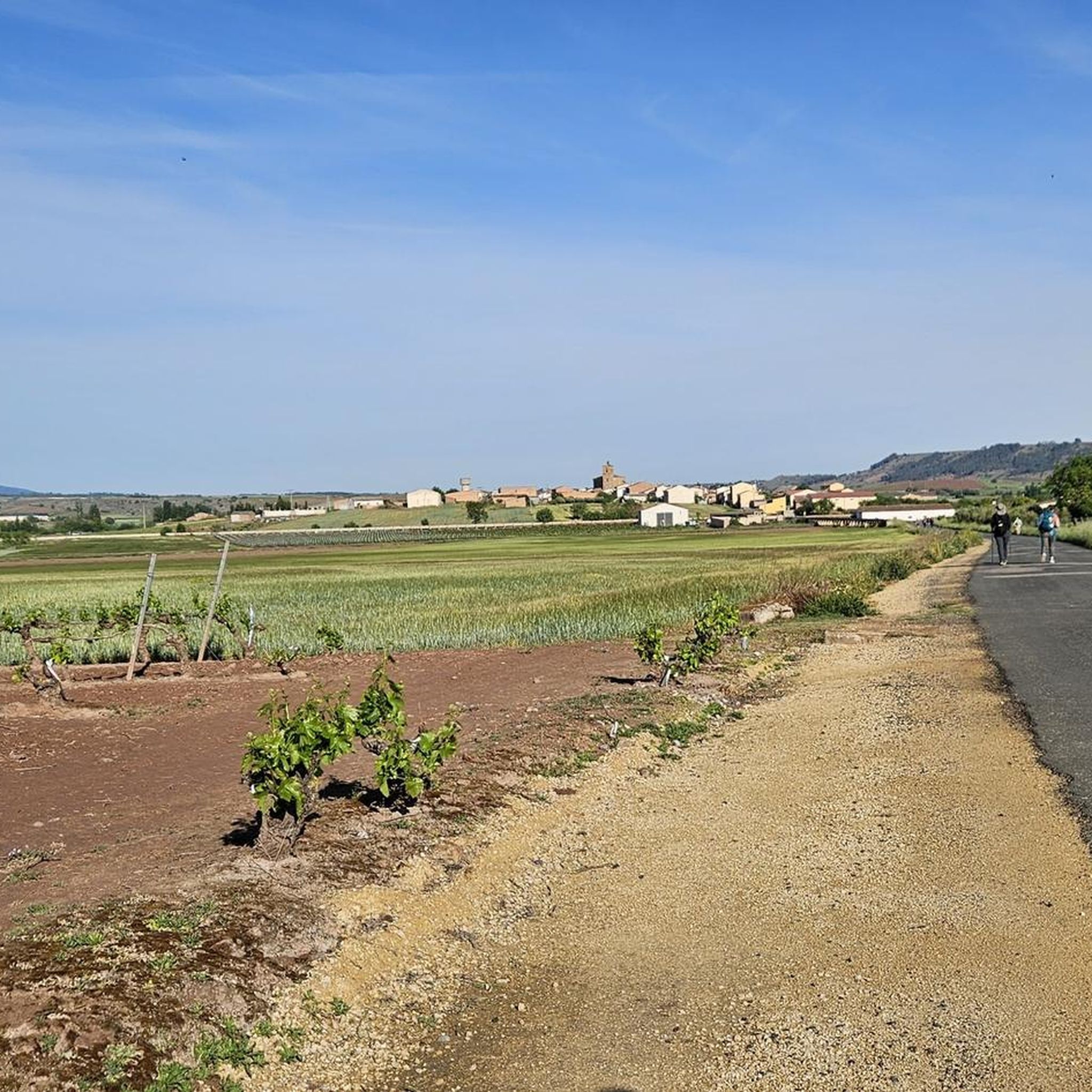
Beautiful view of the surroundings
2
0
The Monastery of San Millán de la Cogolla is a place of great importance in the region of La Rioja, Spain. Founded in the 6th century AD. by San Millán, this monastery has a rich history and a special connection with the Spanish language.
8
0

The "Rioja Escorial". A spectacular monastery in the middle of a valley at the foot of the roof of La Rioja, Mount San Lorenzo.
0
1

The complex is made up of two independent monasteries. On the one hand, San Millán de Suso, the oldest, was founded by San Millán himself. On the other, San Millán de Yuso, created centuries later by his followers. Within its walls many legends have been formed throughout the centuries.
1
0

In Nájera they have known how to take advantage of the banks of the Najerilla river to make large green areas that cross the town and fill with life in good weather. There is grass, areas with benches, and pilgrims do not hesitate to put their tired feet in the cold water. If you need to make a stop in Nájera, this is a good place. In addition, in the town you will find shops, pharmacies and restaurants.
0
0
The set formed by the monasteries of Suso (upper) and Yuso (lower) was declared a World Heritage Site by Unesco in 1997. Its value lies not only in its architectural heritage, with its Gothic cloister or royal sarcophagi, but in its cultural heritage by housing the codex where a monk wrote the first words in Spanish. The first monastery dates from the 11th century, but the complex and the entire town have evolved over the centuries to reach the splendor and atmosphere that they offer today.
1
1
Frequently Asked Questions
What natural features can I explore around Cordovín?
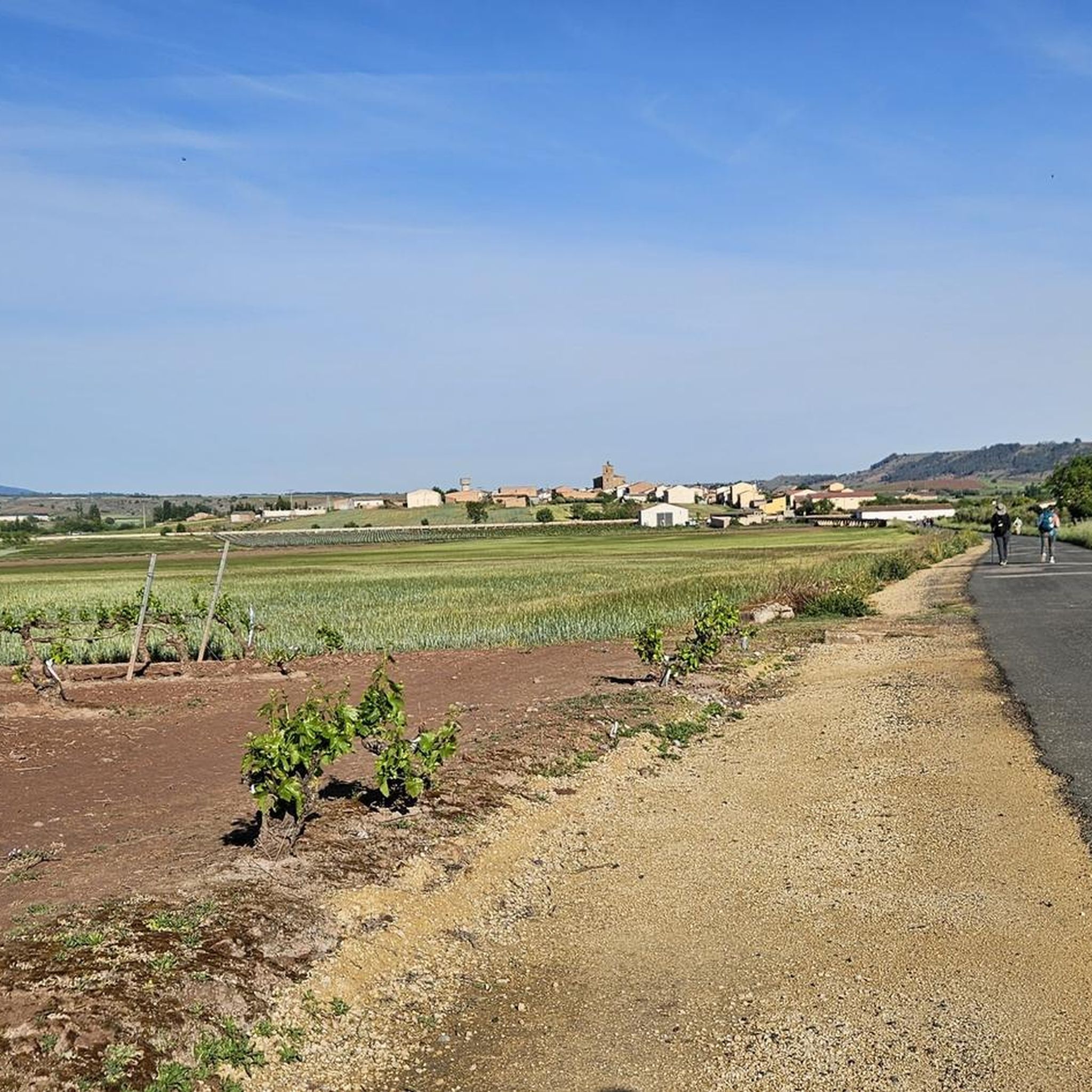
Cordovín is nestled within extensive vineyard landscapes, characteristic of the La Rioja Alta region, offering picturesque settings for walks and photography, especially during autumn. The village is also situated in the basin of the Najerilla River, contributing to the fertile land and natural beauty of the area.
Are there historical or cultural sites to visit in Cordovín?
Yes, Cordovín offers several historical and cultural sites. You can visit the 19th-century Neoclassic Santa María Church, the house where the beatified Jerónimo Hermosilla lived, and the San Cristóbal Chapel, a site of local devotion. The San Cristóbal Fountain, built in honor of the patron saint, also features a mosaic depicting local traditions.
What kind of outdoor activities are available near Cordovín?
The area around Cordovín is excellent for outdoor activities. You can find numerous routes for hiking, running, and gravel biking. Popular trails include the Camino Francés: Nájera and Alesón Loop for hiking, and various routes along the Najerilla River for running and biking.
Are there any family-friendly attractions in the area?
Yes, several attractions cater to families. The Suso and Yuso Monasteries (San Millán de la Cogolla) are considered family-friendly. Additionally, the Park on the riverbank (Nájera) offers large green areas with benches, perfect for families to relax and enjoy the outdoors, with pilgrims often dipping their feet in the cold water.
Can I visit local wineries in Cordovín?
Cordovín is known for its many individual winemakers and small wineries, with rosé wine being a local specialty. Some wineries, like Bodegas César del Río, are expanding to offer wine tourism experiences and meals, providing an authentic taste of the region's viticultural heritage.
What is the significance of the monasteries near Cordovín?
The monasteries near Cordovín, particularly the Suso and Yuso Monasteries (San Millán de la Cogolla), are UNESCO World Heritage Sites. They are celebrated for their historical, artistic, religious, linguistic, and literary value, and are considered the birthplace of the first written words in Castilian Spanish. The Monastery of Santa María de San Salvador is also a significant Cistercian community with a unique blend of Romanesque, Gothic, and Neoclassical styles.
Are there hiking opportunities around Cordovín?
Absolutely. The region offers diverse hiking trails, ranging from easy to moderate. You can explore routes like the Camino Francés: Nájera and Alesón Loop, or the Monastery of Suso loop from San Millán de la Cogolla. The vineyard landscapes also provide scenic paths for leisurely walks.
What is the "Route of the Monasteries"?
The "Route of the Monasteries" is an interesting tourist triangle that includes the significant Monasteries of San Millán de Yuso and Suso, both UNESCO World Heritage Sites. Cordovín's location places it within this route, allowing visitors to easily access these historically rich sites.
Where can I find scenic views in the Cordovín area?
For beautiful panoramic views, consider visiting the Poyo de Roldán Stone Hut. This hill offers expansive vistas of the surrounding landscape. The vineyard landscapes themselves also provide numerous picturesque spots, especially during the changing seasons.
What do visitors particularly enjoy about the attractions near Cordovín?
Visitors appreciate the blend of historical significance and natural beauty. The Poyo de Roldán Stone Hut is loved for its beautiful views and local legend. The Suso and Yuso Monasteries are highly valued for their architectural and cultural heritage, including their connection to the Spanish language. The Park on the riverbank in Nájera is enjoyed for its green spaces and as a relaxing stop.
Is Cordovín known for any specific type of wine?
Yes, Cordovín is particularly known for its rosé wine. The village is situated in the heart of La Rioja Alta, a region renowned for its wine production, and its local winemakers specialize in this variety.
What are some unique historical landmarks in Cordovín itself?
Beyond the Santa María Church, Cordovín is home to the house where the beatified Jerónimo Hermosilla lived, offering a significant cultural and historical connection. The San Cristóbal Chapel, built in 1895, and the San Cristóbal Fountain from 1949, both dedicated to the town's patron saint, also hold unique local historical value.
Are there options for running or gravel biking near Cordovín?
Yes, the area provides excellent opportunities for both running and gravel biking. You can find various routes, including those along the Najerilla River, with options ranging from moderate to difficult, such as the Riverside Park of Nájera loops for running and the Red Cliffs of Navarrete loop for gravel biking.
What is the best time of year to visit Cordovín for outdoor activities?
The vineyard landscapes are particularly picturesque during autumn when the leaves change color, making it an ideal time for walks and photography. Spring and early summer also offer pleasant weather for hiking, running, and biking before the peak summer heat.
Are there any parks or green spaces for relaxation near Cordovín?
While Cordovín itself is surrounded by vineyards, the nearby town of Nájera offers the Park on the riverbank. This area features large green spaces with lawns and benches along the Najerilla River, providing a perfect spot for relaxation and enjoying nature.

Get inspired with the komoot mobile app


Explore more
Still not found the Highlight you’re looking for? See guides of the top attractions in other regions:
