Attractions and Places To See around Tronchón - Top 10
Best attractions and places to see around Tronchón include a variety of historical sites and natural landscapes in the province of Teruel, Spain. This medieval village is situated at 1009 meters above sea level, offering a tranquil experience within a mountainous environment. Declared a Historic-Artistic Site, Tronchón features significant architectural heritage and is known for its traditional crafts and the famous Tronchón cheese. The surrounding Maestrazgo Cultural Park provides opportunities for exploring natural features and engaging in outdoor activities.
Best…
Last updated: June 23, 2026
Cantavieja
Highlight • Settlement
Translated by Google •
Tip by

Fortanete Village
Highlight • Settlement
Translated by Google •
Tip by

Sign up now to discover places like this
Get recommendations on the best single tracks, peaks, & plenty of other exciting outdoor places.
Sign up for free
Mirambel
Highlight • Settlement
Translated by Google •
Tip by

Cantavieja Historic Town Center
Highlight • Historical Site
Translated by Google •
Tip by
Villarluengo
Highlight • Settlement
Translated by Google •
Tip by
Sign up for free to discover even more attractions around Tronchón.
Sign up for free
Already have an account?
Start today with a free account
Your next adventure awaits.
Login or Signup

Tips from the Community

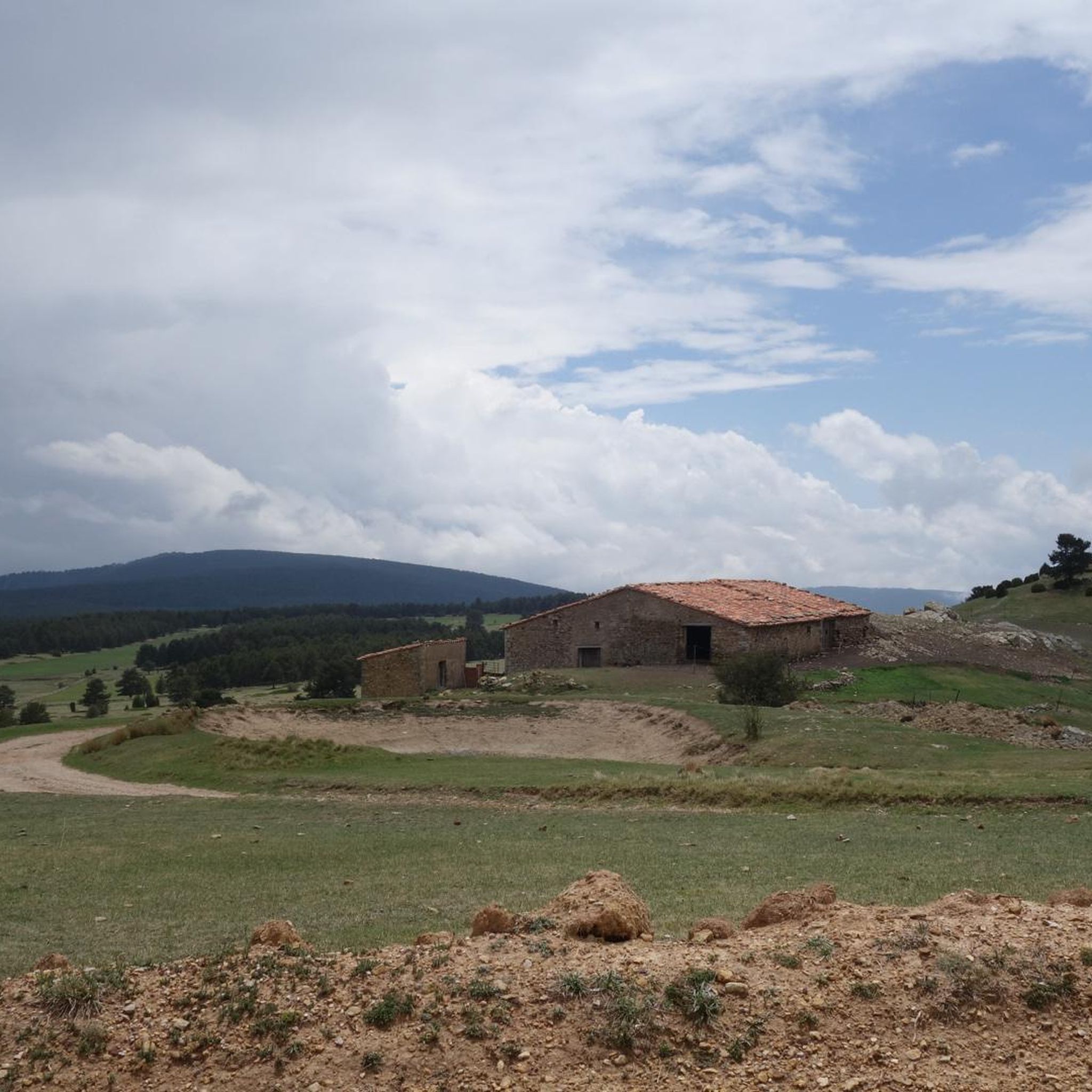
We also find numerous interesting buildings scattered throughout the rest of the municipality. For example, the castle of El Cid (11th-12th century), the fortified farm of La Torre. Also several hermitages such as those of Loreto (1648), Santa Bárbara (1715), San Cristóbal (around 1500) and Buen Suceso, in short, definitely worth a visit.
1
0
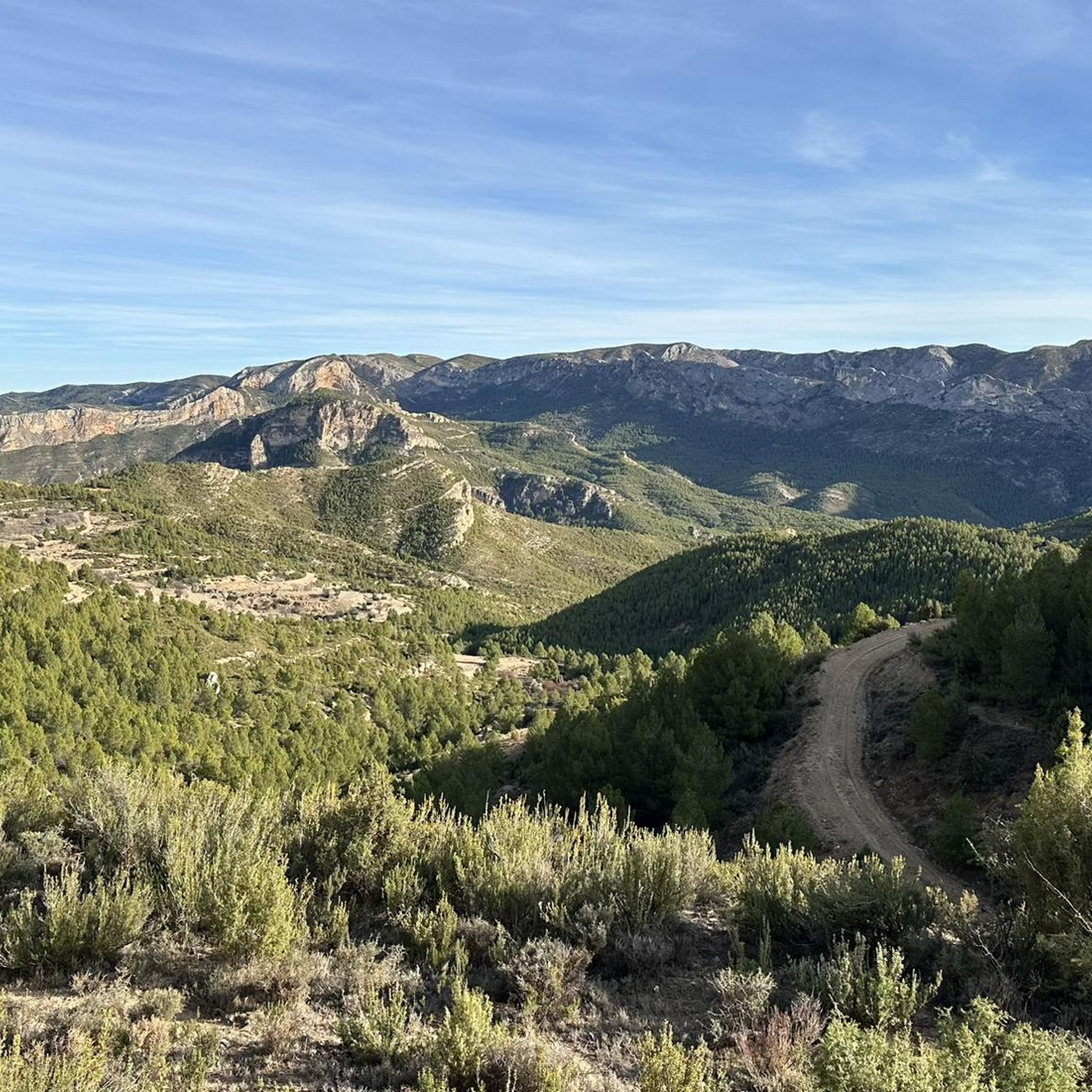
Fortanete offers incredible views and is surrounded by two rugged mountain ranges: the Sierra de la Cañada and the Tarrascón-Las Las Lastras mountain ranges. The natural environment is mainly dominated by high, cool pastures and especially by the extensive and well-preserved winter pine forests.
1
0

Cantavieja is a captivating destination that promises a unique combination of history, nature and culture in the heart of the province of Teruel.
10
0

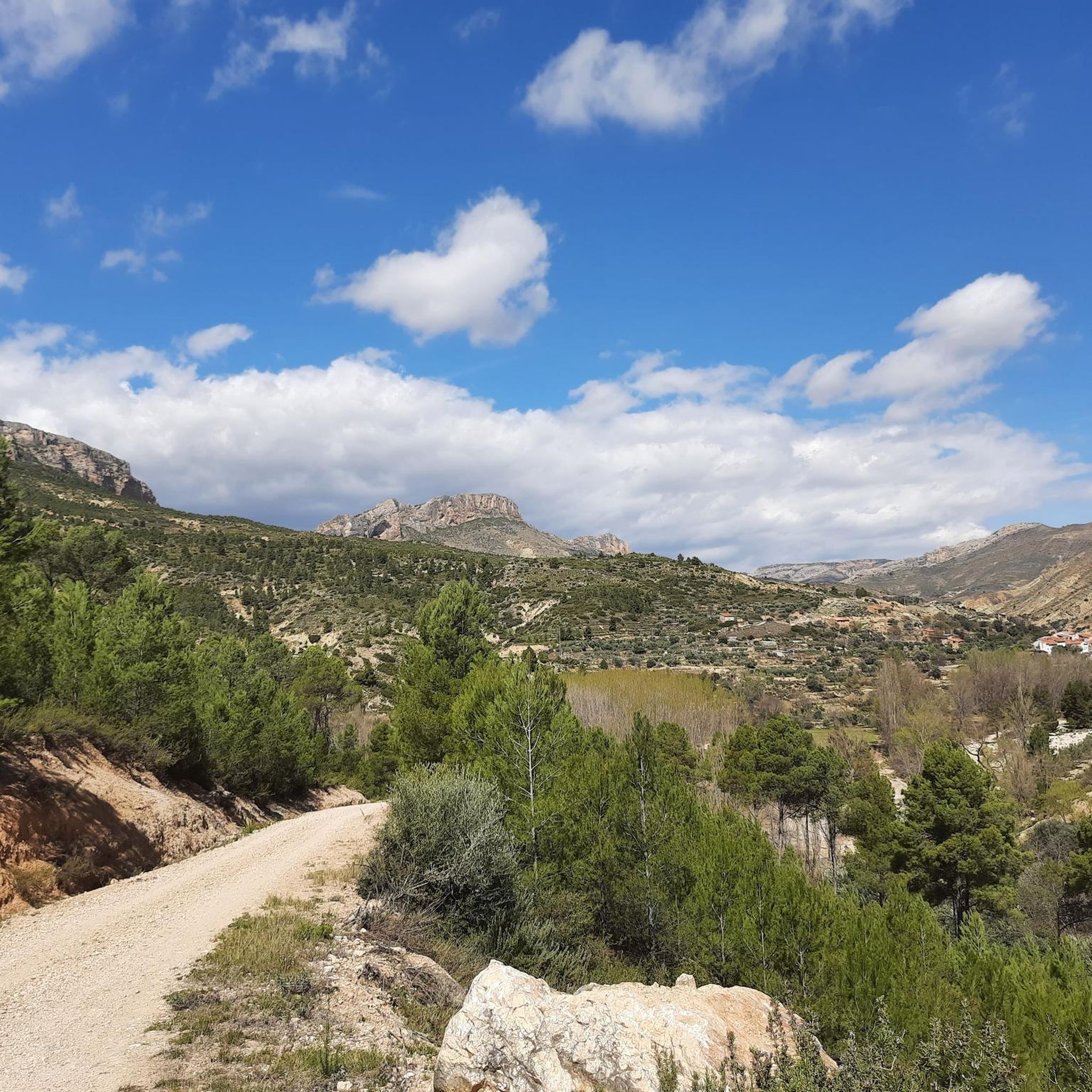
The first time we see the town of Villarluengo, it will leave us speechless due to its location, as it is located on top of a rocky hill next to a deep ravine. If we go through Villarluengo it is worth visiting the Balcony of the Forasteros, the Town Hall building, the parish church or the Hermitages of San Bartolomé and San Cristóbal. If we feel like enjoying nature, we can visit the natural monument of Los Órganos de Montoro or the port of Cuarto Pelado.
2
0
Cantavieja is another wonderful town belonging to the Teruel Maestrazgo that will encourage us to get lost in its ancient and beautiful streets and corners until we reach the town's castle. Without a doubt, the town of Cantavieja deserves to be listed among the 100 most beautiful towns in Spain.
2
0
Fortanete, located at 1353 meters above sea level, is an Aragonese town and municipality, a beautiful town nestled in the Teruel Maestrazgo. Without a doubt, it is worth visiting (the tourist office is located in the Town Hall) the town, the Roman bridge, the bakery and the wood oven. The origin of the town of Fortanete, as it is known today, dates back to the Middle Ages
1
0

The town of Mirambel is included in the list of the 100 most beautiful in Spain and with good reason! Arriving at the town the views are wonderful and when you enter the town and walk through its streets you will feel that you have traveled back in time.
2
0
Without a doubt, the town of Cantavieja deserves to be listed among the 100 most beautiful towns in Spain. As soon as you enter the town you will feel that you have traveled back in time to medieval times. Tranquility reigns and all the corners are picturesque, a town that must be visited!
3
0
Frequently Asked Questions
What historical and architectural sites can I explore in Tronchón?
Tronchón is a Historic-Artistic Site rich in heritage. You can visit the impressive Church of Santa María Magdalena, the 16th-century Town Hall with its arched marketplace, and the 14th-century Old Prison. Other notable sites include the Palace of the Marquis of Valdeolivo and the Portal del Val. Wander through the narrow, cobbled streets to discover traditional stone houses and remnants of ancient doorways.
Are there any unique cultural experiences or local products in Tronchón?
Absolutely. Tronchón is famous for its distinctive Tronchón Cheese, a sheep's milk cheese with a doughnut shape, even mentioned by Cervantes. You can learn about its production at the Tronchón Cheese Interpretation Center. The village also has a history of traditional crafts, including felt hats and ceramics.
What natural features can I find around Tronchón?
Tronchón is nestled at the foot of the Muela Monchén and is part of the Maestrazgo Cultural Park. This area offers a rich natural environment with high, fresh meadows and well-maintained pine forests, ideal for enjoying nature. While not directly in Tronchón, the broader Maestrazgo region features impressive geological formations like the Natural Monument of Los Órganos de Montoro near Villarluengo.
What outdoor activities are available near Tronchón?
The mountainous landscape around Tronchón is perfect for outdoor enthusiasts. You can find numerous routes for various activities. For hiking, consider the 'Maestrazgo Trail (GR 8): Tronchón to Mirambel' or the 'Maestrazgo Trail: Cantavieja Loop'. Cyclists can explore routes like the 'Iglesuela del Cid – Cantavieja loop'. Mountain biking trails, such as 'Masadas y Casas de San Juan', are also popular. For more details on these and other routes, visit the Hiking around Tronchón, Cycling around Tronchón, and MTB Trails around Tronchón guides.
Are there family-friendly attractions or activities in the area?
Many of the nearby villages offer family-friendly experiences. For instance, exploring the historic streets of Cantavieja or Mirambel, both listed among Spain's most beautiful towns, can be enjoyable for families. The natural surroundings also provide opportunities for easy walks and enjoying the outdoors together.
Which nearby villages are worth visiting from Tronchón?
Several charming villages in the Maestrazgo region are close by. Cantavieja and Mirambel are both recognized as some of Spain's most beautiful towns, offering a journey back in time. Fortanete Village is known for its Roman bridge and stunning views, while Villarluengo is dramatically situated on a rocky hill and offers access to natural monuments like Los Órganos de Montoro. Pitarque is also notable for the source of the Pitarque River.
What is the best time of year to visit Tronchón for outdoor activities?
The region's high altitude and mountainous terrain suggest that spring and autumn are ideal for outdoor activities like hiking and cycling, offering pleasant temperatures and vibrant landscapes. Summer can also be suitable, especially in the cooler high meadows and pine forests, while winter might offer a different, tranquil experience, though some routes could be affected by snow.
Are there any hermitages or religious sites to visit in Tronchón?
Yes, Tronchón features several hermitages. You can visit the Hermitage of Santa Ana, located at the foot of the village, and the peculiar circular-plan Hermitage of Tremedal. These offer insights into the local religious history and architecture.
What kind of architecture can I expect to see in Tronchón?
Tronchón showcases a blend of architectural styles, primarily Gothic and Renaissance, reflecting its long history. The Church of Santa María Magdalena, for example, combines these styles. The Town Hall is a fine Renaissance building, and you'll find traditional stone houses with red tiles throughout the village, along with remnants of a possible Romanesque doorway and various mansions.
Where can I learn more about the history of Tronchón?
Tronchón was declared a Historic-Artistic Site in 1983, indicating its significant historical value. Exploring its medieval village center, including the Town Hall, Old Prison, and the Palace of the Marquis of Valdeolivo, provides a direct encounter with its past. The village's historical isolation has also contributed to preserving its unique character and traditions.
What makes the Maestrazgo Cultural Park significant for visitors?
The Maestrazgo Cultural Park, which includes Tronchón, is significant for its rich natural and cultural heritage. It boasts impressive geology, archaeological sites, and examples of Levantine Gothic, Renaissance, and Baroque architecture. The park's natural environment, with its high meadows and well-preserved pine forests, makes it an excellent area for nature exploration and outdoor activities.
Most popular routes around Tronchón

Get inspired with the komoot mobile app


Explore more
Still not found the Highlight you’re looking for? See guides of the top attractions in other regions:
