Attractions and Places To See around Urrea De Gaén - Top 7
Best attractions and places to see around Urrea De Gaén include a blend of historical landmarks and natural settings within the province of Teruel, Aragón. The area features a rich cultural heritage, including its Moorish origins and Roman archaeological sites. Situated between the Iberian Sierras and the Ebro Valley, the region is characterized by the Río Martín and arid landscapes, offering diverse points of interest.
Best attractions and places to see around Urrea De Gaén
- The most popular attractions is…
Last updated: June 29, 2026
La Torica Aqueduct
Highlight • Monument
Translated by Google •
Tip by

Albalate del Arzobispo Historic Center
Highlight • Historical Site
The church is …
Translated by Google •
Tip by

Sign up now to discover places like this
Get recommendations on the best single tracks, peaks, & plenty of other exciting outdoor places.
Sign up for free
Samper de Calanda (Hermitage of Santa Quiteria)
Highlight • Religious Site
Translated by Google •
Tip by

Hermitage of Santa Quiteria
Highlight • Religious Site
Translated by Google •
Tip by
Híjar
Highlight • Settlement
Translated by Google •
Tip by
Sign up for free to discover even more attractions around Urrea De Gaén.
Sign up for free
Already have an account?
Start today with a free account
Your next adventure awaits.
Login or Signup

Tips from the Community

impressive construction in the middle of nowhere
0
0

Beautiful Mudejar church and curious sculptures. We have shops and a couple of fountains
0
0

The La Torica aqueduct was built in the 19th century as a work linked to the new railway route. In fact, it gets its name from the nickname of the locomotive that pulled the train.
1
0

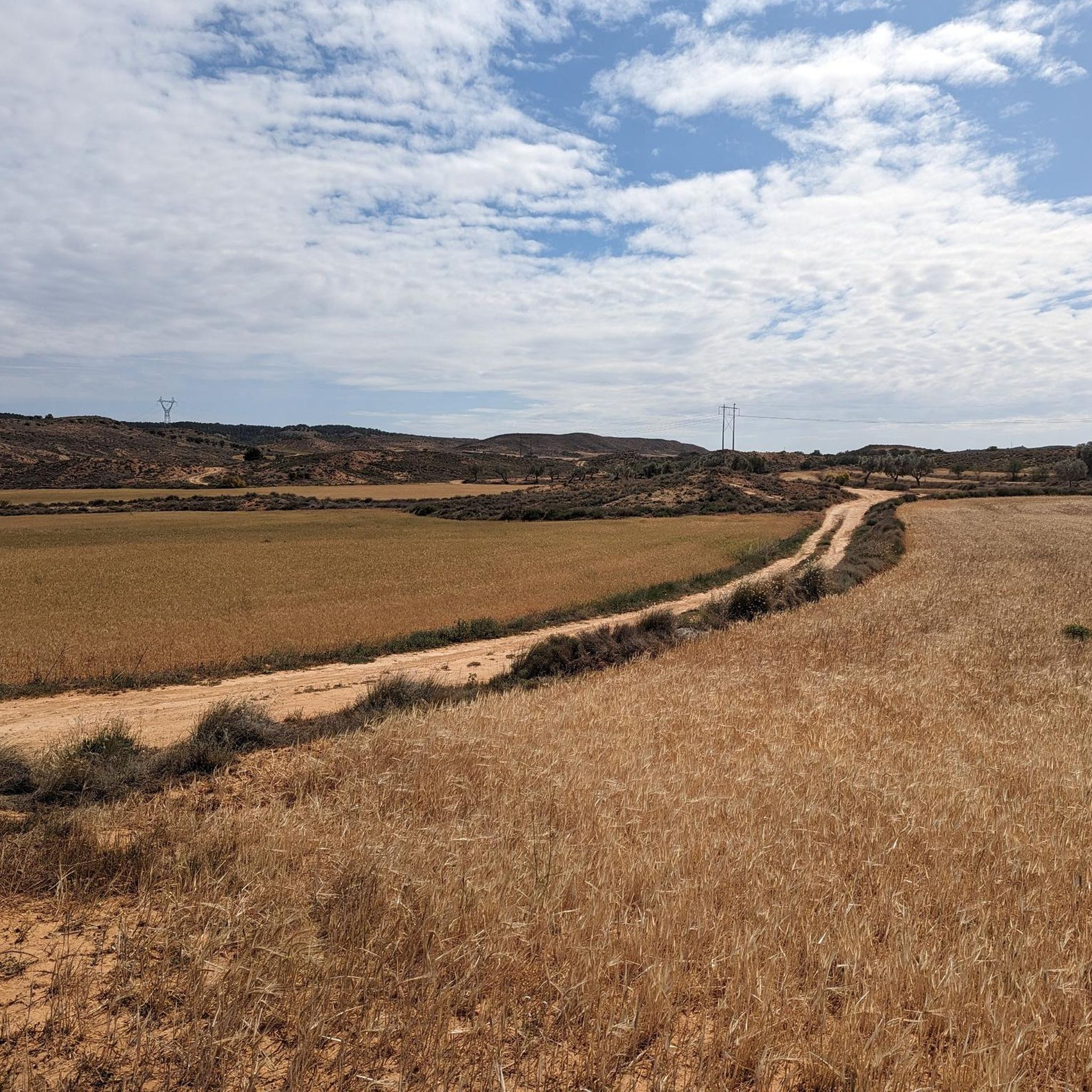
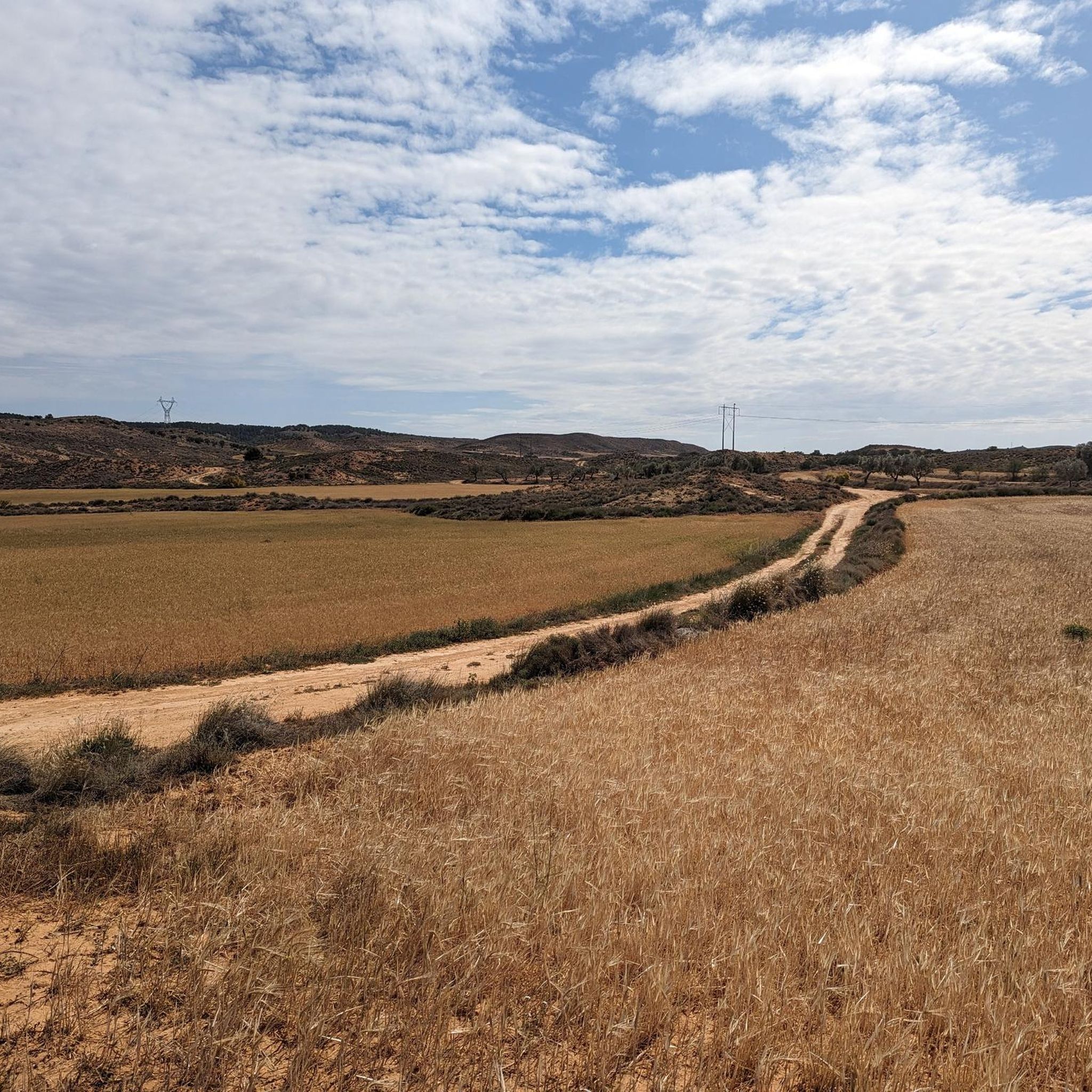
The relief of the municipality is characterized by the so-called Calanda Desert, an arid area with little rainfall, only softened by the presence of the Martín River, which crosses the territory to the west. The Hermitage of Santa Quiteria is located towards the train station and to the left, you arrive at the hermitage, where water miraculously flows in such an arid land.
0
0
The relief of the municipality is characterized by the so-called Calanda Desert, an arid area with little rainfall, only softened by the presence of the Martín River, which crosses the territory to the west. The Hermitage of Santa Quiteria is towards the train station and to the left, you come to the hermitage, where water miraculously flows in such an arid land.
0
0
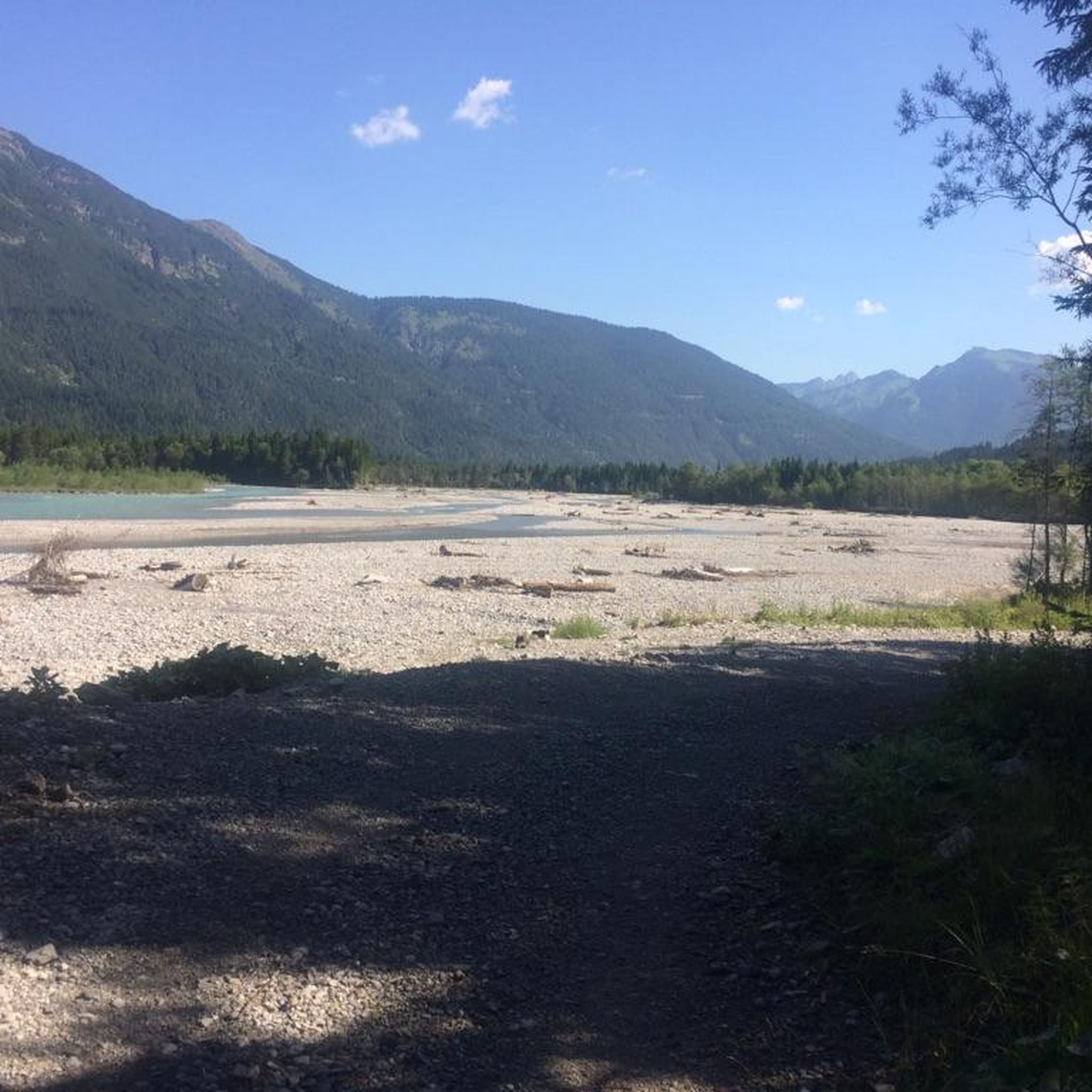
The relief of the municipality is characterized by the presence of the river Martín, a tributary of the Ebro, which creates a characteristic valley near the town. The Martín river valley is a natural area with an important landscape, the steppes being one of the most peculiar environments in the area.
0
0
Beautiful town on the banks of the Río Martín, shaped by a historic center with narrow and picturesque streets in the old middle of the Bajo Martín.
0
0

This town at the foot of the Sierra de Arcos and crossed by the Martín River has an urban area that has been declared a Historic-Artistic Site. The church is Gothic-Renaissance in style except for its tower, which is Mudejar. On the other hand, the archiepiscopal palace castle is representative of the civil Gothic of Bajo Aragonese.
1
0
Frequently Asked Questions
What historical sites can I explore in Urrea de Gaén?
Urrea de Gaén offers a rich history. You can visit the Albalate del Arzobispo Historic Center, an urban area declared a Historic-Artistic Site with narrow streets, a Gothic-Renaissance church, and an archiepiscopal palace castle. The town itself is known as the last Moorish *aljama* of Bajo Aragón, with its urban layout reflecting Muslim heritage. Don't miss the 18th-century Baroque-classicist Church of San Pedro Mártir, the Roman Villa "La Loma del Regadío" with its mosaics, and the 16th-century Arch of the Virgen de Arcos.
Are there any archaeological sites in the area?
Yes, the Roman Villa "La Loma del Regadío" is an important archaeological site near Urrea de Gaén. Dating from the 2nd to 4th centuries AD, it showcases remains of an agricultural villa, including mosaics and evidence of ancient olive oil production, making it one of Aragon's finest examples of a Late Imperial Roman settlement.
What cultural experiences does Urrea de Gaén offer?
Urrea de Gaén is known for its vibrant cultural traditions. It's a proud member of the "Ruta del Tambor y del Bombo" (Route of the Drum and Bass Drum) of Bajo Aragón, especially during Holy Week. The solemn ritual of "Romper la hora" on Holy Thursday is a particularly impactful highlight. You can also visit the Toy Museum (Museo del Juguete) for a nostalgic journey through the history of play, or the Birthplace of Pedro Laín Entralgo, a key cultural spot.
What natural features can I enjoy around Urrea de Gaén?
The town is situated by the scenic Río Martín, which creates a distinctive valley and natural area. The surrounding landscape, nestled between the Iberian Sierras and the Ebro Valley, offers tranquil natural settings. You can also explore the Barranco de Valdoria ravine or the unique arid landscape of the Calanda Desert, softened by the Río Martín.
Are there family-friendly attractions in Urrea de Gaén?
Yes, several attractions are suitable for families. The La Torica Aqueduct is an impressive man-made monument that can spark interest. The Albalate del Arzobispo Historic Center offers picturesque streets to explore. Additionally, the Val de Zafán Greenway is a great option for family cycling or walking, featuring bridges and tunnels.
What outdoor activities can I do near these attractions?
The region around Urrea de Gaén offers various outdoor activities. For cycling, you can explore the Road Cycling Routes or MTB Trails. There are also Running Trails available. The Val de Zafán Greenway is particularly popular for both hiking and cycling.
Are there any notable architectural structures or bridges to see?
Absolutely. The La Torica Aqueduct is an impressive 19th-century construction linked to a former railway route. In the town itself, you'll find the majestic 18th-century Church of San Pedro Mártir with its prominent bell tower and elliptical floor plan. The 16th-century Arch of the Virgen de Arcos and the beautiful Arch of San Roque, crowned by an octagonal dome, are also significant architectural features.
What is the significance of the Río Martín in the area?
The Río Martín is central to the landscape and character of Urrea de Gaén and its surroundings. It creates a distinctive valley near the town, forming a natural area with important ecological and scenic value. Towns like Híjar and Albalate del Arzobispo Historic Center are shaped by its presence, and it softens the arid relief of the Calanda Desert.
What do visitors enjoy most about the attractions around Urrea de Gaén?
Visitors appreciate the blend of historical depth and natural beauty. They often highlight the impressive construction of the La Torica Aqueduct and the charm of the Albalate del Arzobispo Historic Center with its narrow, picturesque streets and Mudejar architecture. The tranquil natural areas created by the Río Martín, such as those near Híjar, are also highly valued.
Are there any unique historical shelters in the region?
Yes, you can find 'Cubiertos' in the area. These are 19th-century shelters with attached stone pillars (peirones), traditionally used as refuges during storms. They are named after various saints and some are currently undergoing restoration, offering a glimpse into local heritage and practical architecture.
What is the <a href="https://www.komoot.com/highlight/5818713" target="_blank" rel="noopener">Val de Zafán Greenway</a>?
The Val de Zafán Greenway is a beautiful former railway line that has been converted into a common route for walking and cycling. It connects several towns in the area and features a series of bridges and tunnels, making it a scenic and accessible option for outdoor enthusiasts.
Can I visit any religious buildings in Urrea de Gaén?
Yes, the most prominent is the majestic 18th-century Baroque-classicist Church of San Pedro Mártir, a central symbol of the town. You can also visit the smaller, charming Hermitage of Santa Bárbara, which dates back to either the 16th or 18th century. Additionally, the site of El Calvario, constructed in the late 19th century, plays a significant role during Holy Week processions.

Get inspired with the komoot mobile app


Explore more
Still not found the Highlight you’re looking for? See guides of the top attractions in other regions:
