The best running trails around Torremenga
27
runners
10
runs
Jogging around Torremenga offers a diverse landscape for runners, characterized by open country roads, scenic trails, and access to significant natural features. The region features the Dehesa Boyal, with its meadows and trees, and the Pantano del Robledo reservoir, providing varied backdrops for running. Its location within Cáceres province also offers proximity to extensive trail networks, including those near Monfragüe National Park.
Best jogging routes around Torremenga
- The most popular jogging route is Cueva de La Serrana – trail run…
Last updated: June 29, 2026
5
runners
10.7km
01:35
490m
490m
Hard run. Very good fitness required. Mostly accessible paths. Some sure footedness required.
2
runners
13.8km
01:41
300m
300m
Moderate run. Good fitness required. Mostly accessible paths. Some sure footedness required.

Sign up for free
17.9km
02:08
330m
330m
Hard run. Very good fitness required. Mostly accessible paths. Some sure footedness required.
4
runners
7.97km
00:53
150m
150m
Moderate run. Good fitness required. Mostly paved surfaces. Suitable for all skill levels.
6
runners
13.3km
01:40
390m
390m
Hard run. Very good fitness required. Mostly paved surfaces. Suitable for all skill levels.
Get access to more routes and recommendations from other explorers.
Sign up for free
Already have an account?
Our route recommendations are based on thousands of hikes, rides, and runs completed by other people on komoot.
Start today with a free account
Your next adventure awaits.
Login or Signup
Tips from the Community

Cuacos de Yuste is closely linked to the Monastery of San Jerónimo de Yuste, where Charles V spent his final days, making it one of Spain's most important historical sites. The monastery, a blend of Gothic and Renaissance architecture, is considered the jewel of the municipality and receives highly praise for its state of preservation and surroundings.
2
0
Cuacos de Yuste is a village with enormous historical value, rural charm and spectacular nature, ideal for those seeking tranquility, well-preserved heritage and contact with the legacy of Emperor Charles V.
2
0

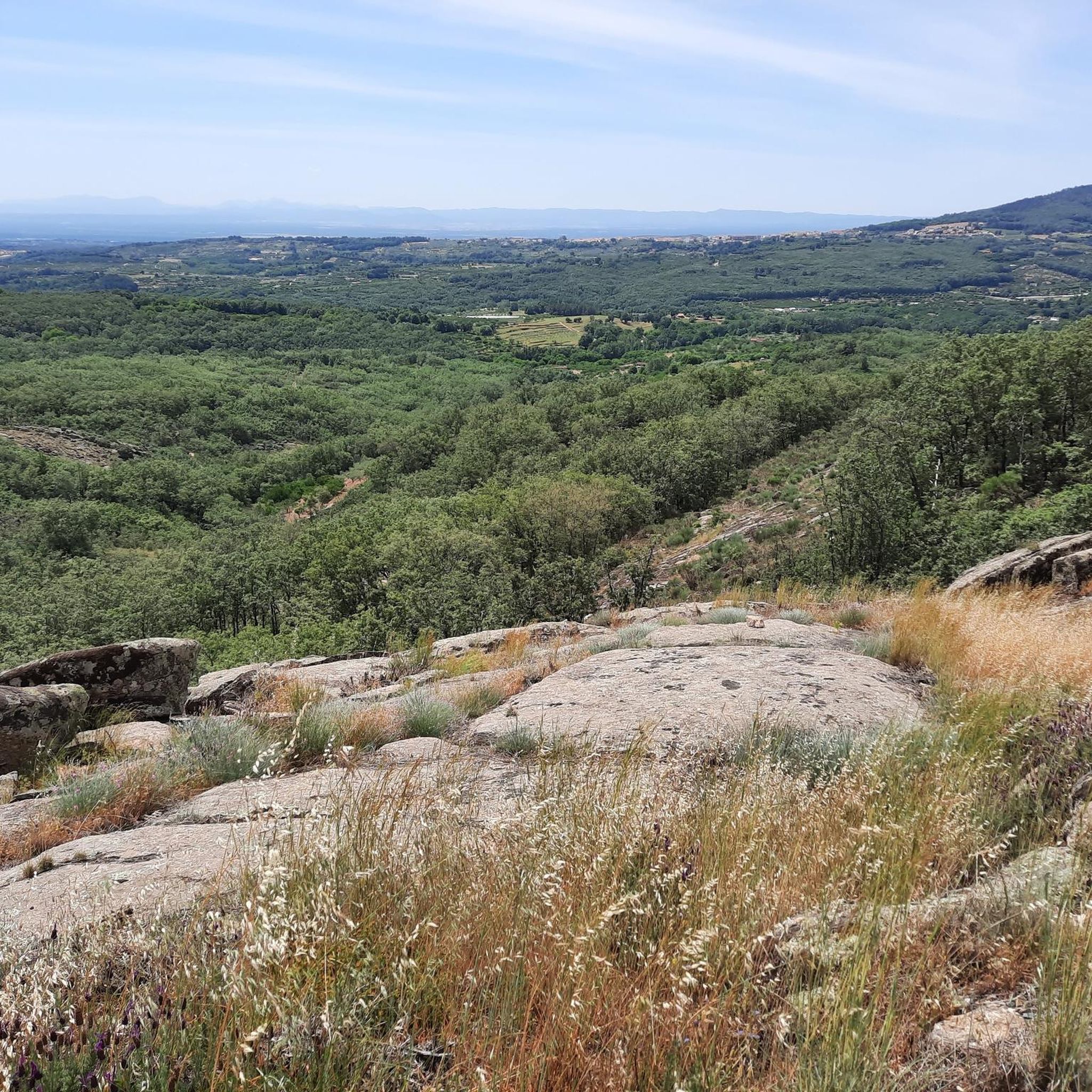
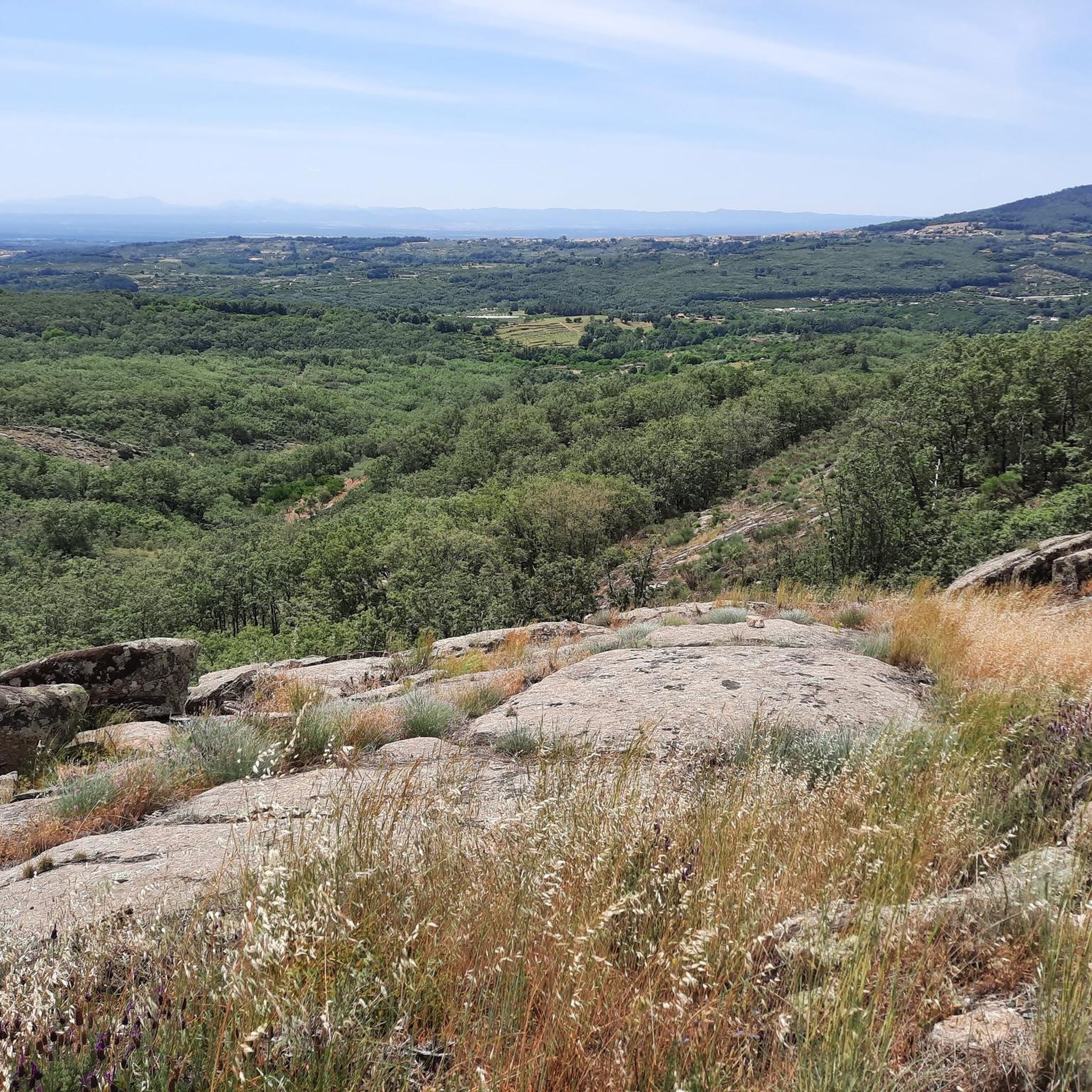
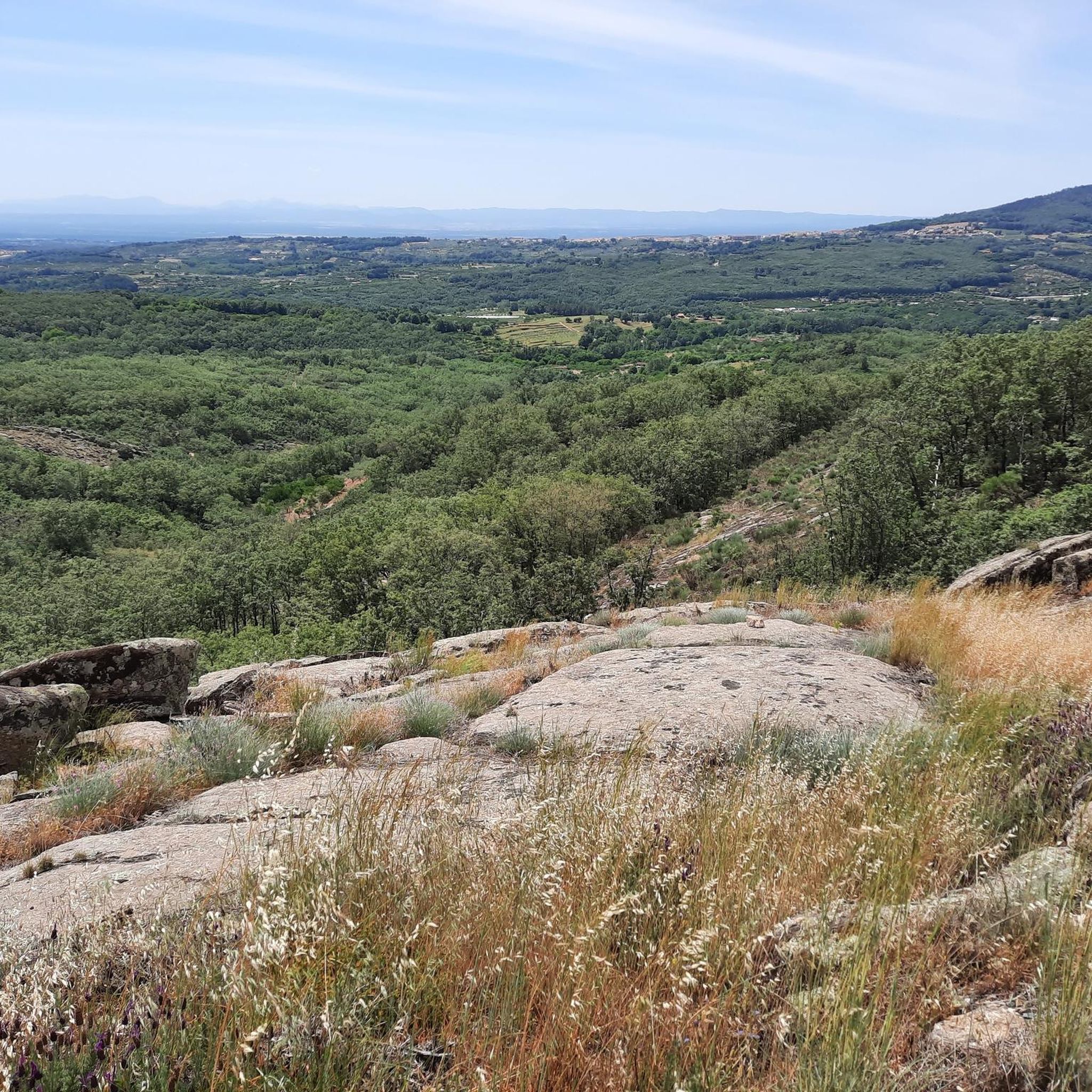
Torremenga takes its name from the ancient Torre Menguada, a Visigothic construction located northwest of the town and still visible today. It is notable for its traditional architecture, featuring old houses and granite arcades in the central square. Its natural surroundings are highly valued, with extensive pastures, cherry orchards, spots such as Las Eras and Las Tejoneras, and water areas for fishing and recreation, such as a reservoir and the municipal swimming pool.
0
0
Jaraíz de la Vera is the largest municipality in the region, with origins dating back to the Arab era, with its name derived from "harā'ith," meaning "ploughed fields." This town has historically been the economic and social center of La Vera and is recognized worldwide as the capital of the delicious La Vera paprika.
0
0
Cuacos de Yuste stands out for its traditional mountain architecture, with its masonry, adobe, and half-timbered houses, and a winding network of streets that retain their medieval essence. It is famous for the Yuste Monastery, where Emperor Charles I retired during his final years. The town also offers a natural environment rich in water, with fountains and streams that reinforce its rural and verdant character.
0
1

Medieval historic city. Some ruins of an old tower, probably from the Visigoth period, are preserved, located to the northwest of the town. Pass by the town hall and church and stop for something refreshing to eat and drink.
1
0
The historic monastery on the outskirts of the town of Cuacos de Yuste is the last resting place of Emperor Charles V. The Monastery of Yuste was originally built in 1407 and was rebuilt and expanded over the centuries.
1
1
The Yuste Monastery is known worldwide for being the last resting place of Emperor Carlos V, and is currently the venue for the Carlos V European Award ceremony in an act presided over by H.M. the king. In a privileged environment that includes natural itineraries, a visit to the Monastery allows you to discover the Royal Room, the church and the Gothic and Renaissance Cloisters.
11
1
Frequently Asked Questions
What kind of terrain can I expect on the running trails around Torremenga?
The running trails around Torremenga offer a diverse landscape. You'll find open country roads, serene dehesa landscapes with meadows and trees, and paths around the Pantano del Robledo reservoir. Some routes, like the Cueva de La Serrana trail, involve significant elevation gain, providing a challenging experience through varied natural scenery.
Are there family-friendly jogging routes in Torremenga?
While many routes in the immediate Torremenga area are rated moderate to difficult, the region's country roads and the circular path around the Pantano del Robledo reservoir (approximately 7 km) can be suitable for families looking for easier, flatter options. Always check the route details for distance and elevation to ensure it matches your family's ability.
Can I bring my dog on the running trails around Torremenga?
Generally, the natural trails and country roads around Torremenga are dog-friendly. The Dehesa Boyal and reservoir paths offer open spaces for running with your pet. However, it's always advisable to keep dogs on a leash, especially in areas with livestock or protected wildlife, and to carry water for both yourself and your dog.
Are there any circular running routes available?
Yes, there are circular running options. The Route of the White Mojón, starting from Piornal, is a popular moderate circular route. Additionally, the Pantano del Robledo reservoir offers a scenic circular path of about 7 km, perfect for a manageable run with beautiful views.
What natural features or landmarks can I see while jogging in Torremenga?
Jogging in Torremenga allows you to experience several natural features. You can run through the serene Dehesa Boyal, characterized by meadows and trees, or alongside the picturesque Pantano del Robledo reservoir. Nearby attractions include the stunning Caozo Waterfall and the historic Monastery of Yuste, which can be incorporated into longer running excursions.
Where can I park when accessing the running trails in Torremenga?
For routes originating directly in Torremenga, parking is often available in the town center, such as near Plaza de España. For trails starting in nearby villages like Garganta la Olla or Piornal, designated parking areas are usually available, for example, near Plaza Diez de Mayo in Garganta la Olla. Always check specific route descriptions for recommended parking spots.
Is public transport available to reach the jogging routes around Torremenga?
Public transport options to Torremenga and surrounding villages are generally limited. Bus services connect Torremenga to larger towns in the Cáceres province, but schedules may not always align with early morning or late afternoon running times. It's advisable to check local bus routes and timetables in advance if you plan to rely on public transport to access trailheads.
What is the best time of year for running in Torremenga?
The best time for running in Torremenga, and the wider Extremadura region, is typically during spring (March to May) and autumn (September to November). During these seasons, temperatures are milder, and the natural landscape is vibrant. Summers can be very hot, making early morning or late evening runs essential, while winters are generally mild but can be damp.
Are there options for longer distance running trails in the area?
Yes, for those seeking longer distances, routes like the Peñanegra Route offer over 17 km of trail through open country. Additionally, the proximity to Monfragüe National Park, though primarily for hiking, provides an extensive network of trails for ambitious trail runners willing to venture further for a grander scale experience.
How many running routes are available in the Torremenga area?
There are over 6 dedicated running routes around Torremenga featured in this guide, offering a range of experiences from moderate to difficult. These routes showcase the diverse landscapes of the region, from open country roads to dehesa and reservoir paths.
What are the difficulty levels of the running routes in Torremenga?
The running routes around Torremenga cater to various fitness levels, though many are on the more challenging side. You'll find options ranging from moderate, such as the Route of the White Mojón, to difficult trails like the Cueva de La Serrana trail, which includes significant elevation gain.
Are there any waterfalls along the running paths near Torremenga?
While not directly on every running path, the region around Torremenga is known for natural beauty, including waterfalls. The Caozo Waterfall is a notable natural attraction nearby that can be visited as part of a longer excursion or a separate trip after your run.
Most popular attractions around Torremenga

Get inspired with the komoot mobile app


Explore more
Browse the best Running Trails & Routes in other regions.
