Attractions and Places To See around Aljucén - Top 12
Best attractions and places to see around Aljucén, a municipality in Badajoz, Extremadura, offer a blend of historical sites and natural beauty. The area is deeply connected to its Roman origins and the historic Vía de la Plata. Visitors can explore ancient Roman works, significant cultural landmarks, and diverse natural landscapes. Aljucén serves as a gateway to Cornalvo Natural Park, providing opportunities to experience its rich biodiversity.
Best attractions and places to see around Aljucén
- The most popular attractions is…
Last updated: July 2, 2026
Proserpina Roman Dam
Highlight • Monument
Translated by Google •
Tip by

Stone Cross on the Camino
Highlight • Monument
Translated by Google •
Tip by

Sign up now to discover places like this
Get recommendations on the best single tracks, peaks, & plenty of other exciting outdoor places.
Sign up for free
Church of San Bartolomé of El Carrascalejo
Highlight • Religious Site
Translated by Google •
Tip by
Proserpina Reservoir
Highlight • Lake
Translated by Google •
Tip by
Road through fields
Highlight • Cycleway
Translated by Google •
Tip by

Sign up for free to discover even more attractions around Aljucén.
Sign up for free
Already have an account?
Start today with a free account
Your next adventure awaits.
Login or Signup
Tips from the Community

The Proserpina Dam or Reservoir is one of the oldest and best-preserved Roman hydraulic works in the world. It is located about 5 km north of Mérida, in Extremadura, and forms part of the Archaeological Ensemble of Mérida, declared a World Heritage Site by UNESCO in 1993. The name “Proserpina” was adopted in the 18th century, after the discovery of an inscription dedicated to the goddess Ataecina-Proserpina.
4
0
The Proserpina Dam or Reservoir is one of the oldest and best-preserved Roman hydraulic works in the world. It is located about 5 km north of Mérida, in Extremadura, and forms part of the Archaeological Ensemble of Mérida, declared a World Heritage Site by UNESCO in 1993.
3
0
About five kilometres to the northwest of the city is this Roman reservoir, in the same place where the famous Battle of Albuera took place. It was in this battle that Isabel la Católica decided the dispute over the throne of Castile between her and Juana “la Beltraneja”.
3
0

Alto de la Cruz. 1.5km and 60m of gradient to exit via the bike lane (or road) from Proserpina towards Mérida.
0
1
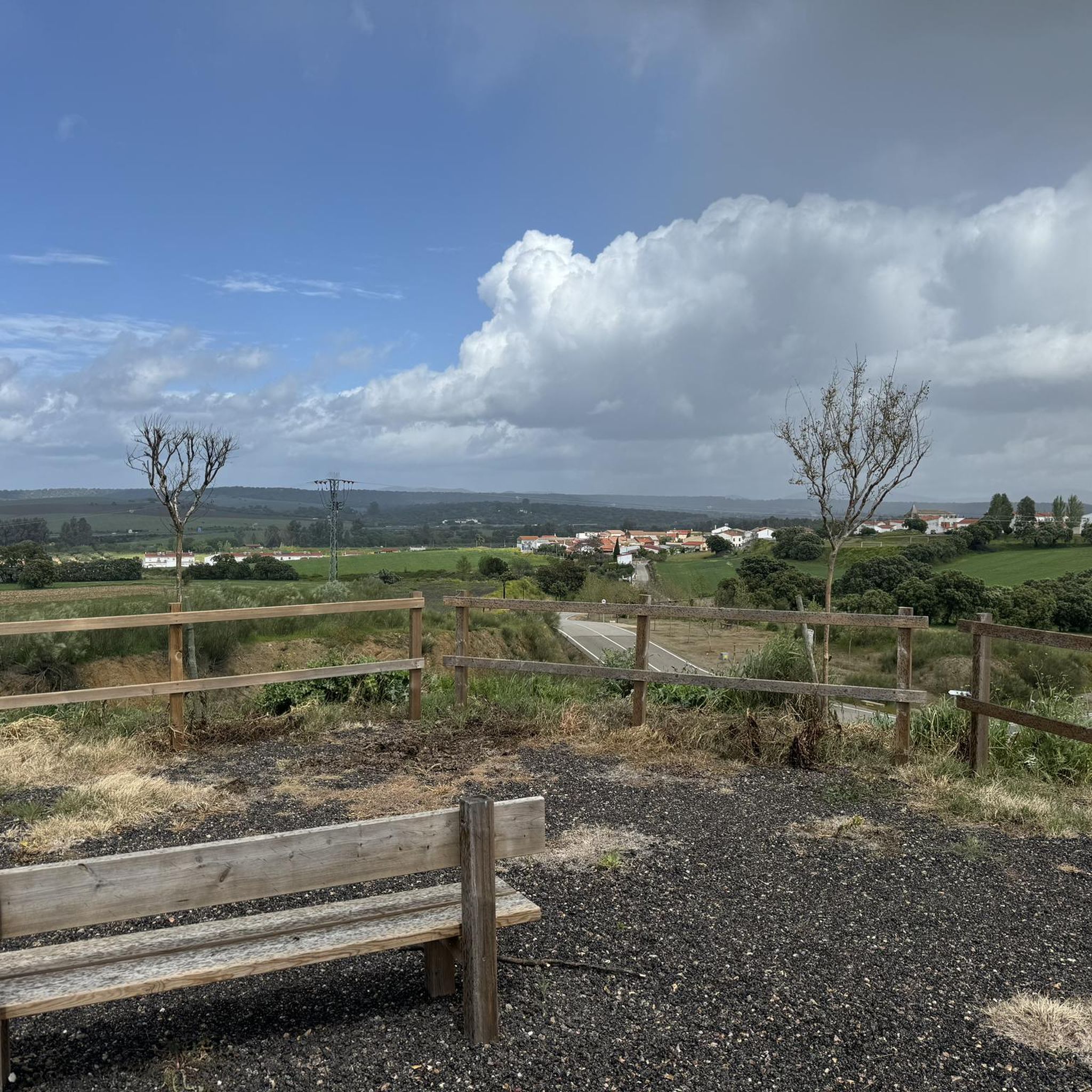
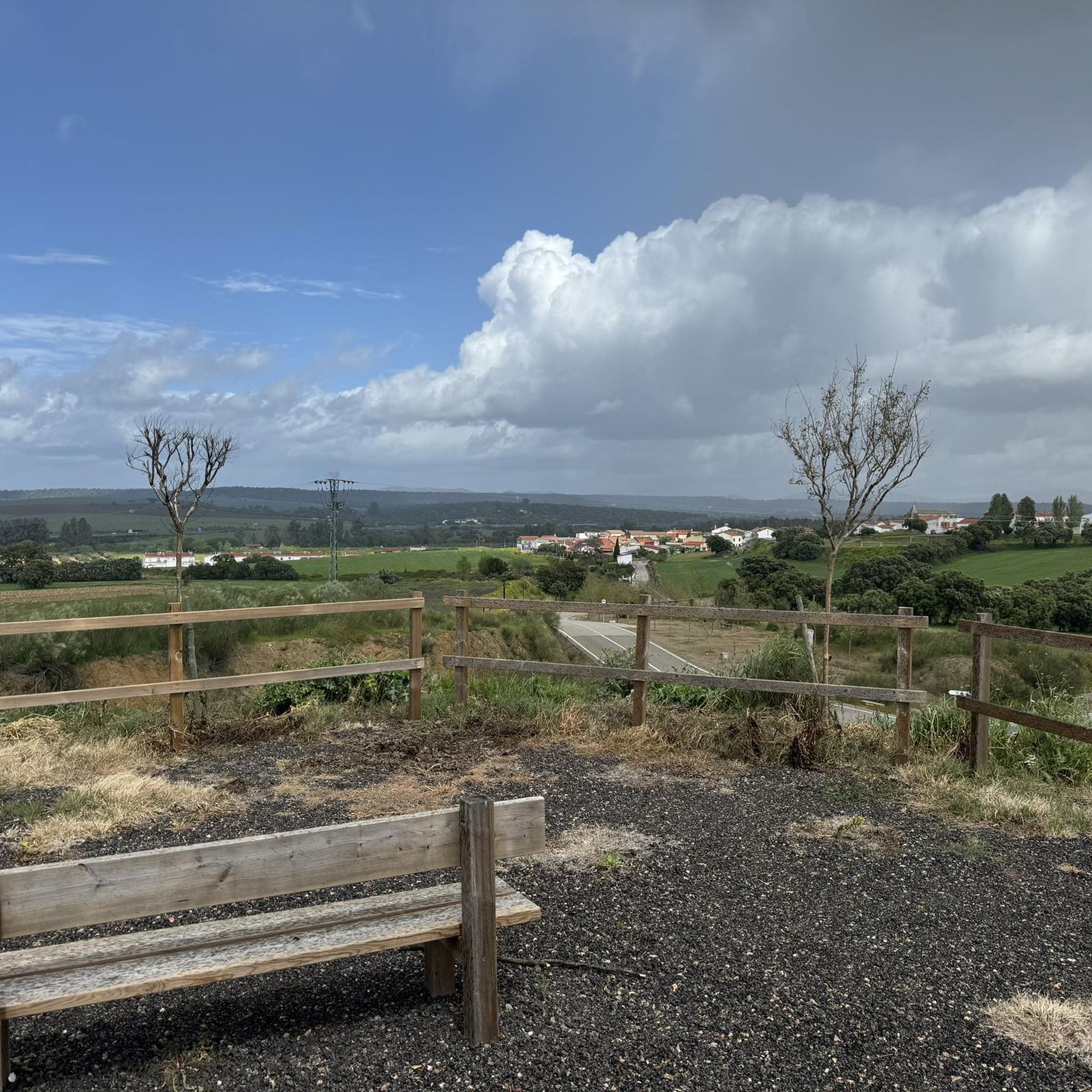
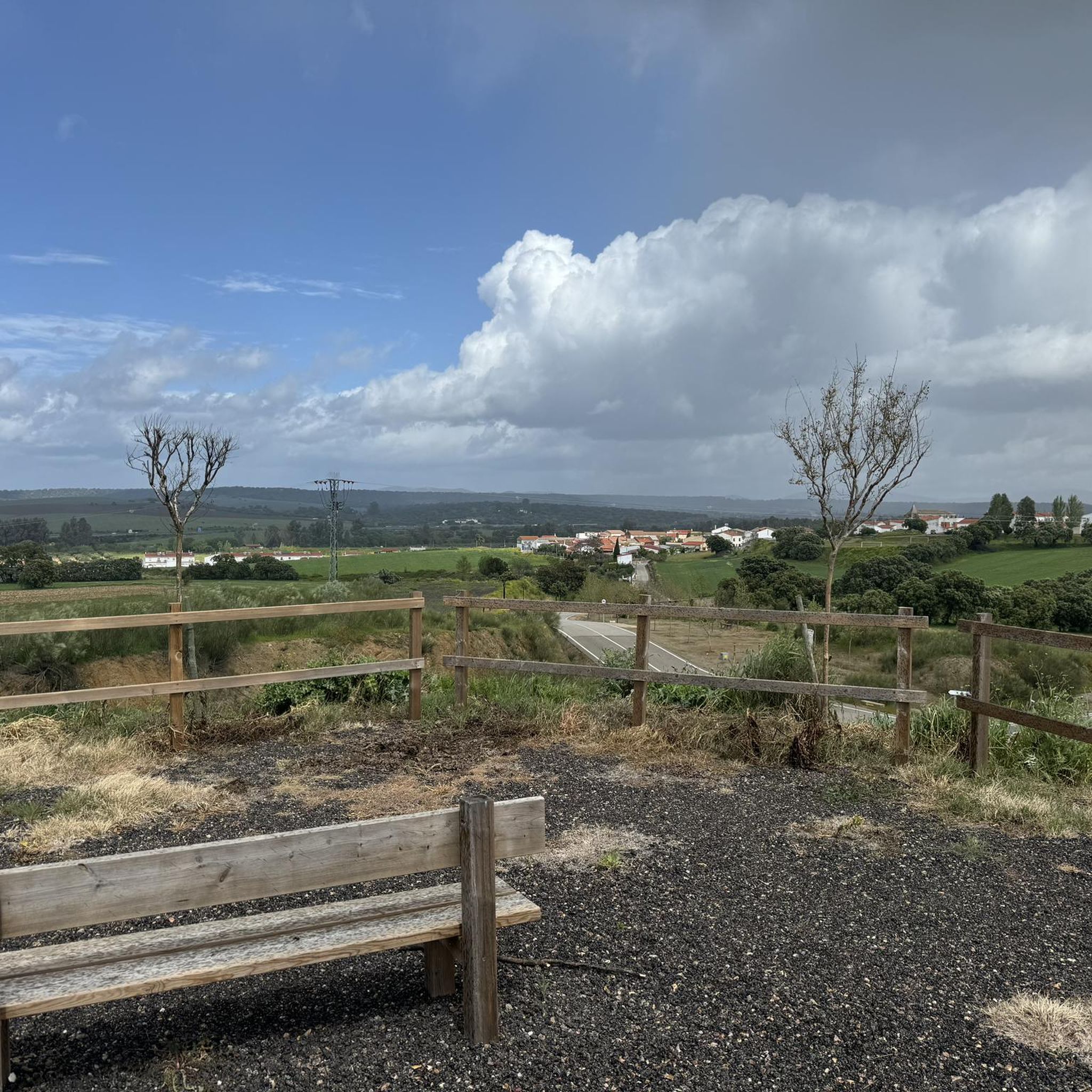
Proserpina Roman Dam. Beautiful views of the reservoir.
0
0
El Carrascalejo is located 13 km southwest of the monumental city of Mérida. In addition to its natural beauty, it is also a crossing point for pilgrims who follow the Vía de la Plata. In other words, it is part of the “path of the mestas.” Despite its small size, El Carrascalejo has a rich history and a welcoming community. An interesting place to explore! 🌿🏰
3
0

The Holy Cross together with the yellow arrow and a scallop shell are the three symbols that guide pilgrims to Santiago de Compostela. On this occasion, making a stop along the way taking advantage of the structure of the cross can be quite a luxury. Enjoy the nature of this corner of the road. You will be surprised by all the different species of both animals and plants that you can discover.
3
1

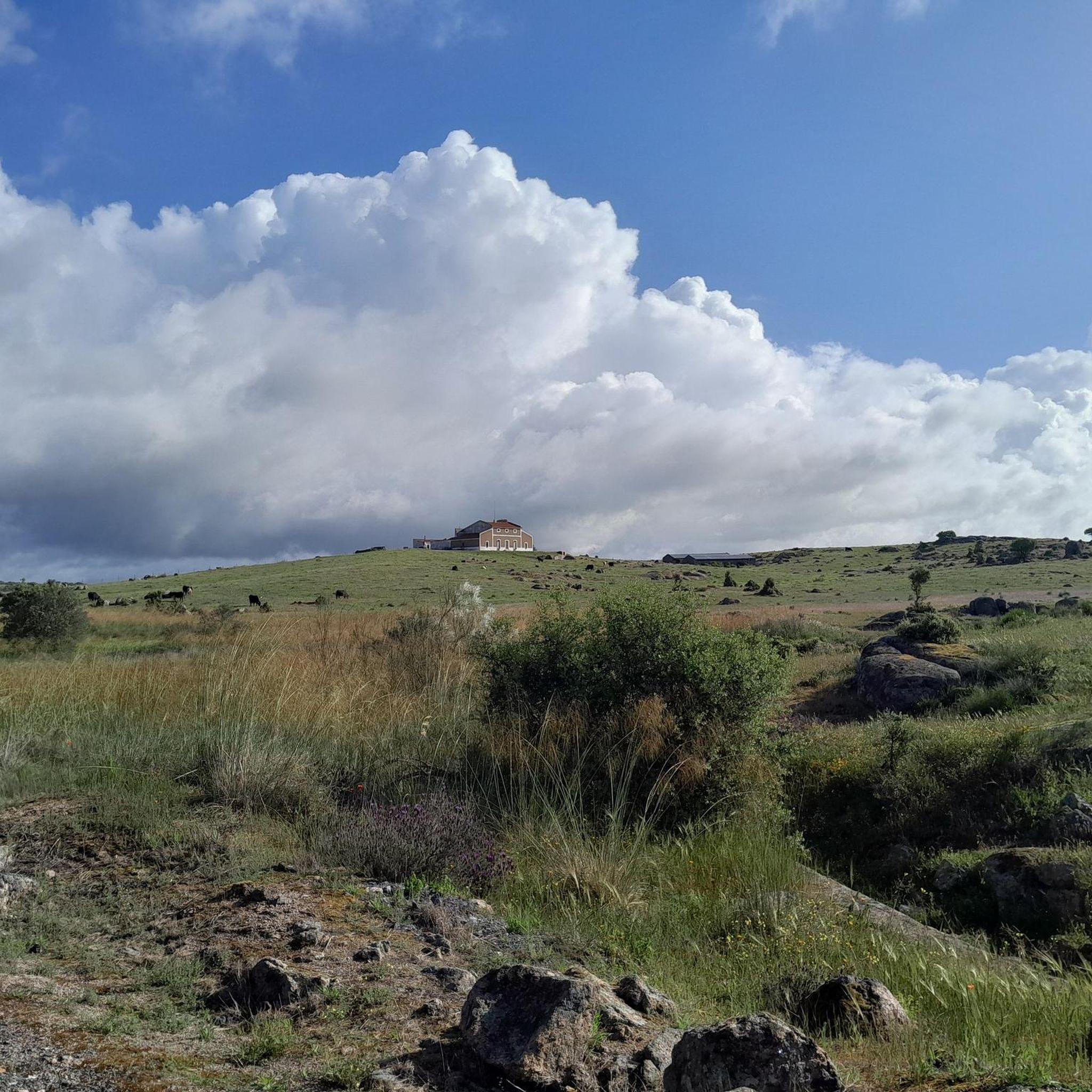
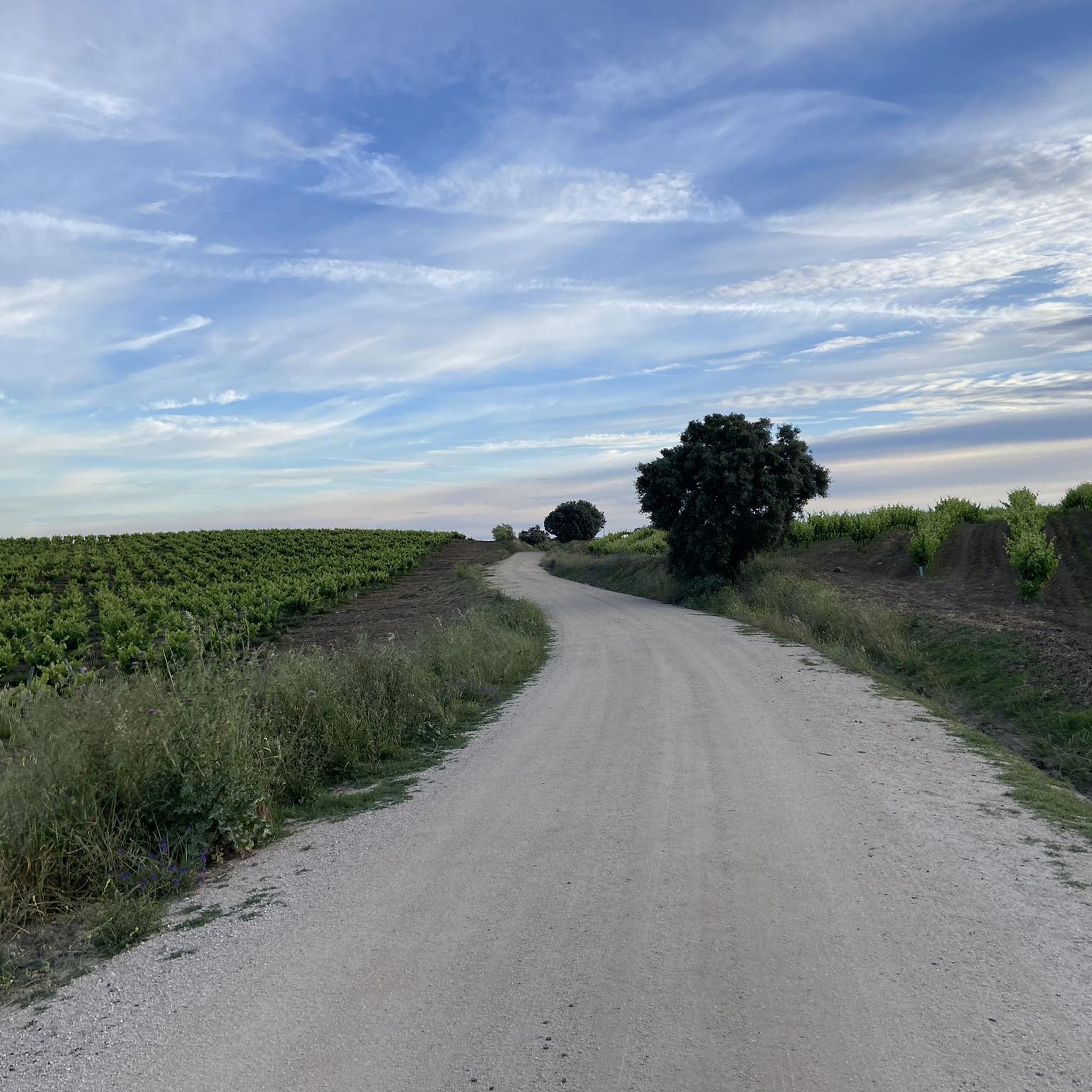
Extremadura is characterized by its agricultural tradition. Many enclaves have prospered thanks to the advantage of being on the Vía de la Plata. Throughout the route there are very long sections that pass between fields of multiple crops such as cereal, olive trees and vines among others, giving the experience a feeling of crossing the country through its bowels.
0
0
Frequently Asked Questions
What historical sites can I explore around Aljucén?
Aljucén is rich in Roman heritage. You can visit the Proserpina Roman Dam, a UNESCO World Heritage site and one of the oldest Roman hydraulic works. The Proserpina Reservoir is also a significant Roman-era site. Additionally, the region is deeply connected to the historic Vía de la Plata, an ancient Roman road, and features the Roman Bridge of Aljucén.
Are there any religious landmarks worth visiting in the area?
Yes, the Parish Church of San Andrés Apóstol, dating back to the 16th century, showcases beautiful Renaissance architectural elements. Another notable religious site is the Church of San Bartolomé of El Carrascalejo, which is also located along the Vía de la Plata.
What natural attractions are there near Aljucén?
Aljucén is situated at the gateway to the Cornalvo Natural Park, an area dominated by holm oaks, cork oaks, and ash trees, along with diverse shrubs. The Aljucén River also preserves characteristic riparian vegetation with groves of ash, poplar, and willow, hosting numerous bird species like the Cattle Egret, ducks, and cormorants.
Are there family-friendly activities or attractions around Aljucén?
Absolutely! Both the Proserpina Roman Dam and the Proserpina Reservoir are considered family-friendly. You can also find a dedicated Picnic Area Near the Roman Bridge of Aljucén, which is perfect for a relaxing outing with children.
What outdoor activities can I do near these attractions?
The area offers various outdoor activities. You can explore running trails, mountain biking routes, and road cycling routes. For specific routes, check out the Running Trails around Aljucén, MTB Trails around Aljucén, and Road Cycling Routes around Aljucén guides.
Are there hiking trails near Aljucén's attractions?
Yes, the Stone Cross on the Camino is a significant stop for pilgrims on the Camino de Santiago, offering a chance to enjoy nature along a trail. The Cornalvo Natural Park also provides numerous opportunities for walking and hiking amidst its diverse flora and fauna. You can find more hiking options in the Running Trails around Aljucén guide, which includes walking paths.
What is the Vía de la Plata and how is Aljucén connected to it?
The Vía de la Plata is an ancient Roman road that traversed the western Iberian Peninsula. Aljucén has strong ties to this historic route, with several landmarks like the Stone Cross on the Camino and the Church of San Bartolomé of El Carrascalejo serving as significant stops for pilgrims and travelers following its path.
What do visitors enjoy most about the attractions around Aljucén?
Visitors appreciate the blend of historical significance and natural beauty. The Proserpina Roman Dam is highly regarded for its ancient engineering and beautiful views of the reservoir. The Stone Cross on the Camino is valued for its peaceful natural setting and its role as a pilgrim landmark.
Are there any unique viewpoints in the Aljucén area?
The Alto de la Cruz offers scenic views and opportunities for cycling or walking. Additionally, the areas around the Proserpina Roman Dam provide beautiful vistas of the reservoir and surrounding landscape.
What kind of wildlife can I expect to see in Cornalvo Natural Park?
Cornalvo Natural Park is home to a diverse range of fauna. You can observe various bird species, including the black stork (an endangered species), as well as numerous aquatic birds like Cattle Egrets, ducks, coots, moorhens, gulls, and cormorants, especially along the Aljucén River and reservoir islands.
Is Mérida easily accessible from Aljucén, and what can I see there?
Yes, Mérida, a UNESCO World Heritage site, is very close to Aljucén. You can easily explore its extensive Roman heritage, including the impressive Roman Theater, the Temple of Diana, the Roman Circus, and the National Museum of Roman Art.
Are there places to relax or have a picnic near the attractions?
Yes, near the Roman Bridge of Aljucén, you'll find several rest areas, including a dedicated Picnic Area Near the Roman Bridge of Aljucén. This area also offers access to Termas Aqua Libera, which provides a relaxing environment with thermal baths and a beautiful garden.

Get inspired with the komoot mobile app


Explore more
Still not found the Highlight you’re looking for? See guides of the top attractions in other regions:
