Attractions and Places To See around Villaverde De Medina - Top 17
Attractions and places to see around Villaverde De Medina include a mix of cultural heritage sites and tranquil natural landscapes. This municipality in the province of Valladolid, Spain, is characterized by its peaceful environment. The area features historical landmarks and natural points of interest, offering opportunities for exploration. Flat lands are occasionally crossed by streams that flow towards the Zapardiel River.
Best attractions and places to see around Villaverde De Medina
- The most popular attractions is Collegiate Church of San Antolín, a religious building that stands as an emblematic cultural treasure. Its construction began in 1503 and continued for almost two centuries, featuring a notable balcony of the Virgin of the People and a clock tower.
- Another must-see spot is Castle of La Mota, a medieval fortress. Built in the 14th and 15th centuries, this castle is known for its reddish brick architecture and offers guided tours and cultural activities.
- Visitors also love Palacio de Dueñas Courtyard, a 16th-century Renaissance building. Designed by Luis de Vega, architect to Charles V, it reflects the grandeur of the time.
- Villaverde De Medina is known for its historical sites, religious buildings, and natural features. The region offers a variety of attractions to see and explore, from ancient structures to peaceful outdoor spots.
- The attractions around Villaverde De Medina are appreciated by the komoot community, with 9 upvotes and 8 photos shared by visitors.
Last updated: June 29, 2026
Collegiate Church of San Antolín
Highlight • Religious Site
The collegiate church is, along with the La Mota Castle, one of the most important historical buildings in Medina del Campo.
Although its main part shows characteristics of the late Gothic, its construction is complex and covers styles from the beginning of the 16th century to the 18th century.
Translated by Google •
Tip by

Castle of La Mota
Highlight • Castle
Translated by Google •
Tip by
Sign up now to discover places like this
Get recommendations on the best single tracks, peaks, & plenty of other exciting outdoor places.
Sign up for free
Medieval bridge
Highlight • Bridge
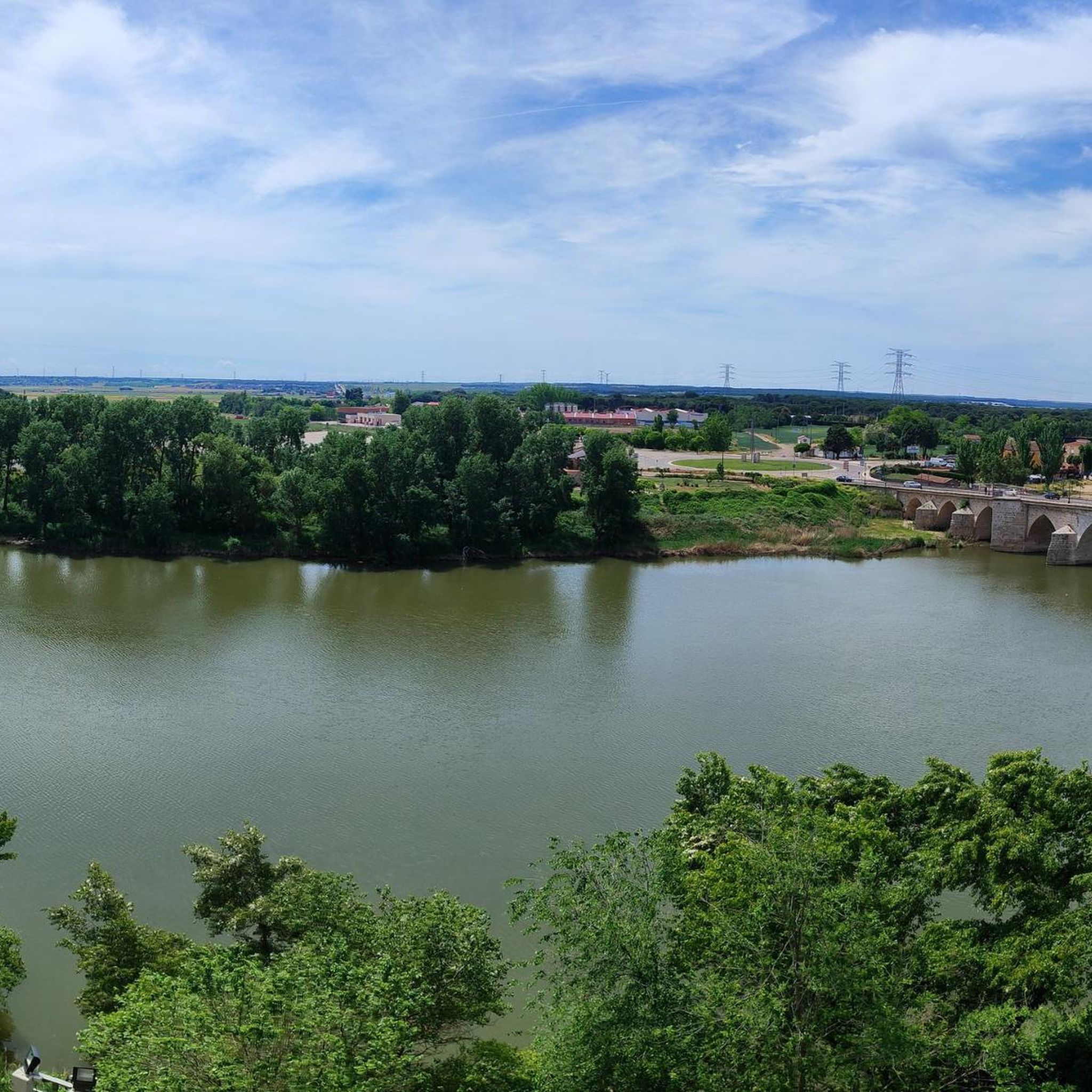
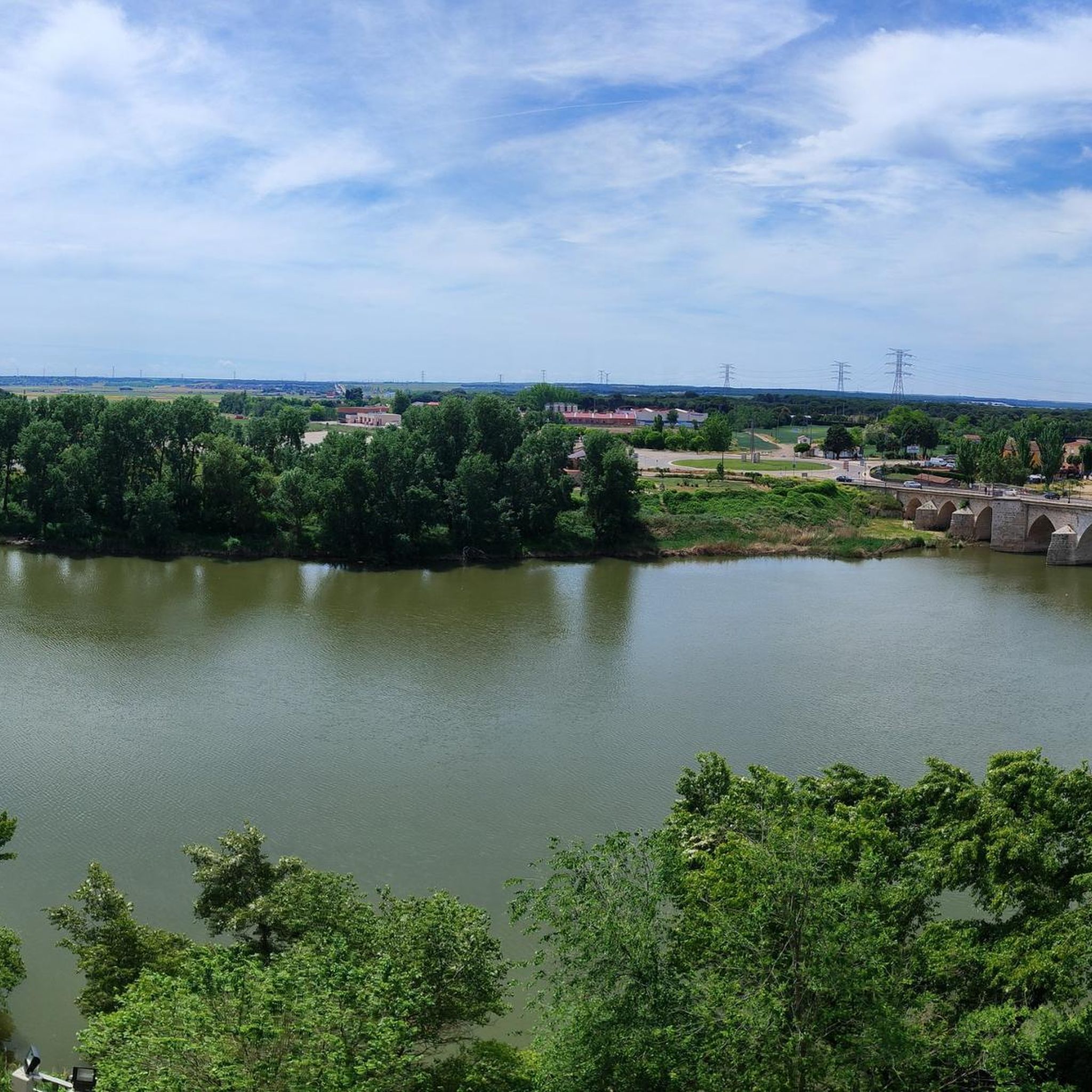
It played an important role in connecting Zofraga (abandoned after an epidemic) with Rueda, allowing the abandoned inhabitants to reach the town and carry out their agricultural work.
Translated by Google •
Tip by
Palacio de Dueñas Courtyard
Highlight • Historical Site
Translated by Google •
Tip by

Parish of the Assumption of Our Lady of Rueda
Highlight • Religious Site
It was designed by the architect Manuel Serrano and built in the mid-18th century; the main portal and altarpiece are attributed to Pedro de Sierra.
The five-tiered tower dates from the earlier Renaissance construction and was preserved in the new structure.
Declared a Site of Cultural Interest (monument) on October 17, 2013.
Translated by Google •
Tip by
Sign up for free to discover even more attractions around Villaverde De Medina.
Sign up for free
Already have an account?
Start today with a free account
Your next adventure awaits.
Login or Signup

Tips from the Community

Built in the 16th century by Diego Beltrán, a nobleman and member of the Royal Council of the Indies, around 1528–1533, on a site previously used on Santiago Street. Its design is attributed to the royal architect Luis de Vega. From 1602 to 1604, it housed the Royal Chancery; later, it served as the residence of the Marquis of Ensenada during his exile. In 1916, it was acquired by the Marquises of Argüeso; in 1950, it passed into the hands of the State and was used as a vocational institute, currently functioning as an educational center.
5
0
The bridge spans the Zapardiel River, on the old road that connected the now-abandoned village of Zofraga with Rueda, in the province of Valladolid. It played an important role in connecting Zofraga (abandoned after an epidemic) with Rueda, allowing the abandoned inhabitants to reach the town and carry out their agricultural work.
2
0
The Church of Our Lady of the Assumption in Rueda (Valladolid) is a prominent 18th-century Baroque church that, together with its Renaissance tower, shines in the heart of the town. It was designed by the architect Manuel Serrano and built in the mid-18th century; the main portal and altarpiece are attributed to Pedro de Sierra. The five-tiered tower dates from the earlier Renaissance construction and was preserved in the new structure. Declared a Site of Cultural Interest (monument) on October 17, 2013.
2
0
Also known as the Main Parish Church of San Antolín. The original parish dates back to 1177, founded by settlers from the north (Palencia) and dedicated to Saint Antolín. In 1480, the Catholic Monarchs obtained a papal bull from Pope Sixtus IV elevating its status to a collegiate church with a free abbey. Construction of the current church began in 1502 and continued into the 18th century, with prominent architects such as Juan Gil de Hontañón, Rodrigo Gil, and the Gutiérrez brothers. It lost its collegiate church status in 1851, becoming simply the main parish church.
9
0

This is a Renaissance building constructed in the 16th century. It was designed by Luis de Vega, who was the architect of Charles V. Importantly, the Marquis of Ensenada lived in exile and died in this building in December 1781.
11
0
This Gothic-style building began construction in 1503, although, as is often the case with such complex structures, it wasn't completed until almost two centuries later. It is a relatively large church, notable for the balcony of the Virgin of the People and the clock tower. The main entrance dates from the 18th century, while the side entrance is from the 16th.
11
0

It is a historic building that stands out as one of the most emblematic cultural treasures of the city. The collegiate church is, together with the Castle of La Mota, one of the most important historical buildings in Medina del Campo. Although its main part shows characteristics of the late Gothic style, its construction is complex and covers styles from the beginning of the 16th century to the 18th century.
9
0
Frequently Asked Questions
What historical landmarks can I visit around Villaverde de Medina?
The region boasts several significant historical landmarks. You can explore the impressive Castle of La Mota in Medina del Campo, a 14th-15th century fortress known for its reddish brick architecture. Another notable site is the Palacio de Dueñas Courtyard, a 16th-century Renaissance building designed by Luis de Vega.
Are there any significant religious buildings to see?
Yes, the area features prominent religious architecture. The Collegiate Church of San Antolín in Medina del Campo is an emblematic cultural treasure, with construction spanning from the 16th to 18th centuries. Additionally, the Parish of the Assumption of Our Lady of Rueda is an 18th-century Baroque church with a Renaissance tower, declared a Site of Cultural Interest.
What natural features can I explore near Villaverde de Medina?
Villaverde de Medina is known for its tranquil natural surroundings, featuring rich flora and fauna. You can find peaceful spots like the Ermita de Carrión, which has a nearby picnic area with barbecues and a natural spring. The flat lands are also occasionally crossed by streams leading to the Zapardiel River, such as the Caño de la Dehesa.
Are there family-friendly attractions in the area?
Many of the historical sites are suitable for families. For instance, the Castle of La Mota offers guided tours and cultural activities that can engage visitors of all ages. The natural settings, like the picnic area near Ermita de Carrión, also provide pleasant outdoor spaces for families.
What outdoor activities can I do around Villaverde de Medina?
The region offers various outdoor activities. You can find numerous routes for hiking, cycling, and mountain biking. For hiking, explore trails like the 'City tour through Medina del Campo' or the 'Zofraga Trail'. Cyclists can enjoy routes such as the 'Medina del Campo and Moraleja de las Panaderas Loop'. You can find more details on these activities in the dedicated guides for Hiking, Cycling, and MTB Trails around Villaverde De Medina.
Are there any wine tourism experiences nearby?
Yes, the area is part of the Rueda Wine Route. You can visit Bodegas Castelo de Medina, which offers wine tourism experiences including tours of their vineyards and facilities, along with wine tastings. This provides a great opportunity to learn about the local wine production.
What is the historical significance of the Medieval bridge?
The Medieval bridge spans the Zapardiel River and was historically crucial for connecting the now-abandoned village of Zofraga with Rueda. It allowed inhabitants to reach Rueda for agricultural work and serves as a tangible link to the region's past.
What do visitors enjoy most about the attractions in this region?
Visitors appreciate the rich blend of cultural heritage and peaceful natural landscapes. The historical sites, such as the grand castles and churches, offer deep insights into the region's past, while the tranquil surroundings provide opportunities for relaxation and outdoor enjoyment. The komoot community has shared 8 photos and given 9 upvotes to the attractions, highlighting their appeal.
Can I visit the Church of Nuestra Señora del Castillo in Villaverde de Medina?
The Church of Nuestra Señora del Castillo is a prominent landmark in Villaverde de Medina, featuring a 16th-century Renaissance apse and 18th-century Baroque elements. It houses interesting paintings and altarpieces. To visit, you should request permission from the Town Hall.
Are there any cultural foundations or centers to visit?
The Fundación Joaquín Díaz is mentioned as a place of cultural significance in the area, indicating its role in preserving and promoting local heritage. It could be an interesting stop for those interested in the region's cultural offerings.
What kind of terrain can I expect on hiking trails around Villaverde de Medina?
The region around Villaverde de Medina is characterized by flat lands, occasionally crossed by streams. This suggests that many hiking trails will likely be relatively flat and easy to moderate in difficulty, making them accessible for various fitness levels. Some routes, like the 'Zofraga Trail', are rated as difficult, indicating longer distances or more varied terrain.

Get inspired with the komoot mobile app


Explore more
Still not found the Highlight you’re looking for? See guides of the top attractions in other regions:
