Attractions and Places To See around Cerezo De Río Tirón - Top 20
Best attractions and places to see around Cerezo De Río Tirón include historical sites and natural features that showcase its rich past. Located on the banks of the Tirón River, this area has been strategically important since Roman times. Visitors can explore ancient Roman bridges, medieval castle ruins, and significant religious buildings. The region offers a journey through various historical periods, from its origins as the Autrigonian city of Segisamunculum to its role in medieval conflicts.
Best attractions and places…
Last updated: May 25, 2026
Plaza Mayor de Belorado
Highlight • Settlement
Translated by Google •
Tip by

Parish Hostel San Juan Bautista de Grañón
Highlight • Rest Area
Translated by Google •
Tip by

Sign up now to discover places like this
Get recommendations on the best single tracks, peaks, & plenty of other exciting outdoor places.
Sign up for free
Belorado
Highlight • Settlement
Tip by

Boundary Between La Rioja and Castilla y León on the Camino de Santiago
Highlight • Monument
Translated by Google •
Tip by

Leiva Castle
Highlight • Castle
Translated by Google •
Tip by

Sign up for free to discover even more attractions around Cerezo De Río Tirón.
Sign up for free
Already have an account?
Start today with a free account
Your next adventure awaits.
Login or Signup
Tips from the Community

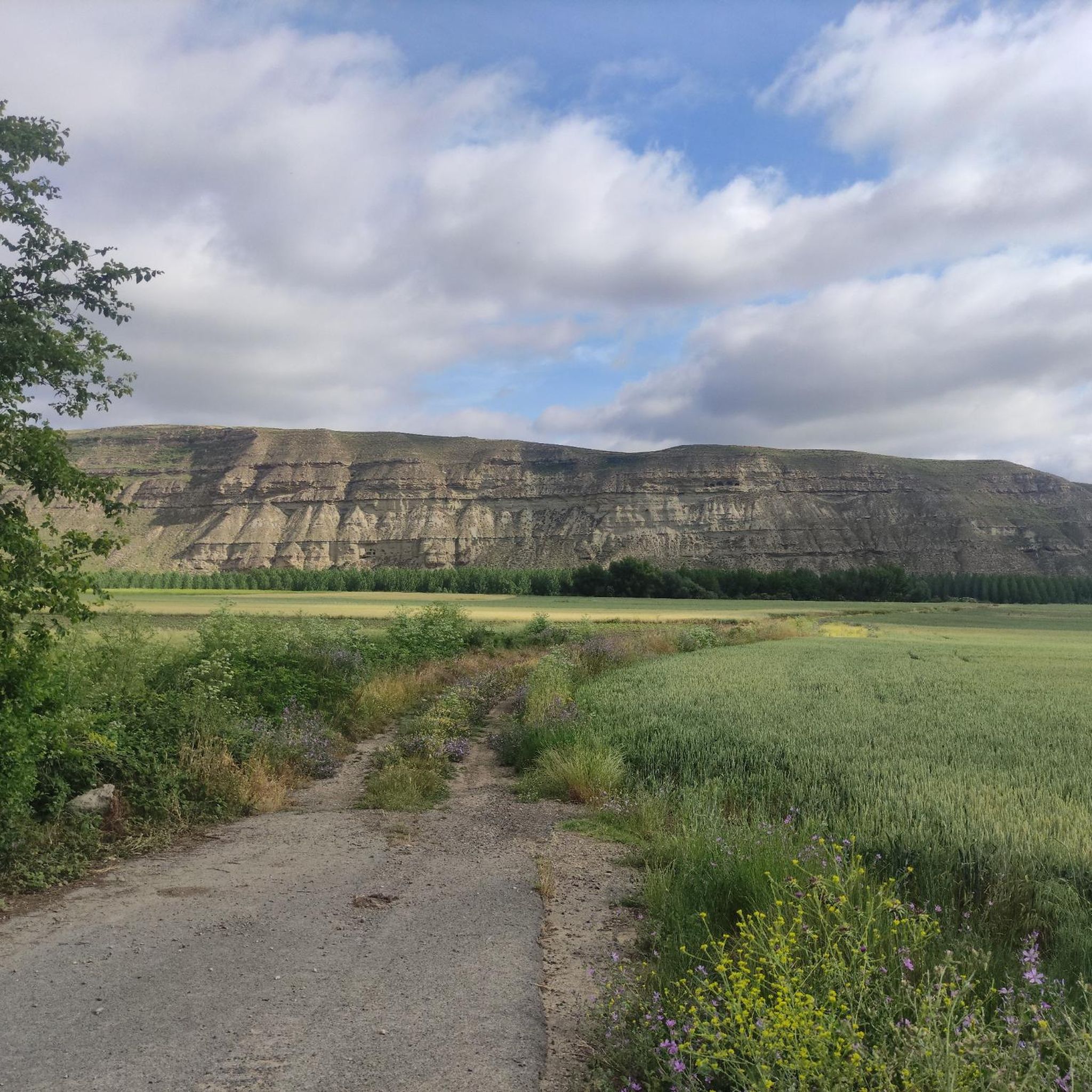
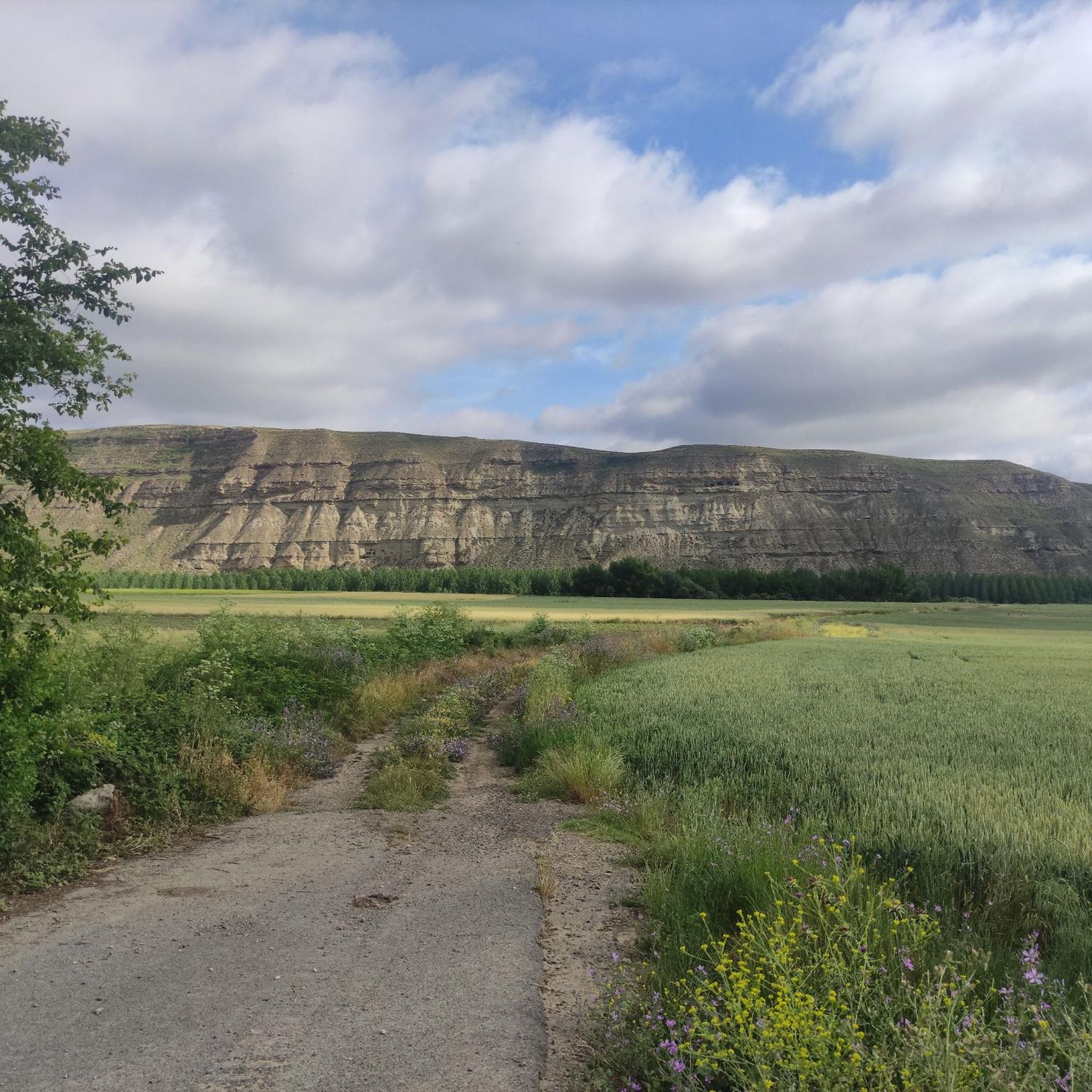
Here in the fields you are welcomed in Castile: on a small hill with information boards and wonderful views
2
0

Large mapboard at side of the dusty path denoting the boundary between La Rioja and Castilla-León regions. The map shows almost the entire route of the camino in both directions, with major cities and towns marked. There is a smaller map to the side showing the way through the Burgos province.
0
1

Beautiful little town - as the name suggests. With great hostels and a large Plaza Mayor, where you can find many restaurants. The town is impressive because of the many paintings on the houses, but this is another highlight. Because these paintings cannot be found on the Plaza Mayor.
4
1
On the Way of St. James, these huge signs were rather intimidating and humbling, as we realized how many kilometers there were still to the finish.
2
0

Saint John the Baptist (San JUAN BAUTISTA) is - like Saint Joseph - a man on the threshold of the Old and New Testaments. His parents are Zacharias and Elizabeth. After the announcement of the Incarnation of God through them, the Mother of God visits her relative Elizabeth, who will give birth to a son in her old age, namely John the Baptist. He is half a year older than Jesus and is considered his forerunner/pioneer. He lives in the desert, preaches repentance from sins to the Jewish population and baptizes them in the Jordan. Jesus also comes there to be baptized, and is filled with the Holy Spirit who descends upon him from heaven. The memorial day of San Juan Bautista in the calendar of saints is June 24th, exactly half a year before 'Christmas Eve'.
2
1

Castle with towers at the corners of the structure. The ancient Roman road that connected Italy to Spain passes through here. Information table on site.
7
0

Albergue San Juan is a parish hostel for pilgrims of the Camino de Santiago with a credential, which is located in a building that used to be a hospital for pilgrims, and therefore the name it retains. The address is Behind the Church - Grañón - La Rioja1. It is managed by the parish priest and volunteer hosts. It has 40 places and asks for a donation.
2
0
Frequently Asked Questions
What historical landmarks can I explore in Cerezo de Río Tirón?
Cerezo de Río Tirón is rich in history. You can visit the ruins of the Castle of Cerezo, a strategically important medieval fortress. Evidence of its Roman past includes the remarkably well-preserved Roman Bridges (Puente de San García and Puente de San Ciprián). The Church of San Nicolás de Bari is the main active place of worship, while the ruins of the Church of Santa María de Villalba and the magnificent Romanesque Portico of Nuestra Señora de la Llana offer glimpses into earlier eras.
What evidence of Roman history can be found in Cerezo de Río Tirón?
The town has a significant Roman past. You can see the well-preserved Roman Bridges (Puente de San García and Puente de San Ciprián), which are unique in Castilla y León. The area was also home to the important Autrigonian city of Segisamunculum on Cerro Valdemoros, and recent discoveries suggest it was once the last Roman river port on the Tirón River. Vestiges of the ancient Roman road, Vía de Italia in Hispanias, can also be found.
Are there any natural features or caves to visit near Cerezo de Río Tirón?
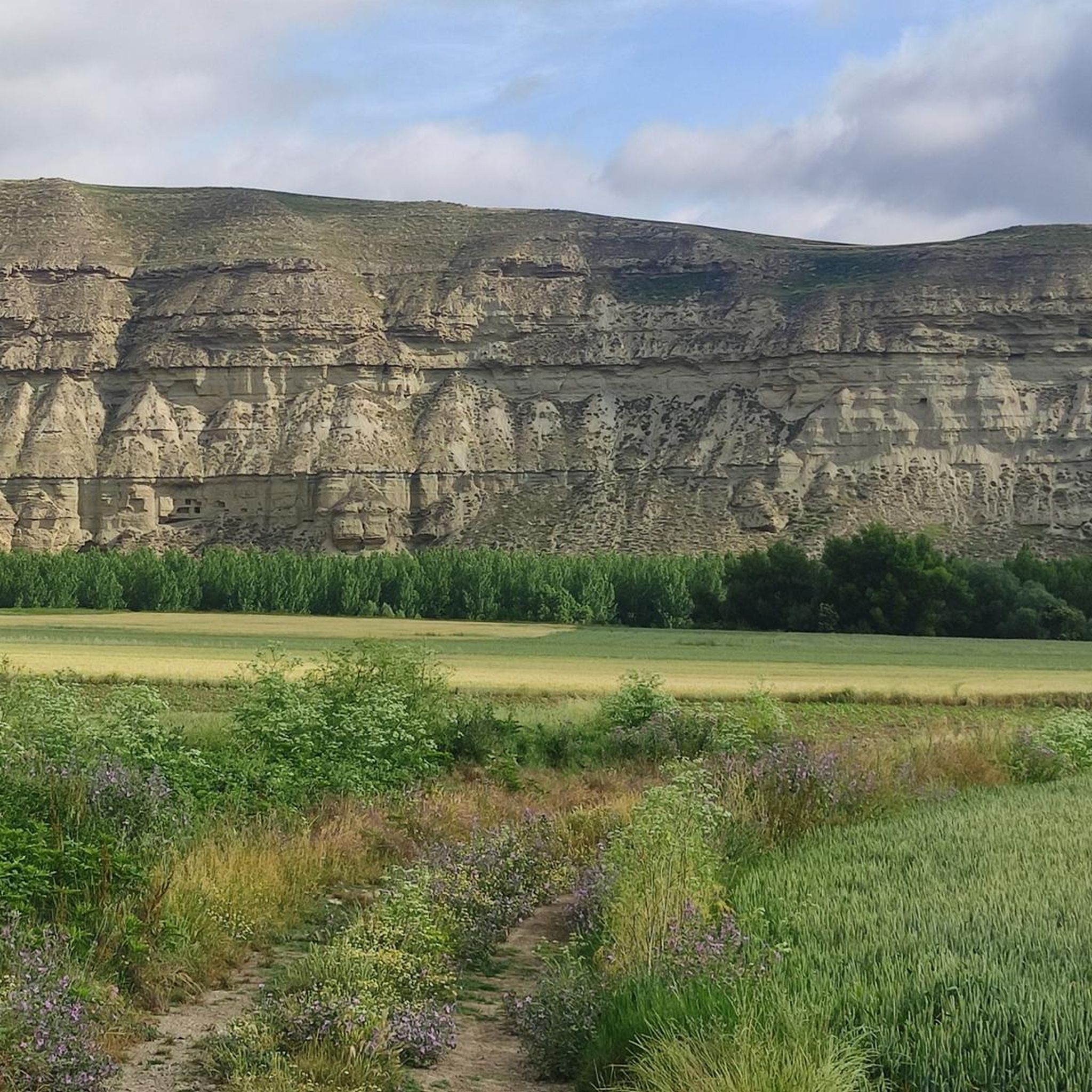
Yes, along the slope bordering the Tirón River, there are several sets of caves. The Sietefenestras caves are historically significant, and other notable groups include Cuevas de Los Moros, Cuevas de Valdemoros, and Cuevas del Castillo. Some of these were rupestrian hermitages and later used for agricultural purposes, particularly as wineries.
What are some popular settlements or towns to visit near Cerezo de Río Tirón?
Visitors often enjoy exploring nearby settlements. Belorado is a significant town known for its historical importance and location between the Sierra de la Demanda and La Rioja. Its Plaza Mayor de Belorado is a popular spot with cafes and historical buildings.
Are there any castles or fortifications in the vicinity?
Absolutely. Besides the ruins of the Castle of Cerezo, you can visit Leiva Castle, a fortified palace with a rectangular floor plan. Another notable fortification is Castillo de los Velasco, a Gothic-style castle from the 14th century, located in Cuzcurrita de Río Tirón.
What outdoor activities can I do near Cerezo de Río Tirón?
The region offers various outdoor activities. You can find numerous routes for gravel biking, running, and road cycling. For example, there are gravel biking routes like the 'Leiva Castle – Scenic Country Road loop' and running trails such as the 'Redecilla del Camino - Camino Francés Loop'. You can explore more options in the dedicated guides for Gravel biking around Cerezo De Río Tirón, Running Trails around Cerezo De Río Tirón, and Road Cycling Routes around Cerezo De Río Tirón.
Are there any family-friendly attractions in the area?
Yes, several attractions are considered family-friendly. The Plaza Mayor de Belorado offers a pleasant space for families to rest and enjoy cafes. The Boundary Between La Rioja and Castilla y León on the Camino de Santiago is also family-friendly, providing information boards and views, which can be an interesting stop for children.
What is the significance of the Gurugú Hill?
Gurugú Hill is an elevated, peak-shaped hill associated with ancient fortified settlements, possibly even Neolithic. Remains of circular stone structures can be observed here, hinting at its long history as a strategic or inhabited location.
What do visitors enjoy most about the attractions around Cerezo de Río Tirón?
Visitors appreciate the rich historical context and the opportunity to step back in time. The Plaza Mayor de Belorado is particularly enjoyed for its relaxing atmosphere, porticoed architecture, and numerous bars and cafes. The historical significance of towns like Belorado and the unique experience of marking the border on the Camino de Santiago are also highly rated.
Is there a specific point of interest related to the Camino de Santiago?
Yes, the Boundary Between La Rioja and Castilla y León on the Camino de Santiago is a notable man-made monument marking the border between these two autonomous communities. It provides information boards and scenic views for pilgrims and visitors alike.
What is the best time to visit Cerezo de Río Tirón for exploring its attractions?
While specific climate data isn't provided, generally, spring and autumn offer pleasant weather for exploring historical sites and engaging in outdoor activities in this region of Spain. Summers can be hot, and winters can be cold, so these shoulder seasons often provide the most comfortable conditions.
Most popular routes around Cerezo De Río Tirón
Most popular attractions around Cerezo De Río Tirón

Get inspired with the komoot mobile app


Explore more
Still not found the Highlight you’re looking for? See guides of the top attractions in other regions:
