Attractions and Places To See around Valde-Ucieza - Top 20
Best attractions and places to see around Valde-Ucieza include historical churches, natural landscapes, and sites along the Camino de Santiago. This municipality in the Tierra de Campos comarca of Palencia, Spain, features villages like Robladillo de Ucieza and Villamorco, situated amidst extensive cereal fields and along the Ucieza River. The region offers a blend of historical charm and tranquil natural beauty, with its proximity to the Camino de Santiago adding to its appeal.
Best attractions and places to see around…
Last updated: June 23, 2026
Pilgrim Statue in Carrión de los Condes
Highlight • Monument
Translated by Google •
Tip by

Church of Santa María la Blanca in Villalcázar de Sirga
Highlight • Religious Site
It can be …
Translated by Google •
Tip by

Sign up now to discover places like this
Get recommendations on the best single tracks, peaks, & plenty of other exciting outdoor places.
Sign up for free
Puente Mayor de Carrión de los Condes
Highlight • Bridge
Translated by Google •
Tip by
Monastery of San Zoilo
Highlight • Religious Site
Translated by Google •
Tip by

Santa María del Camino Church
Highlight • Religious Site
Translated by Google •
Tip by

Sign up for free to discover even more attractions around Valde-Ucieza.
Sign up for free
Already have an account?
Start today with a free account
Your next adventure awaits.
Login or Signup



Tips from the Community

The Church of Santa María de las Victorias y del Camino, also known as Santa María del Camino, is one of the oldest and most emblematic churches in Carrión de los Condes, in the province of Palencia. It was built in the mid-12th century, during the reign of Alfonso VII. It is dedicated to the Virgen de las Victorias, also known as the Virgen del Camino, patron saint of the town.
2
0
The Statue of the Pilgrim in Carrión de los Condes is an emblematic monument located in Plaza Piña Merino, right at the entrance to the town if you're coming from Frómista, right on the Camino de Santiago. This bronze sculpture represents a traditional pilgrim, dressed in a cape and hat, and carrying the Jacobean symbols: the shell, the staff, and the calabash. It is a life-size figure that pays tribute to the thousands of pilgrims who pass through this historic town in Palencia each year.
2
0
The Statue of the Pilgrim in Carrión de los Condes is an emblematic monument located in Plaza Piña Merino, right at the entrance to the town if you're coming from Frómista, right on the Camino de Santiago. This bronze sculpture represents a traditional pilgrim, dressed in a cape and hat, and carrying the Jacobean symbols: the shell, the staff, and the calabash. It is a life-size figure that pays tribute to the thousands of pilgrims who pass through this historic town in Palencia each year.
1
0

It is located at the exit of Carrion de Los Condes in the direction of Terradillos de Los Templarios
2
1
Santa Maria la Blanca is a temple-fortress of Templar origin dating back to the 12th century.
3
1

The Iglesia de Santa María la Blanca in Villalcázar de Sirga is an important stop on the Camino de Santiago. The church was built at the end of the 12th century, during the transition from Romanesque to Gothic style, and was completed in the 14th century. It is a temple-fortress with a beautiful portal from the 13th century, decorated with an impressive sculptural ensemble. Inside you will find a collection of polychrome tombs from the 13th and 14th centuries, a Gothic altarpiece from the 15th and 16th centuries, and a beautiful image of the Virgen del Rosario. The church is linked to the Order of the Temple and has played an important role as a religious site on the Camino de Santiago.
3
1

The church was built in a transitional style from Romanesque to Gothic. The southern double portal with sculptures of Christ Pantocrator, Tetramorphs and Apostles is particularly noteworthy. The Chapel of St. James, dating from the early 14th century, is also very interesting, as it contains the sarcophagi of Infante Felipe and his wife Leonor Ruíz de Castro. This church also contains the White Virgin 'Virgen Blanca', who was sung about by Alfonso X the Wise in his 'Cantigas' (religious songs). She represented one of the most important religious sites on the Way of St. James.
3
0

Standing in the middle of the path, impossible to miss
0
1
Frequently Asked Questions
What historical and cultural sites can I explore in Valde-Ucieza?
Valde-Ucieza is rich in historical and cultural heritage. You can visit several significant churches within its villages, such as the church of Santa María de Miñanes in Robladillo de Ucieza with its Gothic facade and Romanesque baptismal font, or the Church of San Esteban in Villamorco, known for its 18th-century altarpieces. Additionally, the region's proximity to the historic Camino de Santiago means you can explore sites like the Monastery of San Zoilo, which provided shelter to pilgrims, or the Santa María del Camino Church, a large Romanesque pilgrim church.
Are there any family-friendly attractions around Valde-Ucieza?
Yes, several attractions around Valde-Ucieza are suitable for families. The Monastery of San Zoilo and the Santa María del Camino Church are both listed as family-friendly historical sites. The Puente Mayor de Carrión de los Condes, a historical stone bridge, offers pleasant views and can be crossed by bike, making it an enjoyable spot for families. Sculptures like the Pilgrim Statue in Carrión de los Condes and the Statue of Pablo Payo Pérez are also popular photo opportunities for all ages.
What natural features can I enjoy in Valde-Ucieza?
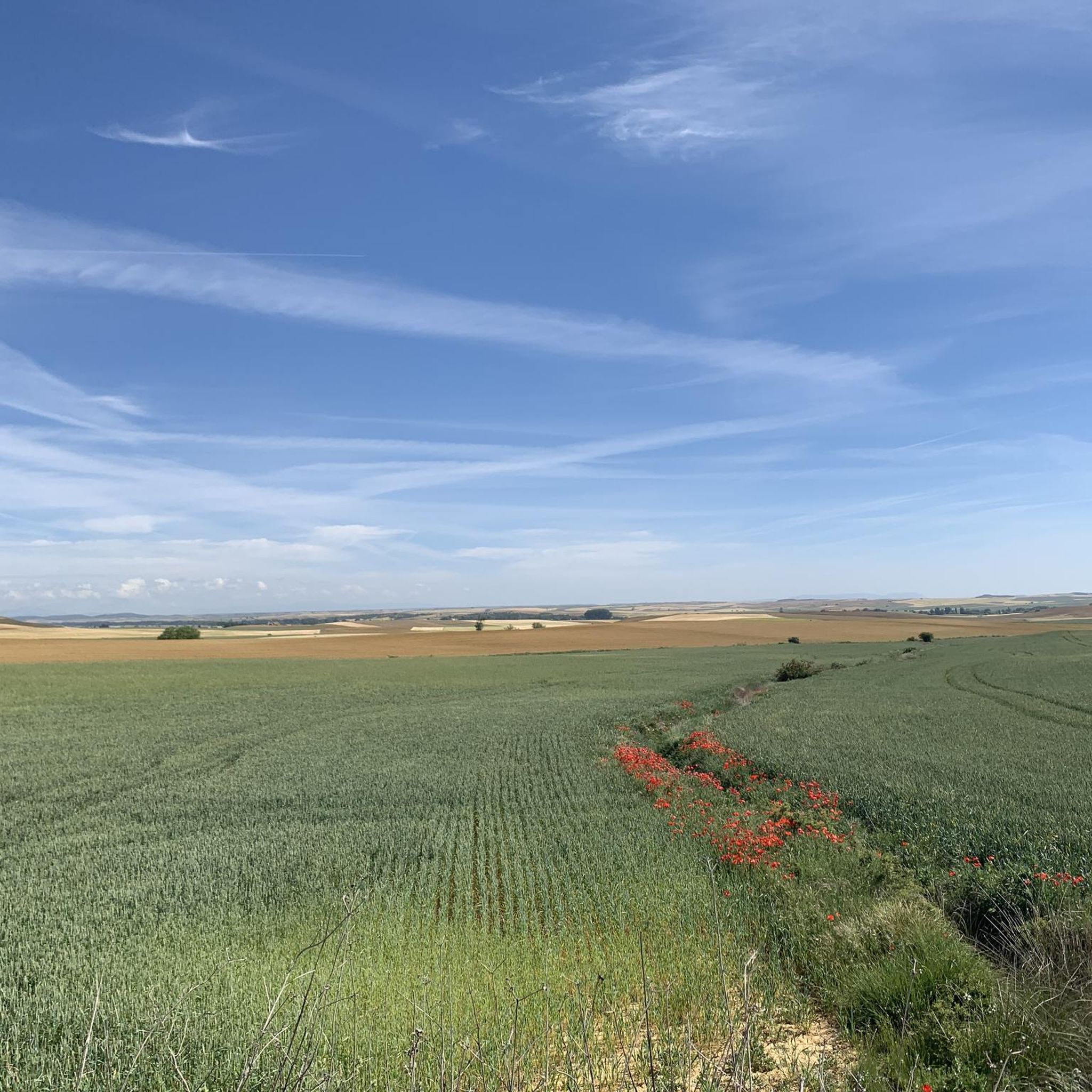
Valde-Ucieza offers tranquil natural beauty, characterized by its vast expanse of cereal fields typical of the Tierra de Campos region, providing picturesque rural vistas. The Ucieza River graces the eastern side of the municipality, with its verdant banks offering a pleasant setting for walks and enjoying the serene landscape. The minimal light pollution also makes Valde-Ucieza an excellent location for stargazing.
What kind of outdoor activities can I do near Valde-Ucieza?
The region around Valde-Ucieza is ideal for various outdoor activities, especially cycling and hiking. You can find numerous road cycling routes, such as the circular tour from Carrión de los Condes to Osorno la Mayor, or an easy loop from Abia de las Torres. For hikers, there are routes along the Camino de Santiago, like the path to Monasterio de Santa María de Benevívere, or loops exploring the Meseta Landscape. You can find more details on these activities in the Road Cycling Routes around Valde-Ucieza and Hiking around Valde-Ucieza guides.
Are there hiking trails suitable for different skill levels?
Yes, hiking trails around Valde-Ucieza cater to various skill levels. You can find moderate routes like the Monasterio de Santa María de Benevívere from Carrión de los Condes, which is part of the Camino de Santiago, or the Calzada de los Molinos circular route. For those seeking more challenging experiences, there are difficult loops such as the Monastery of San Zoilo – Meseta Landscape loop. Explore more options in the Hiking around Valde-Ucieza guide.
What is the significance of the Camino de Santiago in this area?
Valde-Ucieza's location adjacent to the Camino de Santiago makes it a relevant point of interest for pilgrims and those interested in historical routes. Several attractions, such as the Pilgrim Statue in Carrión de los Condes and the Monastery of San Zoilo, are directly associated with the Camino, offering insights into the journey and history of pilgrims. The Santa María del Camino Church also holds daily pilgrim celebrations.
What do visitors enjoy most about the attractions around Valde-Ucieza?
Visitors appreciate the blend of historical significance and serene natural beauty. Many enjoy the opportunity to walk or cycle along the Camino de Santiago, taking in the historical monuments and the peaceful rural landscape. The churches are often highlighted for their architectural beauty and historical treasures, while the statues provide popular photo opportunities and a connection to the pilgrim's journey. The quiet, expansive cereal fields and the Ucieza River banks offer a sense of tranquility.
Are there any accessible outdoor activities or attractions for wheelchair users?
Yes, some attractions are noted for their accessibility. The Pilgrim Statue in Carrión de los Condes and the Statue of Pablo Payo Pérez are both listed as wheelchair accessible, allowing visitors to enjoy these emblematic monuments. While specific accessible trails are not detailed, the flat rural landscape of the Tierra de Campos region may offer some accessible paths, particularly along well-maintained sections of the Camino de Santiago.
Can I find places to cycle near Valde-Ucieza?
Absolutely! Valde-Ucieza and its surroundings offer a variety of road cycling routes. You can embark on moderate circular tours from Carrión de los Condes, heading towards destinations like Osorno la Mayor or Sahagún. There are also easier loops, such as the one from Abia de las Torres or the circular route of the río Carrión from Carrión de los Condes. These routes allow you to explore the expansive cereal fields and charming villages of the region. More detailed routes can be found in the Road Cycling Routes around Valde-Ucieza guide.
What is the best time to visit Valde-Ucieza for outdoor activities?
The best time to visit Valde-Ucieza for outdoor activities like hiking and cycling is generally during spring (April to June) and autumn (September to October). During these seasons, the weather is typically mild and pleasant, making it comfortable for exploring the rural landscapes and historical sites. Spring brings blooming fields, while autumn offers beautiful colors and cooler temperatures, ideal for longer walks or rides. Summer can be quite hot, especially in July and August, while winters are colder but offer unique, clear skies for stargazing.
Are there any unique or 'hidden gem' outdoor experiences in Valde-Ucieza?
Beyond the well-known Camino de Santiago, Valde-Ucieza offers unique experiences rooted in its tranquil rural character. The minimal light pollution provides exceptional opportunities for stargazing, making it a 'hidden gem' for astronomy enthusiasts. Exploring the quiet banks of the Ucieza River or simply taking a leisurely walk through the vast cereal fields offers a peaceful escape and a chance to connect with the authentic rural landscape of the Tierra de Campos comarca.

Get inspired with the komoot mobile app


Explore more
Still not found the Highlight you’re looking for? See guides of the top attractions in other regions:
