Attractions and Places To See around Lobera De Onsella - Top 20
Attractions and places to see around Lobera De Onsella is a village located in the Pre-Pyrenees of Zaragoza, Spain, known for its historical charm and natural landscape. The area features well-preserved stone architecture, narrow streets, and significant historical sites. It is situated within the mountainous Sierra de Santo Domingo and the Val de Onsella, offering a blend of cultural heritage and natural beauty.
Best attractions and places to see around Lobera De Onsella
- The most popular attractions is Artieda,…
Last updated: June 29, 2026
Sibirana Castle
Highlight • Castle
Translated by Google •
Tip by

Pígalo Pools
Highlight • River
Translated by Google •
Tip by
Sign up now to discover places like this
Get recommendations on the best single tracks, peaks, & plenty of other exciting outdoor places.
Sign up for free
Artieda
Highlight • Settlement
Translated by Google •
Tip by

Refugio de la Artica
Highlight • Mountain Hut
Translated by Google •
Tip by

Biel Castle
Highlight • Castle
Translated by Google •
Tip by

Sign up for free to discover even more attractions around Lobera De Onsella.
Sign up for free
Already have an account?
Start today with a free account
Your next adventure awaits.
Login or Signup
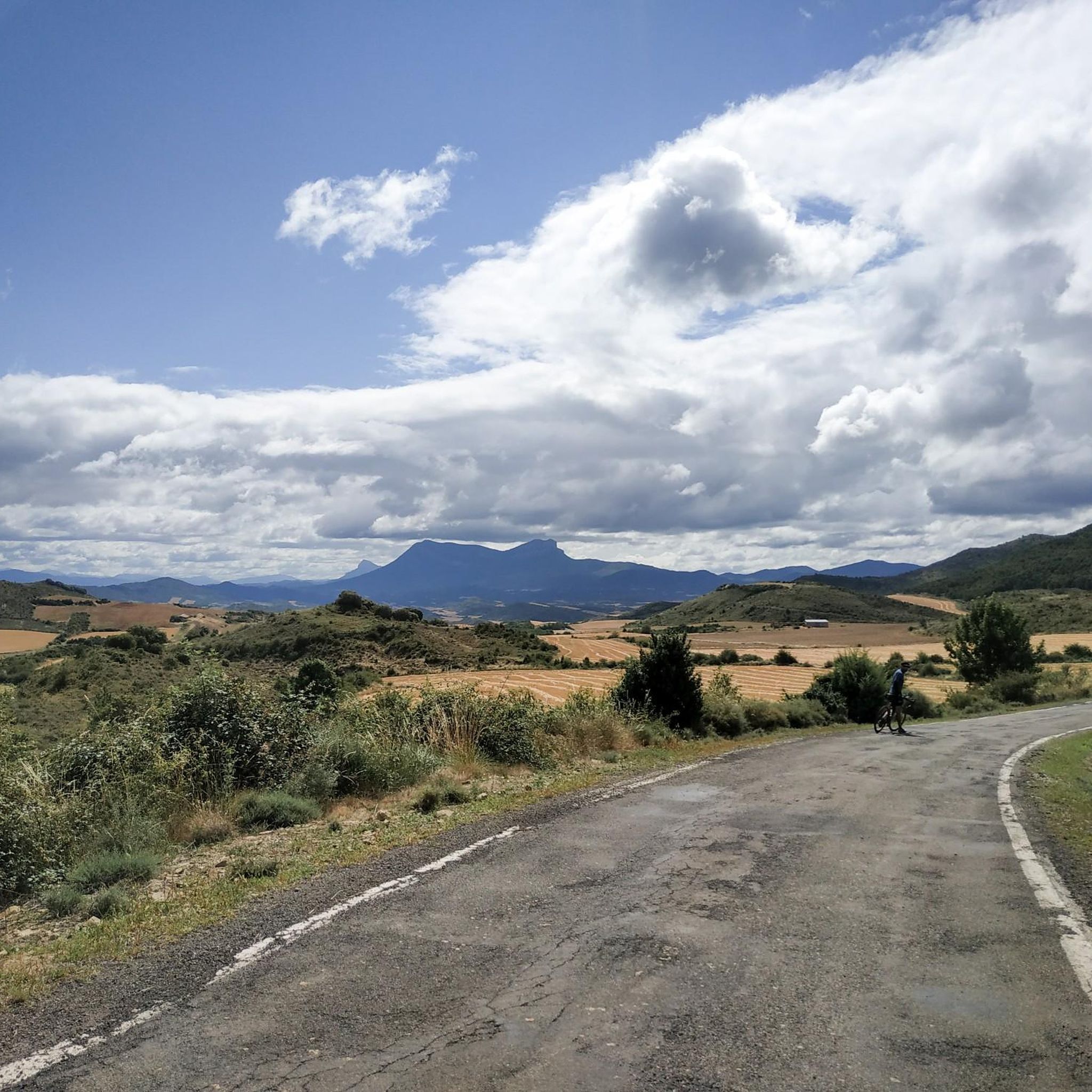
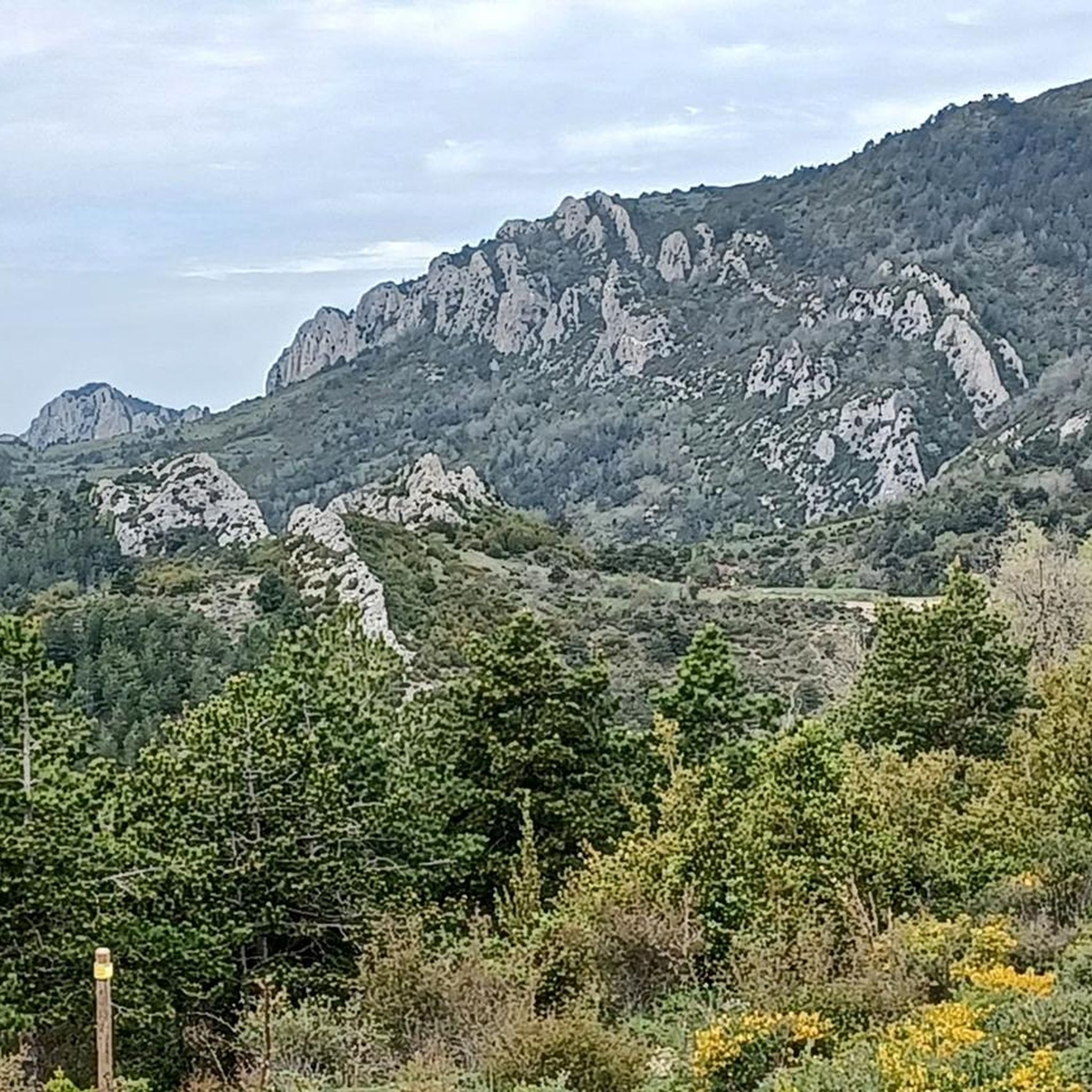
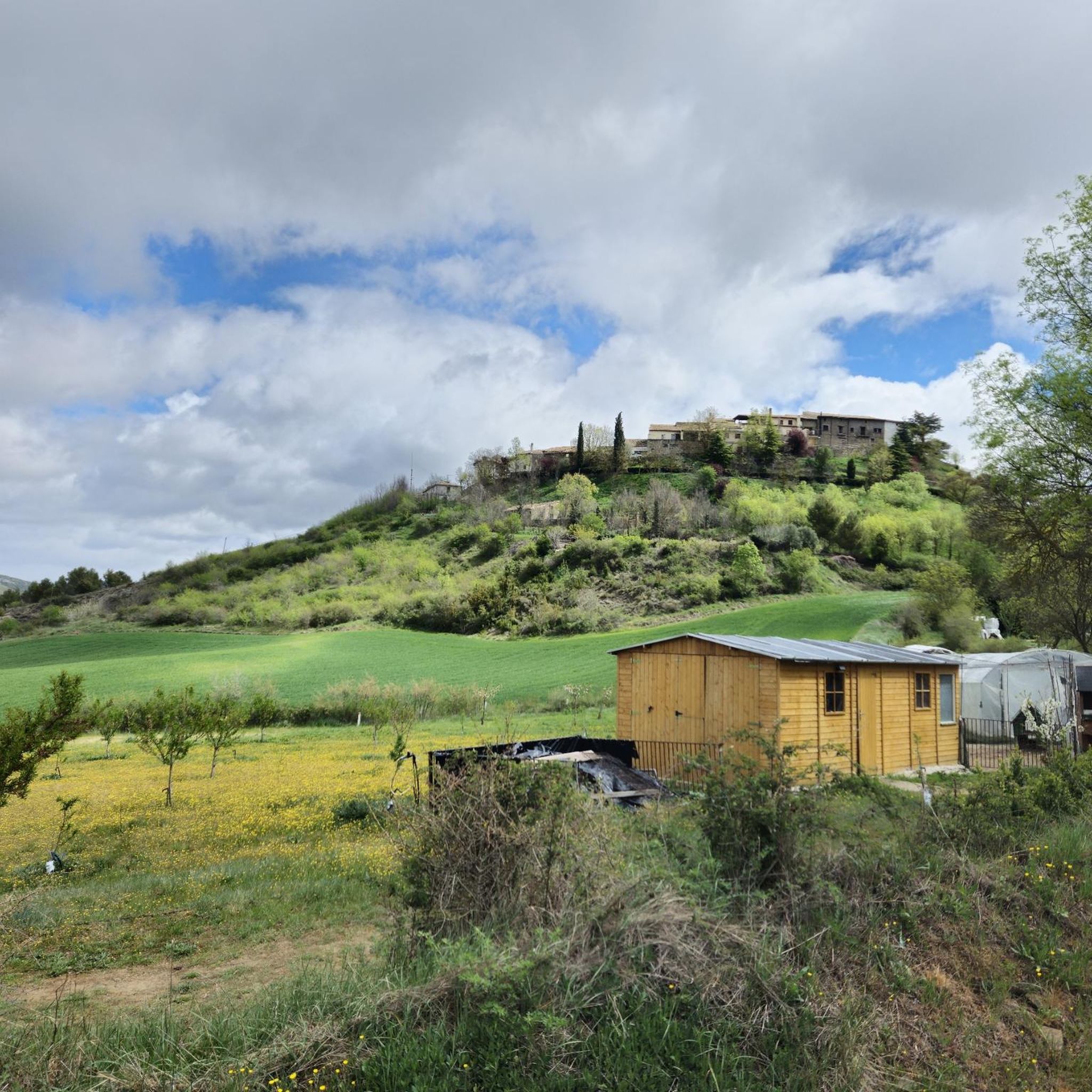
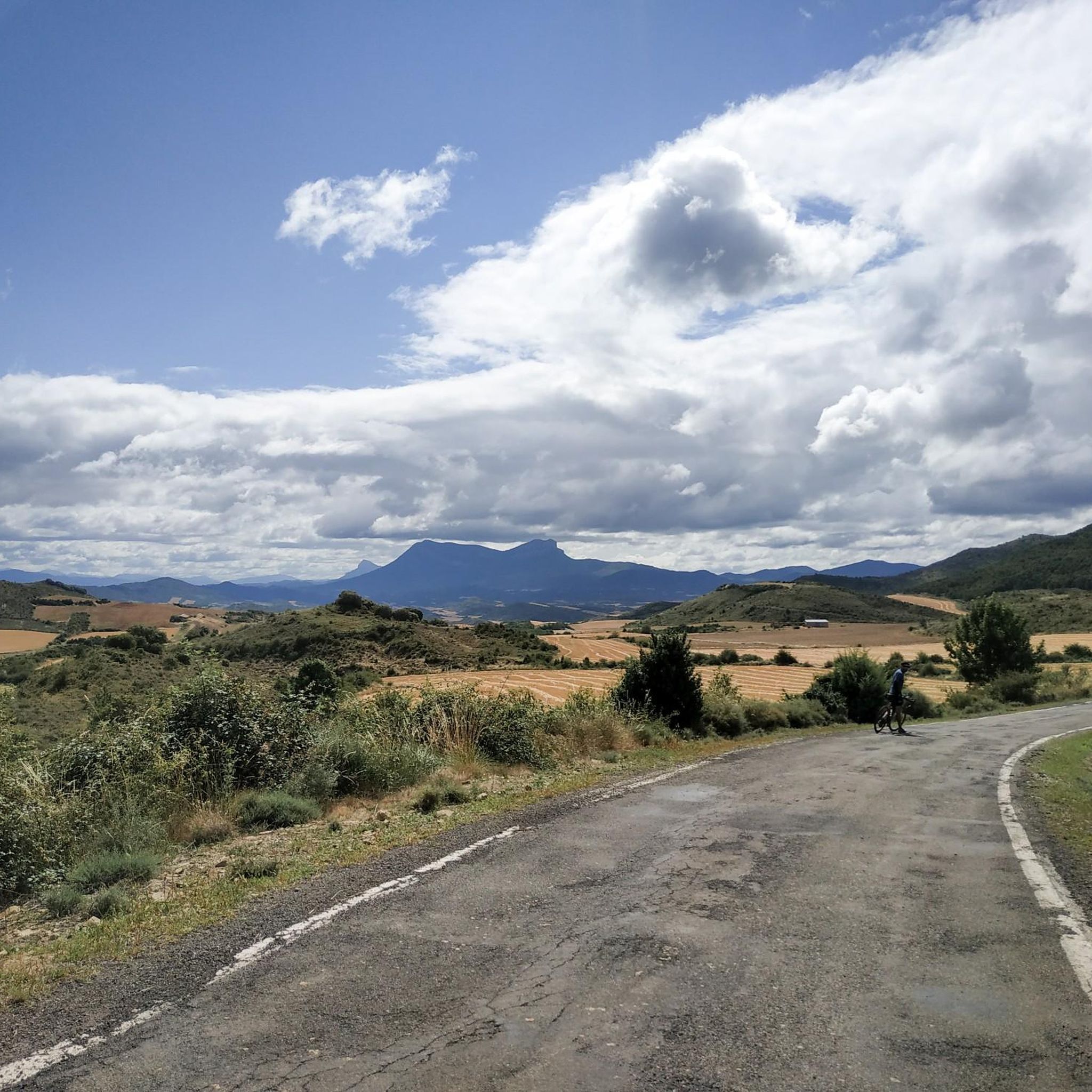
Tips from the Community

This refuge is known for its natural surroundings and strategic location for hiking and nature lovers. It offers spectacular views and is an ideal starting point for exploring the mountains and surrounding areas. The refuge is equipped with basic amenities for hikers, including sleeping and cooking areas. It is a perfect place to rest and enjoy the tranquility of the natural surroundings.
6
0

The ruins found on the track that connects Luesia with the Pígalo pools are known as the castle of Sibirana. The ruins of the hermitage of Santa Quiteria also remain from this deserted area. This nucleus is part of a defensive line ordered to be built in the 10th century by King Sancho Garcés I of Pamplona. The sight of the towers erected on two stone masses gives an idea of the magnitude and engineering of these structures.
1
0

This village does not go unnoticed! In its center, you cannot miss its impressive castle. In the plains of the province of Zaragoza, its imposing keep is indeed visible from afar.
1
0

On our way along the track from Luesia to the Pígalo pools, we come across the castle of Sibirana built to control the passage from Uncastillo and from Luesia through the Onsella river valley. In addition to the castle, there are remains of the hermitage of Santa Quiteria, both in the Aragonese Romanesque style and of a dozen houses at the foot of the castle on its south face.
1
0
We are in the Pígalo pools, ideal for warm summer days where we can take a dip. If we go upstream, we will find more less crowded pools, since this one is quite popular and soon fills up with people. If we want to leave the car in the car park, we must book on the Luesia town hall website as they control access. There are picnic areas to eat and a bar at the campsite.
2
0
We are in the old town of Biel, in the Altas Cinco Villas region, together with the church and this imposing castle. The town of Biel has a very interesting history and the natural environment is beautiful. Without a doubt, it is worth getting lost in its streets before starting our route.
1
0
We are in the old town of Biel, in the Altas Cinco Villas region, together with the church and this imposing castle. The town of Biel has a very interesting history and the natural environment is beautiful. Without a doubt, it is worth getting lost in its streets before starting our route.
1
0
Located about 5 km from the town of Luesia, we find this beautiful refuge. A shepherd's cabin in the middle of the forest that will serve us to make a fire, spend the night or eat at the little tables outside. From here, there are several routes through the Val de Luesia
1
0
Frequently Asked Questions
What historical sites can I explore in and around Lobera de Onsella?
Lobera de Onsella is rich in history. You can visit the impressive Biel Castle, a prominent feature in the old town of Biel. Within Lobera de Onsella itself, explore the 17th-century Church of the Assumption with its Baroque facade, and the unique Medieval Necropolis on the Cerro de San Miguel, featuring distinctive 'Lobera de Onsella type' tombs from the 10th and 11th centuries.
Are there any unique natural features to discover near Lobera de Onsella?
Yes, the region offers several natural highlights. The village is nestled in the Val de Onsella, named after the Onsella River, which supports diverse flora and fauna. You can also explore the Sierra de Santo Domingo, characterized by pine trees and lush forests. Another notable natural spot is the Bosque Sagrado de la Mosquera, an accessible sacred forest.
What cultural traditions are unique to Lobera de Onsella?
Lobera de Onsella is known for the recovery of its ancient tradition, the "Rito de los Herniados." This ritual, performed every Midsummer's Eve (Noche de San Juan), involves passing children through the split branch of a tree, accompanied by a chant, believed to cure inguinal hernias. It's the only Spanish municipality where this tradition is currently practiced.
Are there family-friendly attractions or activities in the area?
Absolutely. The Pígalo Pools are ideal for families, offering clean natural water for swimming on warm summer days. The charming settlement of Artieda, with its traditional mountain architecture and cobbled streets, is also a pleasant place for a family stroll. Additionally, the Refugio de la Artica offers a great base for exploring nature with children.
Where can I find scenic viewpoints around Lobera de Onsella?
For breathtaking views, head to the Ermita de Santo Domingo, located at the top of the mountain of the same name. From here, you can enjoy fantastic panoramic vistas of the Pyrenees and Moncayo. Within Lobera de Onsella itself, the church's terrace at the highest point of the village offers impressive views of the entire valley.
What kind of hiking opportunities are available near Lobera de Onsella?
The mountainous landscape of the Sierra de Santo Domingo provides numerous hiking opportunities. While specific trails are not detailed here, you can find various routes for different skill levels. For more information on hiking trails, explore the dedicated guide for Attractions and Places To See around Lobera De Onsella.
Are there cycling routes suitable for different skill levels?
Yes, the area around Lobera de Onsella offers a variety of cycling routes. For road cycling, you can find routes like the "Burgui by Salvatierra de Esca — round trip from Artieda" which is moderate. Mountain biking enthusiasts can explore challenging routes such as the "Biel Castle – Biel Castle loop from Biel." For more options, check out the Cycling around Lobera De Onsella guide.
What is the best time of year to visit Lobera de Onsella?
The region is ideal for outdoor activities, especially during warmer months. The Pígalo Pools are perfect for swimming on hot summer days. Spring and autumn offer pleasant temperatures for exploring historical sites and enjoying the natural beauty of the Sierra de Santo Domingo and the Onsella Valley.
What makes the urban center of Lobera de Onsella unique?
The historic urban center of Lobera de Onsella is a highlight in itself. It features well-preserved stone houses, many with arched doorways (portadas doveladas) and semi-circular arches, reflecting its rich historical past. The narrow streets and squares, along with singular escutcheons and eaves, create a charming atmosphere that transports visitors back in time.
Can I find any exceptionally narrow streets in the village?
Yes, Lobera de Onsella is home to the Callejón de Piquera, an alley reputed to be the narrowest street in the world, measuring just 29 cm at its narrowest point. It's a unique curiosity to seek out during your visit to the village.
What kind of wildlife can I expect to see in the area?
The natural surroundings of Lobera de Onsella, particularly the Sierra de Santo Domingo and the Onsella River basin, are home to various wildlife. The forests are known for abundant game, and the river itself hosts fish species like barbel, chub, eels, and crabs. Keep an eye out for diverse birdlife and other forest creatures.
Are there any religious sites of interest besides the main church?
Beyond the Church of the Assumption, you can visit the Hermitage of San Juan, which is the only other hermitage remaining in Lobera de Onsella. An annual pilgrimage to this hermitage takes place on June 24th, adding to the local cultural experience.
Most popular attractions around Lobera De Onsella

Get inspired with the komoot mobile app


Explore more
Still not found the Highlight you’re looking for? See guides of the top attractions in other regions:
