Attractions and Places To See around Hornos De Moncalvillo - Top 20
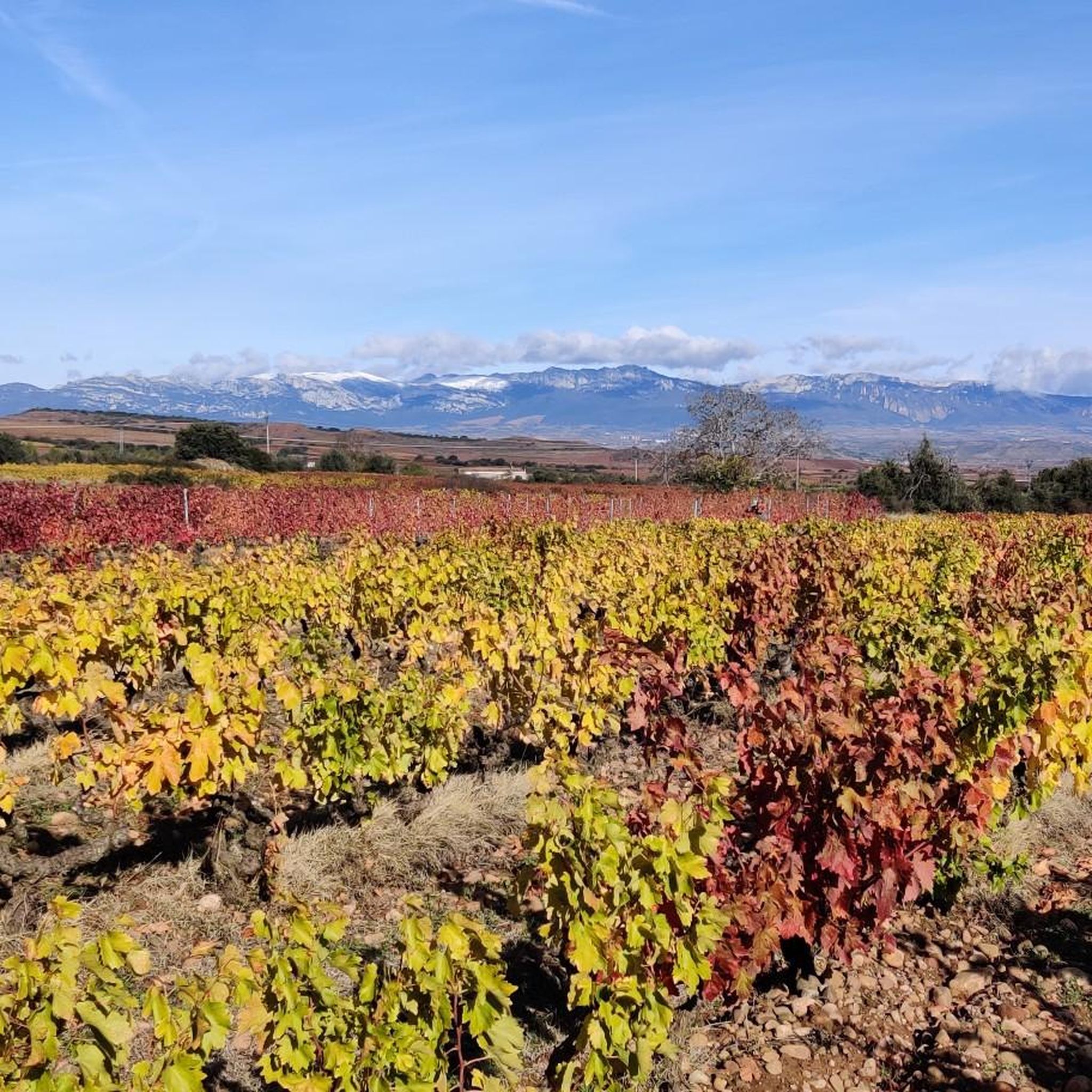
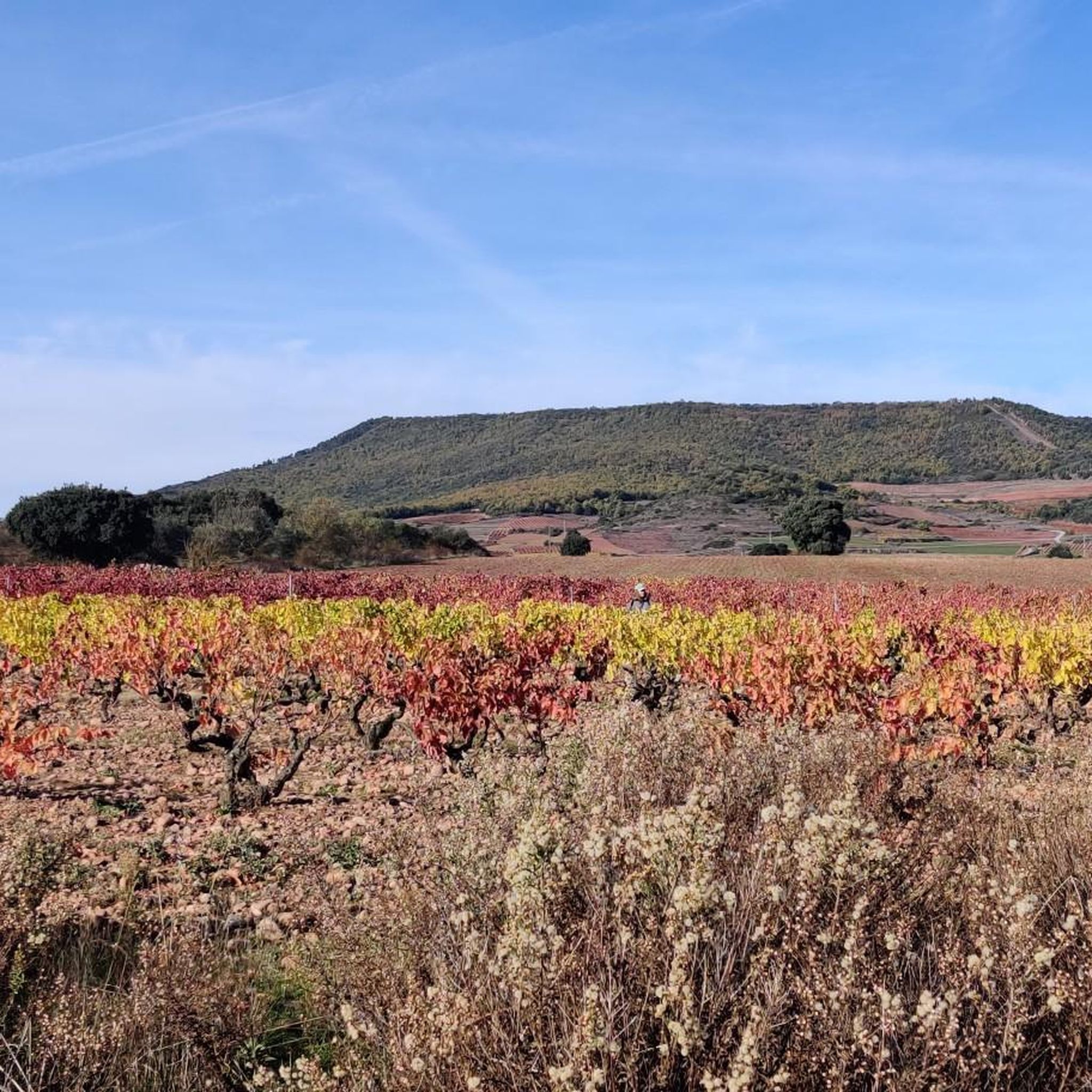
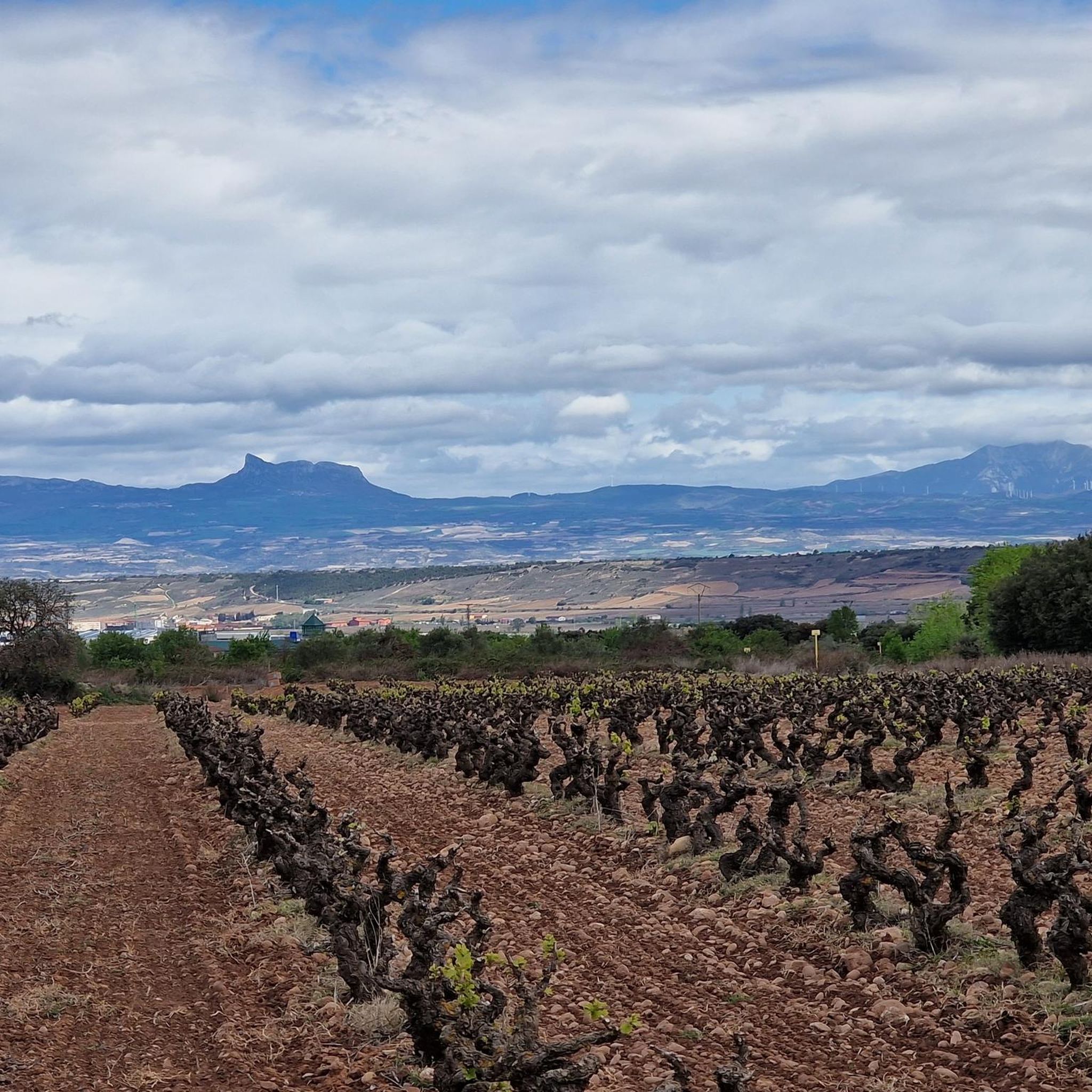
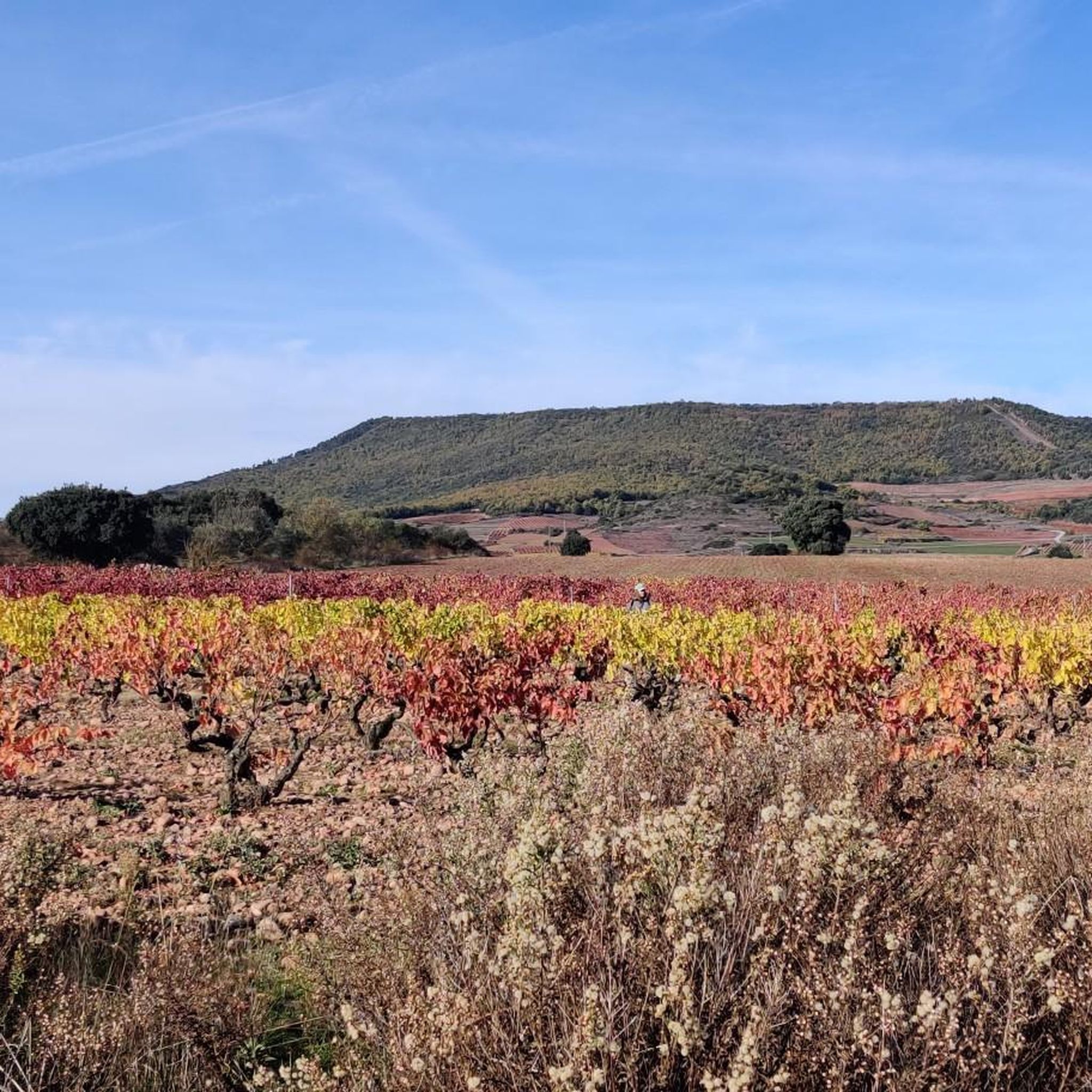
Best attractions and places to see around Hornos De Moncalvillo include historical sites, natural viewpoints, and cultural landmarks. This picturesque municipality in La Rioja is nestled on the slopes of the Sierra del Moncalvillo, offering panoramic views of the Ebro valley. The area combines historical charm with natural beauty, featuring ancient kilns that gave the town its name and various mountain trails. Visitors can explore a blend of cultural richness and scenic landscapes.
Best attractions and places to see around…
Last updated: July 6, 2026
La Grajera Reservoir
Highlight • Lake
Translated by Google •
Tip by

Poyo de Roldán Stone Hut
Highlight • Structure
Translated by Google •
Tip by

Sign up now to discover places like this
Get recommendations on the best single tracks, peaks, & plenty of other exciting outdoor places.
Sign up for free
Former hospital of San Juan de Acre
Highlight • Historical Site
Translated by Google •
Tip by
Church of Nuestra Señora de la Asunción
Highlight • Religious Site
Translated by Google •
Tip by

Osborne Bull
Highlight • Monument
Translated by Google •
Tip by

Sign up for free to discover even more attractions around Hornos De Moncalvillo.
Sign up for free
Already have an account?
Start today with a free account
Your next adventure awaits.
Login or Signup

Tips from the Community

The Church of Santa María de la Asunción is a parish church in the historic center of the municipality of Navarrete (La Rioja). The Renaissance-style church is located in the highest area of the town. One of the church's notable elements is the Baroque-style main altar. [2] The church has a three-aisled floor plan.
0
0
The Hospital of Saint John of Acre was a medieval pilgrims' hostel in the municipality of Navarrete in La Rioja (Spain). [1] It was founded in 1185 and was a hostel for pilgrims on their way to Santiago de Compostela.
0
0
The Great Black Bull: The story of Spain's most iconic billboards dates back to the founding of a Cadiz brandy and sherry winery by an Englishman named Osborne. The bulls originally stood up to 4 meters tall and bore the Osborne name in red letters. The herd grew to 500 before anti-billboard legislation threatened their existence. Following a public outcry, they were removed from the street, the lettering removed, and rebuilt to a height of 14 meters.
1
0
The reservoir was built over a century ago from a small natural lake to provide irrigation water for agricultural land.
1
0

A very interesting and majestic bull sitting here on the hill.
1
0

It's always amazing what huge churches were built in these small towns along the Camino. It's definitely worth taking a look inside the church.
2
0

A hill that has its own legend: in the castle of Nájera lived Farragut or Ferragut, a Syrian giant descended from Goliath and stronger than him, who fought and defeated the best warriors of Charlemagne except Roldán, who one day from the poyo spotted the giant sitting at the door of his castle. Roldán picked up a round stone weighing two arrobas (~22kg) and threw it in the direction of the giant, whom he hit in the forehead, knocking him down. Since then the hill has been called Poyo de Roldán.The stone hut is likely a traditional stone vineyard shelter.
2
0
Well preserved ruins of an ancient pilgrims hospital, adjacent to the Don Jacobo bodega, and by the side of the route
0
0
Frequently Asked Questions
What historical sites can I explore around Hornos De Moncalvillo?
The area is rich in history. You can visit the Former hospital of San Juan de Acre, founded in 1185, which served as a resting place for pilgrims on the Camino de Santiago. Another significant site is the Poyo de Roldán Stone Hut, a hill with a legend involving Roland and a giant, offering beautiful views. The village itself also has the remains of
Antiguos Hornos (Ancient Kilns)
, which gave the town its name and reflect its artisanal past.Are there any religious buildings worth visiting in Hornos De Moncalvillo?
Yes, the Church of Nuestra Señora de la Asunción is a notable religious building. It's dedicated to the Blessed Mother of God Santa Maria and is appreciated by visitors for its historical significance and architecture. Additionally, the
Iglesia de San Juan Bautista
(or Parish Church of La Asunción) and the charmingErmita de San Miguel
andErmita del Cristo
are also present in the area.What natural attractions can I find near Hornos De Moncalvillo?
Nature lovers can explore the La Grajera Reservoir, a peaceful recreational area on the outskirts of Logroño, perfect for a break. The region is also nestled on the slopes of the
Sierra del Moncalvillo
, offering breathtaking panoramic views. You can also find numerousMiradores Panorámicos (Panoramic Viewpoints)
throughout the village and surrounding areas to appreciate the vineyards and mountains.What kind of outdoor activities can I do around Hornos De Moncalvillo?
The area is excellent for outdoor activities. You can enjoy various
Senderos de Montaña (Mountain Trails)
for hiking, offering spectacular views over the valley. For running enthusiasts, there are several routes, including the 'French Way - Navarrete Loop'. Cyclists can explore routes like the 'Logroño – Logroño Stone Bridge loop' for road cycling or the 'La Grajera Park – La Grajera Reservoir loop' for touring. Find more details on these activities in the Running Trails around Hornos De Moncalvillo, Road Cycling Routes around Hornos De Moncalvillo, and Cycling around Hornos De Moncalvillo guides.Are there family-friendly attractions or activities in the area?
Yes, several attractions are suitable for families. The La Grajera Reservoir is a great spot for a relaxing day out with gravel roads perfect for gentle strolls. The Former hospital of San Juan de Acre and the Church of Nuestra Señora de la Asunción are also considered family-friendly historical sites. Additionally, there's a
Parque Multiaventura (Adventure Park)
on the outskirts of town offering activities like archery, gymkhanas, paintball, and zorbing.What is the best time of year to visit Hornos De Moncalvillo for outdoor activities?
The best times to visit for hiking and enjoying the mountain trails are spring and autumn. During these seasons, temperatures are mild, and the landscape is particularly vibrant, making it ideal for exploring the natural beauty of the
Sierra del Moncalvillo
and its surroundings.Can I experience local culture and traditions in Hornos De Moncalvillo?
Absolutely. The
Plaza Mayor (Main Square)
is the central meeting point of the village, where residents gather for conversation and events, especially during summer and patron saint festivities. You can also explore localViñedos y Bodegas (Vineyards and Wineries)
to learn about the winemaking process and taste the region's characteristic wines, with some offering guided tours.What do visitors enjoy most about the attractions around Hornos De Moncalvillo?
Visitors particularly enjoy the scenic views and the historical significance of the sites. For instance, the Poyo de Roldán Stone Hut is praised for its beautiful surroundings and the legend it holds. The Former hospital of San Juan de Acre is appreciated for its well-preserved ruins and its role as a historical landmark on the Camino de Santiago. The La Grajera Reservoir is valued as a peaceful spot for breaks with good roads for walking.
Are there any unique landmarks or symbols in the region?
Yes, the Osborne Bull is a unique and iconic landmark in the area. Originally an advertising poster, it has become a cultural and landscape symbol, visible from the Camino de Santiago and serving as a reference point for many pilgrims.
Where can I find panoramic views of the Ebro valley?
Hornos De Moncalvillo is situated on the slopes leading up to the Sierra del Moncalvillo, providing impressive panoramic views of the Ebro valley and the surrounding agricultural landscape. Many
Miradores Panorámicos (Panoramic Viewpoints)
are scattered throughout the village and its natural surroundings, offering excellent opportunities to appreciate these vistas.Are there any specific hiking routes to Mount San Lorenzo?
Yes, the area offers hiking routes that lead to the surroundings of
Mount San Lorenzo
, such as the PR-25 trail. These routes provide opportunities to explore the higher elevations and enjoy more challenging treks within the Sierra del Moncalvillo range.Most popular routes around Hornos De Moncalvillo
Most popular attractions around Hornos De Moncalvillo

Get inspired with the komoot mobile app


Explore more
Still not found the Highlight you’re looking for? See guides of the top attractions in other regions:
