The 12 Most Amazing Peaks around Sales De Llierca
Best mountain peaks around Sales De Llierca are found within the Alta Garrotxa region of Catalonia, characterized by deep valleys, cliffs, and karst topography. This area, part of the Pre-Pyrenees, offers a rugged natural landscape ideal for hiking and rural tourism. The terrain features numerous trails leading to prominent summits and natural features. Visitors can explore a variety of mountainous areas, from challenging climbs to peaks with historical sanctuaries.
Best mountain peaks around Sales De Llierca
- The most popular mountain…
Last updated: May 17, 2026
Mare de Déu del Mont Summit
Highlight • Summit
Tip by

Puig de Bassegoda
Highlight • Summit
Translated by Google •
Tip by

Sign up now to discover places like this
Get recommendations on the best single tracks, peaks, & plenty of other exciting outdoor places.
Sign up for free
Santa Bàrbara de Pruneres
Highlight • Religious Site
Translated by Google •
Tip by

Sanctuary of Mare de Déu del Mont and Jacint Verdaguer Statue
Highlight • Religious Site
Translated by Google •
Tip by

Bac Grillera Castle
Highlight • Castle
Translated by Google •
Tip by

Sign up for free to discover even more peaks around Sales De Llierca.
Sign up for free
Already have an account?
Start today with a free account
Your next adventure awaits.
Login or Signup
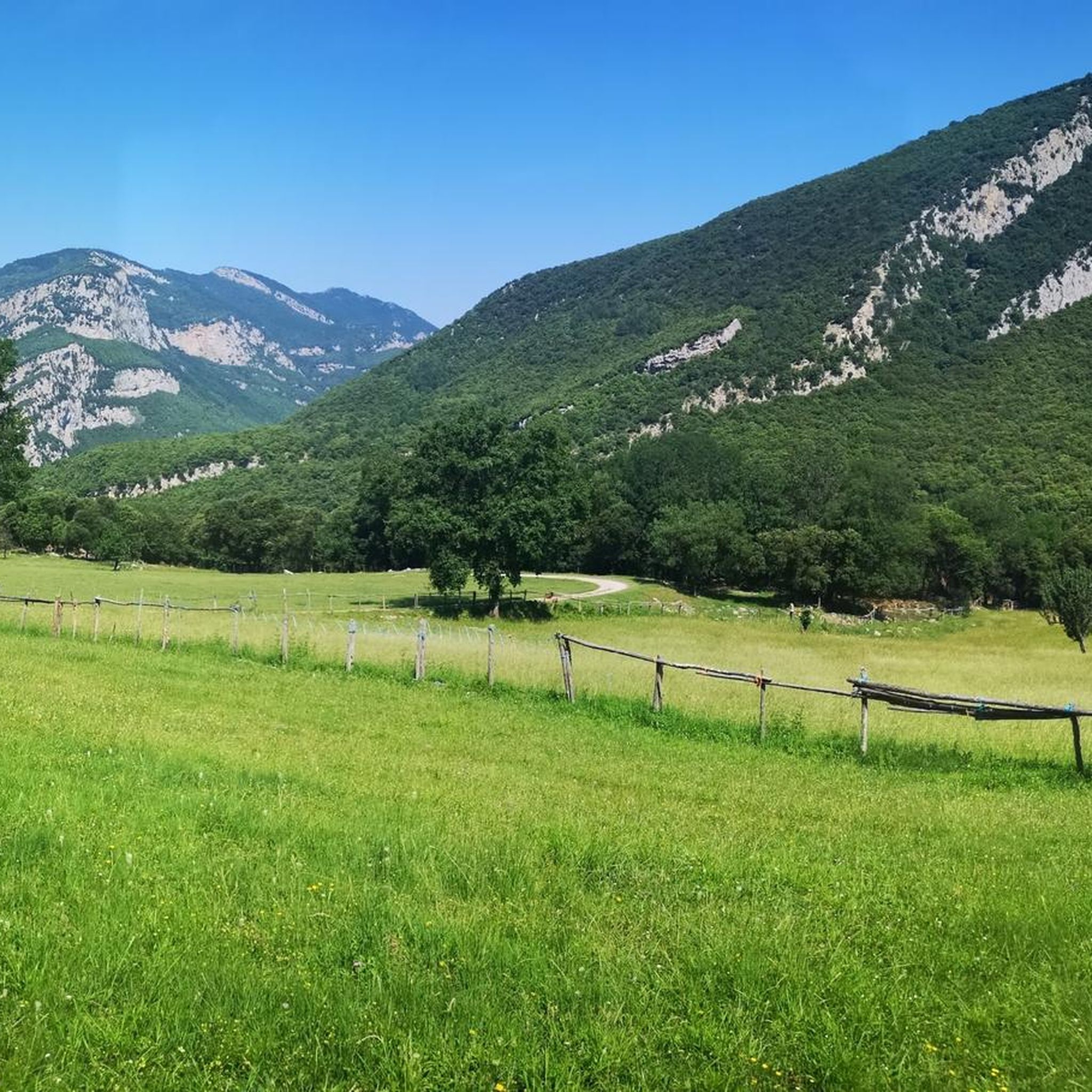
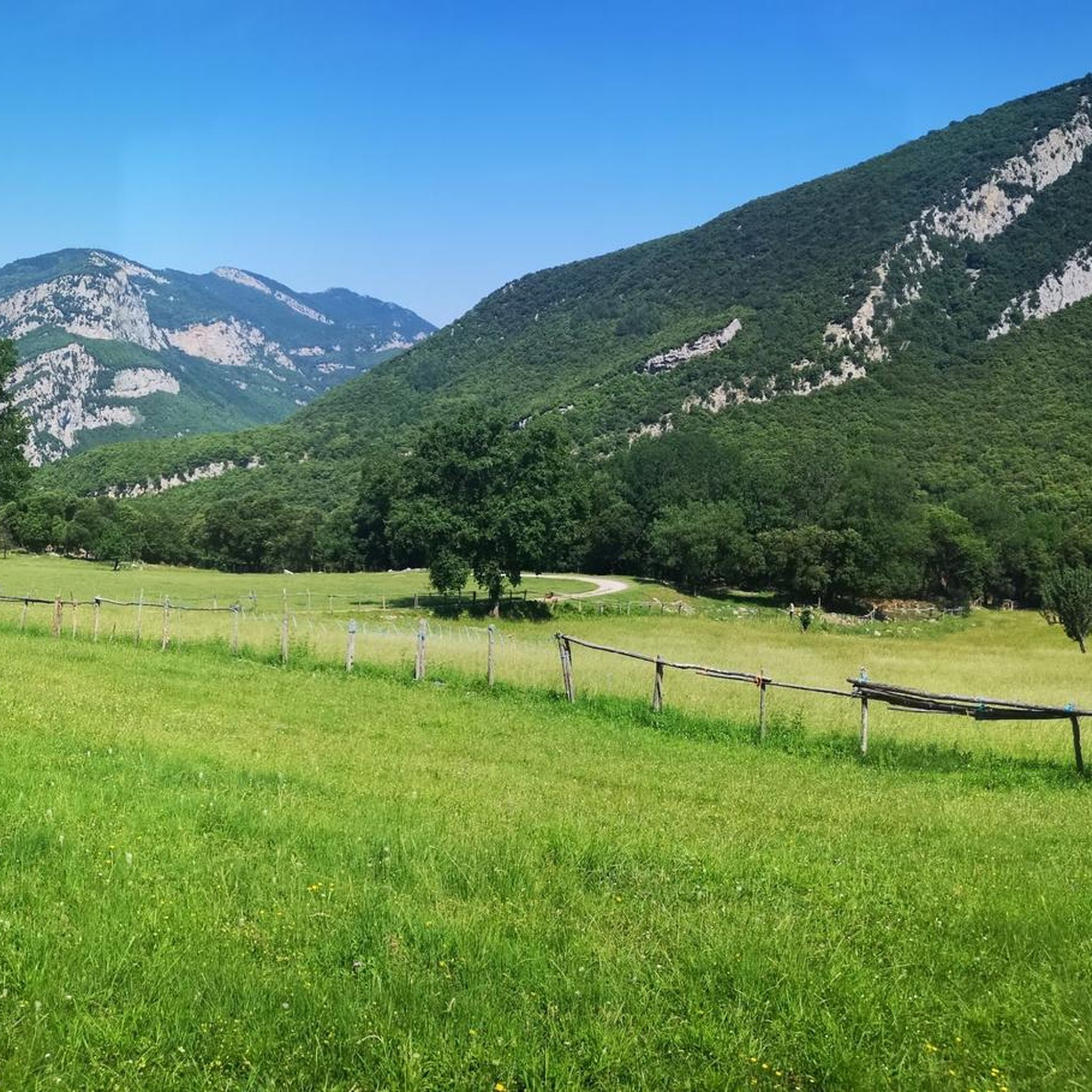
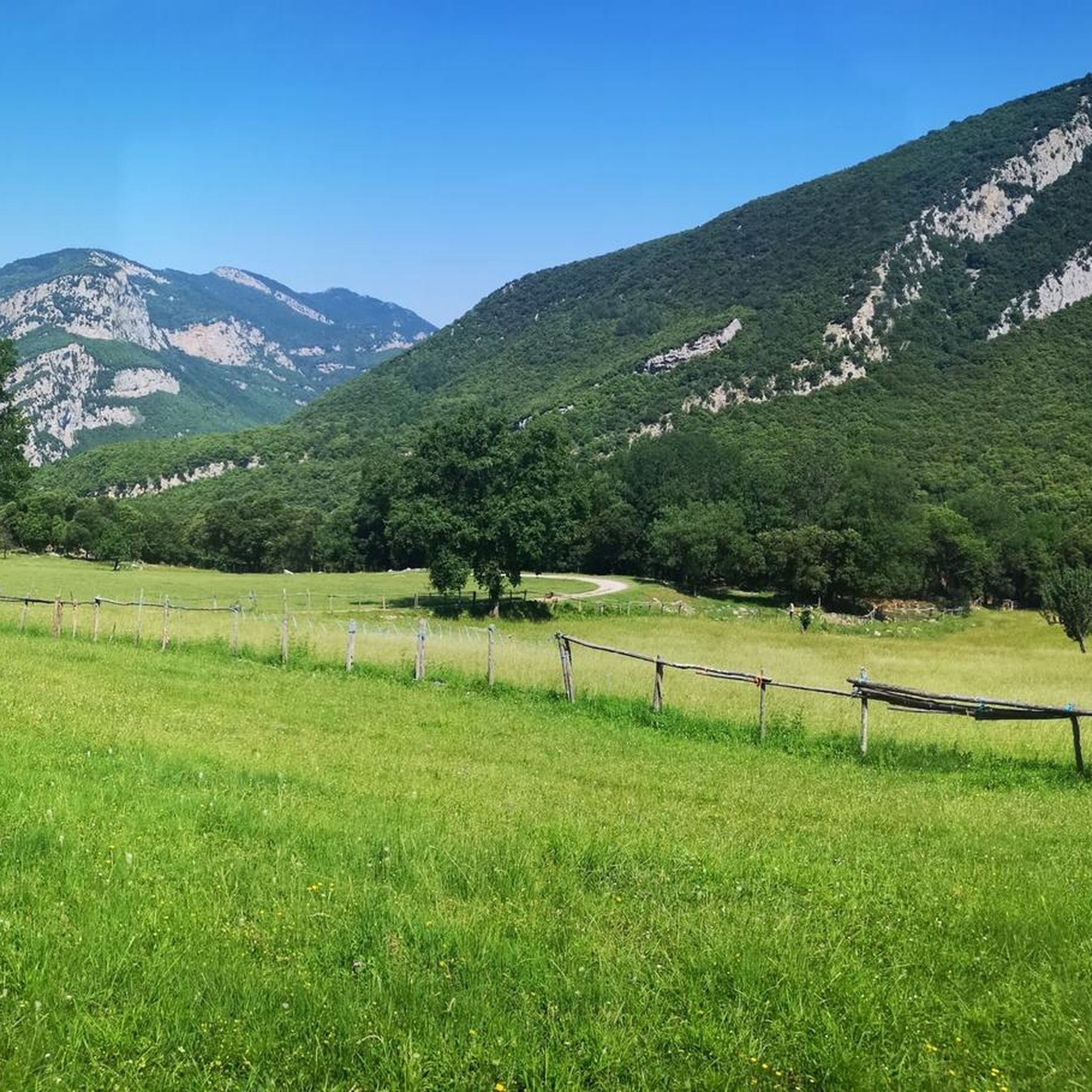
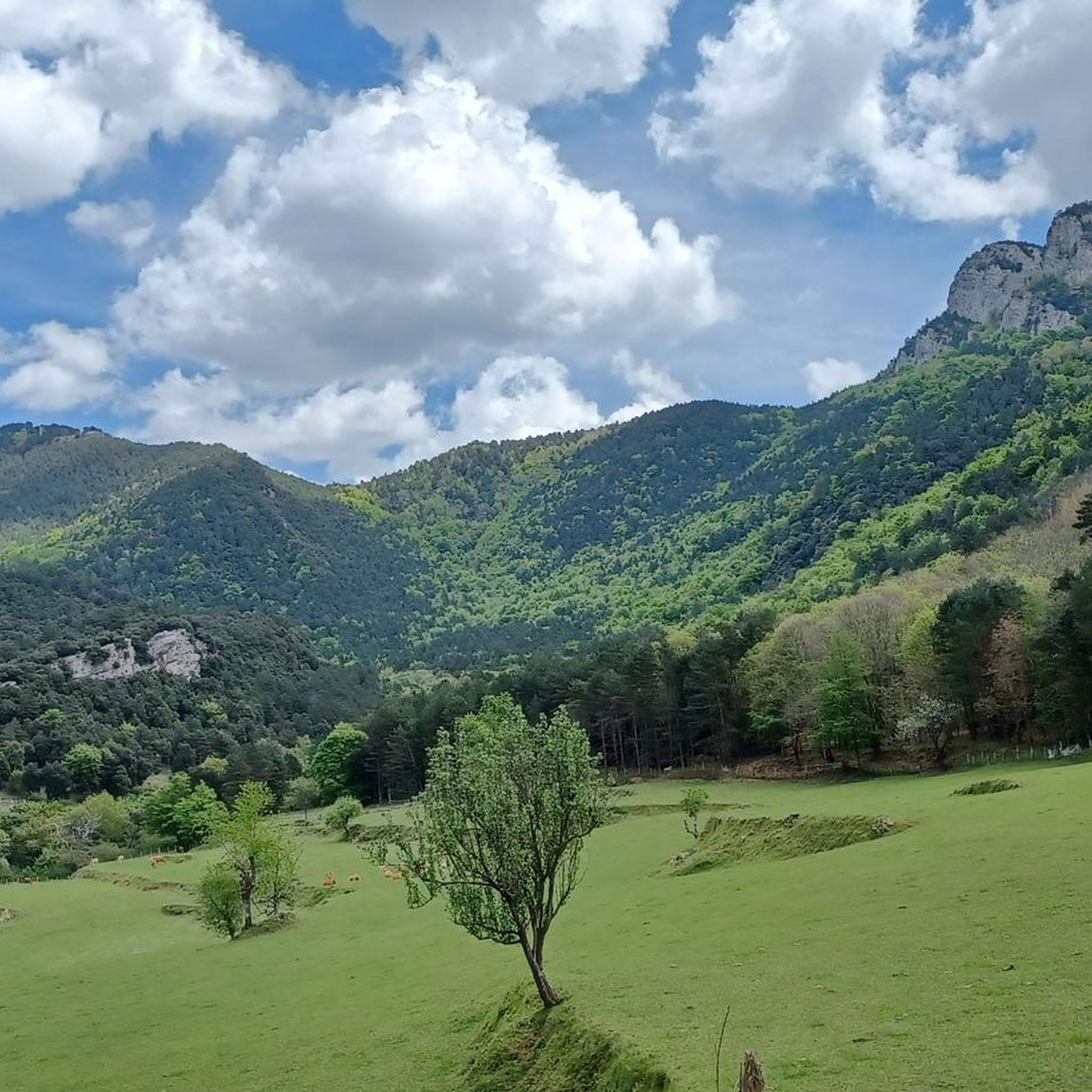

Tips from the Community

You can drive up, but I recommend walking up from Beuda, a beautiful hike of moderate difficulty.
0
0
The bar is closed on Mondays and Tuesdays. The restaurant is closed from Monday to Thursday, Spectacular 360° views of the Pyrenees, Garrotxa, Montseny Banyoles and the Pla de l'Estany.
0
0

At 1,373 meters high, the Puig de Bassegoda is located on the border between the regions of La Garrotxa and Alt Empordà. The climb accumulates a lot of positive unevenness in a short distance. For this reason, in the last section it has staples and chains to help itself.
2
1

Spectacular views of the Garrotxa and Ripolles Pyrenees peaks. From October to April, the bar-restaurant is only open at weekends (Friday, Saturday and Sunday).
3
0

This 998m peak, in the same way as in the case of Castell d'Arget, its strategic situation was very suitable for building a watchtower; it is said that this was a construction prior to the 10th century since "Rocha Graiaria" is mentioned in 954; in 1531 it was registered within the vegueria of Besalú, Between the 17th and 18th centuries this point is mentioned as the border between the terms of the Vilars and the Comú de la Vila. According to 19th century farmers, there were more vestiges than have been documented. I'm sure it communicated with that of Arget and that of the nearby Puig Falcó. Attention! if we attack the wall directly we will find a very vertical and dangerous section, equipped with chains in the most difficult places. It is necessary to take extreme precautions. If we are not in the mood to climb, or if the weather is bad, it is recommended to use the alternative path that leaves on the left around the rock on its north side and joins on its E side, from where we easily reach the top.
0
0

The sanctuary of the Mare de Déu del Mont is located on the peak of the Sierra del Mont, at an altitude of 1,124 metres. Next to the sanctuary we find the statue of Jacint Verdaguer and an incredible viewpoint to appreciate the landscape that surrounds the mountain, from the Empordà plain, the Alta Garrotxa to the southern slopes of the Pyrenees.
4
0

the views upon arrival pay for all the effort of the climb
3
0
It is a building dating from the twelfth or early thirteenth century, although it probably existed before an earlier church. The word Prunarias appears in a document from the year 966 as belonging to Sant Pere de Camprodon. The building is mentioned again in 1017. It seems that from shortly after 966 it belonged to the priory of Santa Maria del Coll de Panissars, a situation that must have been maintained until the beginning of the 17th century. In 1617 the church was joined to that of Sant Llorenç d'Oix. In 1661 there were 3 altars: the one of Santa Bàrbara, the one of Santa Caterina and the one of Sant Bartomeu. The church was damaged during the Civil War of 1936-39. The whole complex was completely restored between 1972-1979 by the Friends of Alta Garrotxa. Inside, different artistic pieces were kept, such as a tombstone representing the burial of a lady from the castle of Bestracà, which was damaged during the riots of 1936. Some of the fragments were deposited in the Museum of Olot by Dr. Joaquim Danès. Until the end of the 19th century, a Romanesque carving was venerated there, today deposited in the Museu d'Art de Catalunya, from the Plandiura collection. The fragments of an altarpiece representing the life of the saint are kept in the Parish Museum of Olot. From 1972 to 1981, restoration work was carried out, which meant that the building built on the nave during the 17th and 18th centuries was abandoned, as well as the one that turned the old belfry into a tower, rebuilt after a lightning strike. destroyed it in September 1978.
0
1
Frequently Asked Questions
What are the most prominent mountain peaks to explore near Sales de Llierca?
The region around Sales de Llierca, part of the Alta Garrotxa, offers several notable summits. One of the most prominent is Mare de Déu del Mont Summit, known for its challenging climb and panoramic views. Another significant peak is Puig de Bassegoda, which offers 360-degree vistas and a challenging ascent with sections equipped with staples and chains. For those interested in historical sites, Bac Grillera Castle is a 998m peak with castle ruins and strategic views.
Are there any historical or cultural sites located on the mountain peaks?
Yes, the region is rich in history. The Mare de Déu del Mont Summit hosts a sanctuary that has existed since at least 1222, offering a cultural dimension to the natural attraction. Additionally, Santa Bàrbara de Pruneres is a well-restored Romanesque hermitage located on a peak, providing great views of the Alta Garrotxa. The Sanctuary of Mare de Déu del Mont also features a statue of Jacint Verdaguer, who lived there for several years.
What kind of terrain can I expect when hiking the mountain peaks in this area?
The terrain around Sales de Llierca is characterized by deep valleys, cliffs, and karst topography, typical of the Alta Garrotxa region. You'll encounter rugged landscapes, with trails often leading through holm oak and oak woodlands. Some climbs, like to Puig de Bassegoda, involve significant elevation gain over short distances and may include sections with staples and chains. The roads leading to peaks like Mare de Déu del Mont can be narrow, steep, and winding.
Are there any family-friendly hiking options among the mountain peaks?
While many peaks in the Alta Garrotxa offer challenging climbs, the region also provides diverse trails. For specific family-friendly routes, it's best to explore the broader hiking guide for the area. You can find various options, including moderate and easy trails, by checking the Hiking around Sales De Llierca guide, which features routes like the 'Valentí Bridge – Gorges of the Alt Llierca loop from Sadernes'.
What are the best viewpoints to experience panoramic scenery?
For spectacular panoramic views, the Mare de Déu del Mont Summit is highly recommended. From its almost 1,200-meter altitude, you can see across the Garrotxa, the Pyrenees, and even to the Mediterranean Sea on clear days. The Puig de Bassegoda also offers excellent 360º views, from the Gulf of Roses to Canigó. Additionally, Santa Bàrbara de Pruneres provides great views of the Alta Garrotxa.
What outdoor activities, besides peak bagging, can I do near Sales de Llierca?
Beyond summiting peaks, the area around Sales de Llierca is excellent for various outdoor activities. You can explore extensive MTB Trails, including routes like 'Ruta de las iglesias románicas de la Alta Garrotxa'. There are also numerous Road Cycling Routes, such as loops around Lake Banyoles. For hikers, the Hiking around Sales De Llierca guide offers trails leading to natural features like the pools of Sant Aniol d'Aguja and through the Gorges of the Alt Llierca.
Are there any places to eat or drink near the mountain peaks?
Yes, particularly at some of the more popular summits. At the top of Mare de Déu del Mont Summit, there is a restaurant/café with an outdoor terrace offering wonderful views. It's advisable to check their opening times, especially outside of peak season, as they may vary.
What is the best time of year to visit the mountain peaks around Sales de Llierca?
The region's mountainous character makes it suitable for hiking and rural tourism for much of the year. Spring and autumn generally offer pleasant temperatures for hiking, with vibrant flora or colorful foliage. Summer can be warm, but higher elevations provide cooler air. Winter can bring colder conditions, especially at higher altitudes, but also offers unique, clear views. Always check local weather conditions before your visit.
Are there any challenging climbs for experienced hikers?
Absolutely. Peaks like Mare de Déu del Mont Summit are known for their challenging climbs and significant gradients. The ascent to Puig de Bassegoda also accumulates a lot of positive elevation gain over a short distance, with sections requiring the use of staples and chains. Bac Grillera Castle also presents a challenging climb, with a very vertical and dangerous section equipped with chains.
What kind of natural features can I discover while exploring the mountains?
The Alta Garrotxa region is renowned for its geomorphological complexity. You'll find deep valleys, dramatic cliffs, and fascinating karstic features such as limestone pavements, sinkholes, and caves. The landscape is dominated by holm oak and oak woodlands, and you can also discover natural pools and gorges, like those of the Alt Llierca, which are popular for hiking.
Is it possible to reach these mountain peaks using public transport?
While some areas might have limited public transport access, many of the trails leading to the mountain peaks in the Alta Garrotxa region are best accessed by car. For specific trailheads, it's recommended to research local bus services or consider driving, as public transport options directly to remote mountain starting points can be scarce. Parking is generally available near popular trailheads.
Most popular routes around Sales De Llierca
Most popular attractions around Sales De Llierca

Get inspired with the komoot mobile app


Explore more
See even more amazing summits around Sales De Llierca with these guides:
