Top 12 Mountain Passes around Sant Climent Sescebes
Best mountain passes around Sant Climent Sescebes are situated within the Albera Massif, the easternmost extension of the Pyrenees. This region offers a diverse landscape ranging from low-altitude passes to the highest peaks of the massif. The area features historical routes, ancient megaliths, and Romanesque churches, providing insights into both natural and human history. Visitors can explore a variety of terrains, from challenging climbs to scenic routes through forests and vineyards.
Best mountain passes around Sant Climent Sescebes
- The most…
Last updated: June 26, 2026
Banyuls Pass
Highlight • Mountain Pass
Translated by Google •
Tip by

Ascent to Coll de Banyuls from Espolla
Highlight (Segment) • Mountain Pass
Translated by Google •
Tip by

Sign up now to discover places like this
Get recommendations on the best single tracks, peaks, & plenty of other exciting outdoor places.
Sign up for free
Coll de l'Estaca
Highlight • Mountain Pass
Translated by Google •
Tip by

Ullat Pass
Highlight • Mountain Pass
Translated by Google •
Tip by

Coll de Portes
Highlight (Segment) • Mountain Pass
Translated by Google •
Tip by
Sign up for free to discover even more mountain passes around Sant Climent Sescebes.
Sign up for free
Already have an account?
Start today with a free account
Your next adventure awaits.
Login or Signup


Tips from the Community

Beautiful route and a great view
0
0

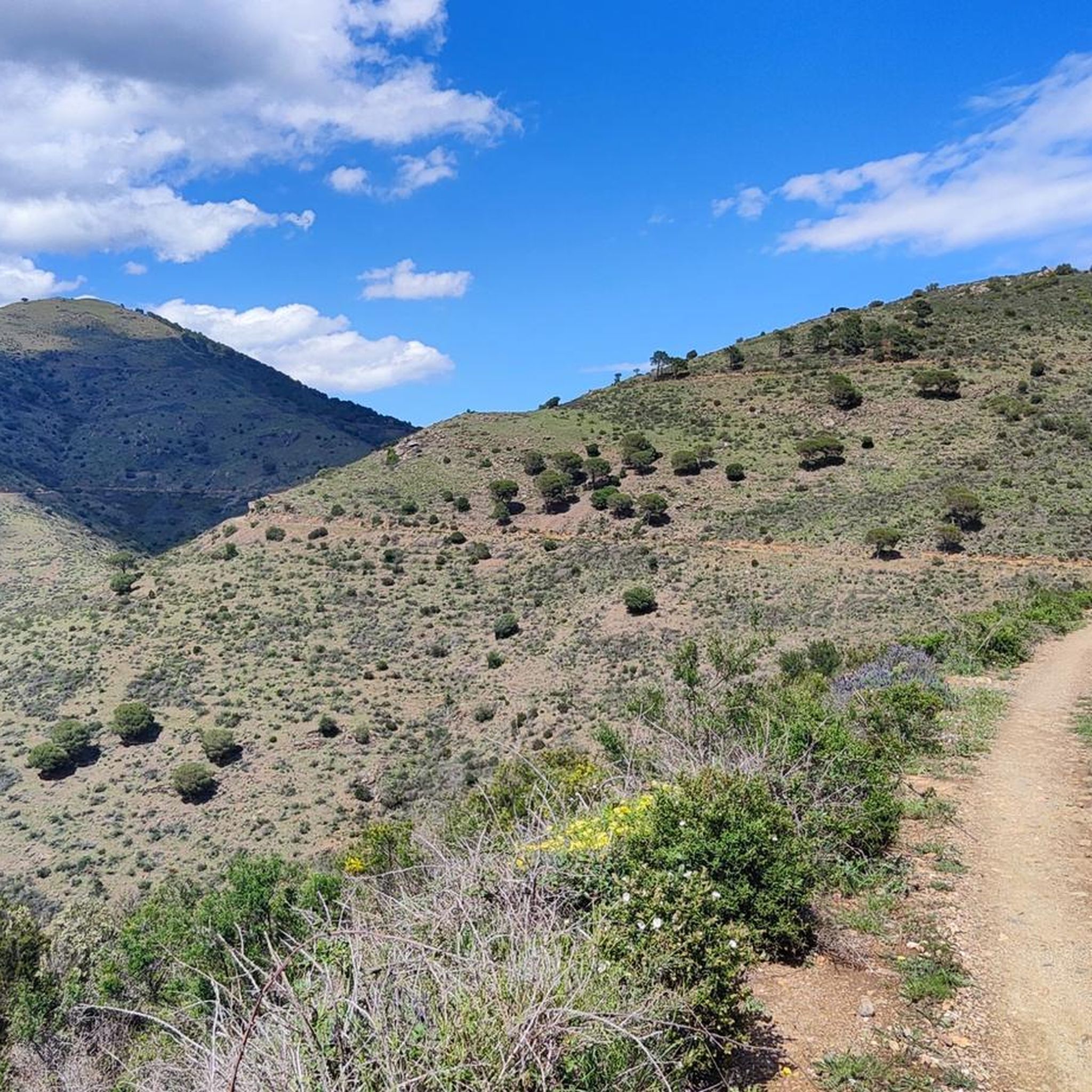
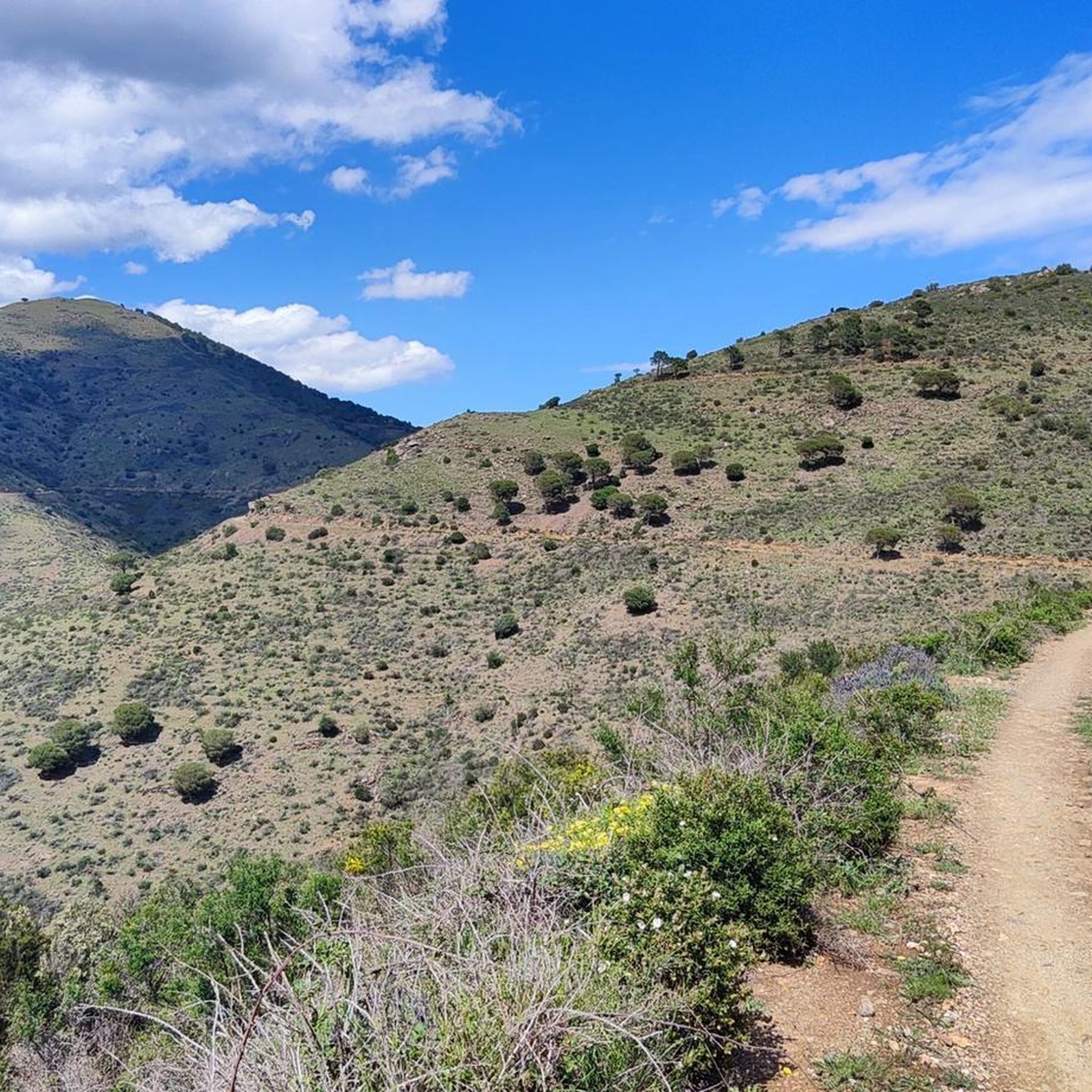
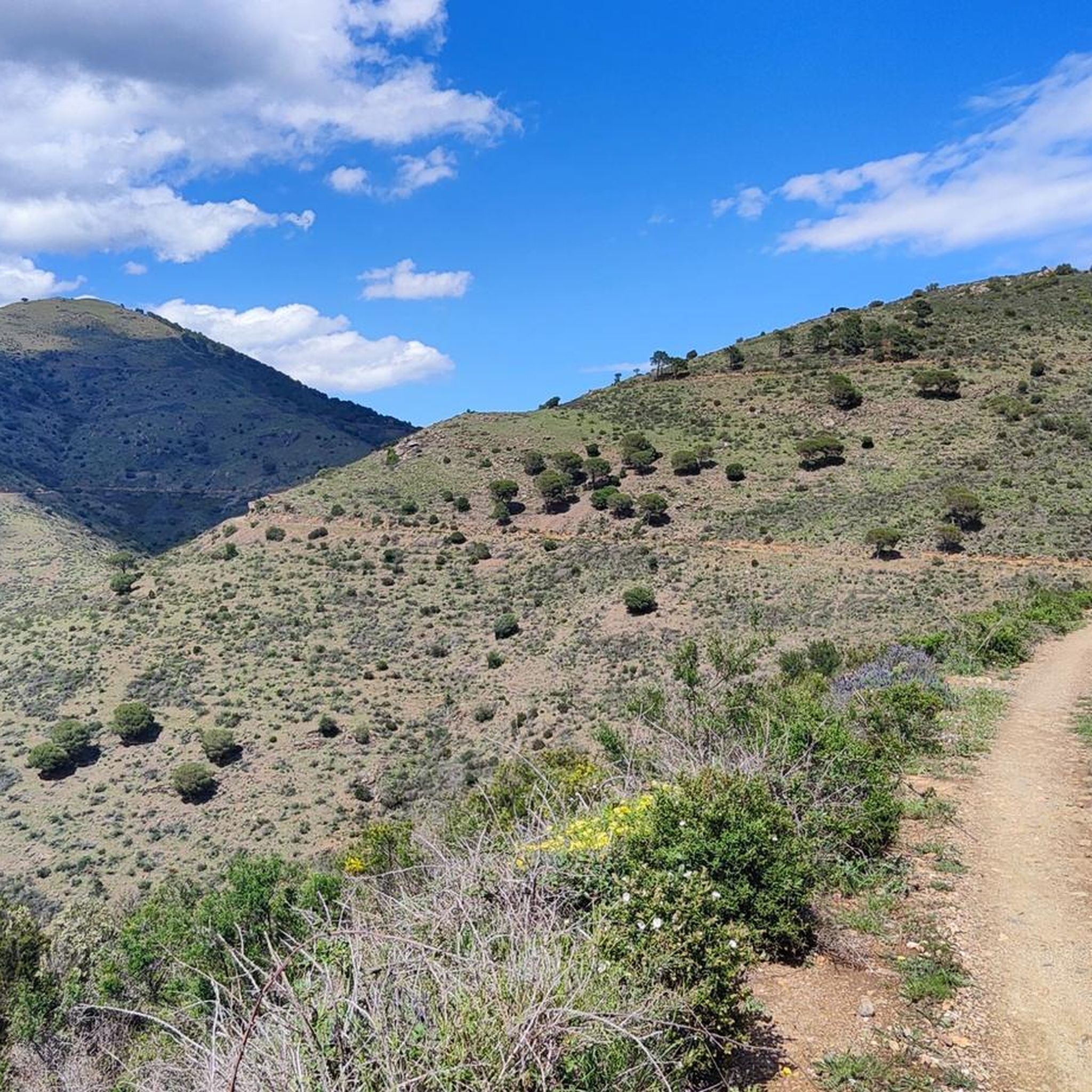
A hill with spectacular views. Several trails depart from here. It's worth taking a detour when descending from Puig Neulós to visit this spot with views on the border between the French eastern Pyrenees and the Catalan Pyrenees.
1
0

The Green MEPs Jordi Solé and François Alfonsi, and the Social Democrat Éric Andrieu, launched a letter to Pedro Sánchez and Emmanuel Macron, presidents of Spain and France respectively, calling for the reopening of the crossings to be discussed at the 27th Franco-Spanish summit on 19 January in Barcelona. The letter, signed by 31 MEPs, was presented at a press conference at the European Parliament in Strasbourg. Two days later, on 20 January, residents of Espolla reopened the coll for the annual Feria de l'Oli y de l'Olivera in the village. However, on 23 January the French authorities closed the crossing again.
3
0
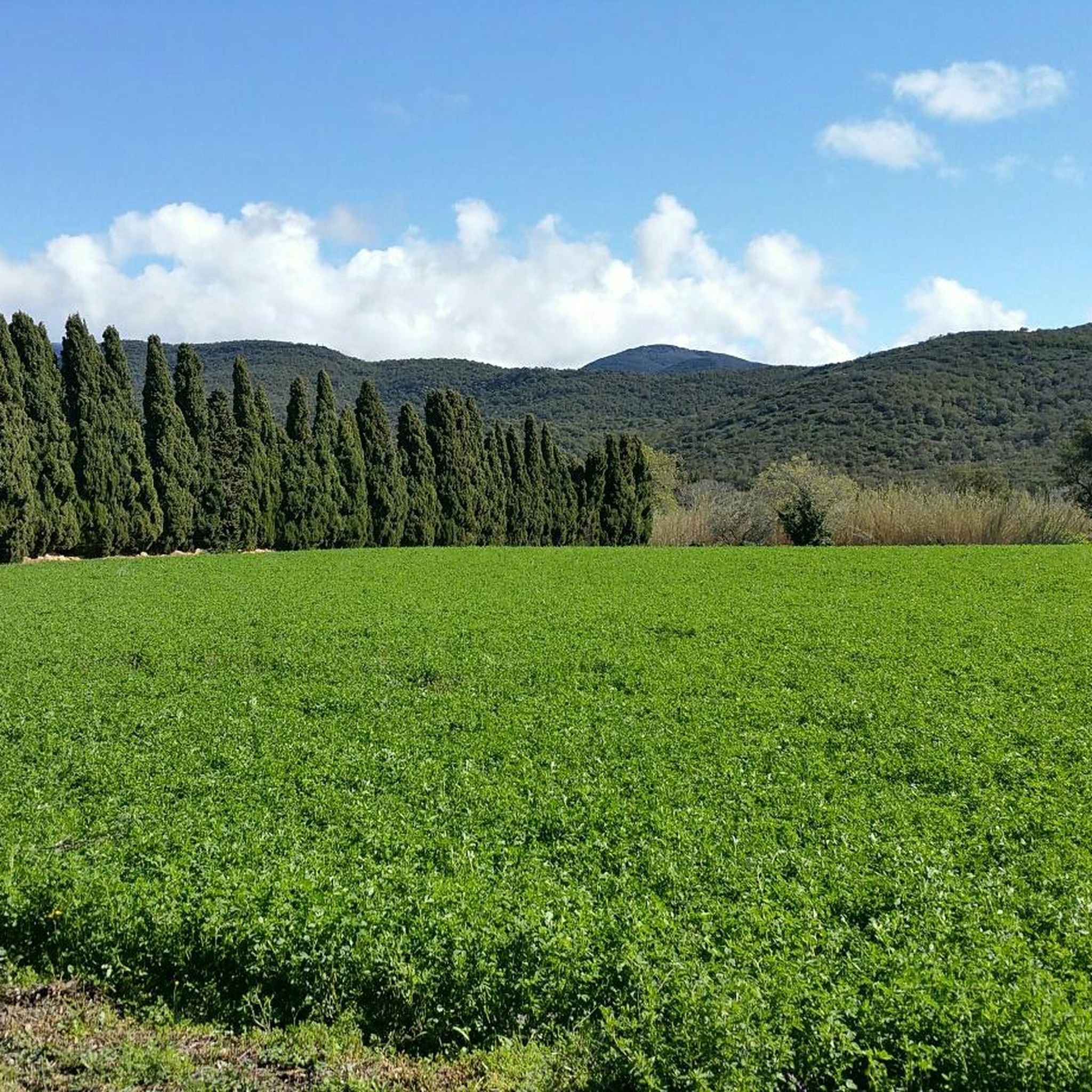
It is located at an altitude of approximately 936 metres in the Albera mountain range in the Pyrénées-Orientales, France. It is accessible by road via a narrow, paved route, which climbs from Le Boulou and Laroque-des-Albères. The road offers panoramic views as it ascends through the forest.
3
0
At the Col de l'Ullat, there is also a refuge that offers basic services for hikers. Surrounded by forests and with panoramic views, it is an ideal place to enjoy nature and explore the region.
3
1

very nice to drive with great views
1
0
Through the Coll de Banyuls, formerly called the Coll d'Espills, one of the routes that connected southern Catalonia, l'Empordà, with northern Catalonia, el Rosselló, ran. It was one of the three passes, the central one, that the Visigoth king Wamba used to cross the Serra de l'Albera in the direction of Septimania. It went up from the Roussillon coast towards the mountains through the Ravaner valley. To its west, another step was through the Vall de Sant Martí, towards the Torre de la Maçana and the Coll de la Carbassera, and to the east, towards Cotlliure via the Coll de la Farella.
3
0
From this viewpoint you can see at the bottom an area irrigated by the Orlina River that nourishes about 3000m2 full of centuries-old oaks, ideal for going down and regaining strength. If you look the way you came you will see the Espolla and in the opposite direction the Coll de Bañuls. One km from here you will find a Generalitat farm that is working on the implantation of an extinct species of roof rack.
2
0
Frequently Asked Questions
What are some of the most popular mountain passes around Sant Climent Sescebes?
Visitors frequently enjoy the Banyuls Pass, known for its challenging mountain bike routes through the natural landscapes of the Albera Massif. Another favorite is Ullat Pass, which offers great views from 938 meters, surrounded by pine trees and redwoods. The Ascent to Coll de Banyuls from Espolla is also popular for its scenic climb with minimal vehicle traffic.
Are there mountain passes with historical significance near Sant Climent Sescebes?
Yes, the Col du Perthus (Le Perthus Pass) is a historically significant low-altitude pass that has served as a crucial route across the Pyrenees for centuries. It marks the border between France and Spain and features Roman fortifications and ancient roads like the Via Domitia and Via Augusta.
What kind of views can I expect from the mountain passes in the Albera Massif?
The passes in the Albera Massif offer diverse and impressive views. From Ullat Pass, you can enjoy panoramic vistas from 938 meters. If you hike to Puig Neulós, the highest peak of the Albera Massif, you'll be rewarded with breathtaking 360-degree views over Roselló (Roussillon in France) and Alt Empordà (in Spain).
Are there challenging cycling routes involving mountain passes near Sant Climent Sescebes?
Absolutely. The Col de Banyuls is featured in a challenging 54.5 km mountain bike route with a significant elevation gain of 1,580 meters, ideal for experienced riders. For road cyclists, the Mare de Déu del Mont climb is a long and demanding ascent with an average gradient of 5.4% over 18 km, offering stunning views and is considered one of Catalonia's most captivating cycling routes. Rocacorba is another classic climb, known for its challenging gradients and as a training ground for professional cyclists.
What natural features can I explore around the mountain passes?
The Albera Massif, where many of these passes are located, is rich in diverse microhabitats. You can find unique flora and fauna, including the endangered Hermann's tortoise and the golden eagle. Passes like Ullat Pass are surrounded by pine trees and redwoods, while the Mare de Déu del Mont route winds through cork oak forests.
Are there any cultural or historical sites accessible from these mountain passes?
Yes, several passes offer access to historical sites. The Col du Perthus is steeped in history with Roman fortifications. Near Puig Neulós, you can find ancient megaliths and Romanesque churches. The ascent to Sant Pere de Rodes leads to a magnificent 10th-11th century Catalan Romanesque monastery, with nearby monuments like Sant Salvador de Verdera castle and the medieval village of Santa Creu de Rodes.
What outdoor activities can I do near these mountain passes?
The region around Sant Climent Sescebes offers a variety of outdoor activities. You can find numerous road cycling routes, including challenging ones like the "Sant Jaume Church – Banyuls Pass loop from Mollet de Peralada" (Road Cycling Routes around Sant Climent Sescebes). There are also running trails, such as the "Requesens to Puig Neulós Loop" (Running Trails around Sant Climent Sescebes), and general cycling tours like the "Banyuls-sur-Mer Beach – Banyuls Pass loop from Mollet de Peralada" (Cycling around Sant Climent Sescebes).
What do visitors enjoy most about the mountain passes around Sant Climent Sescebes?
Visitors particularly appreciate the stunning natural beauty, the challenging routes for cyclists and hikers, and the rich historical context of the passes. Many highlight the panoramic views from various viewpoints, the quiet roads, and the sense of achievement after completing a demanding climb. The blend of natural landscapes with ancient ruins and traditional villages also adds to the appeal.
Are there any passes with amenities like restaurants or refuges?
Yes, at the summit of Mare de Déu del Mont, there is the Santuari Mare de Déu del Mont and a restaurant. Near Ullat Pass, you can find the Chalet de l'Albère restaurant. The Banyuls Pass on the Catalan side also has a small, publicly accessible refuge with basic amenities.
What is the best time to visit the mountain passes in this region?
The region's mountain passes offer pleasant conditions for outdoor activities during spring and autumn when temperatures are milder. Summer can be warm, especially at lower altitudes, but higher passes and shaded routes remain enjoyable. Winter can bring colder temperatures and occasional snow to the highest peaks, making some routes more challenging or inaccessible.
Can I find quiet routes with minimal traffic?
Yes, many routes through the mountain passes are known for minimal vehicle traffic. For instance, the Ascent to Coll de Banyuls from Espolla offers a road with very little car traffic. The Mare de Déu del Mont climb is also described as having a narrow, smooth, and quiet road, winding through forests.
Are there any passes that offer views of both the Pyrenees and the Mediterranean Sea?
Yes, the Mare de Déu del Mont pass is particularly renowned for offering 360-degree panoramic views that encompass the Garrotxa region, the majestic Pyrenees, and the sparkling Mediterranean Sea. Similarly, the ascent to Sant Pere de Rodes provides spectacular views of the Costa Brava and Cap de Creus Natural Park, which extends into the Mediterranean.
Most popular routes around Sant Climent Sescebes
Most popular attractions around Sant Climent Sescebes

Get inspired with the komoot mobile app


Explore more
See even more epic mountain passes by checking out these guides around Sant Climent Sescebes:
