Top 6 Castles around Puigverd D'Agramunt
Castles around Puigverd D'Agramunt are situated in a region with a rich historical past, notably the medieval Castell de Puigverd. This area played a significant role in the defensive line of the Marca Hispánica, a border region between Muslim and Christian territories. The strategic location on high points, often integrated with local churches and ancient town walls, provides insight into centuries of history. Visitors can explore remnants of fortifications and structures that reflect the region's historical importance.
Best castles around Puigverd D'Agramunt
- The most popular castles is Castell de l'Aranyó, a castle that is part of the Segarra castles route. It is a restored castle with historical information panels.
- Another must-see spot is Castillo de Montcortés, a castle and historical site. This imposing castle was used as a fortress and contrasts with the surrounding country houses.
- Visitors also love Florejacs Castle, a castle that was part of the Reconquest as a border line between Arabs and Christians. It is part of the Segarra castles route and stands on a small hill amidst cultivated fields.
- Puigverd D'Agramunt is known for its medieval fortresses, border castles, and historical sites. These castles offer a glimpse into the region's past, including its role in the Reconquest and the Marca Hispánica.
- The castles around Puigverd D'Agramunt are appreciated by the komoot community, with 15 upvotes and 21 photos shared by visitors.
Last updated: May 17, 2026
Florejacs Castle
Highlight • Castle
Translated by Google •
Tip by

Castell de l'Aranyó
Highlight • Castle
Restored and with a great history. We will be able to go back in time with the information panels.
It is the birthplace of the writer Manuel de Pedrolo.
Apart from the castle, I recommend you to take a walk through the beautiful village with a medieval air among the cereal fields. Visit the Aranyó portal
Translated by Google •
Tip by
Sign up now to discover places like this
Get recommendations on the best single tracks, peaks, & plenty of other exciting outdoor places.
Sign up for free
Castillo de Montcortés
Highlight • Castle
The closest castle is 1.5 km away and it is the Castillo d'Aranyó
Translated by Google •
Tip by
Concabella Castle
Highlight • Castle
Translated by Google •
Tip by

Ratera Castle
Highlight • Castle
Translated by Google •
Tip by
Start today with a free account
Your next adventure awaits.
Login or Signup




Tips from the Community


In the Segarra region, which forms part of the Sió Castles route, we come across the Florejacs castle, which was part of the Reconquest as a border line between Arabs and Christians. Can visit.
0
0
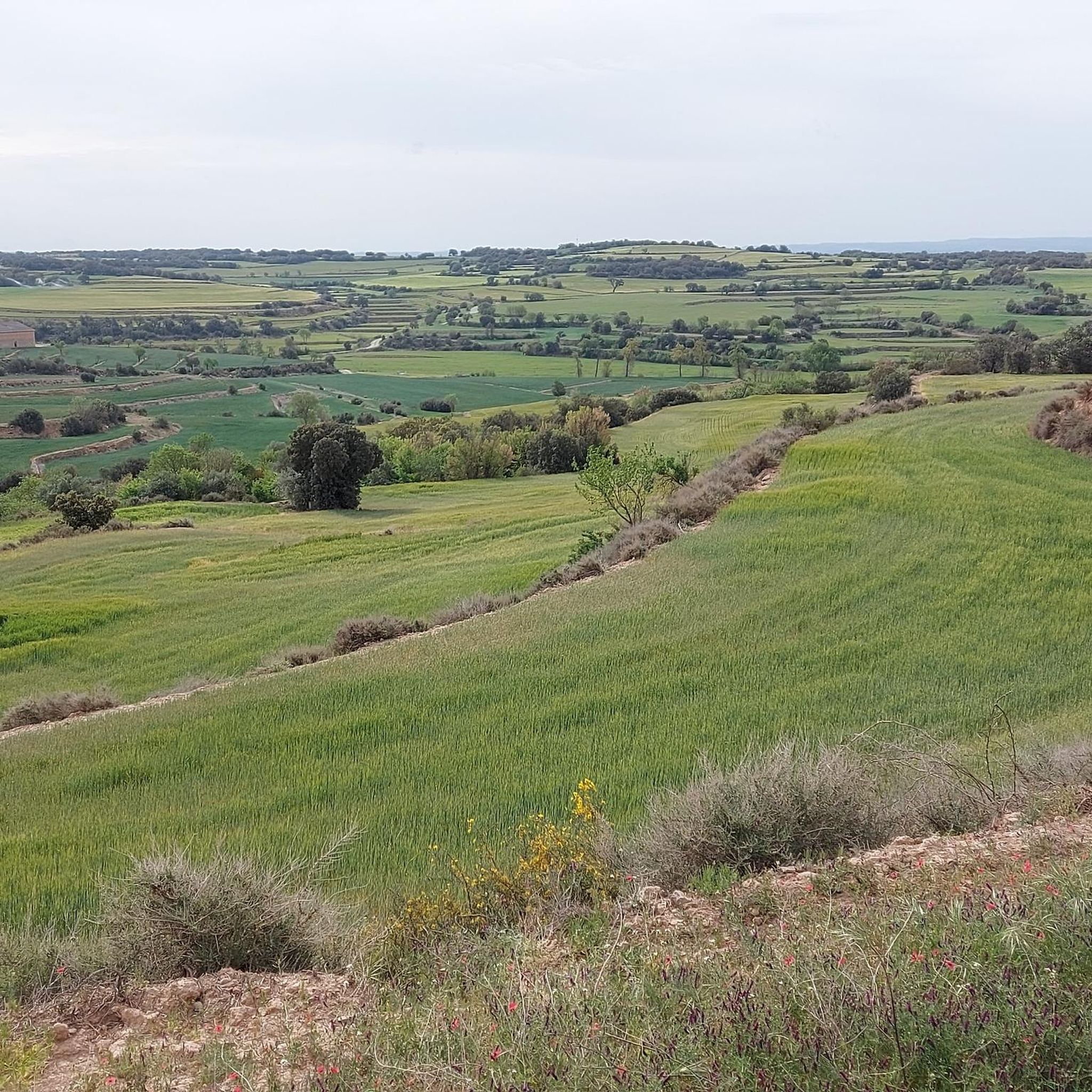
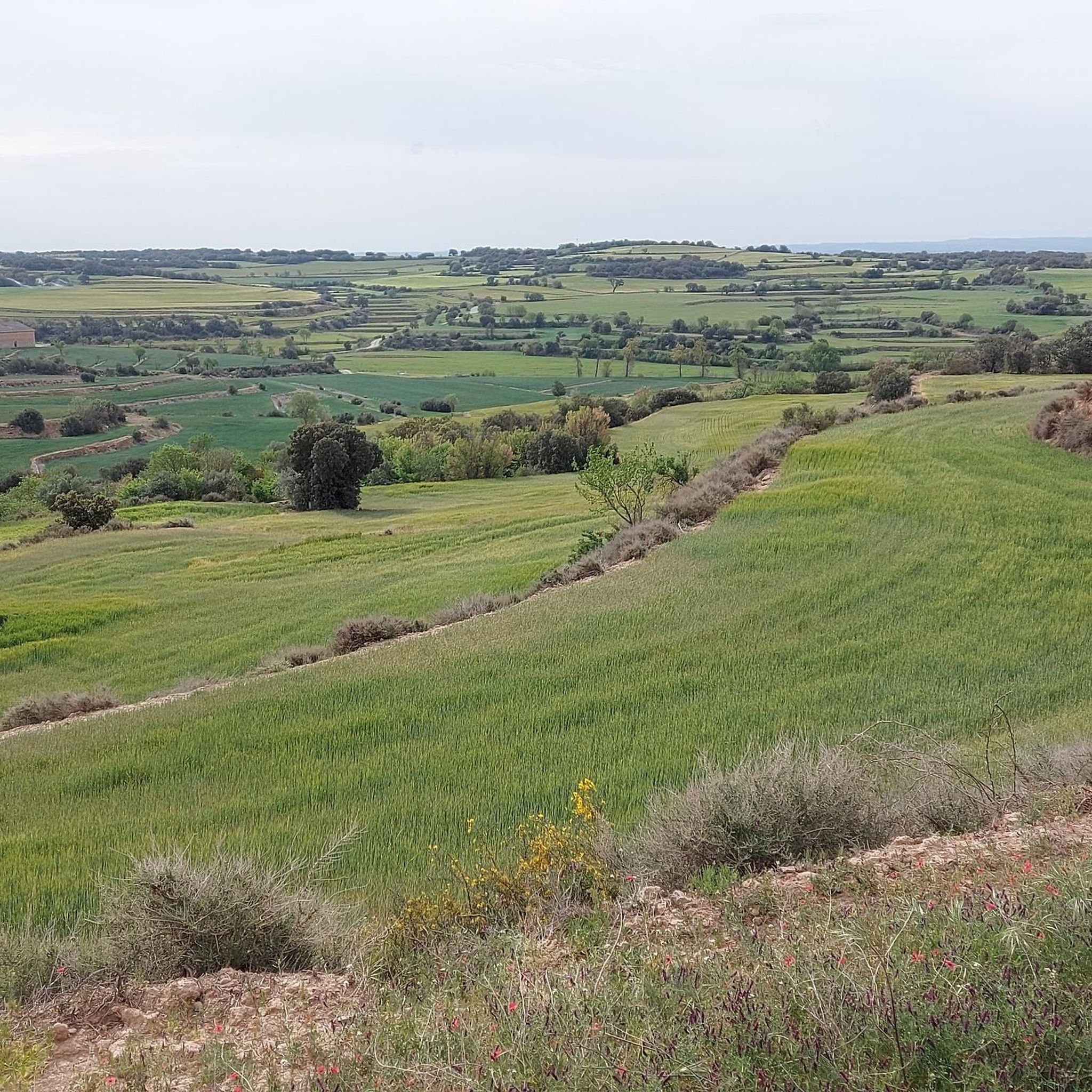
Florejacs castle is part of the Segarra castles route. Located in the homonymous town that stands on a small hill, in the middle of cultivated fields. This building was part of the border line between the Arab world and the Christian world at the time of the Reconquest. We can visit it, but we must inform ourselves of the schedules.
0
0
Castle that is part of the Segarra castles route. Restored and with a great history. We will be able to go back in time with the information panels. It is the birthplace of the writer Manuel de Pedrolo. Apart from the castle, I recommend you to take a walk through the beautiful village with a medieval air among the cereal fields. Visit the Aranyó portal
0
0
Imposing castle, used as a fortress and that we find during the route of the castles. The enormous building contrasts with the surrounding country houses and the 16th-century church of Santa Ana opposite. The closest castle is 1.5 km away and it is the Castillo d'Aranyó
0
0
Florejacs castle was part of the Reconquest as a border line between Arabs and Christians. Can visit.
1
0

One of the many castles in the Segarra and Anoia region. Within the Castells del Sió route
1
0
Frequently Asked Questions
What is the historical significance of the castles around Puigverd D'Agramunt?
The castles in this region, particularly the Castell de Puigverd, played a crucial role in the Marca Hispánica, serving as a defensive line between Muslim and Christian territories. They offer a tangible connection to centuries of history, including the Reconquest, and reflect the strategic importance of the area.
Which castles are part of the Segarra castles route near Puigverd D'Agramunt?
Several notable castles are part of the Segarra castles route. These include Castell de l'Aranyó, which is restored and features historical information panels, and Florejacs Castle, standing on a small hill amidst cultivated fields.
Are there any family-friendly castles to visit in the area?
Yes, Concabella Castle is noted as a family-friendly historical site within the Segarra and Anoia region, offering an accessible experience for all ages.
What outdoor activities can I do near these castles?
The area around Puigverd D'Agramunt offers various outdoor activities. You can explore road cycling routes, general cycling tours, and mountain biking trails. For example, there are routes like the 'Agramunt Castles Loop' for cycling or 'Pilar de Almenara — Sierra de Agramunt' for MTB. You can find more details in the Road Cycling Routes, Cycling, and MTB Trails guides for the region.
Can I visit the Castell de Puigverd itself?
The Castell de Puigverd, while significantly transformed from its medieval origins, features a 16th-century stately home built upon its foundations. The exterior of the castle is visitable year-round, allowing you to appreciate its strategic location and historical remnants within the town.
What makes Castillo de Montcortés unique?
Castillo de Montcortés is an imposing castle that served as a fortress. Its grand structure stands in stark contrast to the surrounding country houses, making it a visually striking historical site along the castles route.
Are there any viewpoints near the castles to appreciate the landscape?
Many castles, like Castell de l'Aranyó, are situated in locations that offer scenic views of the surrounding cereal fields and the medieval-style villages. The strategic placement of these fortresses often provides excellent vantage points over the landscape.
What is the best time of year to visit the castles around Puigverd D'Agramunt?
The exterior of the Castell de Puigverd is visitable year-round. Generally, spring and autumn offer pleasant weather for exploring the castles and the surrounding countryside, avoiding the peak heat of summer or the colder, potentially wetter days of winter.
Are there any cafes or pubs in Puigverd D'Agramunt village?
Yes, Puigverd D'Agramunt is a village with local amenities. You can find cafes and pubs within the village to relax and refresh after exploring the castles.
What should I know about parking when visiting the castles?
Parking facilities are typically available in or near the villages where the castles are located. For the Castell de Puigverd, you can usually find parking within the town itself, as it's integrated into the urban fabric.
How long does it typically take to visit a castle in this region?
The time required to visit a castle varies. For castles like Castell de Puigverd, where the exterior is the primary accessible feature, a visit might take 30 minutes to an hour. For others like Castell de l'Aranyó, which is restored and has information panels, you might spend longer to fully appreciate its history and the surrounding village.
What is the significance of the Marca Hispánica in relation to these castles?
The Marca Hispánica was a buffer zone established by Charlemagne between the Frankish Empire and Al-Andalus. Castles in this region, including the Castell de Puigverd, were vital defensive structures along this border, playing a key role in the Christian Reconquest and shaping the historical landscape of Catalonia.
Most popular routes around Puigverd D'Agramunt
Most popular attractions around Puigverd D'Agramunt

Get inspired with the komoot mobile app


Explore more
Looking for the best castles somewhere else? Discover other guides around Puigverd D'Agramunt:
