The best MTB trails around Figaró-Montmany
4.4
(1003)
7,660
riders
209
rides
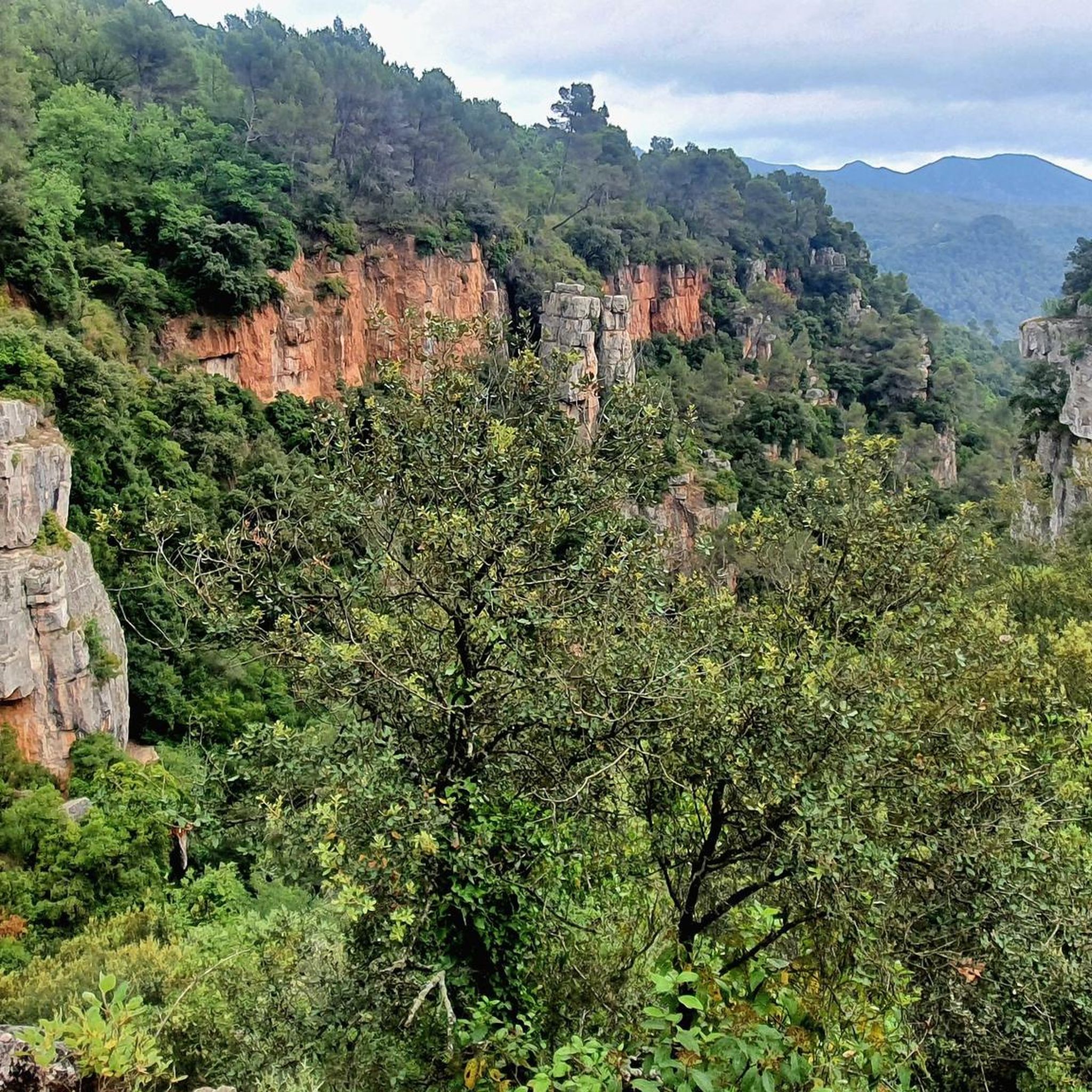
Mountain biking around Figaró-Montmany offers diverse landscapes, situated between the dramatic Cingles de Bertí cliffs and the extensive Montseny Natural Park. The region is characterized by varied terrain, including the Congost valley, which serves as a natural corridor, and numerous peaks such as Roca Centella. These natural features provide a mix of challenging ascents, technical descents, and scenic paths suitable for mountain biking. The area's geology, with its cliffs and forested areas, creates a dynamic environment for off-road cycling.
Best…
Last updated: July 1, 2026
4.6
(14)
81
riders
34.6km
03:28
960m
960m
Hard mountain bike ride. Very good fitness required. Advanced riding skills necessary.
4.7
(18)
78
riders
40.5km
02:50
280m
280m
Moderate mountain bike ride. Good fitness required. Suitable for all skill levels.

Sign up for free
5.0
(6)
69
riders
21.8km
02:11
570m
570m
Moderate mountain bike ride. Good fitness required. Suitable for all skill levels.
4.9
(23)
40
riders
27.8km
02:58
820m
820m
Hard mountain bike ride. Good fitness required. Advanced riding skills necessary. Some portions of the route may require you to push your bike.
4.5
(2)
38
riders
47.5km
04:39
1,280m
1,280m
Hard mountain bike ride. Very good fitness required. Advanced riding skills necessary.
Get access to more routes and recommendations from other explorers.
Sign up for free
Already have an account?
Our route recommendations are based on thousands of hikes, rides, and runs completed by other people on komoot.
Start today with a free account
Your next adventure awaits.
Login or Signup
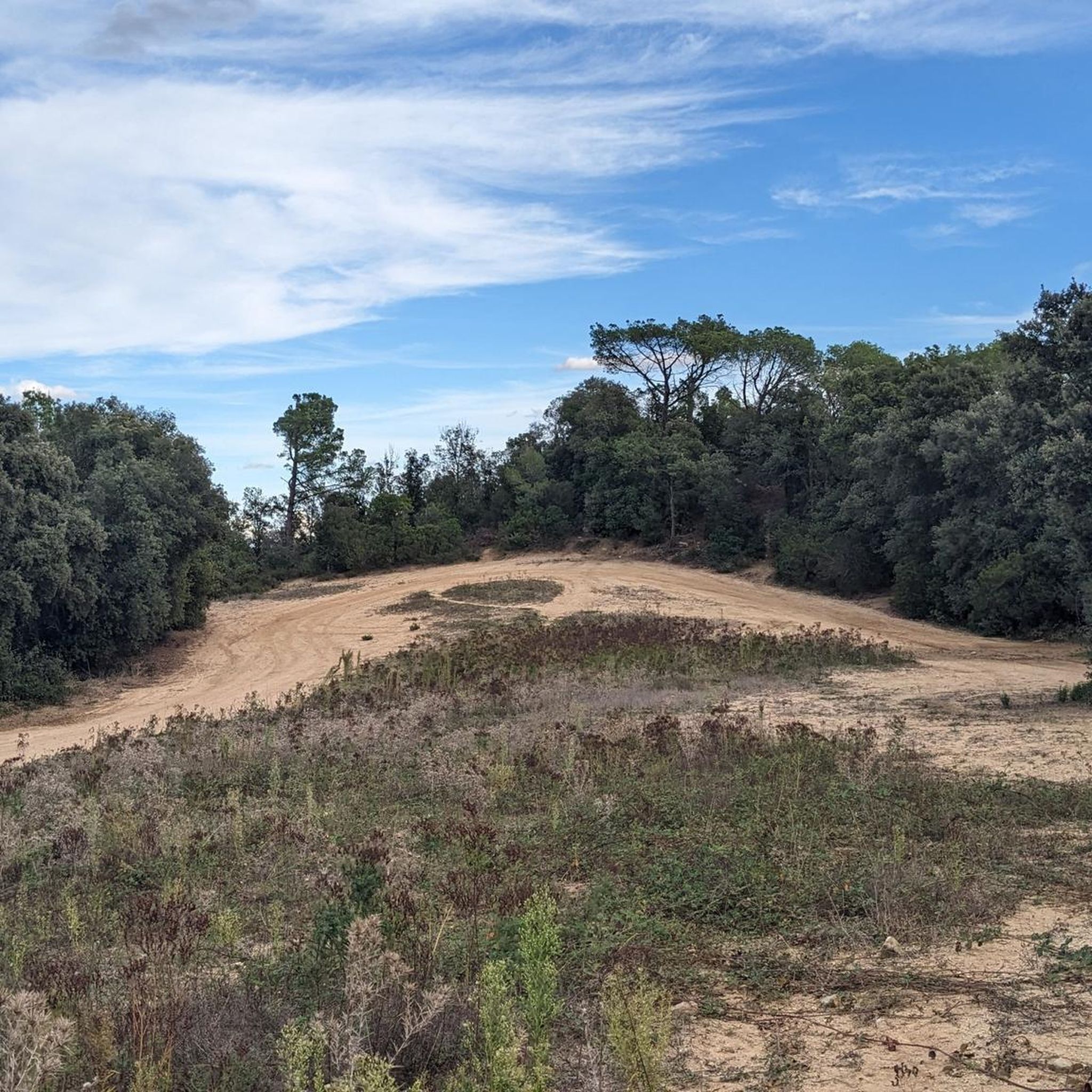
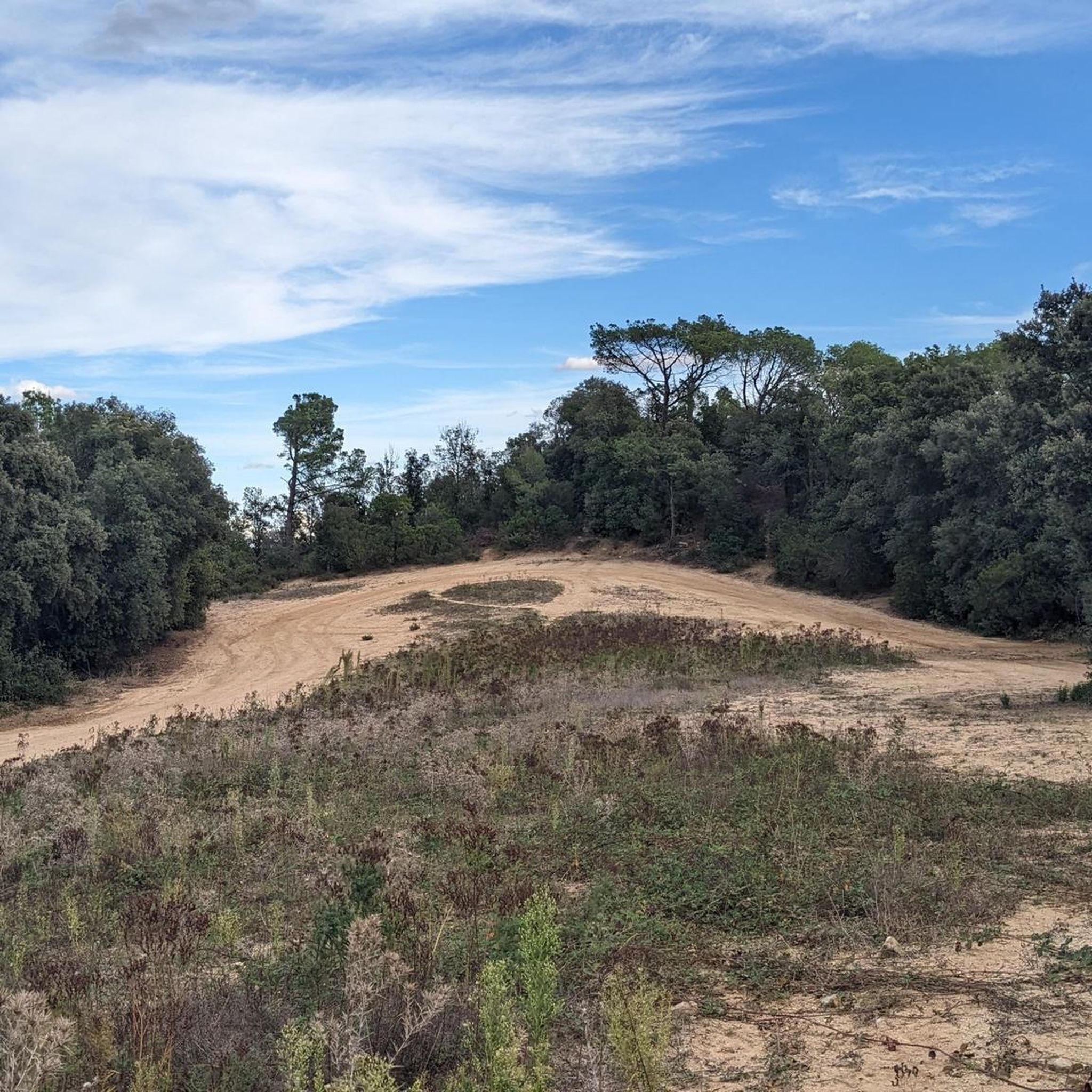
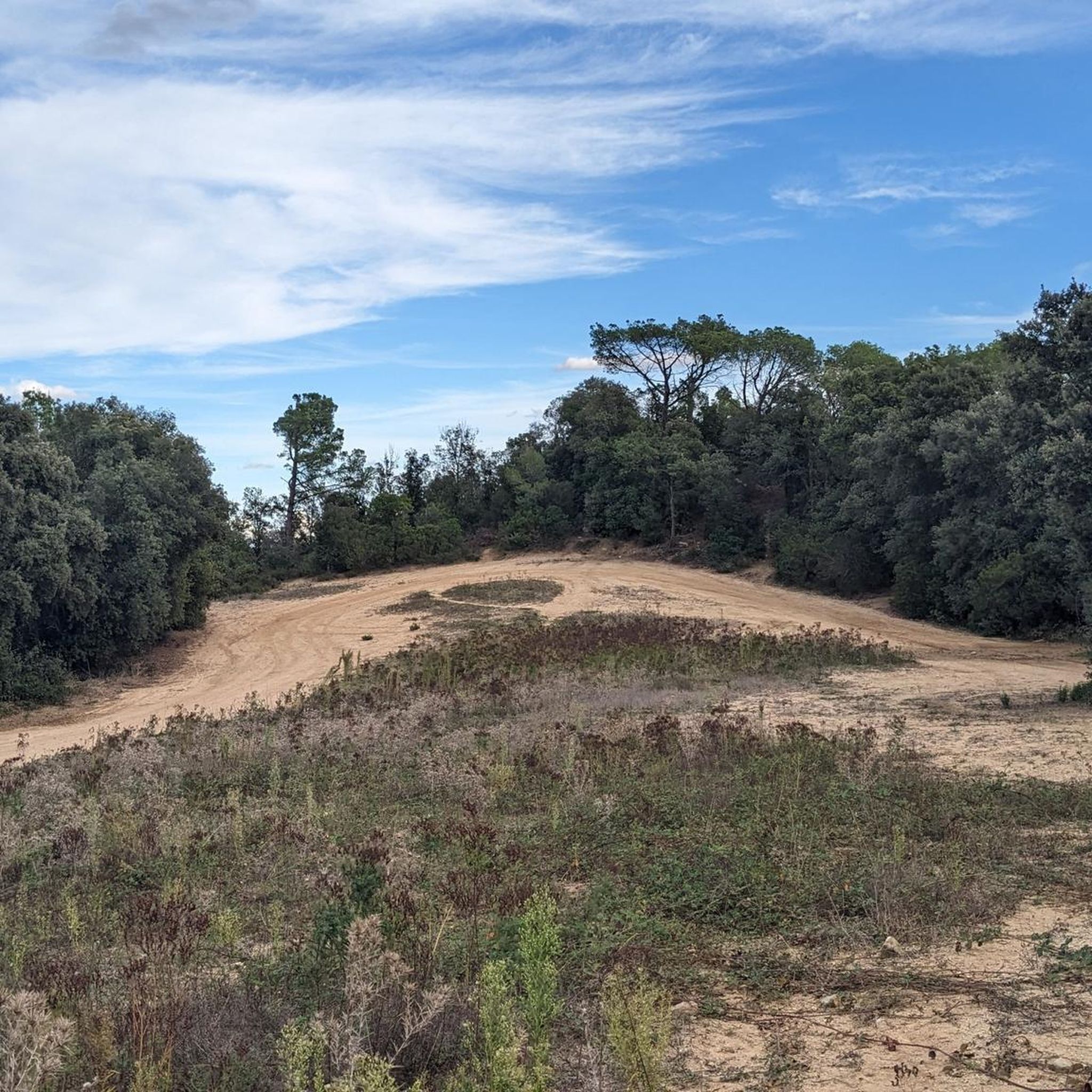

Tips from the Community

Pont de la R3 de rodalies sobre el riu Congost i l'antiga carretera de Vic fins al Figaró.
0
0
Camí paral·lel al riu Congost que permet anar des de La Garriga fins al Tagamanent sense haver de passar per l'autovia, nomes gravel o btt.
0
0

Located at a strategic point between La Garriga and Figaró. In addition to the legend of Louis the Pious, what stands out is its practical use: for centuries it was a stop for the porters who came down from Montseny loaded with coal and firewood. There they would dismount their horses, have a drink and leave small offerings to Saint Christopher, patron saint of travelers. Until the 1940s it was common to find horseshoes hanging there as protection. The esplanade still maintains the atmosphere of a place of passage and a place to rest before continuing on their journey.
1
0
Beyond the green and open route that everyone knows, this space occupies old areas of cultivation and wet meadows that, until the 1970s, served as pasture for the livestock of several farmhouses in the area. Even today, under some unevenness in the terrain, you can sense the old layout of the fields and dry stone banks. During its construction, some traditional water channels were respected, which continue to drain part of the subsoil. Access is easy and the environment maintains that combination of plain and forest typical of the foot of Montseny. A place where the agricultural past still rears its head if you pay a little attention.
0
0
Built during the Napoleonic era, this tower was part of the optical telegraph network that connected Barcelona with Vic using light signals and mirrors. Interestingly, according to local chroniclers, it never fully functioned: the wind and fog from Puiggraciós made it impossible to see the next station. Even so, it remains a symbol of a time when messages traveled at the speed of the sun, long before the telephone and fiber optic cable.
0
0
An old stone dam that diverted water to the fields and mills of the valley. Today, half-covered in moss and roots, it's a quiet corner where time seems to stand still. When the water flows gently, the trees are reflected as if the forest were folded in two. Some of the older residents say that, in dry summers, children used to come here to swim and used the weir as an improvised diving board.
0
0
Legend has it that in the 19th century, during a fierce storm, lightning struck the bell tower and the bells rang on their own as the villagers ran for shelter. No one was hurt, but ever since, it is said that when they ring with a long echo, "Sant Julià warns of rain." Beyond the legend, the truth is that the church has witnessed millennia—Visigothic remains still lie hidden beneath its foundations—and continues to set the rhythm of the village, amidst the ancient clang of the bronze bells and the scent of damp earth.
1
0
A small oasis nestled among fields and pines, where the still water reflects the sky like a mirror broken by frogs. This pond, once used for irrigation and livestock watering, has become a natural refuge for birds, dragonflies, and turtles. On calm days, only the buzzing of insects and the splashing of the occasional stray toad can be heard. A humble corner, yet teeming with life.
1
0
Frequently Asked Questions
How many mountain bike trails are available in Figaró-Montmany?
Figaró-Montmany offers a wide selection of mountain bike trails, with over 200 routes available. These trails cater to various skill levels, from moderate greenway paths to challenging mountain ascents.
What kind of terrain can I expect on mountain bike trails in Figaró-Montmany?
The terrain around Figaró-Montmany is incredibly diverse, ranging from the dramatic Cingles de Bertí cliffs to the extensive Montseny Natural Park. You'll encounter challenging ascents, technical descents, and scenic paths through the Congost valley, dense woodlands, and river valleys. The area's geology provides a dynamic environment for off-road cycling.
Are there mountain bike trails suitable for beginners in Figaró-Montmany?
Yes, Figaró-Montmany has options for less experienced riders. There are nearly 30 easy mountain bike routes available. For example, the Saint Justa Hermitage – Riu Congost Greenway loop from l'Ametlla del Vallès is a moderate 25-mile (40.4 km) route that follows riverine landscapes and greenways, offering a more gentle ride.
Are there challenging mountain bike trails for advanced riders?
Absolutely. For experienced mountain bikers seeking a challenge, there are over 60 difficult routes in the region. The area's dramatic cliffs and mountainous terrain, including peaks like Roca Centella, provide significant elevation gains and technical sections. A good example is the Roca Centella Summit – Vallfigueres Spring loop from la Garriga, a difficult 17.3-mile (27.8 km) trail with over 820 meters of ascent.
Can I find circular mountain bike routes in the Figaró-Montmany area?
Yes, many of the mountain bike routes in Figaró-Montmany are designed as loops, allowing you to start and finish in the same location. These circular routes offer varied scenery and challenges. For instance, the Besòs River Promenade – La Garriga Greenway loop from la Garriga is a 31.1-mile (50.0 km) circular trail that takes you through riverine landscapes.
What are some notable viewpoints or natural features I can see while mountain biking?
The region is rich in natural beauty. You can ride through the picturesque Congost Valley, explore the dramatic Cingles de Bertí, or venture into the Montseny Natural Park. Notable natural features include the Vallforners Reservoir, surrounded by scenic landscapes, and the elevated perspectives from peaks like Roca Centella and Puig del Sui.
Are there any historical or cultural landmarks accessible by mountain bike?
Yes, you can incorporate historical and cultural sites into your mountain biking adventures. The Puiggraciós Optical Telegraph Tower offers panoramic views, and the nearby Puiggraciós Sanctuary provides a beautiful immersion in nature. You might also encounter ruins like Montmany Castle, which offers views reaching the sea and Barcelona, or the El Clascar Castle.
What is the best time of year to go mountain biking in Figaró-Montmany?
Figaró-Montmany is generally suitable for mountain biking for much of the year. Spring and autumn offer pleasant temperatures and vibrant scenery, making them ideal. Summer can be warm, so early morning or late afternoon rides are recommended. While winter can bring cooler temperatures, many trails remain accessible, especially at lower elevations.
What do other mountain bikers enjoy most about mountain biking in Figaró-Montmany?
The area is highly rated by the komoot community, with an average score of 4.4 stars from over 800 reviews. Reviewers often praise the diverse landscapes, from dramatic cliffs to dense woodlands and river valleys, and the variety of routes catering to different ability levels. The stunning views, especially towards Montseny and Vallès, are frequently highlighted.
Is it possible to reach mountain bike trails in Figaró-Montmany using public transport?
Figaró-Montmany is well-connected, with the municipality acting as a natural gateway between the plains of Vallès and Osona, accessible by train. This makes it feasible to reach the area and access trails near the town center using public transport, though specific trailheads might require a short ride from the station.
Are there any family-friendly mountain bike routes in the region?
Yes, the region offers routes suitable for families, particularly those that follow greenways or less challenging paths. The presence of moderate trails and riverine landscapes provides gentler options for riders of all ages. It's advisable to check the difficulty ratings and elevation profiles on komoot for specific routes to ensure they match your family's skill level.
Most popular routes around Figaró-Montmany
Most popular attractions around Figaró-Montmany

Get inspired with the komoot mobile app


Explore more
Browse the best MTB trails in other regions.
