The best road cycling routes around Frómista
3.5
(2)
55
riders
5
rides
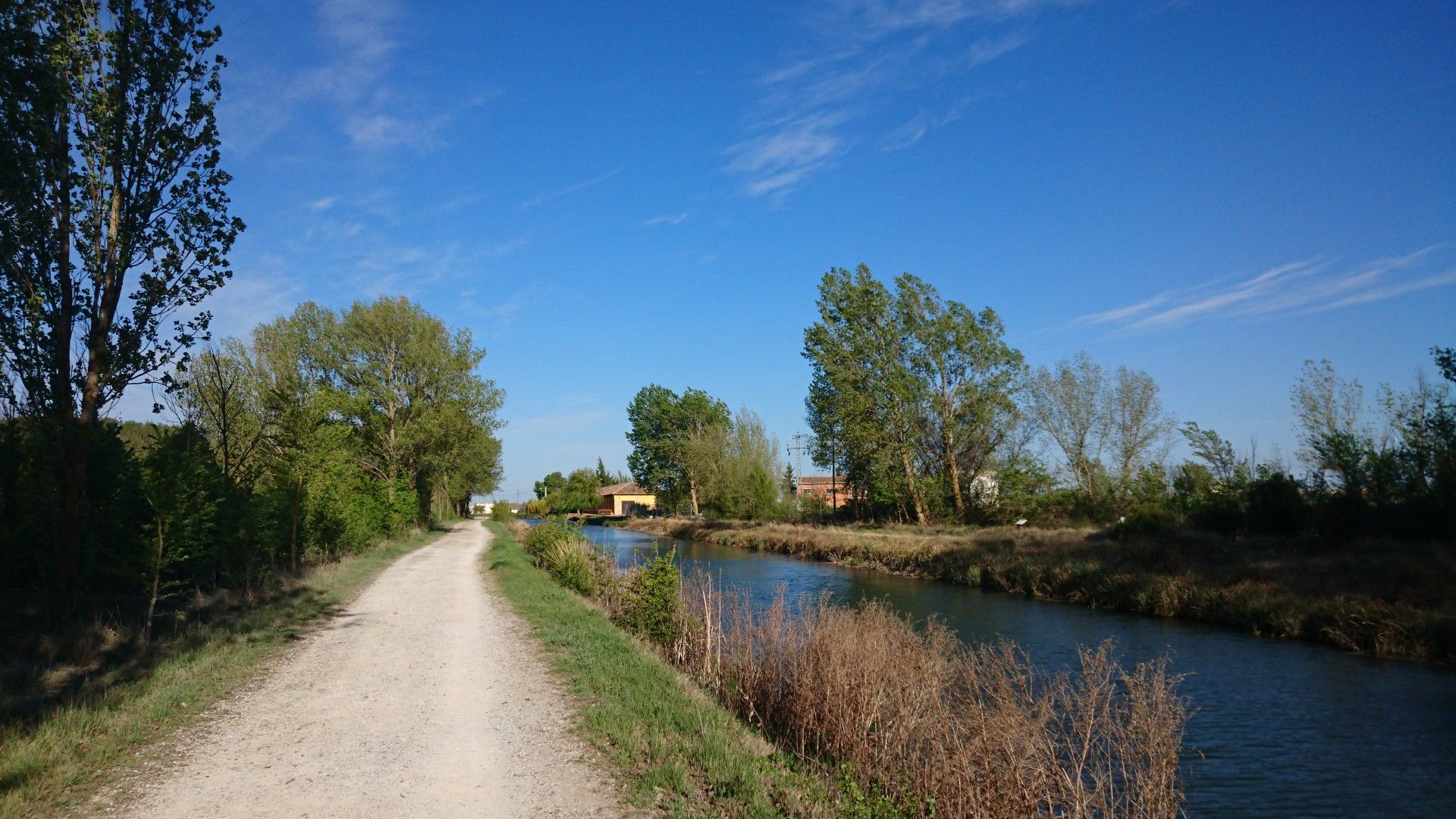
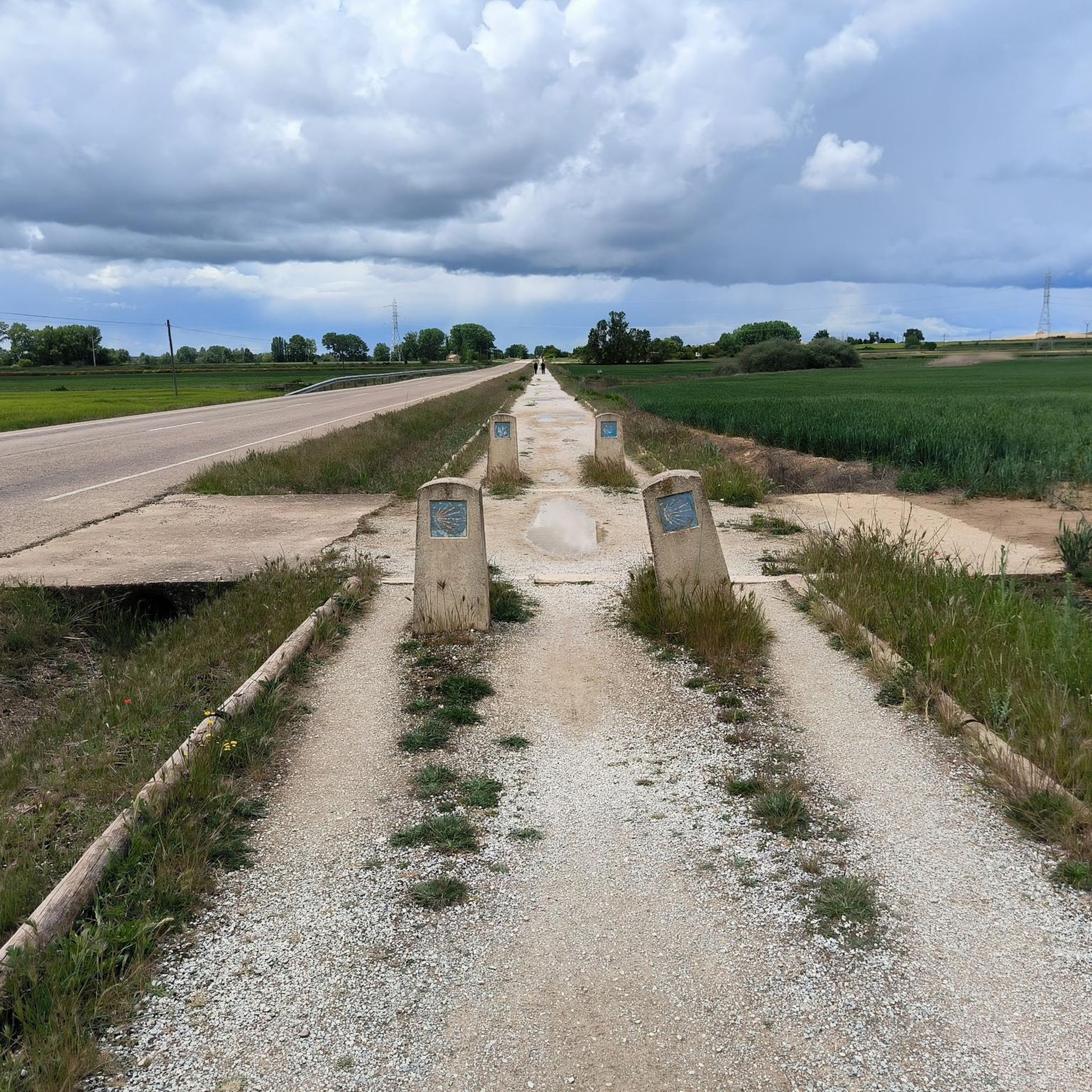
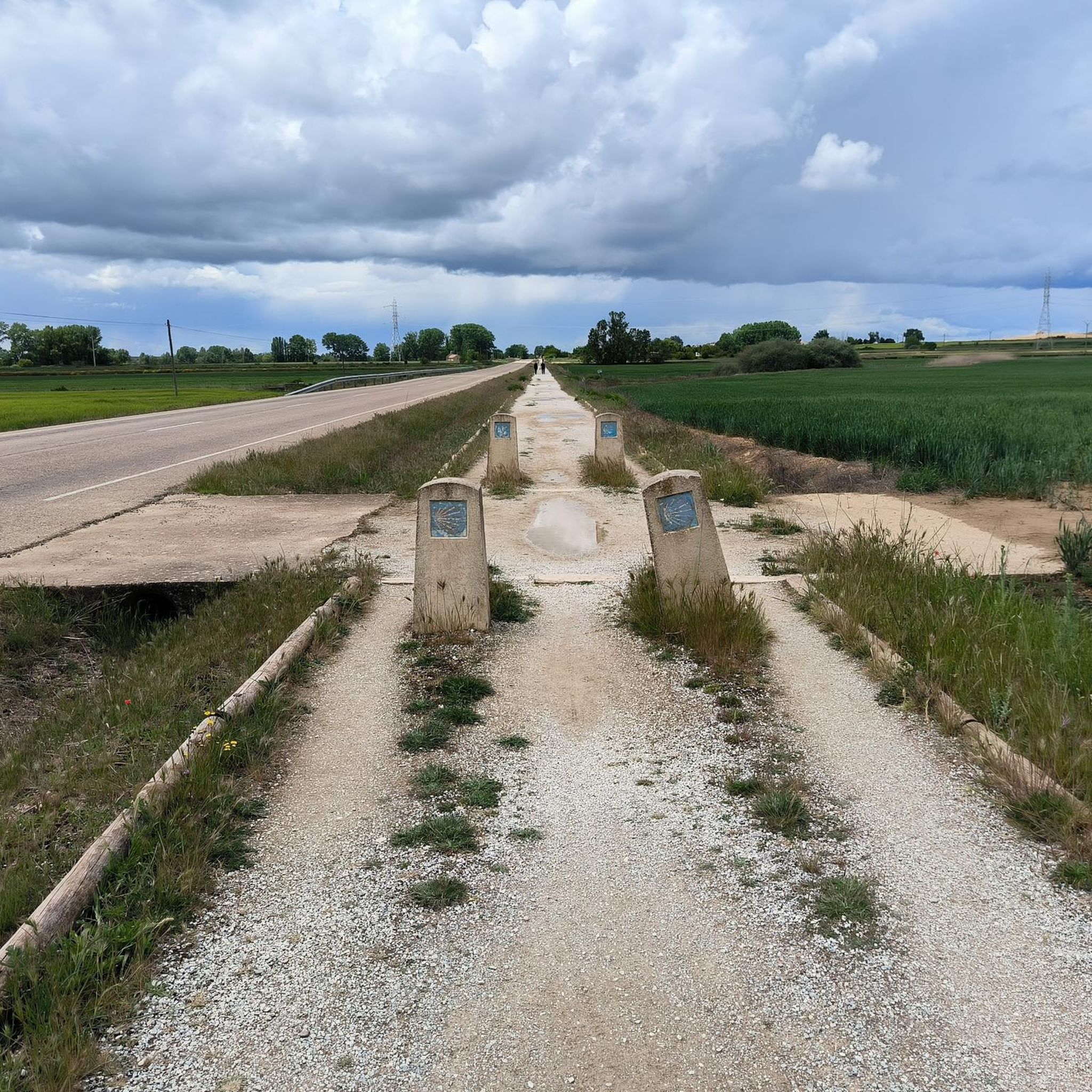
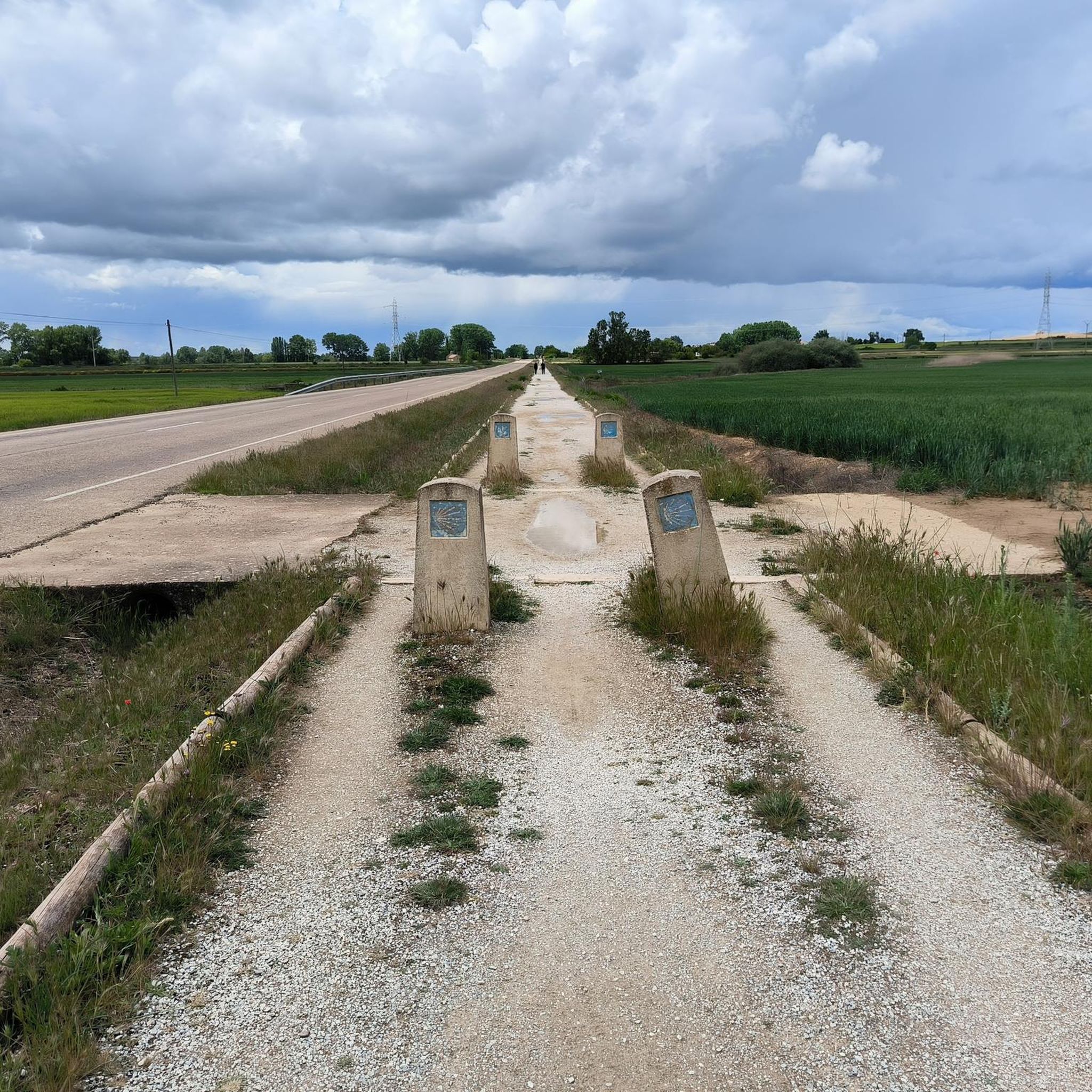
Road cycling routes around Frómista are characterized by the flat, undulating terrain of the Tierra de Campos region, featuring extensive agricultural landscapes. The area offers long, straight stretches suitable for consistent riding, with gentle uphill slopes to the east. A prominent feature is the historic Canal de Castilla, which provides scenic sections for cycling. The Camino de Santiago also passes through Frómista, offering routes that combine historical significance with open plains.
Best road cycling routes around Frómista
- The most popular…
Last updated: July 8, 2026
3.5
(2)
18
riders
Moderate road ride. Good fitness required. Mostly well-paved surfaces and easy to ride.
10
riders
Moderate road ride. Good fitness required. Mostly well-paved surfaces and easy to ride.

Sign up for free
7
riders
Moderate road ride. Good fitness required. Mostly well-paved surfaces and easy to ride.
Easy road ride. Great for any fitness level. Mostly well-paved surfaces and easy to ride.
10
riders
38.1km
01:39
190m
190m
Easy road ride. Great for any fitness level. Mostly well-paved surfaces and easy to ride.
Our route recommendations are based on thousands of hikes, rides, and runs completed by other people on komoot.
Start today with a free account
Your next adventure awaits.
Login or Signup

Other adventures around Frómista

Tips from the Community

The Church of Santa María de las Victorias y del Camino, also known as Santa María del Camino, is one of the oldest and most emblematic churches in Carrión de los Condes, in the province of Palencia. It was built in the mid-12th century, during the reign of Alfonso VII. It is dedicated to the Virgen de las Victorias, also known as the Virgen del Camino, patron saint of the town.
2
0


The ruins of Astudillo Castle rise on a prominent mound detached from the San Martín moor. Although its origins may date back to the 10th century, there is no documentary evidence of its existence until the 11th century.
1
0

It is located at the exit of Carrion de Los Condes in the direction of Terradillos de Los Templarios
2
1

The Castillo de la Mota in Astudillo, also known as the Astudillo Castle, is a late medieval fortification dating from the 12th-13th centuries. It is located on an artificial mound on top of a gentle hill in the province of Palencia, Castile and León. This castle witnessed numerous historical events and served as the residence of illustrious figures such as Pedro I of Castile and María de Molina. Although only an ultra-semicircular cube and some remains of masonry from the walled enclosure remain today, it remains a jewel of local heritage.
7
1
The Castillo de la Mota in Astudillo, also known as the Astudillo Castle, is a late medieval fortification dating from the 12th-13th centuries. It is located on an artificial mound on top of a gentle hill in the province of Palencia, Castile and León. This castle witnessed numerous historical events and served as the residence of illustrious figures such as Pedro I of Castile and María de Molina. Although only an ultra-semicircular cube and some remains of masonry from the walled enclosure remain today, it remains a jewel of local heritage.
4
0
Remains of the castle of La Mota, it is a perfect viewing point of Astudillo and its region. The underground chambers of the castle are wine cellars.
1
0
Frequently Asked Questions
How many road cycling routes are available around Frómista?
There are 5 road cycling routes around Frómista, offering a variety of experiences across the region's flat and undulating terrain.
What kind of terrain can I expect on road cycling routes in Frómista?
The terrain around Frómista is characterized by flat, undulating plains within the Tierra de Campos region, featuring extensive agricultural landscapes. You'll find long, straight stretches ideal for consistent riding, with gentle uphill slopes primarily to the east. The historic Canal de Castilla also offers scenic, flat sections.
Are there road cycling routes suitable for beginners in Frómista?
Yes, Frómista offers 3 easy road cycling routes. An excellent option for beginners is the Támara de Campos from Frómista — circular through the Tierra de Campos, which is 13.5 miles (21.8 km) long with minimal elevation gain.
What are the typical elevation gains on road cycling routes in Frómista?
Given the region's generally flat and undulating nature, elevation gains are moderate. For example, the Fromista from Palencia – circular by Castillo de Sarmiento and Astudillo route, which is 67.0 miles (107.7 km), has an elevation gain of approximately 530 meters.
What natural features can I see along the road cycling routes?
Many routes incorporate the historic Canal de Castilla, an 18th-century engineering marvel. You can also see the impressive Quadruple Lock of the Canal de Castilla in Frómista itself. Some routes, like Osorno la Mayor from Carrión de los Condes, also include sections along the Valdivia and Carrión rivers.
Are there historical landmarks or cultural stops along the routes?
Yes, Frómista is a significant stop on the Camino de Santiago, and many routes pass through or near historical towns and sites. You can visit the famous Romanesque Church of San Martín in Frómista, or pass by historical sites like Castillo de la Mota on the Torquemada from Astudillo route.
What is the best time of year for road cycling in Frómista?
The sweeping Castilian plains offer wide-open spaces and big skies, making spring and autumn particularly pleasant for cycling. The Canal de Castilla sections can also provide a cooling effect during warmer months. Avoid the peak heat of summer afternoons.
Are there any circular road cycling routes available?
Yes, most of the road cycling routes around Frómista are circular. For example, the Frómista – Lock number 21 loop from Frómista is a popular circular option.
What do other road cyclists say about the routes in Frómista?
The road cycling routes in Frómista are highly rated by the komoot community, with an average score of 3.5 stars from 2 reviews. Over 50 road cyclists have used komoot to explore the varied terrain, often praising the quiet agricultural landscapes and historical connections.
Is Frómista a good destination for family-friendly road cycling?
The generally flat and undulating terrain, especially along the Canal de Castilla, makes Frómista suitable for families. Easy routes with minimal elevation are available, providing a relaxed cycling experience through scenic agricultural areas.
Is it possible to find cafes or places to refuel along the routes?
As Frómista is a key stop on the Camino de Santiago, you'll find various amenities including cafes, restaurants, and accommodation options in the town itself and in other villages along the Camino. These provide convenient stops for refueling during your ride.
Most popular routes around Frómista
Most popular attractions around Frómista

Get inspired with the komoot mobile app


Explore more
Browse the best Road cycling routes in other regions.
