Attractions and Places To See around Trévago - Top 20
Best attractions and places to see around Trévago include historical landmarks, cultural sites, and natural landscapes. Located in the northeast of Soria, Spain, at an elevation of approximately 1,000 meters, Trévago offers insights into its ancient past. The village is situated at the foothills of the Sierra del Madero, with the Manzano River flowing through the area. Visitors can explore a blend of historical architecture and outdoor activities.
Best attractions and places to see around Trévago
- The most popular attractions…
Last updated: July 7, 2026
Castle of la Nava del Marqués de Magaña
Highlight • Castle
Translated by Google •
Tip by

Matalebreras
Highlight • Settlement
It was established as a constitutional municipality with the name of Matalebrera, with 90 homes and 269 neighbors in 1842.
Translated by Google •
Tip by
Sign up now to discover places like this
Get recommendations on the best single tracks, peaks, & plenty of other exciting outdoor places.
Sign up for free
Church of Nuestra Señora de la Blanca, Montenegro de Ágreda
Highlight • Religious Site
Translated by Google •
Tip by

Sierra del Madero Viewpoint
Highlight • Viewpoint
Translated by Google •
Tip by

Río Montes Canyon Trail
Highlight (Segment) • Trail
Translated by Google •
Tip by

Sign up for free to discover even more attractions around Trévago.
Sign up for free
Already have an account?
Start today with a free account
Your next adventure awaits.
Login or Signup
Popular around Trévago
Tips from the Community

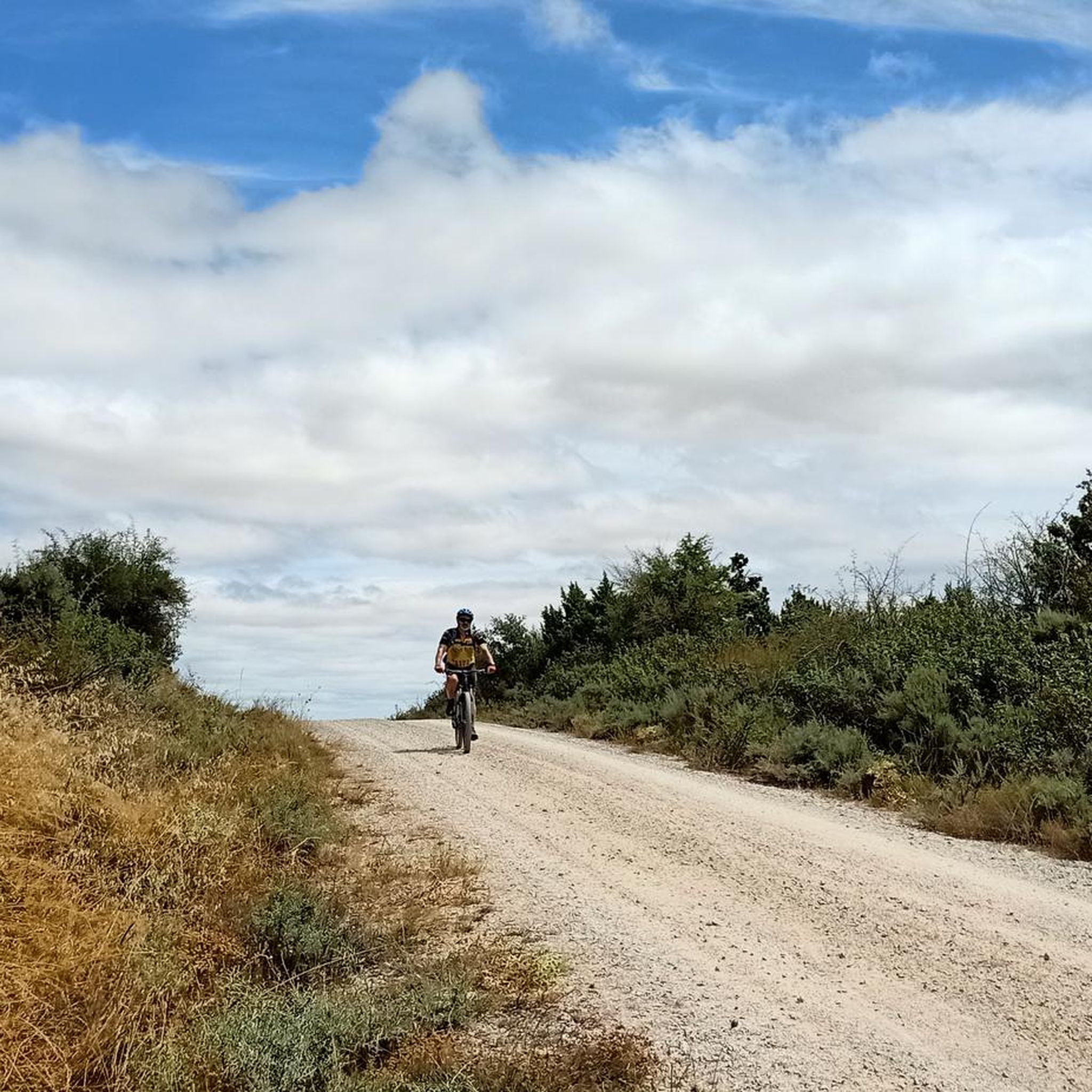
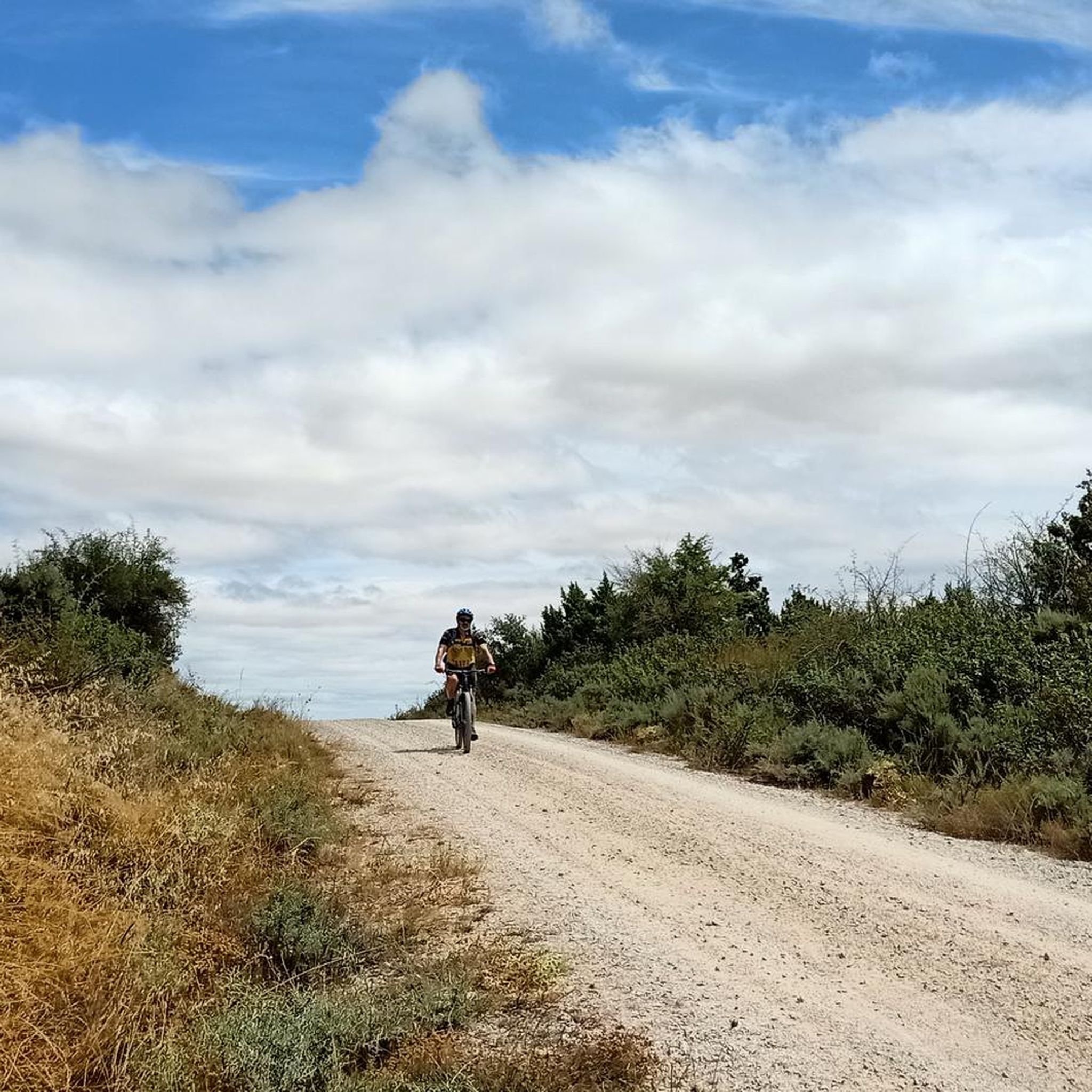
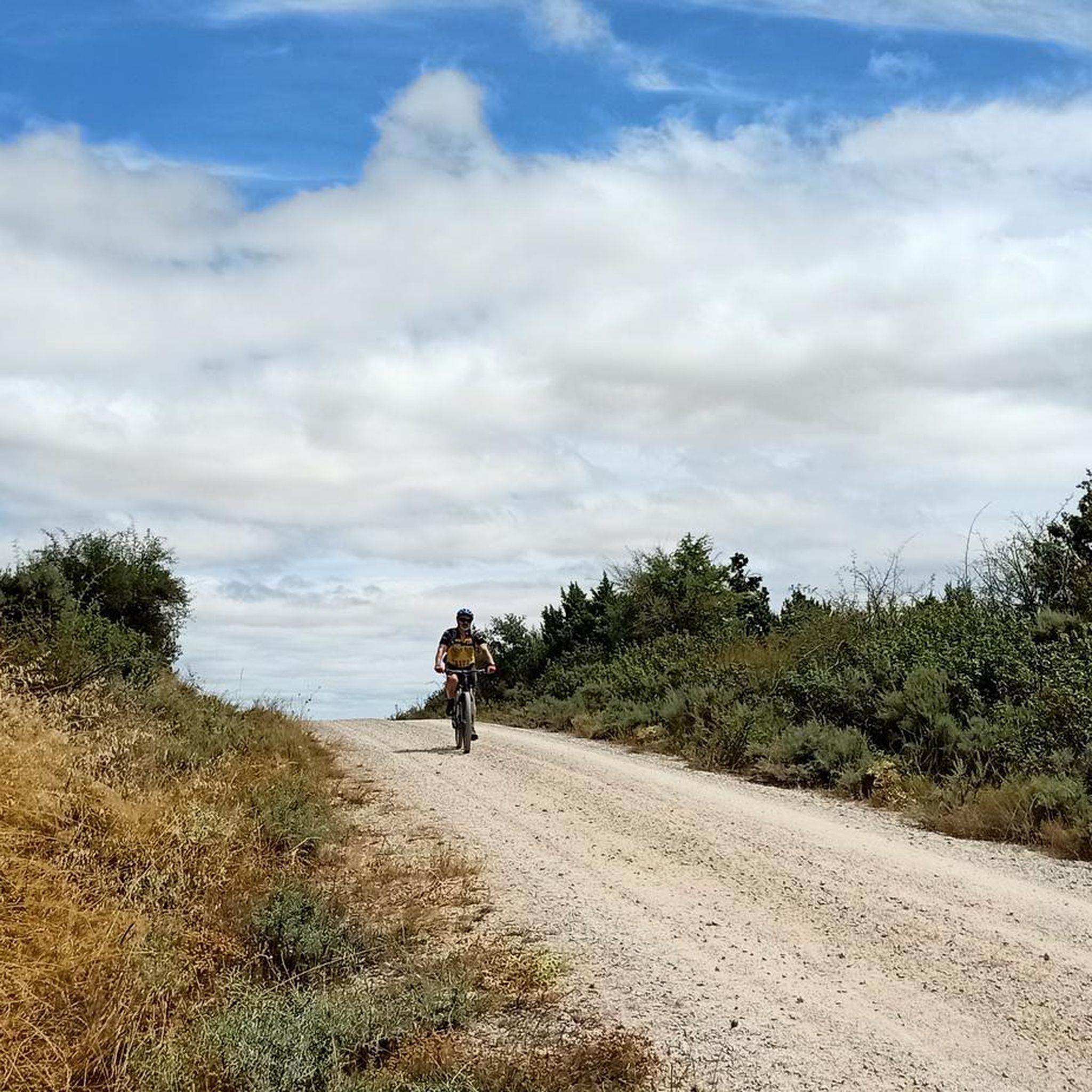
After the tough climb, we have beautiful views of both valleys
0
0

Spectacular trail, it only has one really complicated step, S4, which you have to know where to take.
0
0
Small and pretty town, area with lots of interesting mountain bike trails
0
0

Magaña Castle is a medieval fortress located on a hill overlooking the town of the same name, in the province of Soria, Tierras Altas region, community of Castilla y León. It is believed to have been built during two stages throughout the 15th century. The inner enclosure would be built in the first stage, and the outer barrier in a second. Due to its architectural characteristics, it belongs to the typology of stately castle of the Valladolid school, very common in the north of Castile in the second half of the 15th century.
2
0
Montenegro de Ágreda is a town belonging to the municipality of Matalebreras, in the province of Soria, region of Moncayo, in the community of Castilla y León. It stands out for the church of Nuestra Señora de la Blanca, a proto-Gothic fortified church from the 13th century that took advantage of the structure of an old Berber tower in its construction.
0
0
Matalebreras is a municipality in the province of Soria, in the Moncayo region, in the community of Castilla y León. It was established as a constitutional municipality with the name of Matalebrera, with 90 homes and 269 neighbors in 1842. Of its heritage, the Gothic church of San Pedro Apóstol from the 18th century stands out, although it preserves a chapel and the nave from the 16th century. Another unique building is the Mozarabic tower, today in ruins, in addition to three emblazoned houses from the 17th-18th centuries, one of them belonging to the Marquis of Velamazán.
2
0

Magaña is one of those towns that surprises you greatly the first time you go. It is located on a promontory above the Alhama River valley and at the highest part stands the Nava del Marqués castle, built in the 15th century from a 10th century Berber tower. From the castle wall you can see a beautiful panoramic view of the town, in the foreground the church of San Martín de Tours stands out, built in the 16th century on a Romanesque hermitage.
1
0
In Montenegro de Ágreda, the ancient fortified church of Nuestra Señora de la Blanca remains standing, built at the end of the 12th century, attached to a Berber defensive tower, from the 10th century. Another jewel of the Romanesque style that spread throughout the medieval border lands .
1
0
Frequently Asked Questions
What kind of attractions can I find in Trévago?
Trévago offers a blend of historical landmarks, cultural sites, and natural landscapes. You can explore ancient defensive towers, Gothic churches, and learn about the region's Celtiberian past. The village is also a gateway to outdoor activities in the Sierra del Madero, with various hiking and cycling routes.
What historical landmarks are prominent in Trévago?
Key historical landmarks include the Torre de Trévago, an ancient Berber watchtower dating back to the 9th-11th centuries, which is adjoined to the Iglesia de Nuestra Señora de la Asunción. This Gothic-style church itself features a pre-Romanesque baptismal font with Mozarabic influences. Another historical site is El Pósito, a 16th-century grain storage building.
Can I explore ancient Celtiberian heritage in Trévago?
Yes, Trévago has very ancient origins, possibly dating back to the Celtiberian invasion around 700 BCE. Remnants such as stone mills and arrow molds have been preserved. The local ethnographic museum likely showcases aspects of this ancient history, and for a broader understanding, the Numantino Museum in Soria city offers extensive collections.
What natural features are there to enjoy around Trévago?
Trévago is situated at the foothills of the Sierra del Madero, providing a picturesque natural backdrop. The Manzano River flows through the area, and you can find an ermita dedicated to the Virgen del Río Manzano. The region is ideal for enjoying the natural beauty of the Soria province.
Are there opportunities for hiking and cycling near Trévago?
Absolutely. The area around Trévago is excellent for outdoor activities. You can find various trails, including a 6 km loop to 'Ermita - Valmayor' and longer routes through 'Camino de la Fuente' and up to 'Alto de la Sierra'. The Sendero Ibérico Soriano GR-86 also passes through Trévago, offering longer excursions.
What kind of outdoor activities are available for cyclists and mountain bikers?
For cyclists, there are numerous routes, such as the 'Views of the Castillo de Magaña – Magaña Bridge loop' starting from Trévago. Mountain bikers can explore trails like the 'San Pedro Manrique – Arroyo Montes de Magaña Trail loop' or the 'Torre de Masegoso – Ermita de San Justo Pastor loop'. You can find more details on MTB Trails around Trévago and Cycling around Trévago.
Are there any viewpoints offering scenic vistas?
Yes, the Sierra del Madero Viewpoint offers magnificent views, including the imposing Moncayo mountain. This viewpoint is a highlight for those ascending the Sierra del Madero, providing a panoramic perspective of the landscape.
What cultural insights can I gain in Trévago?
Beyond its ancient history, Trévago offers insights into local traditions and way of life through its ethnographic museum. The village also maintains a tranquil charm with inscriptions on houses and is known for traditional festivals, such as the 'Baile de la Virgen' performed during August festivities.
Is Trévago suitable for family visits?
Trévago can be suitable for families interested in history and gentle outdoor activities. The village's tranquil atmosphere and the availability of easier hiking loops, like the 6 km 'Ermita - Valmayor' route, make it an option for families looking to explore cultural sites and natural surroundings together.
What is the best time of year to visit Trévago?
Given its elevation of approximately 1,000 meters and the focus on outdoor activities, spring and autumn generally offer the most pleasant weather for exploring Trévago's attractions and trails. Summers can be warm, while winters can be cold, especially for hiking in the Sierra del Madero.
What do visitors particularly appreciate about the attractions near Trévago?
Visitors appreciate the historical significance of sites like the Castle of la Nava del Marqués de Magaña for its excellent views, and the ancient fortified Church of Nuestra Señora de la Blanca for its unique architecture. The overall charm of settlements like Matalebreras and the engaging nature of trails like the Río Montes Canyon Trail are also highly valued by the komoot community.
Are there any unique architectural features to see?
Yes, the Torre de Trévago, a Berber defensive tower, is a unique architectural feature, especially as it's integrated into the Iglesia de Nuestra Señora de la Asunción. The church itself boasts stellar vaults and a pre-Romanesque baptismal font with distinct Mozarabic influences. Nearby, the settlement of Matalebreras also features emblazoned houses from the 17th-18th centuries and a Mozarabic tower (now in ruins).
Most popular routes around Trévago

Get inspired with the komoot mobile app


Explore more
Still not found the Highlight you’re looking for? See guides of the top attractions in other regions:
