Attractions and Places To See around Andavías - Top 19
Best attractions and places to see around Andavías, a locality in the province of Zamora, Spain, offers a blend of natural beauty and historical sites. The region is characterized by its expansive forests and significant historical structures. Visitors can explore a variety of landmarks, from ancient churches to large green spaces. This area provides opportunities to experience both the natural landscape and cultural heritage of Zamora.
Best attractions and places to see around Andavías
- The most popular attractions is Hermitage…
Last updated: June 29, 2026
Church of Santa María la Real de La Hiniesta
Highlight • Religious Site
Translated by Google •
Tip by

Hermitage of the Virgin of the Castle
Highlight • Religious Site
Translated by Google •
Tip by

Sign up now to discover places like this
Get recommendations on the best single tracks, peaks, & plenty of other exciting outdoor places.
Sign up for free
Valorio Forest
Highlight • Forest
Translated by Google •
Tip by
Pond and Monument to Félix Rodríguez de la Fuente, Bosque de Valorio
Highlight • Monument
Translated by Google •
Tip by

Church of San Pedro de la Nave
Highlight • Religious Site
Translated by Google •
Tip by
Sign up for free to discover even more attractions around Andavías.
Sign up for free
Already have an account?
Start today with a free account
Your next adventure awaits.
Login or Signup
Popular around Andavías
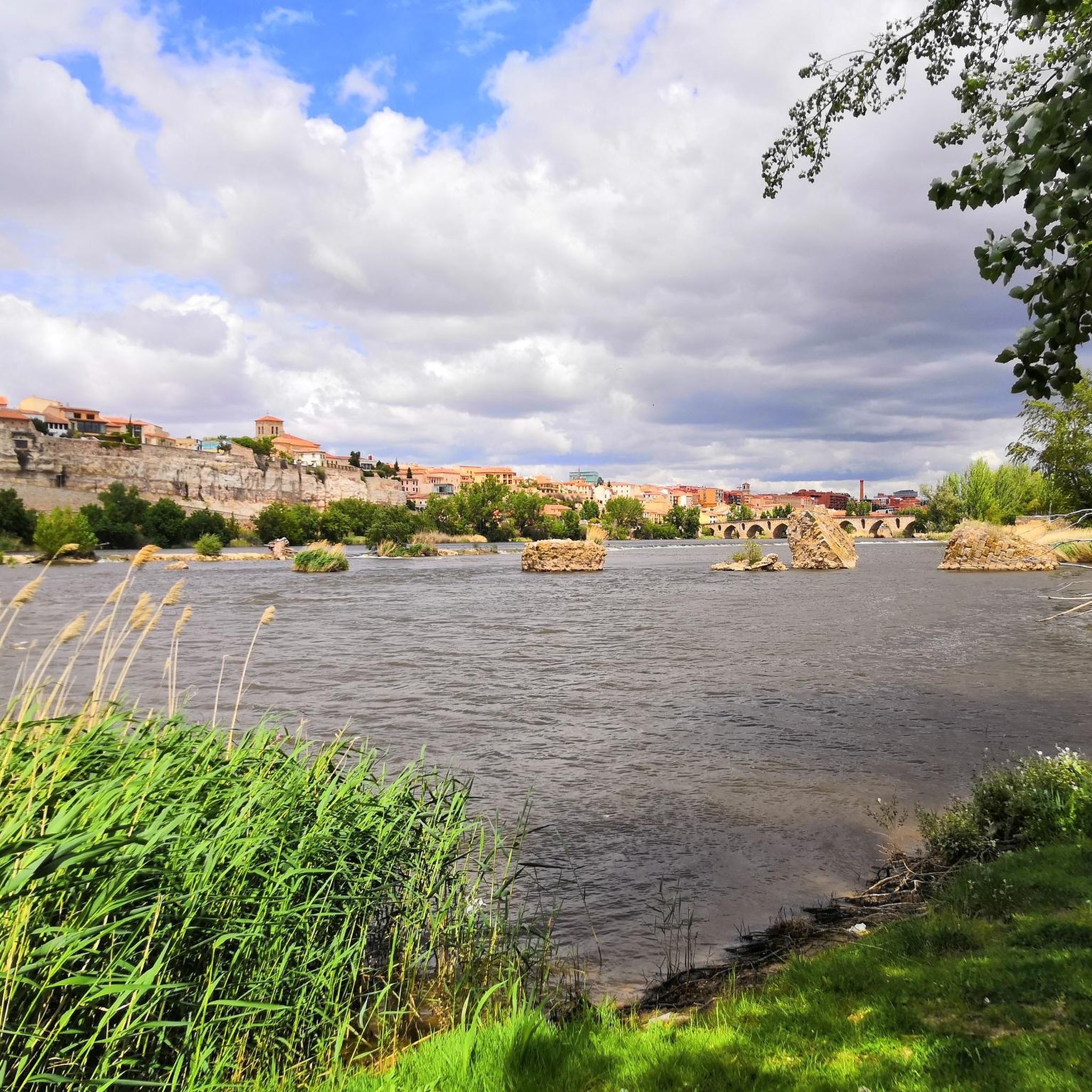
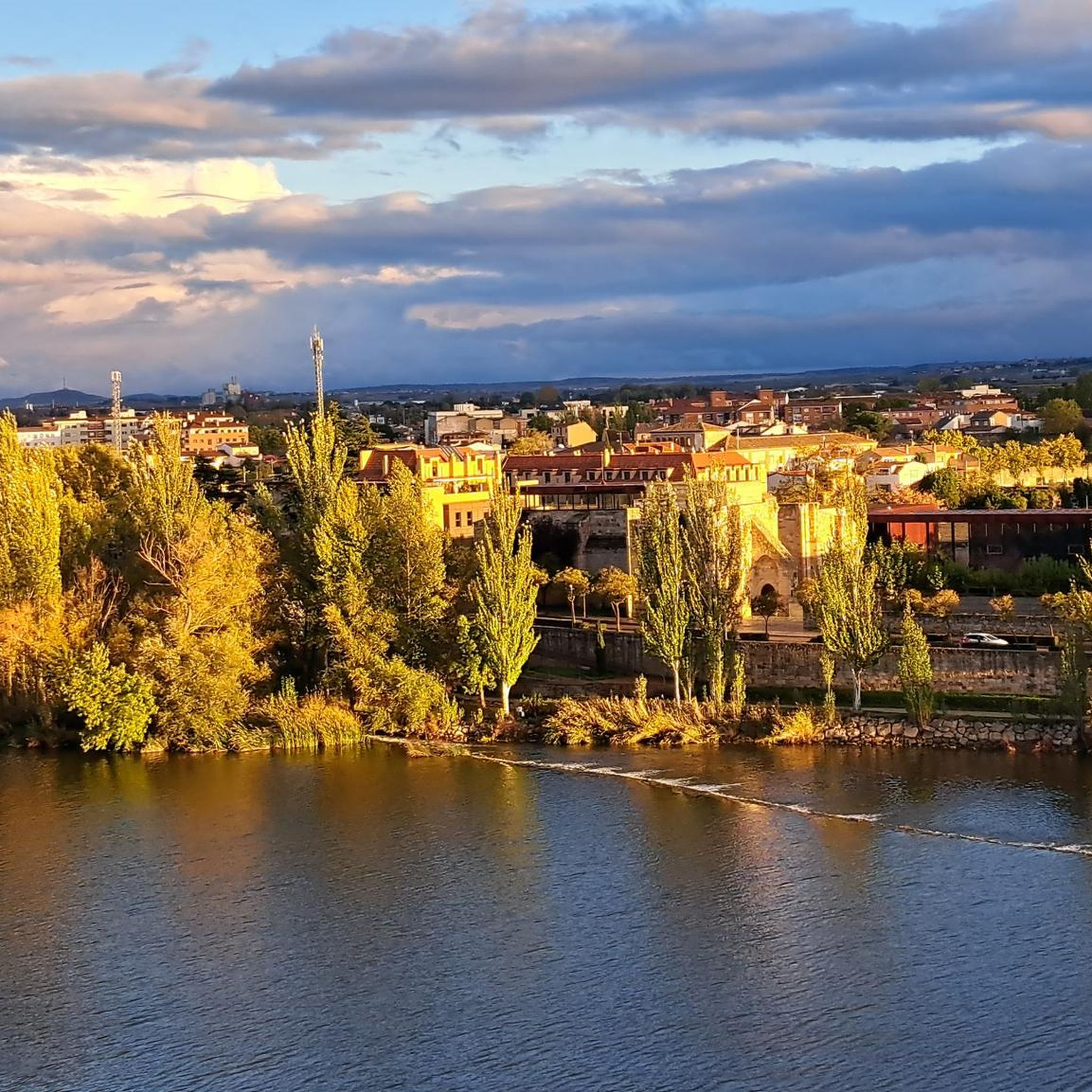
Tips from the Community

Visigothic church (7th century) of San Pedro de la Nave. It originally stood on the banks of the Esla River, but the construction of the Ricobayo reservoir threatened to flood it. Historian Manuel Gómez Moreno managed to have it dismantled from its original location and moved stone by stone between 1930 and 1932 to the nearest town: El Campillo, where it can be seen today.
0
0
It's striking to find a church of this size in a small town, but its origin lies in a tradition that dates back to the late 13th century. Tradition tells us that while King Sancho IV was in Zamora recovering from a fever and wanting to escape his boredom, he organized a hunting trip. During the hunt, one of his falcons shot down a partridge and, upon hunting, found it sheltered among some broom bushes, protected by a small statue of the Virgin. The king ordered the statue of the Virgin to be immediately moved to the Church of San Antolín in the city of Zamora and ordered a church dedicated to Santa María la Real to be erected in her honor on the spot where the statue was found.
1
0

The Valorio Forest is a large green space located in the northwestern part of the city of Zamora, in Castile and Leon. This forest, which covers approximately 80 hectares, is known as the "green lung" of the city. The forest has a variety of ecosystems, including holm oaks, oaks, stone pines, poplars, aspens and willows. It is an ideal place to walk, play sports, enjoy a picnic or simply relax in nature. It also has a children's play area and a calisthenics park.
3
0
The Church of San Pedro de la Nave is a 7th century Visigoth temple located in the town of El Campillo, municipality of San Pedro de la Nave-Almendra, in the province of Zamora, Spain. It was declared a National Monument on April 22, 1912. The construction of the temple dates back to the end of the 7th century and the beginning of the 8th century, possibly between the years 680 and 711, which makes it one of the last works of Visigothic art. Originally, it was located on the banks of the Esla River, but when the Ricobayo reservoir was built, it was moved stone by stone to the current location.
3
0

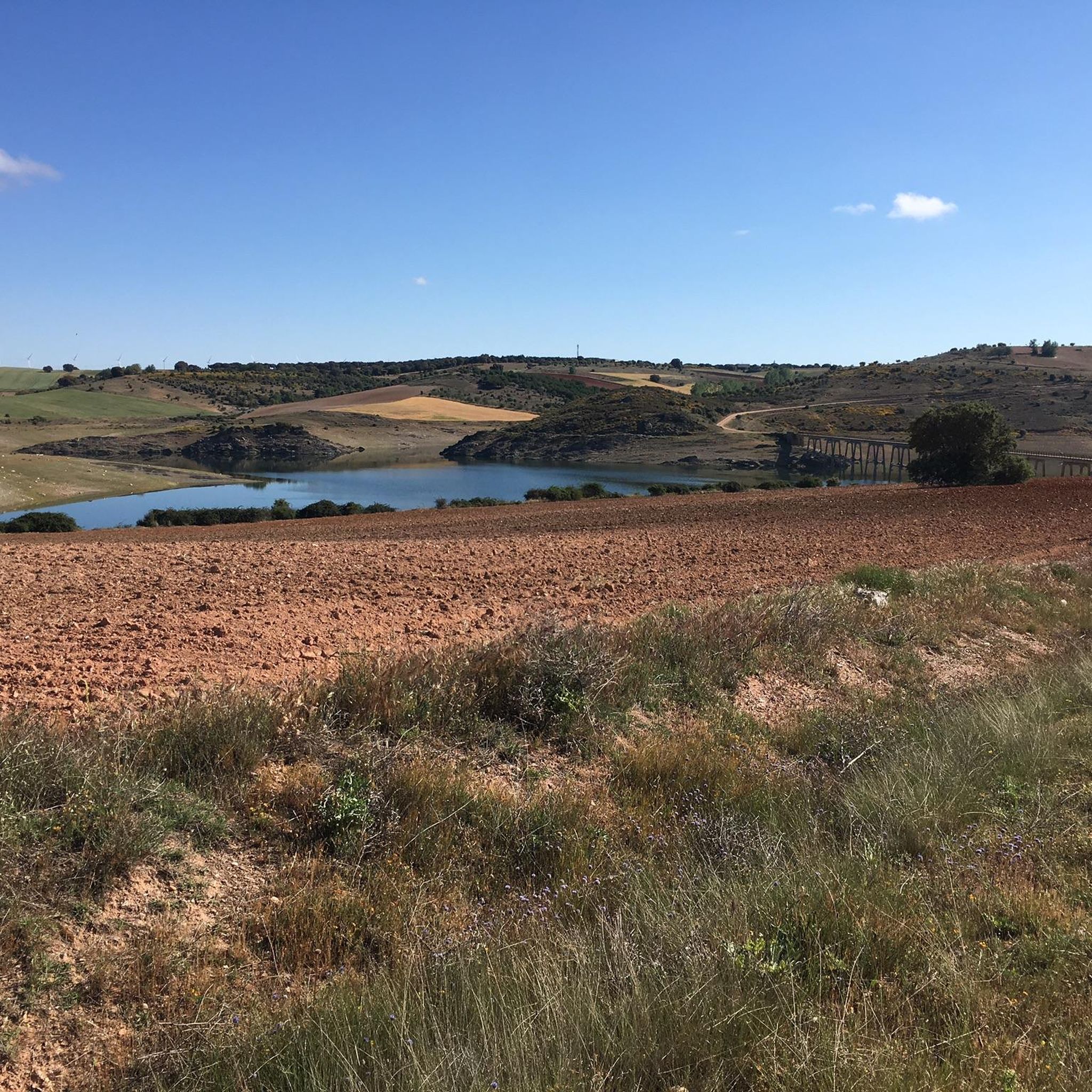
In one of the meanders of the Ricobayo Reservoir we find this small town which is accompanied by the Iglesia de San Pedro de la Nave. Old and remote town of Campillo.
0
0

La Hiniesta was originally founded in the 12th century but later became famous for the construction of Santa María la Real, declared a historical-artistic monument.
2
0

Impressive church with a very strange and unique history. It was relocated here stone by stone when the reservoir was built in the 1930s. The church was built in the shape of a cross. Go inside to see the incredible engraving of the ship.
2
0
The Valorio forest -with some 70 ha in extension- constitutes the main tree mass in the urban environment of Zamora.
11
0
Frequently Asked Questions
What historical and religious sites can I explore near Andavías?
The region offers several significant historical and religious sites. You can visit the Hermitage of the Virgin of the Castle, a Renaissance-style building housing a 16th-century Flemish panel. Another notable site is the Church of Santa María la Real de La Hiniesta, an impressive historical-artistic monument. Further afield, the ancient Church of San Pedro de la Nave, a 7th-century Visigothic temple, is a must-see, known for being meticulously moved stone by stone to its current location.
Are there natural areas or forests for relaxation and activities near Andavías?
Yes, the Valorio Forest, often called the "green lung" of Zamora, is a large green space perfect for walking, sports, or simply relaxing in nature. It covers approximately 80 hectares and features diverse ecosystems. Within the forest, you can also find the Pond and Monument to Félix Rodríguez de la Fuente.
What are some family-friendly attractions around Andavías?
For families, the Valorio Forest is an excellent choice, offering areas for walking, sports, and a children's play area. The Pond and Monument to Félix Rodríguez de la Fuente within the forest is also a pleasant spot. Additionally, the historic Church of San Pedro de la Nave is considered family-friendly and offers an interesting historical experience.
Where can I find opportunities for cycling near Andavías?
There are several cycling routes available. You can explore options like the 'Montamarta from Zamora – circular via the Ricobayo Reservoir' or the 'Olivares Watermills – Valorio Forest loop from La Hiniesta'. For more details and routes, check the Cycling around Andavías guide.
Are there mountain biking trails in the vicinity of Andavías?
Yes, mountain biking enthusiasts can find trails such as 'Vuelta de la Embalse de Ricobayo desde Montamarta' or 'Embalse de Ricobayo — vuelta desde Palacios de Pan'. Discover more routes in the MTB Trails around Andavías guide.
What are the options for road cycling routes near Andavías?
Road cyclists can enjoy routes like 'Confluence of the rivers Esla and Duero by Villaseco del Pan and Presa de Ricobayo — circular from Zamora' or 'From Zamora to the Ricobayo Reservoir — circular via the Ermita de la Virgen del Castillo'. Detailed routes are available in the Road Cycling Routes around Andavías guide.
What natural features are unique to the broader Zamora province?
Beyond Andavías, the province of Zamora boasts impressive natural wonders. These include the dramatic canyons of Arribes del Duero, Lago de Sanabria (the only glacial lake on the Iberian Peninsula), and Sierra de la Culebra, which is known for its significant wolf population.
What is the significance of the Church of San Pedro de la Nave?
The Church of San Pedro de la Nave is a remarkably preserved 7th-century Visigothic temple, making it one of the last structures of Visigothic art. Its unique history includes being moved stone by stone from its original location on the Esla River banks to its current site during the construction of the Ricobayo reservoir.
What is the Valorio Forest known for?
The Valorio Forest is celebrated as the "green lung" of Zamora. It's an expansive 80-hectare forest offering a peaceful escape for locals and visitors alike, ideal for walking, sports, and enjoying fresh air. It also features a pond with a monument and the spectacular Lion Fountain.
Are there any significant birdwatching spots in the region?
Yes, the Lagunas de Villafáfila, located in the broader Zamora province, are a significant natural area. These lakes serve as a crucial stopping point for thousands of migratory birds, making it an excellent destination for birdwatching.
What makes the city of Zamora, near Andavías, worth visiting?
The city of Zamora is renowned for its rich Romanesque art, extensive archaeological heritage, and beautifully illuminated Romanesque and Art Nouveau buildings. Visitors can explore its historical center, often through nocturnal tours, to appreciate its unique architectural beauty.
What do visitors particularly enjoy about the attractions around Andavías?
Visitors appreciate the blend of natural beauty and historical depth. The Valorio Forest is loved for its peaceful atmosphere and recreational opportunities, while historical sites like the Hermitage of the Virgin of the Castle and the Church of San Pedro de la Nave are highly valued for their unique architecture and rich history.
Most popular routes around Andavías
Most popular attractions around Andavías

Get inspired with the komoot mobile app


Explore more
Still not found the Highlight you’re looking for? See guides of the top attractions in other regions:
