Attractions and Places To See around Aguaviva - Top 13
Best attractions and places to see around Aguaviva, a municipality in Teruel, Aragon, Spain, offer a blend of historical charm and natural beauty. Situated at the confluence of the Bergantes and Guadalope rivers, it lies at the foothills of the Maestrazgo mountain ranges. The area is characterized by mountains, ravines, and dense forests, providing a setting for rural tourism and cultural exploration.
Best attractions and places to see around Aguaviva
- The most popular attractions is Castellote Village and Castle,…
Last updated: July 2, 2026
Castellote Village and Castle
Highlight • Settlement
Translated by Google •
Tip by

Calanda
Highlight • Settlement
Translated by Google •
Tip by

Sign up now to discover places like this
Get recommendations on the best single tracks, peaks, & plenty of other exciting outdoor places.
Sign up for free
Monroyo
Highlight • Settlement
Translated by Google •
Tip by
Desert Convent of Calanda
Highlight • Historical Site
Translated by Google •
Tip by

Sanctuary of the Virgin of la Balma
Highlight • Religious Site
Translated by Google •
Tip by

Sign up for free to discover even more attractions around Aguaviva.
Sign up for free
Already have an account?
Start today with a free account
Your next adventure awaits.
Login or Signup

Tips from the Community

The Church of Our Lady of Hope in Calanda (Teruel) is a prominent Baroque church with a rich history dating back to the 13th century. The original building was a small church constructed in the late 13th century. In 1462, Pedro Vacca, Lord of Calanda, rebuilt and expanded it, linking it to the Order of Calatrava.
2
0

Castellote is an Aragonese municipality located in the Maestrazgo region of Teruel that has a lot of history. A beautiful castle located in the upper part of the town and the aqueduct from the year 1847 stand out. From the upper part, the views and landscapes are spectacular.
1
0

The old Baroque-style Convent is currently in ruins and is a site that attracts many visitors for its particular charm and surrounding environment. Its construction dates from the 18th century and its large size draws a lot of attention. The possible restoration of the same is currently under study, although its high budget means that it is still delayed.
3
0
This picturesque but quiet town in the interior of Teruel is internationally known for its entrances in the Holy Week festivities. In addition to this, it is also an ideal place to start several hiking routes in the area, including a visit to the Los Arcos Aqueduct.
1
1

Calanda is a very famous town that is at the gates of the Iberian system for the Holy Week festivities, declared of National and International Tourist Interest.
0
0

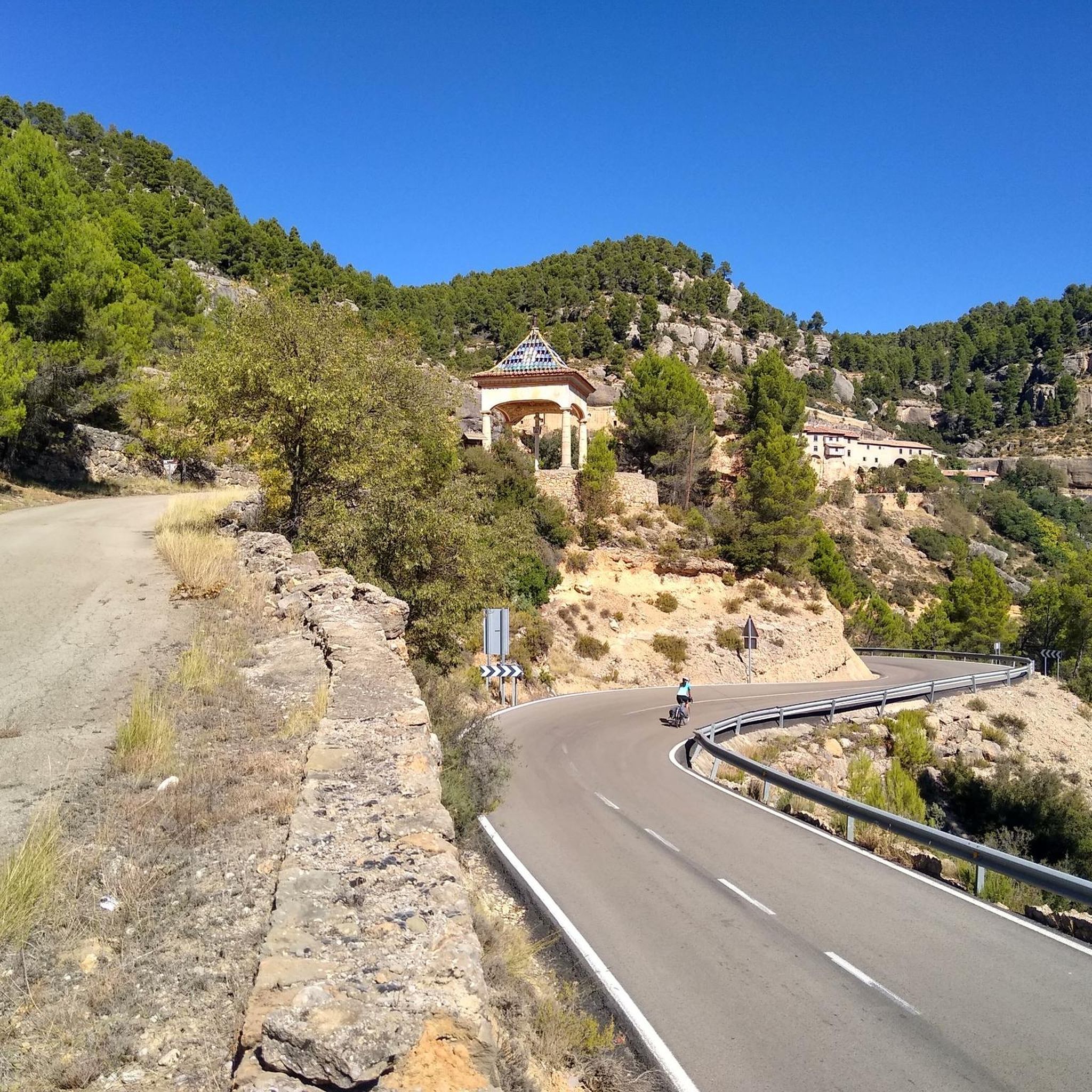
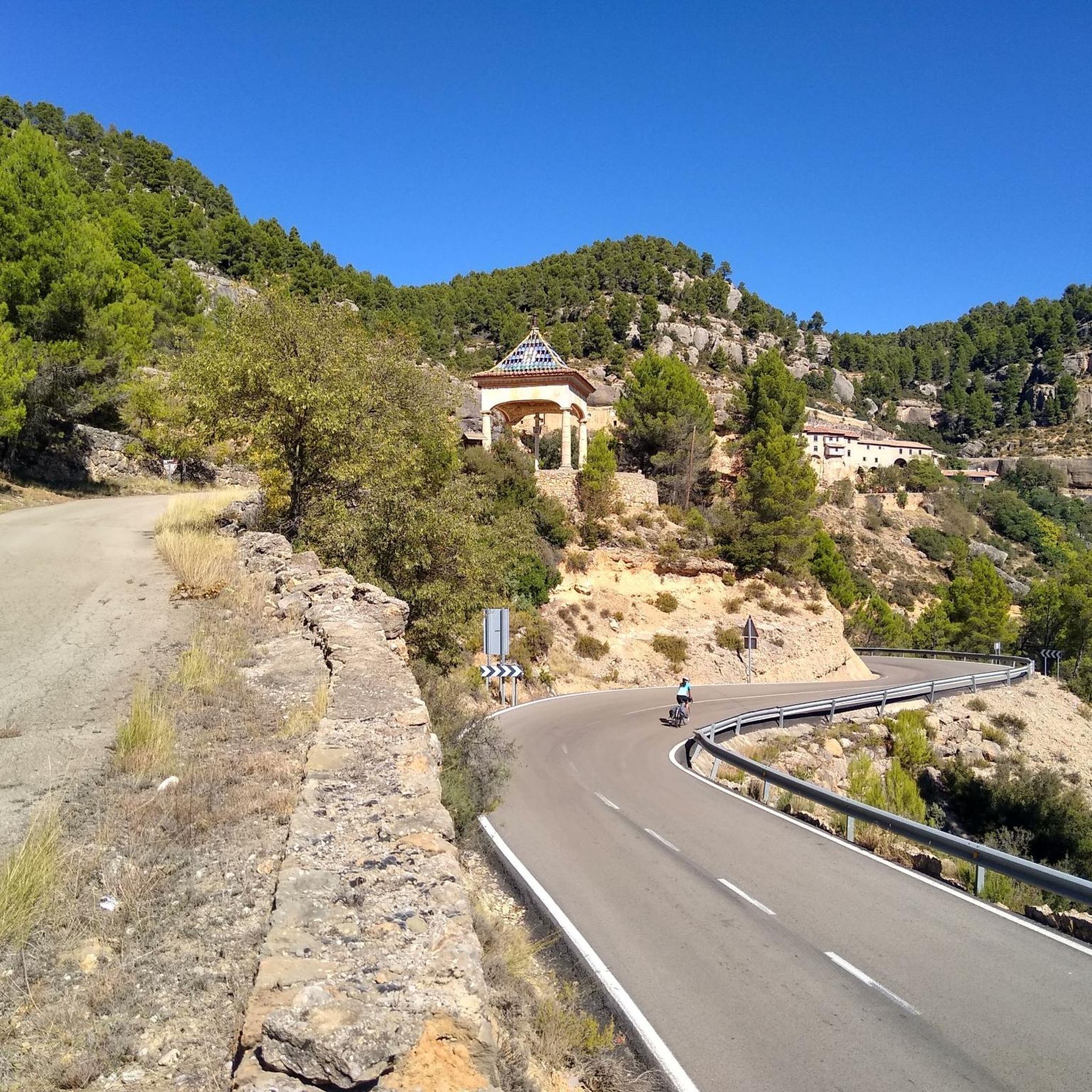
This Renaissance sanctuary is carved into the rock. It was an important pilgrimage center for the neighboring towns of Teruel and Castellón, where people went to cure themselves of demonic possession (probably epilepsy).
0
0
Frequently Asked Questions
What historical sites can I explore around Aguaviva?
Aguaviva and its surroundings are rich in history. You can visit the impressive 17th-century Baroque Church of Our Lady of Hope in Calanda, or the ruins of the 18th-century Baroque Desert Convent of Calanda. Don't miss the historic Castellote Village and Castle, which offers spectacular views, or the settlement of Monroyo, known for the ruins of Castillo de la Muela.
Are there any natural features or viewpoints worth visiting near Aguaviva?
Absolutely! Aguaviva is nestled at the confluence of the Bergantes and Guadalope rivers, at the foothills of the Maestrazgo mountain ranges. You can enjoy the scenic landscapes from the upper parts of Castellote Village and Castle. The Bergantes River itself offers beautiful caves, potholes, and natural pools. The area is characterized by mountains, ravines, and dense forests, providing numerous natural viewpoints.
What kind of outdoor activities can I do around Aguaviva?
The region around Aguaviva is ideal for various outdoor activities. You can enjoy hiking, with the GR-8 trail passing through the municipality. Cycling is also popular, with routes like the 'Calanda Reservoir - Mas de las Matas Loop' for road cycling or the 'Castellote and Calanda Reservoir Loop' for touring bicycles. For runners, there are trails such as the 'Castellote – Castellote Village and Castle loop'. You can find more details on these activities and routes in the dedicated guides for Road Cycling, Cycling, and Running Trails around Aguaviva.
Are there family-friendly attractions or activities in the Aguaviva area?
Yes, the area offers options for families. The settlement of Calanda is considered family-friendly and provides a good starting point for various hiking routes. Exploring the historic villages and enjoying the natural pools along the Bergantes River can also be enjoyable for families.
Where can I find natural swimming spots near Aguaviva?
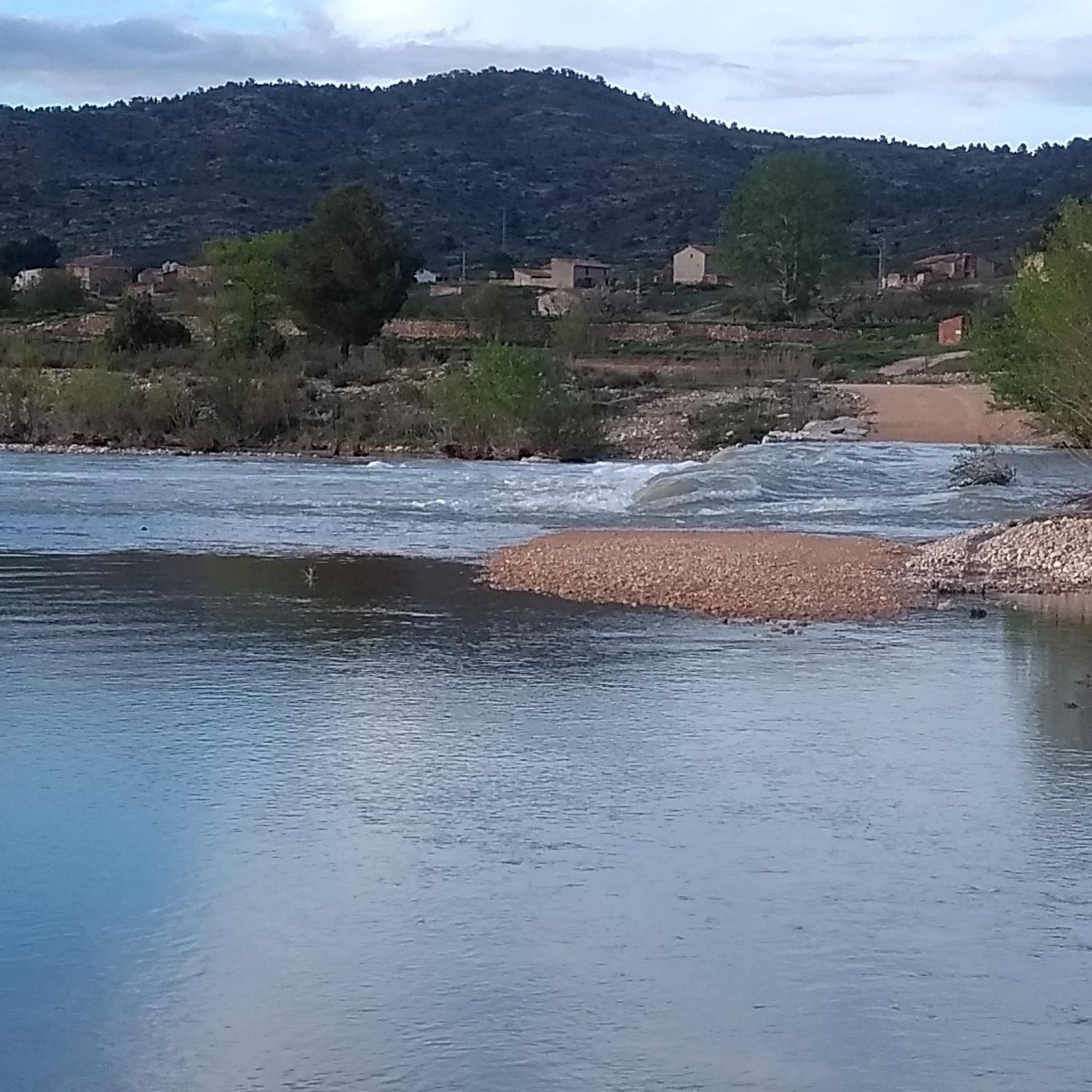
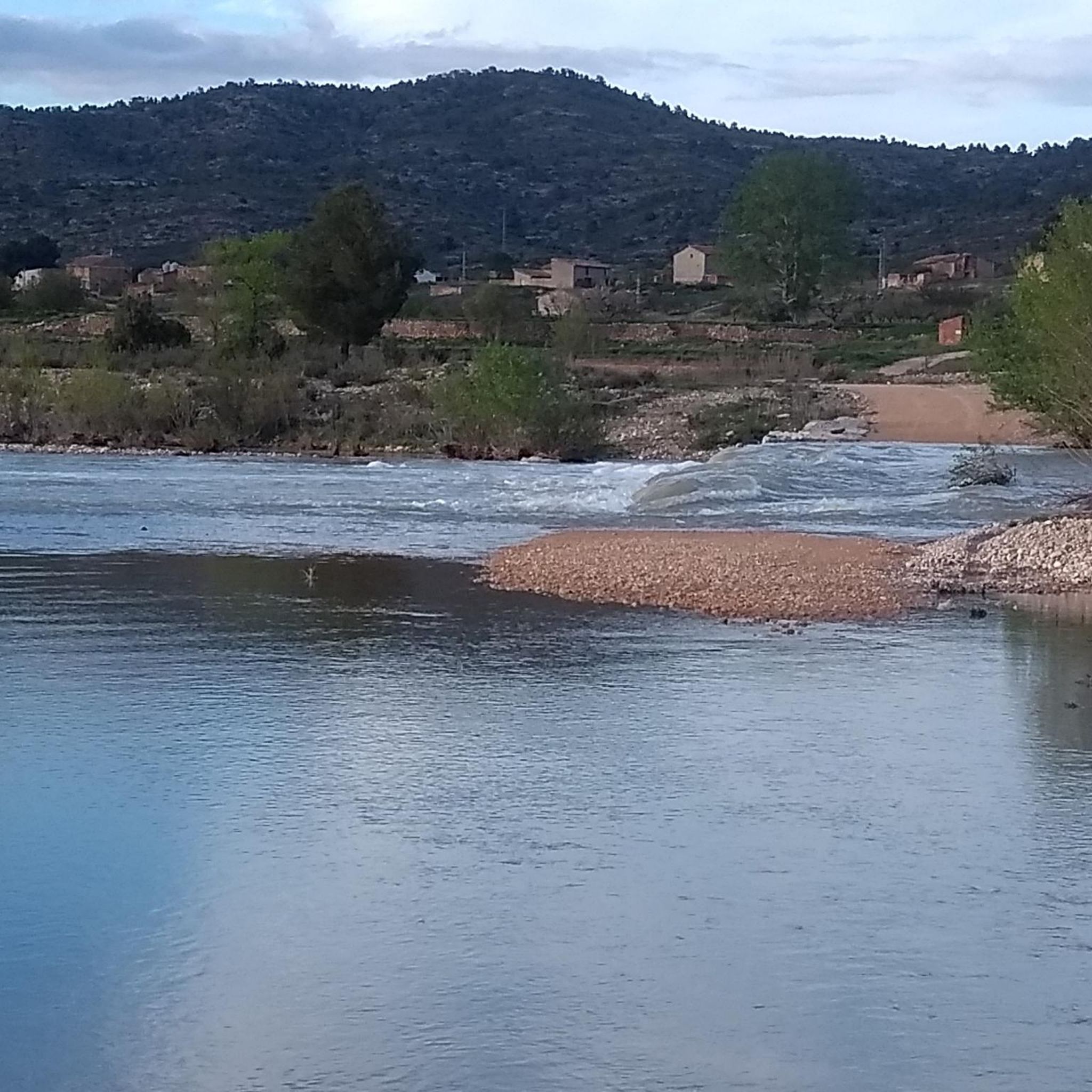
The Bergantes River is a great place for nature tourism, featuring several natural pools and beaches carved out by its course. Specifically, the Arenal bridge is known for its beautiful natural swimming pool, offering a refreshing spot to cool off.
What is the best time of year to visit Aguaviva for outdoor activities?
Aguaviva is well-suited for serene rural tourism and hiking. Spring and autumn generally offer the most pleasant weather for outdoor activities, with milder temperatures ideal for exploring the Maestrazgo mountain ranges, river landscapes, and historical sites.
What kind of wildlife can I expect to see in the region?
The region around Aguaviva boasts rich fauna. Wildlife enthusiasts may have the chance to spot various bird species, including the peregrine falcon, golden eagle, and Bonelli's eagle. The Iberian ibex is also present in the mountainous areas.
Are there any notable religious buildings in Aguaviva or nearby?
Yes, Aguaviva has a significant religious heritage. The Parish Church of San Lorenzo and Santa Bárbara in Aguaviva itself is an impressive 17th-century Baroque church. Nearby, you can visit the Church of Our Lady of Hope in Calanda, a prominent Baroque church with a rich history, and the Renaissance Sanctuary of the Virgin of la Balma, uniquely carved into the rock.
What are some of the unique architectural features in Aguaviva?
Beyond the grand religious structures, Aguaviva's urban area is notable for its beautiful civil and popular architecture. Simply walking through the streets allows visitors to appreciate the town's historical character and traditional buildings. The Parish Church of San Lorenzo and Santa Bárbara also features a distinctive main facade with reliefs, including winged sirens.
Can I find opportunities for hiking along the GR-8 trail near Aguaviva?
Yes, the GR-8 trail, which is part of a larger European network of paths, passes directly through Aguaviva. This provides excellent opportunities for relaxing walks and more extensive hikes amidst the natural beauty of the Maestrazgo mountain ranges and river landscapes.
What is the significance of the rivers in Aguaviva?
Aguaviva holds a unique geographical position at the confluence of two important rivers, the Bergantes and the Guadalope. This location not only contributes to the area's natural beauty but also historically marked it as a gateway from Castellón to Lower Aragon. The Bergantes River, in particular, is a hub for nature tourism, offering scenic landscapes and natural water features.
What is the 'Desert Convent of Calanda'?
The Desert Convent of Calanda is a historical site featuring the ruins of a large 18th-century Baroque convent. Its significant size and the surrounding natural environment make it a captivating place to visit, attracting many visitors despite its current ruined state.

Get inspired with the komoot mobile app


Explore more
Still not found the Highlight you’re looking for? See guides of the top attractions in other regions:
