Attractions and Places To See around Láncara - Top 20
Best attractions and places to see around Láncara include a blend of historical landmarks, natural beauty, and cultural sites. This municipality in the province of Lugo, Galicia, is situated in a fertile valley. Its character is shaped by the clear waters of the Río Neira and evidence of ancient settlements. The region offers diverse points of interest for exploration.
Best attractions and places to see around Láncara
- The most popular attractions is Forest Path Between A Serra and O Monte…
Last updated: July 6, 2026
Ancient Chestnut Tree in Ramil
Highlight • Natural Monument
Translated by Google •
Tip by

Monastery of Saint Julian of Samos
Highlight • Religious Site
Translated by Google •
Tip by
Sign up now to discover places like this
Get recommendations on the best single tracks, peaks, & plenty of other exciting outdoor places.
Sign up for free
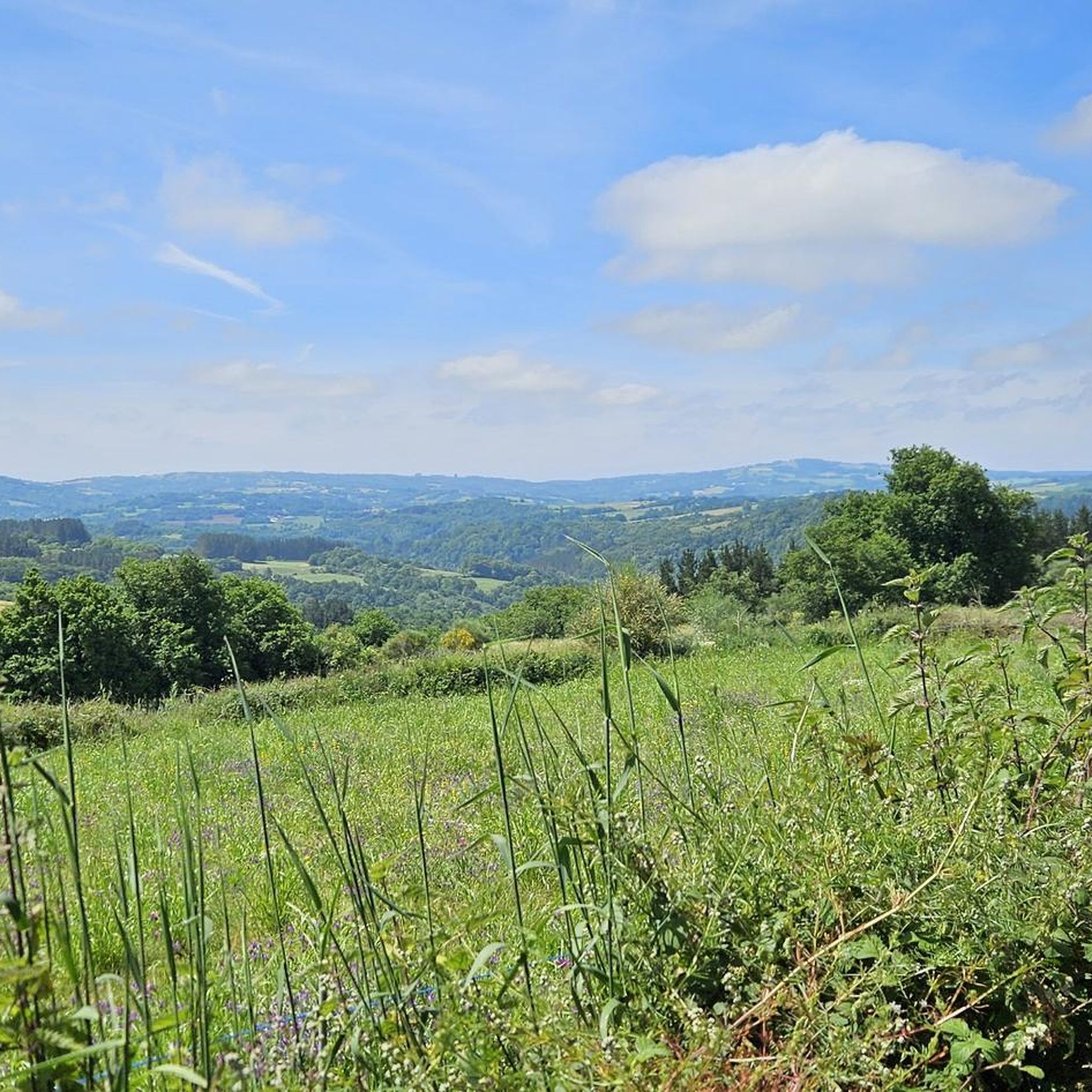
Forest Path Between A Serra and O Monte
Highlight • Trail
Translated by Google •
Tip by
Pilgrim Monument in Triacastela
Highlight • Monument
Translated by Google •
Tip by
Camino de Santiago — fork at Triacastela
Highlight • Trail
Translated by Google •
Tip by
Sign up for free to discover even more attractions around Láncara.
Sign up for free
Already have an account?
Start today with a free account
Your next adventure awaits.
Login or Signup
Tips from the Community

Located at the entrance to Triacastela, this wooden sculpture depicts a classic pilgrim with a staff, cloak, and hat. It's one of the most photographed spots on the Camino as it passes through this town. A work of local craftsmanship, it pays homage to the thousands of pilgrims who have passed through this historic Galician village, which was one of the first documented stops on the Camino de Santiago route. A good excuse to stop, stretch your legs, and take a symbolic photo before entering the town. From here, decide whether to continue along the San Xil route (shorter and more mountainous) or the Samos route (longer and with a monastery). Both routes are beautiful, but very different.
0
0

In the small village of Ramil at the foot of the Camino, just before Triacastela, stands one of Galicia's most beautiful century-old chestnut trees. Its trunk spans 8.5 meters and, with its hollow spaces and thick branches that seem to embrace the tree, resembles an X-ray of time.
0
1

Large deciduous tree that is common in the mountains of Galicia. The fruits are covered with a green rind with thorns, the "erize". The season for harvesting chestnuts is November, and in Triacastela and throughout Galicia in general it is celebrated with a festival called "magesto". The main use of the chestnut tree is to obtain its wood and use its fruit as food for the population in general and as food for livestock.
1
0

Walk right to get to Sarria, walk left to add a night in Samos.
2
0

This impressive tree is over 800 years old. A true natural monument.
2
0

At the end of the Rúa de Peregrino in Triacastela, the Camino de Santiago forks, offering two main routes to reach Sarria: San Xil Route: This is the historic and most direct route, which crosses the San Xil valley, passing through picturesque villages and rural roads. Samos Route: This variant is a little longer and passes through the Benedictine monastery of Samos, one of the oldest in Spain. Both routes have their charm and offer different landscapes and experiences.😎🚶♀️😊
10
0
The Pilgrim Monument in Triacastela is a significant place on the French Camino de Santiago. It is located near the public hostel and consists of a large stone monolith with a red sword cross and a smaller statue of a pilgrim carved in wood. This monument commemorates the medieval tradition that pilgrims carried a lime stone from Triacastela to Arzúa to make lime for the Cathedral of Santiago. I hope this information is useful to you! 😊
3
1

Fantastic ancient tree at entrance to Triacastela
4
0
Frequently Asked Questions
What historical and religious sites can I visit in Láncara?
Láncara is rich in historical and religious landmarks. You can explore the magnificent Monastery of Saint Julian of Samos, a Benedictine abbey dating back to the 6th century, which still houses monks. Another significant site is the Church of St. James of Barbadelo, a 12th-century Romanesque church known for its granite structure and adorned portals. The municipality also features the ancient Roman Bridge of Carracedo, a crucial passage over the Neira River, and various 'pazos' like the Pazo de Láncara, reflecting the region's noble history.
Are there any notable natural features or viewpoints in Láncara?
Yes, Láncara boasts several natural attractions. The Ancient Chestnut Tree in Ramil is an emblematic, over 800-year-old natural monument located along the French Way of the Camino de Santiago. The Río Neira is central to the region's natural beauty, with its banks offering rich forests and diverse wildlife. For scenic vistas, the Miradoiro Val de Láncara provides beautiful views of the valley.
What kind of outdoor activities can I do around Láncara?
Láncara is ideal for outdoor enthusiasts. You can enjoy hiking and cycling on numerous routes. For specific trails, consider exploring the hiking routes around Láncara, the MTB trails around Láncara, or the road cycling routes around Láncara. The region is also known for fishing and hunting, and the Praia Fluvial de Láncara offers a recreational area by the river.
Are there family-friendly attractions or activities in Láncara?
Families can enjoy several spots in Láncara. The Praia Fluvial de Láncara provides a pleasant recreational area by the Neira River. The Área Recreativa Manuel Gonzalez Capón, often called Láncara's 'island of Cuba,' is equipped with barbecues and tables, perfect for family outings. Many of the natural trails, such as the Forest Path Between A Serra and O Monte, offer shaded and enjoyable walks for all ages.
What is the best time of year to visit Láncara for outdoor activities?
While Láncara offers outdoor activities year-round, spring and autumn generally provide the most pleasant weather for hiking and cycling, with milder temperatures and beautiful natural scenery. The summer months are also popular, especially for enjoying the fluvial beach and river activities, though it can be warmer.
What is the significance of the Camino de Santiago in Láncara?
Láncara is closely connected to the Camino de Santiago, particularly the French Way. The Ancient Chestnut Tree in Ramil is an iconic landmark for pilgrims. The Monastery of Saint Julian of Samos and the Church of St. James of Barbadelo are also important stops along the route, offering historical and spiritual significance to those on pilgrimage.
Where can I find ancient settlements or 'castros' in Láncara?
Láncara has a rich history of ancient human settlements. Numerous fortified settlements, known as 'castros,' are scattered throughout the municipality, particularly in its western and southern areas. These sites provide fascinating evidence of the region's very old past.
What is the municipal capital of Láncara like?
The municipal capital, Puebla de San Julián, gained importance with the construction of the Sarria-Lugo railway line. It features a beautiful landscaped square adorned with sculptures and popular art. The town is also known for its lively traditional markets held in the Campo da Feira.
What do visitors particularly enjoy about the attractions in Láncara?
Visitors frequently praise the natural beauty and tranquility of Láncara. The Forest Path Between A Serra and O Monte is highlighted for its 'living nature, good shade, and beautiful route,' with many describing it as a 'magical section.' The ancient landmarks, like the Ancient Chestnut Tree in Ramil, are cherished for their historical significance and impressive size, often serving as memorable photo opportunities along the Camino.
Are there any specific trails recommended for hiking in Láncara?
Yes, the Forest Path Between A Serra and O Monte is highly recommended for its natural beauty and ample shade. For a broader range of options, you can explore various hiking routes around Láncara, which include trails of varying difficulties suitable for different preferences.
Can I find places to eat or stay near Láncara's attractions?
Láncara and its surrounding areas offer various options for dining and accommodation. You can find local restaurants and cafes in Puebla de San Julián and other villages. For stays, there are hotels and rural houses available, providing a comfortable base for exploring the region.
What is the Roman Bridge of Carracedo?
The Roman Bridge of Carracedo is an ancient bridge that spans the Neira River. It played a vital role during Roman times as a passage on the old Lucus Augusti route, connecting both banks. In the Middle Ages, it was also a site where tolls were collected.

Get inspired with the komoot mobile app


Explore more
Still not found the Highlight you’re looking for? See guides of the top attractions in other regions:
