The best walks and hikes around Sober
4.6
(287)
1,881
hikers
81
hikes
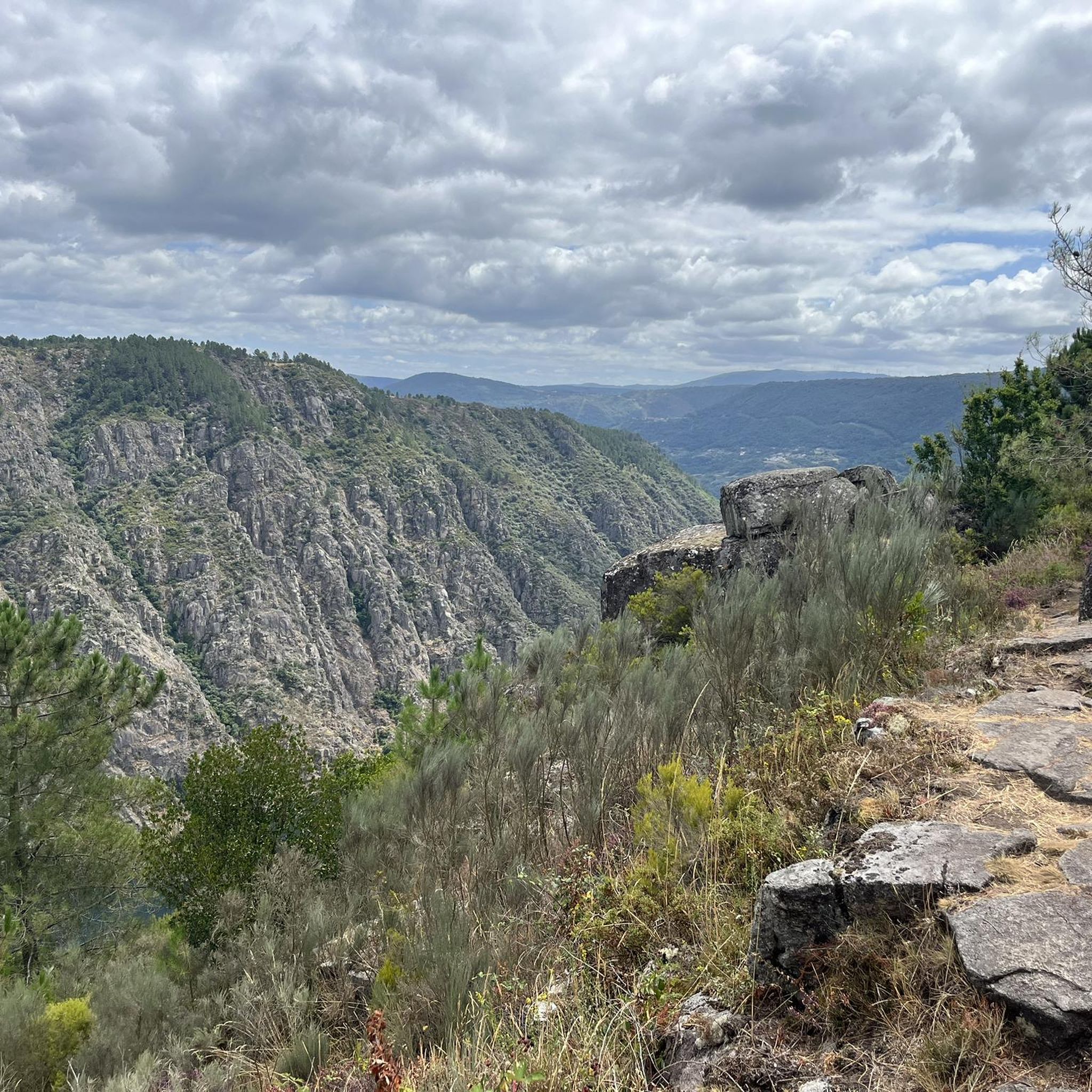
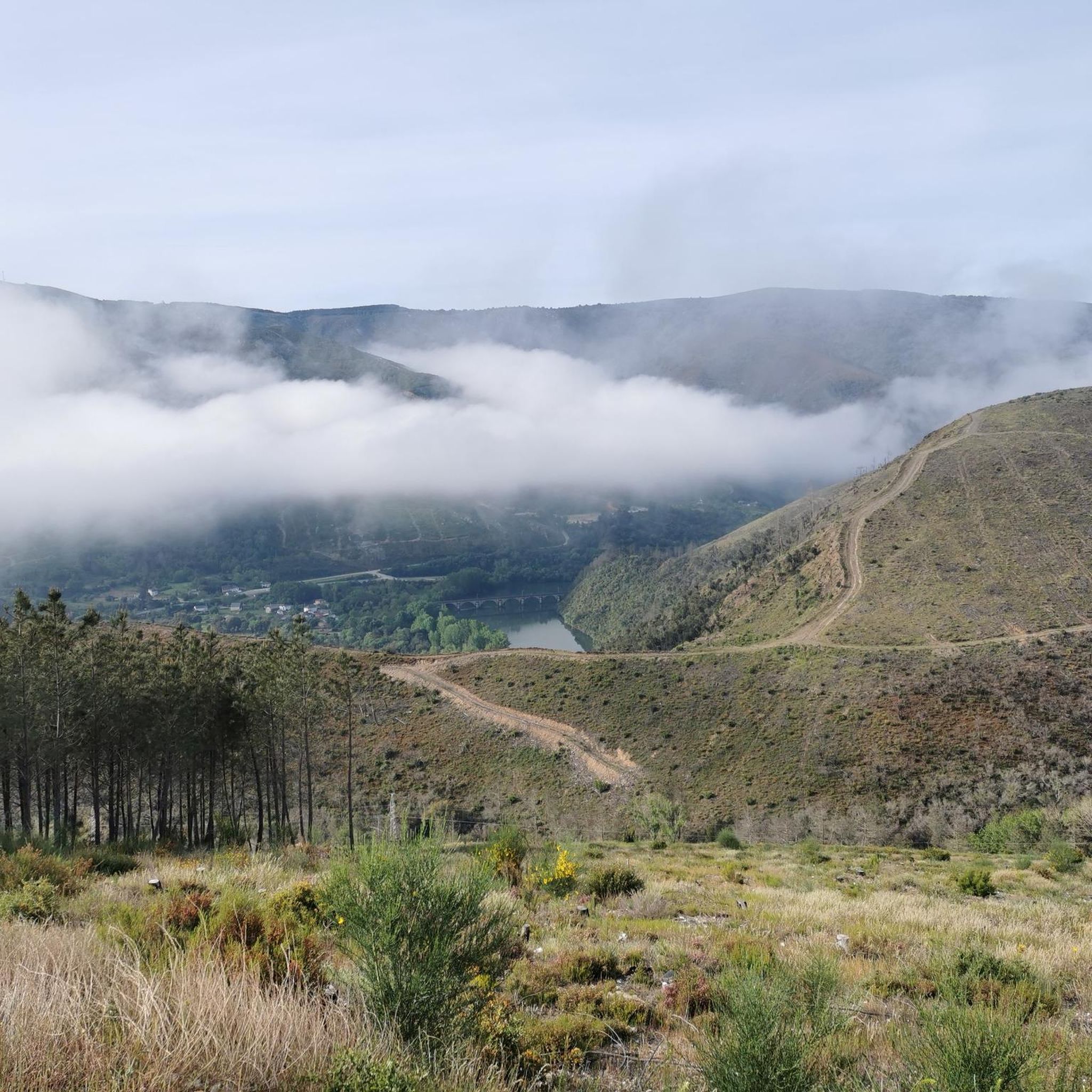
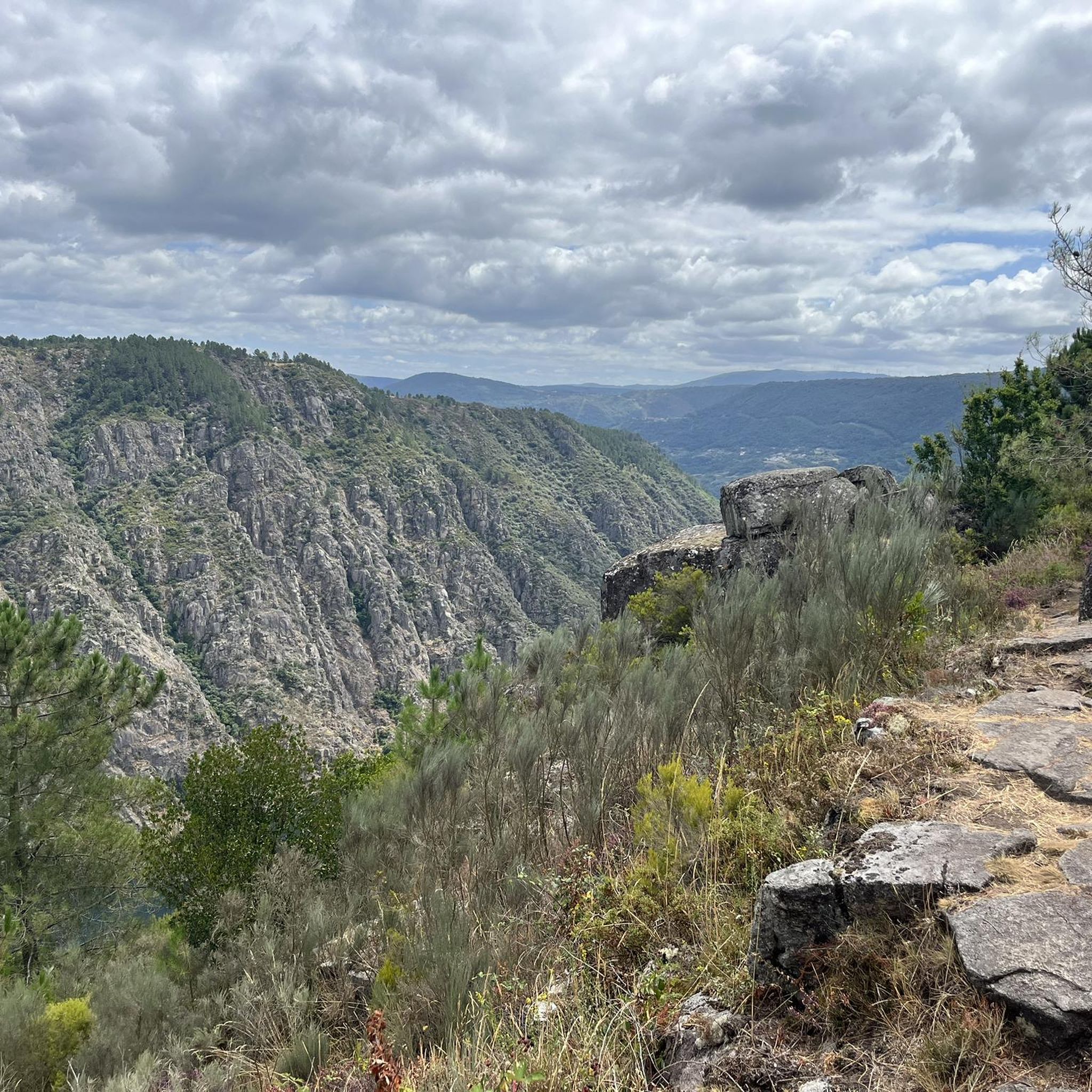
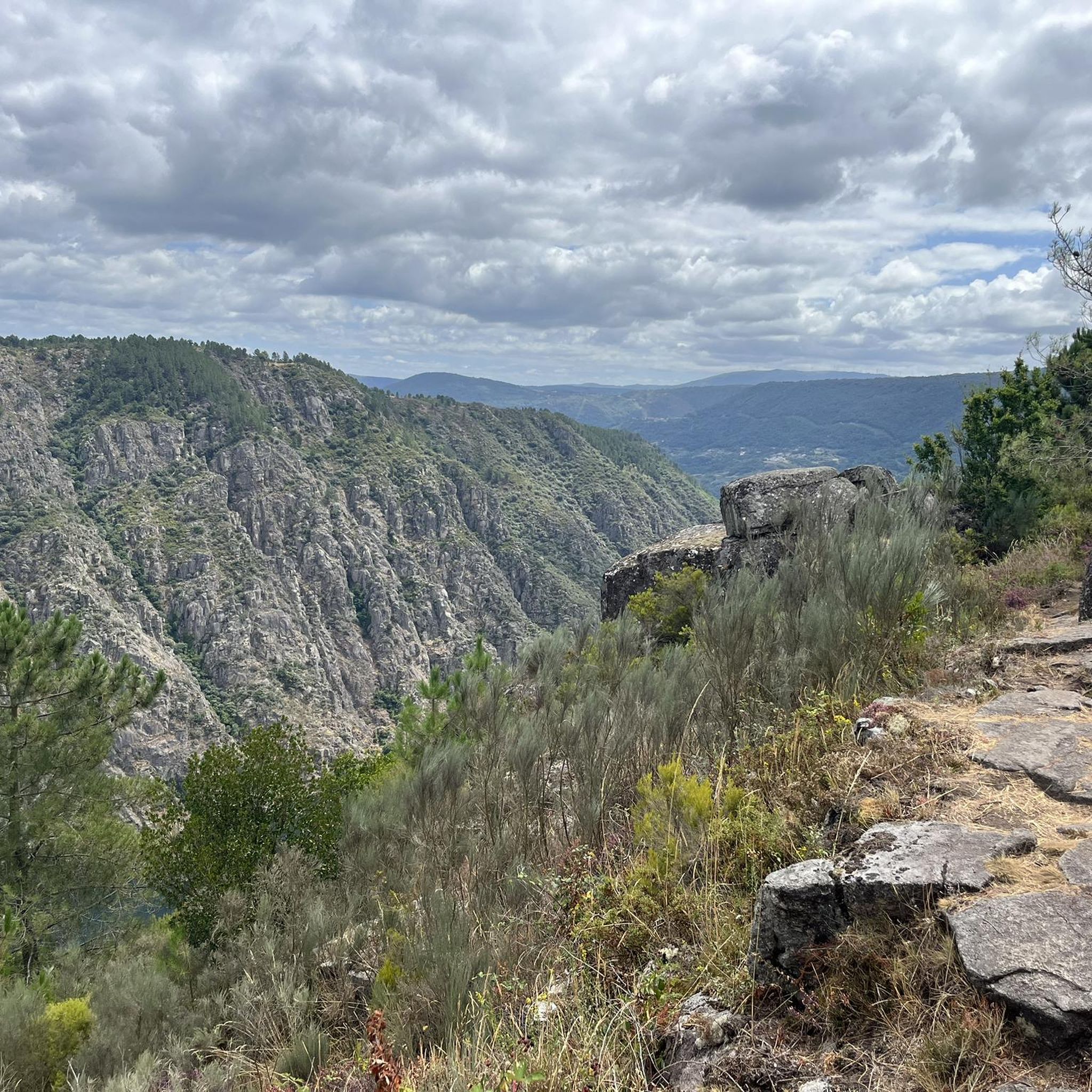
Hiking around Sober, located in the Lugo province of Galicia, offers diverse landscapes characterized by the dramatic Sil River Canyon and its surrounding valleys. The region features a mix of dense woodlands, terraced vineyards, and numerous viewpoints overlooking the river. Trails often follow ancient paths, providing access to natural and historical sites.
Best hiking trails around Sober
- The most popular hiking route is Mao River Boardwalk loop from A Espartida, a 1.3 miles (2.1 km) trail that takes 35 minutes to complete. This easy route follows a scenic boardwalk along the Mao River.
- Another top favourite among local hikers is Foxo do Lobo (Wolf Trap) – Parada de Sil loop from Purdeus, a moderate 8.6 miles (13.8 km) path. This trail explores the Sil River canyon, passing through forests and offering panoramic views.
- Local hikers also love the Hiking loop from A Teixeira, a 8.5 miles (13.7 km) trail leading through varied terrain including forests and open areas, often completed in about 4 hours 8 minutes.
- Hiking around Sober is defined by the deep river canyons of the Sil, lush forests, and numerous scenic viewpoints. The network offers options for easy strolls, moderate day hikes, and more challenging routes.
- The routes in Sober are highly rated by the komoot community with an average score of 4.6 stars from more than 250 reviews. More than 1,700 hikers have used komoot to explore Sober's varied terrain.
Last updated: July 4, 2026
4.3
(7)
19
hikers
Moderate hike. Good fitness required. Easily-accessible paths. Suitable for all skill levels.
5.0
(3)
31
hikers
2.12km
00:36
40m
40m
Easy hike. Great for any fitness level. Easily-accessible paths. Suitable for all skill levels.

Sign up for free
5.0
(1)
26
hikers
13.8km
04:24
500m
500m
Moderate hike. Good fitness required. Mostly accessible paths. Sure-footedness required.
4.3
(3)
23
hikers
13.7km
04:07
450m
440m
Moderate hike. Good fitness required. Easily-accessible paths. Suitable for all skill levels.
4.7
(10)
23
hikers
Moderate hike. Good fitness required. Mostly accessible paths. Sure-footedness required.
Get access to more routes and recommendations from other explorers.
Sign up for free
Already have an account?
Our route recommendations are based on thousands of hikes, rides, and runs completed by other people on komoot.
Start today with a free account
Your next adventure awaits.
Login or Signup
Tips from the Community

Camp site with an astonishing view on the Ribeira Sacra
0
0

The PR-G 98 takes the Santa Cristina detour along an ancient country path dug into the mountainside centuries ago in remote and steep places, like the remains of the stone villages that appear during the journey through this enchanted world. Remains of mills, houses, wineries, “sequeiros” and a multitude of constructions with mossy walls emerge from the small natural steps of the terrain that are suitable for building a building. The rest of the surroundings are a forest of chestnut and oak trees, old and gnarled, forgotten by man and time, placed everywhere forming a magnificent forest of enormous trees that hide the views of the Sil gorge. The river is close but practically unreachable.
0
0
The village of Entrambosríos is hidden in a forest of ancient chestnut trees at the confluence of the Batán and Fiós rivers, two torrents of water that provided enough energy to move the machinery of two mills built on the banks of the river, one in Entrambosríos and the other in Rabacallos, near the mouth of the river in the Sil. The buildings and part of the irrigation ditches, the bridge and the surroundings of the mills have been restored to preserve the memory of the families who for generations dedicated themselves to the work of milling. A panel located next to the old mill remembers the last family that kept the mill running until the end of the last century. From Roman times, the basis of peasant food and the original raw material for milling was the chestnut. The first agricultural revolution came from the 12th century, when the monks of the Ribeira Sacra introduced the cultivation of millet and rye. And from the 17th century onwards, wheat and corn arrived, the flours that have brought the Galician baking industry and “Galician bread” to the forefront of popular gastronomy. The Entrambosríos chestnut tree is an ancient example of chestnut included in the Catalogue of Singular Trees of Galicia, and boasts of being one of the oldest and largest trees in Galicia. The branches continue to produce fruit and in the meantime they tell an endless story of perseverance, love for the land and friendship with human beings.
0
0
The petos de ánimas or “soul piggy banks” are an artistic expression of medieval popular architecture linked to the cult of the dead and beliefs about life and death. In the religious reform of the 16th century, the concept of Purgatory appeared as an alternative to save the “souls in torment” who wandered around waiting to be condemned, suppressing the idea of eternal punishment. The petos de ánimas reached their highest artistic quality in the 18th century, they are at crossroads and form part of the ethnographic heritage of the Galician rural environment. In the municipality of Parada de Sil there are petos de ánimas in Requián, Teimende, Casa do Vento, Cimadevila, O Couto and O Coutiño, with two striking ornamental pinnacles on the stone chapel.
0
0
The trail begins in the Plaza do Barquilleiro, in Parada de Sil, a must-see in the essential landscapes of the Sil Canyon and the Ribeira Sacra to discover fantasy forests, river balconies, traditional wineries and the ancient monastery of Santa Cristina, a notable landmark in the Benedictine foundations spread across the great river canyon in the interior of Galicia.
0
1
The Balconies of Madrid have a history that speaks of emigration, dreams and human adventures in unknown lands. The original name of Os Torgás was changed when the people of the Ourense villages of the Ribeira Sacra hung themselves from the cliffs of the River Sil to say goodbye to their loved ones who were leaving for Madrid and other lands in the south with the dream of a new life. The viewing points form small steps hanging over the river gorge and cause a special fascination. The breeze in the air carries the aromas of vineyards hanging on steep rocky terraces and melodies of elves emerging from enchanted forests, descendants of the primitive mythological beings who resisted the sacralisation of their plant kingdom by the monks and long before by the Roman legions. The walls of the Sil Canyon are a monumental sculpture five hundred metres high made of fierce, bare granite, a fortress of living rock up to the edge of the viewing points that filter the wind, the lights and the eternal songs of all the people who have passed through this fantastic natural balcony to say goodbye or find someone.
1
1
It is a magnificent example of rural Galician Romanesque architecture. The original building is from the 12th century, and preserves carvings from the 16th century and baroque altarpieces from the 18th century. The entrance to the cloister has a Romanesque doorway with lobed arches and a magnificent sculptural pantheon. The economic power of the monks of the Sil reached a notable splendour in the 12th century, when they received royal privileges and papal protection to expand the monasteries and sanctuaries on both banks of the Sil, a territory with a strong historical and cultural personality, called Rivoyra Sacrata at that time and known since then as Ribeira Sacra.
1
0

Miradoiro dos Penediños is a beautiful viewing point located in the Ribeira Sacra, a region known for its stunning landscapes and terraced vineyards along the Miño and Sil rivers in Galicia. From this viewing point, you can enjoy spectacular panoramic views of the Miño River canyons and the lush forests surrounding the area. The viewing point is an ideal place for nature and photography lovers, as it offers a unique perspective of the natural beauty of the Ribeira Sacra. In addition, it is a popular stopping point for visitors touring the region's viewing point route.
6
0
Frequently Asked Questions
How many hiking trails are available around Sober?
There are over 80 hiking trails documented around Sober on komoot, offering a wide range of options from easy strolls to more challenging day hikes. Approximately 38 of these are rated as easy, 37 as moderate, and 6 as difficult.
Are there any family-friendly hiking routes in Sober?
Yes, Sober offers several family-friendly options. A great choice is the Mao River Boardwalk loop from A Espartida, which is an easy 1.3-mile (2.1 km) trail perfect for a leisurely walk with children, following a scenic boardwalk.
What kind of views can I expect on hikes in the Sober region?
The Sober region is renowned for its dramatic landscapes, primarily dominated by the Sil River Canyon. Hikers can expect breathtaking panoramic views of the deep river gorges, terraced vineyards, and lush forests. Many trails lead to dedicated viewpoints such as O Boqueiriño Viewpoint and Cividade Viewpoint.
Are there any circular hiking routes around Sober?
Yes, many of the trails in Sober are designed as loops, allowing you to start and end in the same location. For example, the Foxo do Lobo (Wolf Trap) – Parada de Sil loop from Purdeus is a moderate 8.6-mile (13.8 km) circular path exploring the Sil River canyon.
What is the best time of year to go hiking in Sober?
The best time to hike in Sober is typically during spring (April-June) and autumn (September-November). During these seasons, the weather is mild, the landscapes are vibrant with spring blooms or autumn colors, and the temperatures are comfortable for hiking. Summer can be hot, especially in the canyons, while winter can bring cooler temperatures and occasional rain.
What do other hikers enjoy most about the trails in Sober?
The trails in Sober are highly rated by the komoot community, with an average score of 4.6 stars from over 250 reviews. Reviewers often praise the stunning views of the Sil River Canyon, the well-maintained paths, and the diverse scenery that includes vineyards, forests, and historical sites.
Are there any waterfalls to see on hikes near Sober?
Yes, the region boasts beautiful natural features, including waterfalls. The impressive Augacaída Waterfall is a notable attraction that can be visited as part of a hike in the area, offering a spectacular natural sight.
Are there options for public transport to reach trailheads in Sober?
While some larger towns in Galicia are well-connected by public transport, reaching specific trailheads in rural areas like Sober often requires a car. It's advisable to check local bus schedules for connections to Sober town, but for direct access to many hiking starting points, personal transport is generally more convenient.
Are there any historical or cultural landmarks along the hiking routes?
Yes, the Sober region is rich in history. Hikers can discover ancient paths and sites. A significant landmark is the Monastery of San Pedro de Rocas, an ancient monastic complex carved into the rock, which can be incorporated into longer hiking itineraries.
Where can I find parking for hiking trails in Sober?
Parking availability varies by trailhead. Many popular starting points for hikes, especially those near villages or key viewpoints, often have designated parking areas. It's recommended to check the specific tour details on komoot for information on parking facilities near your chosen route, such as the starting points for the Hiking loop from A Teixeira.
Are dogs allowed on the hiking trails in Sober?
Generally, dogs are welcome on most hiking trails in the Sober region, provided they are kept under control, especially in areas with livestock or wildlife. Always ensure to clean up after your pet. It's a great area for exploring with your canine companion, offering plenty of natural spaces.
Are there any trails that feature boardwalks or unique path structures?
Yes, the region offers unique trail experiences. The Mao River Boardwalk is a prime example, providing an accessible and scenic walk directly along the river, allowing hikers to experience the natural beauty from a unique perspective.
Most popular attractions around Sober

Get inspired with the komoot mobile app


Explore more
Browse the best Hikes in other regions.
