Attractions and Places To See around San Felices De Buelna - Top 20
Best attractions and places to see around San Felices De Buelna include a rich blend of historical, cultural, and natural sites. This rural municipality in Cantabria, Spain, offers ancient history, medieval architecture, and picturesque landscapes. The area is recognized for its commitment to preserving heritage, featuring several declared Assets of Cultural Interest. Visitors can explore a variety of sites, from prehistoric caves to natural waterfalls and historical monuments.
Best attractions and places to see around San Felices De Buelna
- The…
Last updated: July 7, 2026
Altamira Cave
Highlight • Cave
Translated by Google •
Tip by

Statue of Francis of Assisi
Highlight • Monument
Translated by Google •
Tip by

Sign up now to discover places like this
Get recommendations on the best single tracks, peaks, & plenty of other exciting outdoor places.
Sign up for free
Altamira Museum
Highlight • Cave
Translated by Google •
Tip by

Reyerma Steam Locomotive
Highlight • Monument
Translated by Google •
Tip by
Las Caldas de Besaya Spa
Highlight • Structure
Showing Translation
Tip by

Sign up for free to discover even more attractions around San Felices De Buelna.
Sign up for free
Already have an account?
Start today with a free account
Your next adventure awaits.
Login or Signup

Tips from the Community

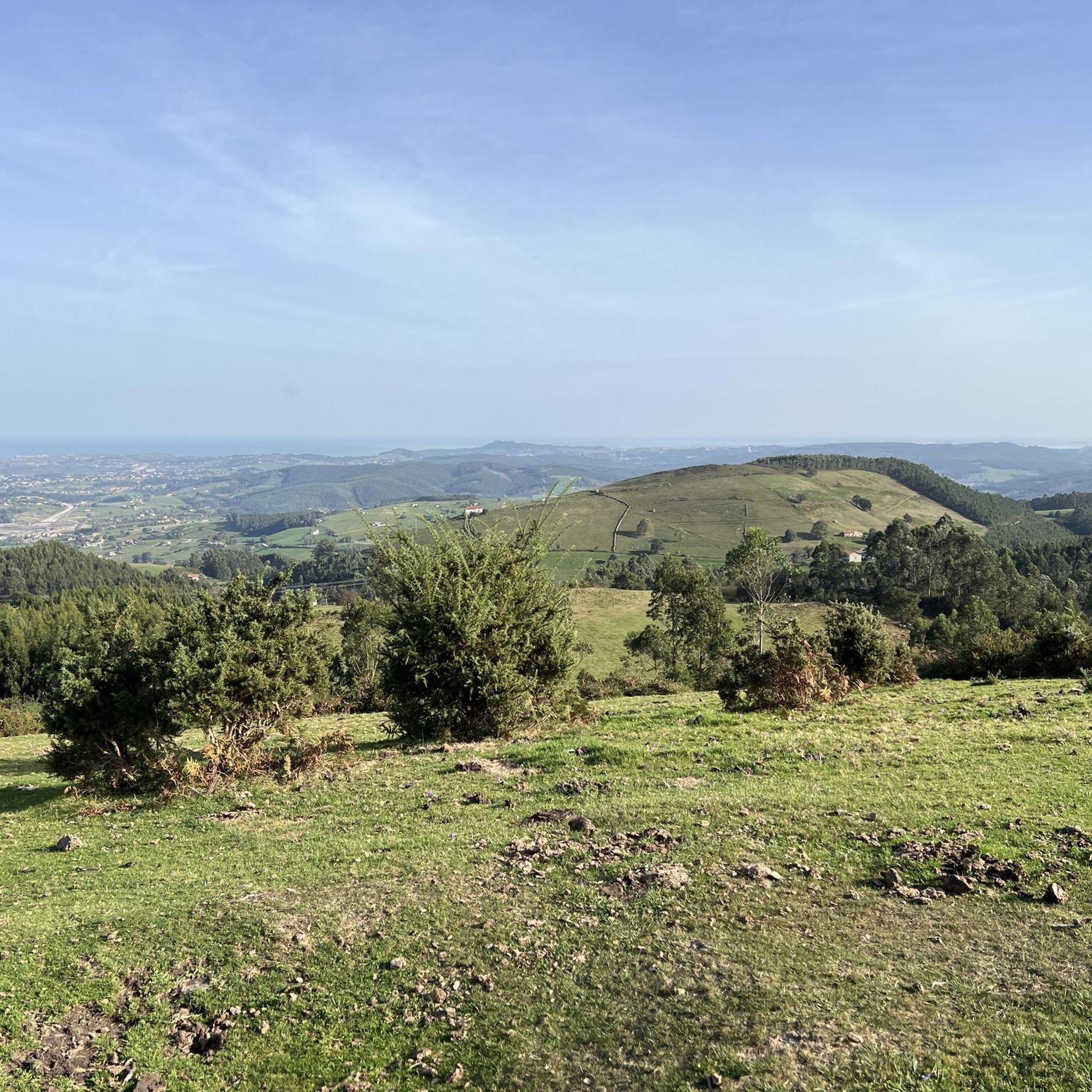
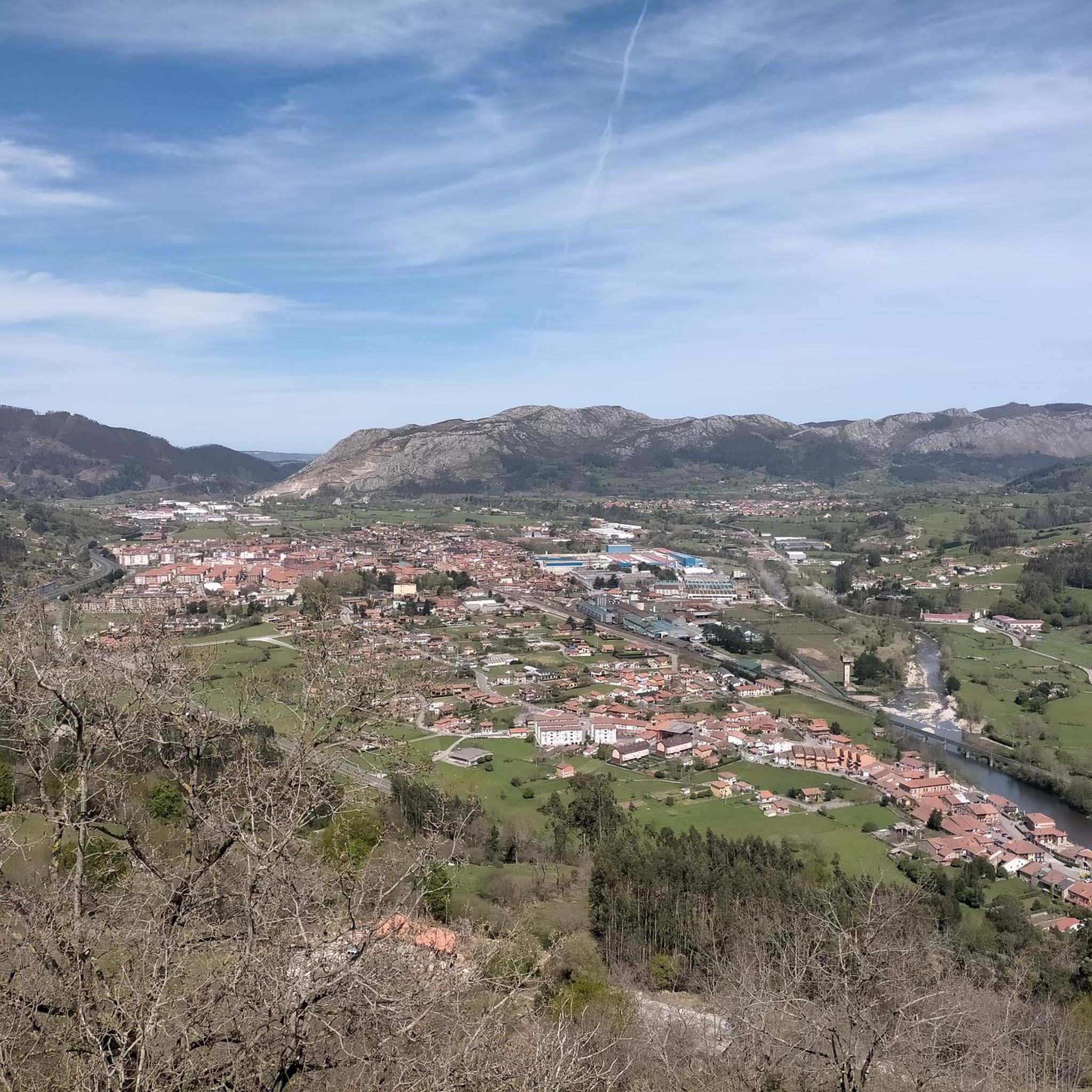
Quiet place, interesting views.
0
0

This simple but atmospheric statue of Francis of Assisi stands along the Camino del Norte in Viveda. In 1214, St Francis of Assisi slept in Viveda on his pilgrimage to Santiago de Compostela.
2
0

At the beginning of March, all cafes were closed, tickets were all sold out, all other buildings were closed
0
0

The Altamira cave paintings in northern Spain were discovered in 1879. They were the first cave paintings ever found. It was a coincidence: a hunter was looking for his dog on a country estate and came across a cave. He reported this to the owner of the estate, Don Marcelino Sautuola, but he showed little interest. It was not until ten years later, in 1878, that he examined the cave and found some stone tools there. Another year later, he took his 9-year-old daughter Maria with him. While her father was crawling around on the floor, Maria looked up at the ceiling - and saw a whole herd of bison! "Alta mira" means something like: look up! Modern graffiti or Stone Age art? Altamira Caves Don Marcelino Sautuola's daughter Maria discovered the paintings on the wall of the Altamira Cave.[ © Wikimedia, public domain ] Sautuola was quite excited when he discovered the animals painted in red and brown tones. At their side were wild horses, deer and wild boars. How disappointed Sautuola was when scholars dismissed the paintings as the work of an untalented modern artist!
1
0
The Altamira Cave covers an area of more than 5500 m². It was used from 33,600 BC until the entrance collapsed in 11,000 BC. The particularly impressive ceiling paintings are dated to the period 16,500 to 13,000 BC.[3] The cave was discovered in 1868 by a hunter due to the disappearance of a hunting dog, who immediately reported the discovery to the lord of Santillana,[2] the naturalist Marcelino Sanz de Sautuola (1831–1888). The paintings were discovered by Sautuola's five-year-old daughter Maria, who was able to walk upright through the cave and made out images of "cattle" on the ceiling.[2] Marcelino began systematically digging in the cave in 1879[2] and published a short description of the "prehistoric objects in the province of Santander". Even the Spanish King Alfonso XII was invited into the cave. However, the academic world doubted the authenticity of the cave paintings.[2] The French prehistorian Émile Cartailhac described the paintings as a "vulgar prank by a scribbler" that he and his contemporaries did not even want to look at. The discovery had to wait almost 23 years for recognition. It was only when similar paintings were discovered in the Font-de-Gaume cave near Les Eyzies-de-Tayac-Sireuil in the Dordogne department (France) in 1901 that the attitude of French researchers and Cartailhac, who became the symbol of archaeological ignorance, changed. Cartailhac apologized posthumously to the Marquis de Sautuola in an essay in 1902 ("Mea culpa" d'un sceptique[4]).
0
0
The Altamira Cave, near the town of Santillana del Mar in Cantabria, Spain, 32 km southwest of Santander, is known for its Stone Age cave paintings. Like the Chauvet Cave, it belongs to the area of Franco-Cantabrian cave art[1] and is part of the UNESCO World Heritage Site.
1
0
The Altamira Cave covers an area of more than 5500 m². It was used from 33,600 BC until the entrance collapsed in 11,000 BC. The particularly impressive ceiling paintings are dated to the period 16,500 to 13,000 BC.[3] The cave was discovered in 1868 by a hunter due to the disappearance of a hunting dog, who immediately reported the discovery to the lord of Santillana,[2] the naturalist Marcelino Sanz de Sautuola (1831–1888). The paintings were discovered by Sautuola's five-year-old daughter Maria, who was able to walk upright through the cave and made out images of "cattle" on the ceiling.[2] Marcelino began systematically digging in the cave in 1879[2] and published a short description of the "prehistoric objects in the province of Santander". Even the Spanish King Alfonso XII was invited into the cave. However, the academic world doubted the authenticity of the cave paintings.
2
0

Frequently Asked Questions
What historical sites can I explore in San Felices de Buelna?
San Felices de Buelna is rich in history. You can visit the 14th-century Gothic Reyerma Steam Locomotive, which is a man-made monument with a historical past. The region also features the emblematic Torre de Pero Niño, a defensive tower now functioning as a museum, and the significant archaeological site of Cueva de Hornos de la Peña, known for its prehistoric art. Another notable site is the Las Caldas de Besaya Spa, which has been known for its hot springs since Roman times.
Are there any prehistoric sites or ancient art to see?
Yes, San Felices de Buelna is home to important prehistoric sites. The Cueva de Hornos de la Peña in Tarriba is a UNESCO World Heritage site featuring remarkable prehistoric engravings of animals. You can also visit the National Museum and Research Center of Altamira, which offers a faithful replica of the original Altamira cave, allowing visitors to experience ancient cave art and learn about the region's early inhabitants.
What natural attractions are there in San Felices de Buelna?
Nature lovers will enjoy the Churrón de Borleña Waterfall, a beautiful natural monument with a pool at its base, accessible via an easy forest path. The Senda Mitológica del Monte Tejas offers a family-friendly walk through a forest with sculptures from Cantabrian mythology. The Parque de la Lama provides a large green space for relaxation and picnics, and the municipality is characterized by its green landscapes, mountains, and meadows, with the Besaya River forming a natural boundary.
Are there opportunities for hiking or walking?
Absolutely. San Felices de Buelna and its surroundings offer numerous trails. You can explore the Senda Mitológica del Monte Tejas for a unique walk. For more structured routes, consider the hiking trails around the area, such as the 'Alto del Cueto Moroso and Canal de las Tejeras Loop' or the 'Small Waterfall loop from San Felices de Buelna'. You can find more details and routes on the Hiking around San Felices De Buelna guide.
What activities are suitable for families with children?
Families have several engaging options. The Reyerma Steam Locomotive allows visitors to go up and take pictures, which is fun for all ages. The Churrón de Borleña Waterfall is reached via an easy, picturesque path suitable for families. The Senda Mitológica del Monte Tejas is a family-friendly mythological trail featuring wooden sculptures. Additionally, the National Museum and Research Center of Altamira offers an educational and interactive experience for children and adults alike.
What are some unique or 'hidden gem' attractions in the area?
Beyond the well-known sites, consider exploring the ancient Cantabrian-Roman defensive settlements of Castros del Monte Dobra, which offer insights into ancient fortifications. The various stately homes and palaces scattered throughout the settlements, such as the Palacio de San Jorge, also provide a glimpse into the region's architectural heritage. The Senda Mitológica del Monte Tejas, with its unique wooden sculptures, offers a distinctive and less conventional outdoor experience.
Can I find places for outdoor activities like running or cycling?
Yes, the area around San Felices de Buelna is great for outdoor sports. For running, you can find routes like the 'Ibio loop from Las Caldas de Besaya' or the 'Mirador de la Varga loop from San Felices de Buelna'. Cyclists can enjoy road cycling routes such as the 'Mata, Arenas de Iguña, Santiurde de Toranzo – circular route'. More options are available in the Running Trails around San Felices De Buelna and Road Cycling Routes around San Felices De Buelna guides.
What do visitors enjoy most about the attractions in San Felices de Buelna?
Visitors particularly appreciate the blend of history and nature. The Reyerma Steam Locomotive is popular for its historical significance and photo opportunities. The Churrón de Borleña Waterfall is loved for its beautiful, easy path and refreshing natural pool. The Las Caldas de Besaya Spa is valued for its historical context and mineral-medicinal waters. The overall tranquil atmosphere and immersion in heritage are frequently highlighted.
Is there a good time of year to visit San Felices de Buelna for outdoor activities?
The region's green landscapes and natural attractions are enjoyable throughout much of the year. For outdoor activities like hiking and exploring waterfalls, spring and early autumn offer pleasant temperatures and lush scenery. Summer is also suitable, especially for attractions like the Churrón de Borleña Waterfall where you might enjoy a refreshing dip in the natural pool.
Are there any religious or architectural sites of interest?
Yes, San Felices de Buelna has several notable religious and architectural sites. The Iglesia de San Félix in Rivero is a significant example of regional religious architecture. Also in Rivero, you can find the Santuario de la Virgen de la Consolación. Throughout the municipality, various stately homes and palaces, such as the Palacio de San Jorge and the Palacio de los Condes de las Bárcenas, showcase artistic and historical architectural styles.
What is the Statue of Francis of Assisi and where is it located?
The Statue of Francis of Assisi is a bronze sculpture, 2.5 meters tall and weighing 500 kilos, depicting a young Saint Francis as a pilgrim. It is located on a stone pedestal in a place where legend and historical chronicles suggest he passed on his way to Santiago. It's often encountered by pilgrims on the Camino del Norte.
Most popular routes around San Felices De Buelna
Most popular attractions around San Felices De Buelna

Get inspired with the komoot mobile app


Explore more
Still not found the Highlight you’re looking for? See guides of the top attractions in other regions:
