Attractions and Places To See around Murillo De Río Leza - Top 20
Best attractions and places to see around Murillo De Río Leza include a blend of historical sites, natural features, and cultural experiences. Situated at the confluence of the Leza and Jubera rivers, the area offers diverse landscapes from river valleys to mountains. The region is known for its agricultural and winemaking heritage, providing a setting for exploration. Visitors can find a variety of landmarks and natural points of interest.
Best attractions and places to see around Murillo De Río Leza
…Last updated: May 26, 2026
Logroño Stone Bridge
Highlight • Bridge
Translated by Google •
Tip by

Viana Old Town
Highlight • Settlement
Translated by Google •
Tip by

Sign up now to discover places like this
Get recommendations on the best single tracks, peaks, & plenty of other exciting outdoor places.
Sign up for free
Co-Cathedral of Santa María de la Redonda
Highlight • Religious Site
Translated by Google •
Tip by

Clavijo Castle
Highlight • Castle
Translated by Google •
Tip by

Iglesia de Santa María de Palacio
Highlight • Religious Site
Translated by Google •
Tip by

Sign up for free to discover even more attractions around Murillo De Río Leza.
Sign up for free
Already have an account?
Start today with a free account
Your next adventure awaits.
Login or Signup

Tips from the Community

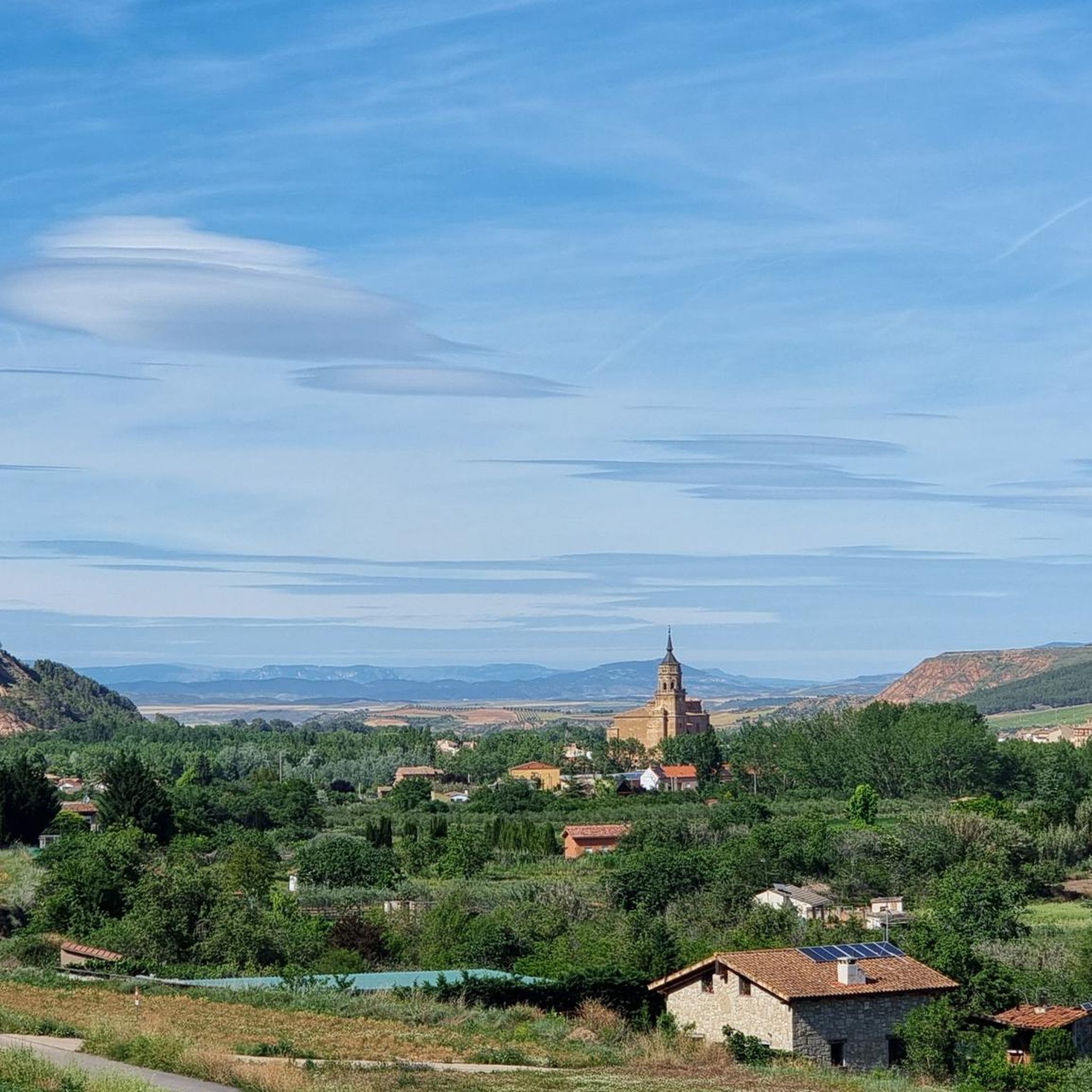
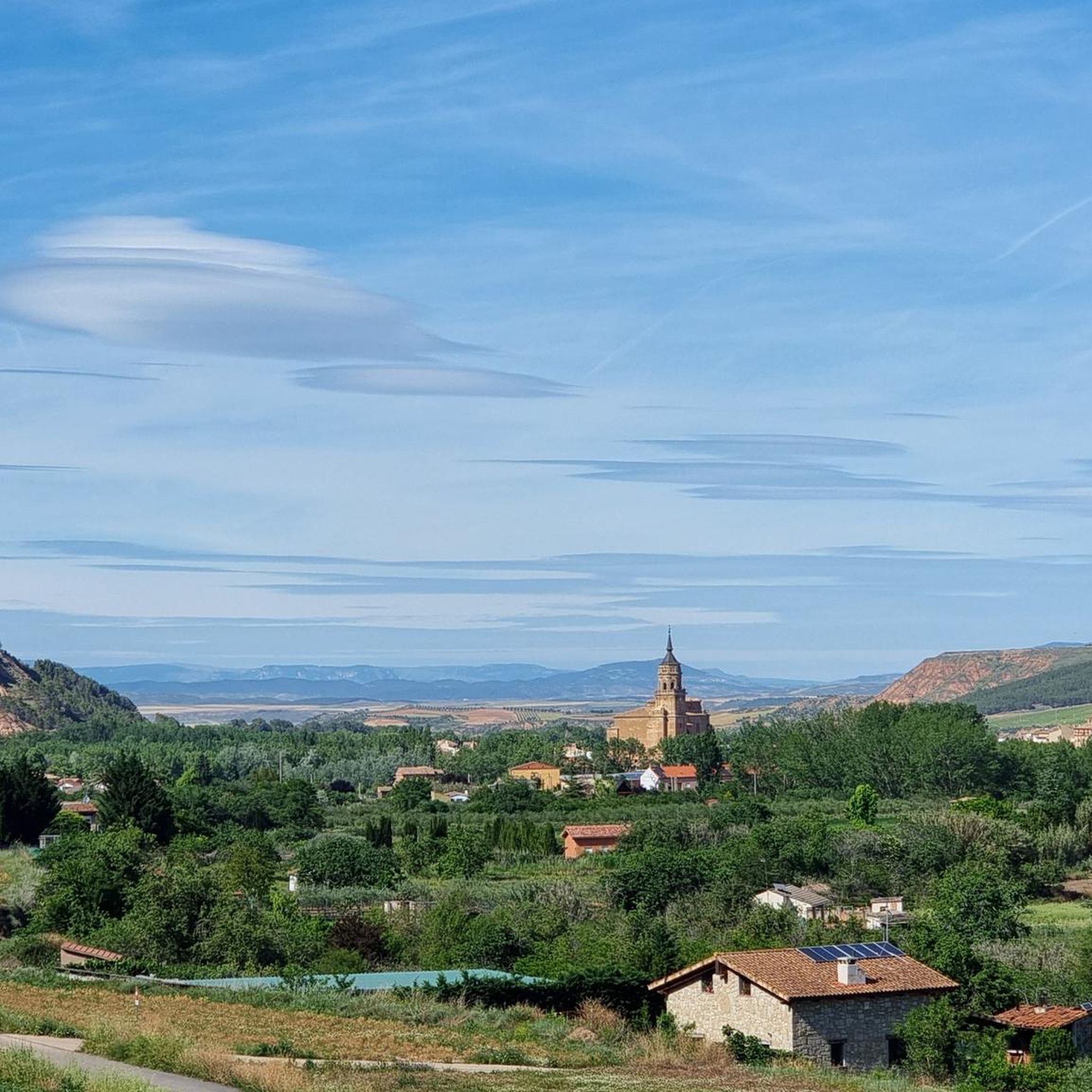
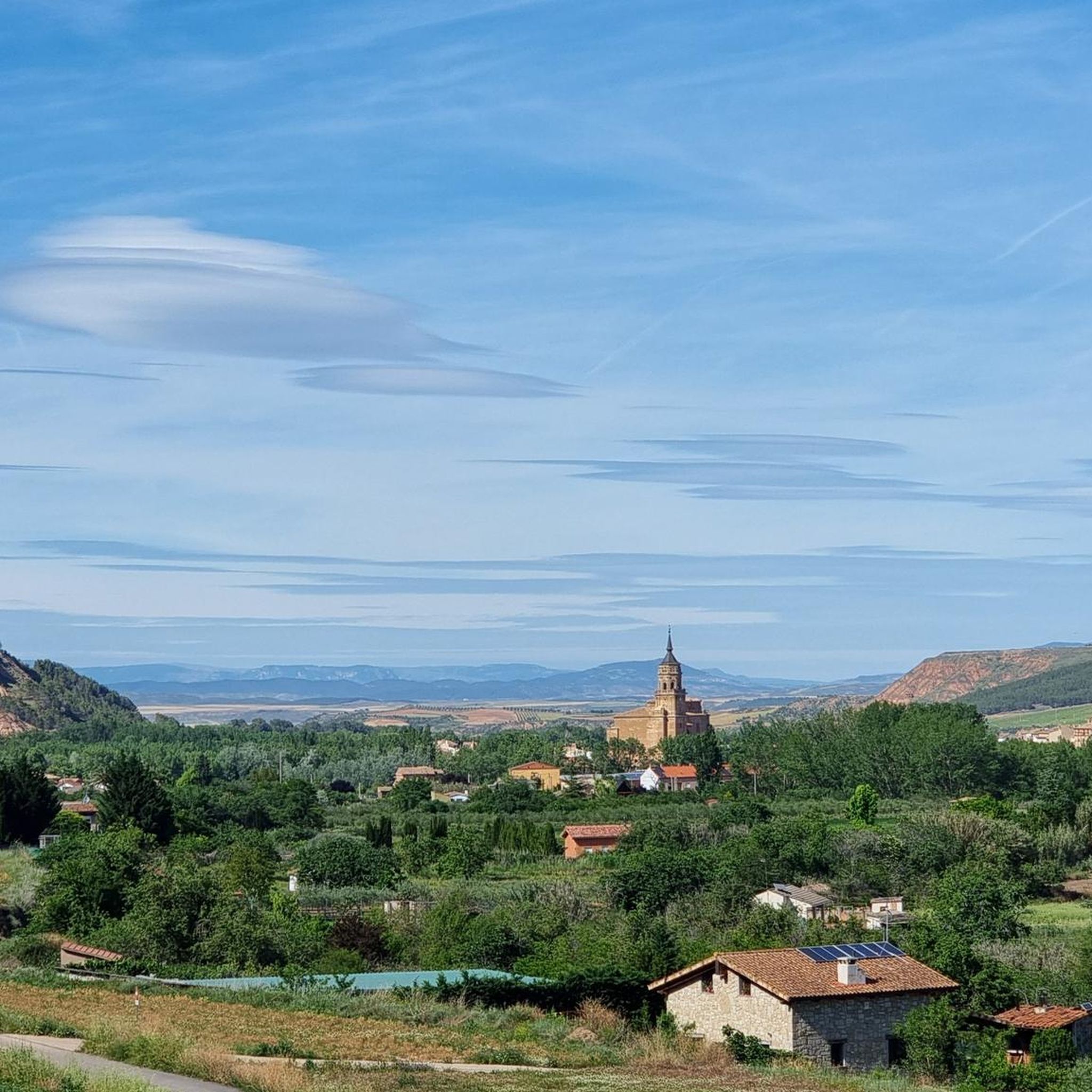
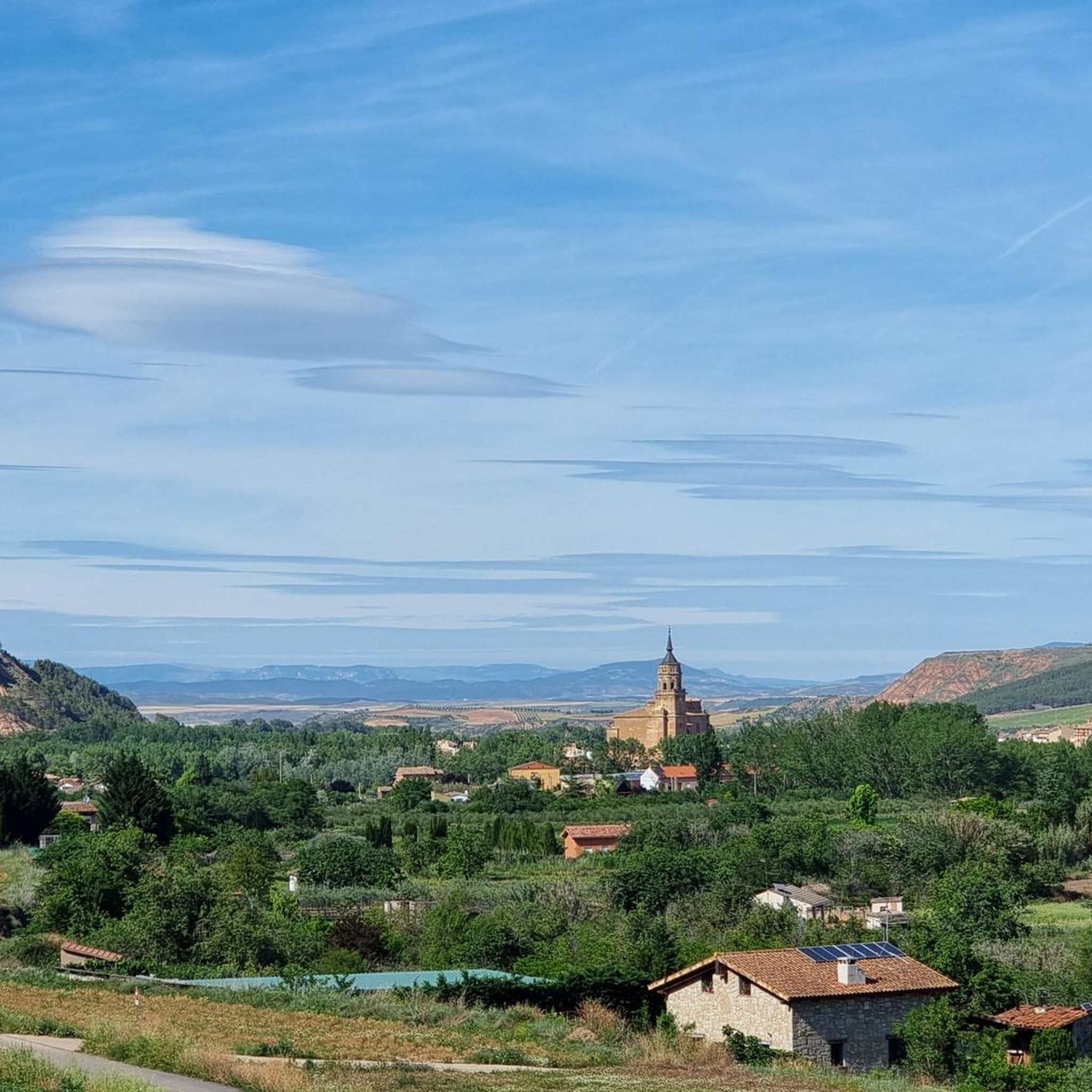
Very nice village, the last in Navarre.
0
0

The Cathedral of Santa María de la Redonda, dedicated to the Virgin Mary, is a church in the city of Logroño in the autonomous community and province of La Rioja in northern Spain. Along with the Cathedral of Calahorra and the Cathedral of Santo Domingo de la Calzada, it is one of three episcopal churches of the Diocese of Calahorra y La Calzada-Logroño. As part of the northern Spanish Way of St. James (Camino Francés), it has been a UNESCO World Heritage Site since 1993.
0
0

The Co-Cathedral of Santa María de la Redonda is located in the heart of the old town of Logroño, nestled between the streets Portales and Caballerías and the Plaza del Mercado. It stands on the site of a primitive Romanesque church that was elevated to collegiate status in 1435 when it was merged with the church of San Martín de Albelda.
1
0

The external façade and portals are less rich, but no expense was spared inside to illustrate the glorification. The high altar is huge, and a painting by Buanarotti hangs in the back of the cathedral.
3
0

One of several churches in Logrono. With an extremely elaborate choir area.
2
0

The stone bridge is one of the four bridges that cross the Ebro in Logroño. It is also called the bridge of San Juan de Ortega. The current structure was built in 1884 after the previous bridge collapsed in 1871. As one of the city's symbols, the bridge, which is used to enter the town on the Way of St. James, can also be seen on its coat of arms. https://www.spain.info/de/highlights/steinbruecke/
2
0
The Cathedral of Santa María de la Redonda, dedicated to the Virgin Mary, is a church in the city of Logroño in the autonomous community and province of La Rioja in northern Spain. Along with the Cathedral of Calahorra and the Cathedral of Santo Domingo de la Calzada, it is one of three episcopal churches in the diocese of Calahorra y La Calzada-Logroño. As part of the northern Spanish Way of St. James (Camino Francés), it has been a UNESCO World Heritage Site since 1993. https://de.wikipedia.org/wiki/Konkathedrale_von_Logro%C3%B1o
3
0

Cathedral-like church in the central square in Logroño. Great city. The old town is cleaned with water every morning in the early hours. Very clean.
3
0
Frequently Asked Questions
What historical and cultural sites can I explore around Murillo De Río Leza?
Murillo De Río Leza and its surroundings are rich in history. You can visit the magnificent Parish Church of San Esteban Protomártir, a Gothic-Renaissance National Monument in Murillo itself. Further afield, explore the charming Viana Old Town, known for its baroque and renaissance facades, or the impressive remains of Clavijo Castle, which offers wide views and a sense of the region's past. The Logroño Stone Bridge is another historical landmark, part of the Camino Frances pilgrimage route.
Are there any natural attractions or viewpoints in the area?
Yes, the region offers beautiful natural features. Murillo de Río Leza is nestled where the Leza and Jubera rivers meet, providing picturesque landscapes for strolls. You can find excellent vistas from the Viewpoint of the Leza River Canyon or the Cuesta de la Covacha, which overlooks the town, vineyards, and river valleys. The Hermitage of Santa Ana also provides panoramic views and is a popular spot for hikers.
What kind of outdoor activities can I do near Murillo De Río Leza?
The area is ideal for outdoor enthusiasts. You can enjoy various hiking routes, such as the 'Path of the Orchards of Murillo,' an 8.2 km low-difficulty walk. For more options, explore the many trails available for hiking, gravel biking, and mountain biking. You can find detailed routes and guides for hiking, gravel biking, and MTB trails around Murillo De Río Leza.
Are there family-friendly attractions around Murillo De Río Leza?
Many attractions in the area are suitable for families. The Viana Old Town and the Logroño Stone Bridge are both listed as family-friendly historical sites. Religious buildings like the Co-Cathedral of Santa María de la Redonda and Iglesia de Santa María de Palacio also welcome visitors of all ages. Additionally, easy walking paths along the Leza River or the 'Path of the Orchards of Murillo' are great for family outings.
What is the significance of the District of the Wineries?
The District of the Wineries (Barrio de las Bodegas) is a significant cultural and economic highlight of Murillo de Río Leza, showcasing the area's strong winemaking heritage. It's home to Bodega Cooperativa San Esteban Protomártir, the first cooperative winery founded in Rioja in 1953. This district also holds historical importance as the place where the first white Tempranillo grape variety appeared in 1988. You can enjoy excellent views of the vineyards and surrounding landscape from a viewpoint along the Cuesta de la Covacha road.
Can I find easy walking routes in Murillo De Río Leza?
Yes, there are several easy walking routes suitable for all fitness levels. The 'Path of the Orchards of Murillo' is an 8.2 km walk with low difficulty. You can also enjoy revitalizing strolls along the Leza River. For more options, the hiking guide for the area includes easy trails like the 'Ermita de la Antigua and Río Iregua Loop'.
What are some notable religious buildings in the vicinity?
Beyond the Parish Church of San Esteban Protomártir in Murillo, the area features several significant religious sites. These include the local Hermitage of Nuestra Señora del Cortijo and the Hermitage of Santa Ana, which offers scenic views. In nearby Logroño, you can visit the impressive Co-Cathedral of Santa María de la Redonda and the historic Iglesia de Santa María de Palacio, both known for their architectural beauty and historical importance.
Are there any challenging hikes or climbs for experienced adventurers?
For those seeking a challenge, the area around Clavijo Castle offers more demanding terrain. The castle itself is situated in a very broken landscape, surrounded by mountains, and is a mythical climb for both road and mountain biking. The hiking guide also lists moderate to difficult routes like 'Peña Clavijo, Church of Our Lady of the Assumption, Ruins of the Monastery of San Prudencio – circular route'.
What is the best time to visit Murillo De Río Leza for sightseeing and outdoor activities?
The region generally enjoys a pleasant climate, making spring and autumn ideal for visiting. During these seasons, the weather is typically mild, perfect for exploring historical sites, enjoying the vineyards, and undertaking hiking or biking routes without the intense heat of summer. However, the natural beauty and cultural sites can be appreciated year-round.
What do visitors particularly enjoy about the attractions around Murillo De Río Leza?
Visitors appreciate the blend of historical depth and natural beauty. The Viana Old Town is often praised for its cozy atmosphere and well-preserved architecture. The Logroño Stone Bridge is admired for its historical significance and its beautiful illumination at night. The panoramic views from places like Clavijo Castle and the Hermitage of Santa Ana are also highly rated, offering stunning vistas of the surrounding landscapes and river valleys.
Can I find any traces of the region's mining history?
Yes, the region has a fascinating mining past. You can explore the Ancient Lead Mines of Jubera, which are a significant remnant of this history. These mines were active from Roman times all the way up until the mid-20th century, offering a glimpse into a different aspect of the area's heritage.
Most popular routes around Murillo De Río Leza
Most popular attractions around Murillo De Río Leza

Get inspired with the komoot mobile app


Explore more
Still not found the Highlight you’re looking for? See guides of the top attractions in other regions:
