The best road cycling routes around Flanders Moss National Nature Reserve
4.6
(45)
2,478
riders
56
rides
Road cycling around Flanders Moss National Nature Reserve offers routes through a landscape characterized by its extensive peat bog, surrounded by agricultural land and gentle rolling hills. The region features open countryside with rural roads, providing varied terrain for road cyclists. While the reserve itself is a significant natural feature, the surrounding area offers a network of routes suitable for road biking. This area provides a mix of flat sections and gradual ascents.
Best road cycling routes around Flanders Moss…
Last updated: July 8, 2026
24
riders
Moderate road ride. Good fitness required. Some segments of this route may be unpaved and difficult to ride.
64
riders
37.4km
01:38
300m
300m
Moderate road ride. Good fitness required. Mostly well-paved surfaces and easy to ride.

Sign up for free
34
riders
60.1km
02:34
470m
470m
Moderate road ride. Good fitness required. Mostly well-paved surfaces and easy to ride.
5.0
(1)
31
riders
43.8km
01:59
450m
450m
Moderate road ride. Good fitness required. Mostly well-paved surfaces and easy to ride.
22
riders
19.1km
00:53
230m
230m
Easy road ride. Great for any fitness level. Mostly well-paved surfaces and easy to ride.
Get access to more routes and recommendations from other explorers.
Sign up for free
Already have an account?
Our route recommendations are based on thousands of hikes, rides, and runs completed by other people on komoot.
Start today with a free account
Your next adventure awaits.
Login or Signup
Popular around Flanders Moss National Nature Reserve
Tips from the Community

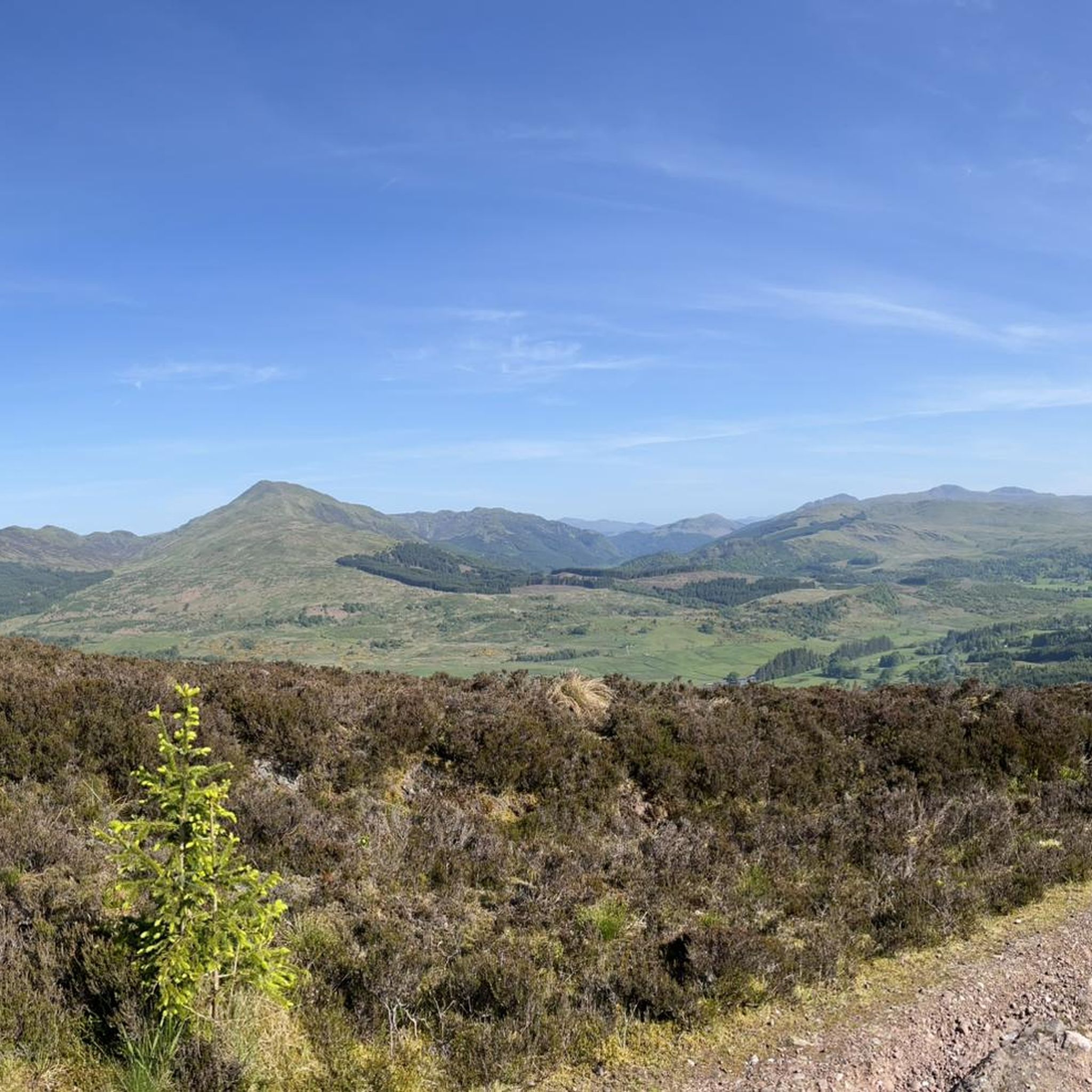
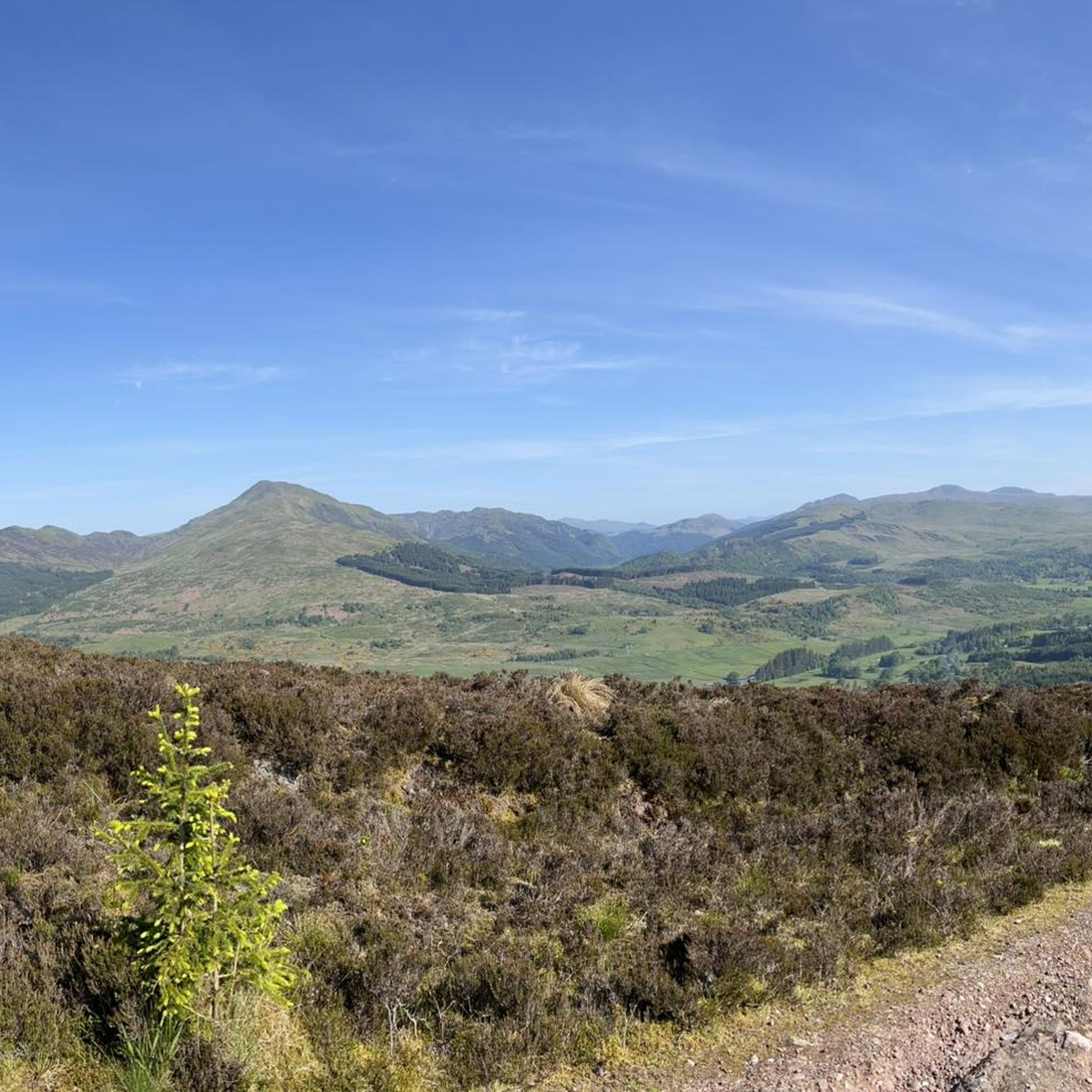
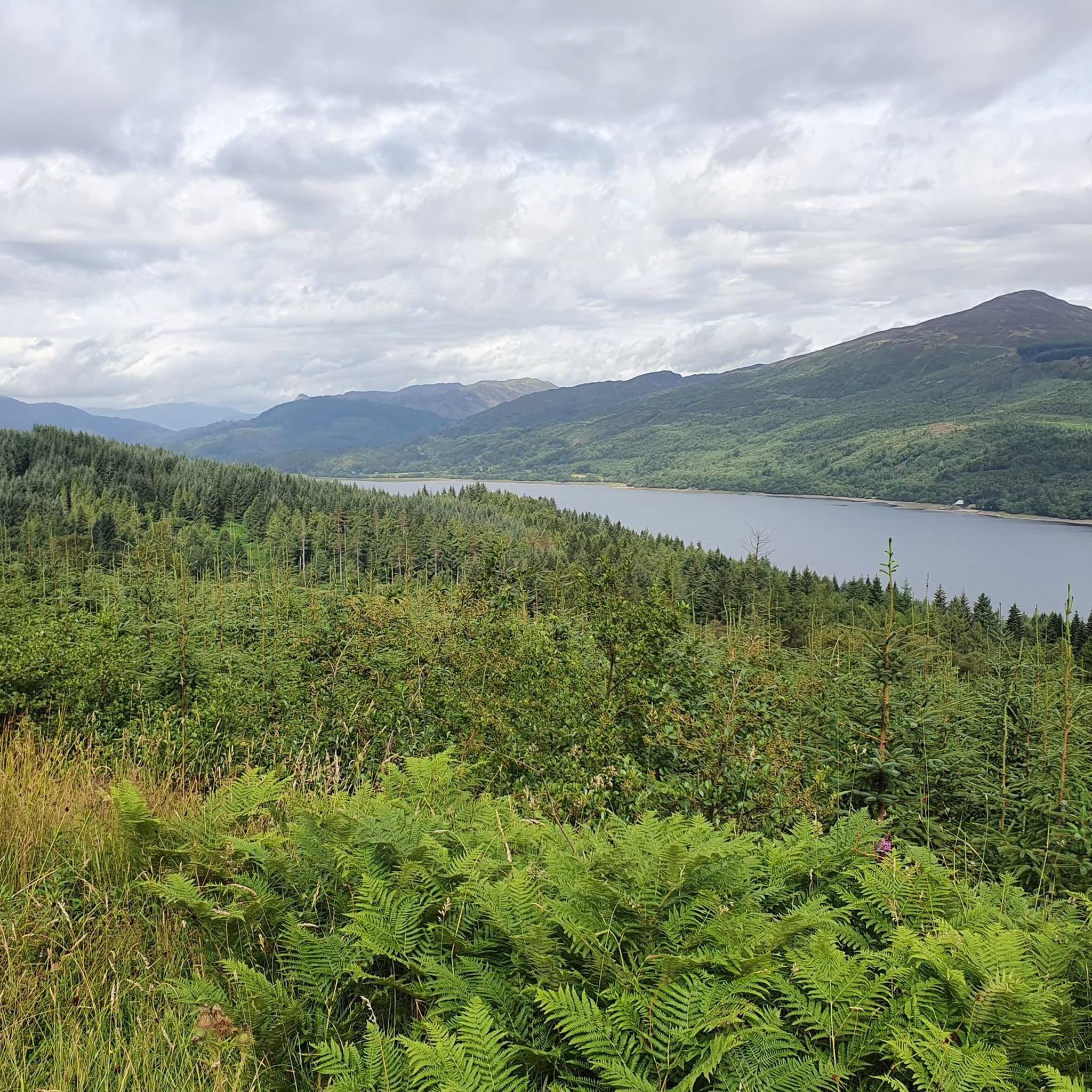
This is a great road to start exploring the rich variety of cycling routes around Loch Lomond and the Trossachs area. The road is very quiet and rarely sees cars, so you can just relax and enjoy the scenery of this stunning national park.
0
0


The Clachan Inn has been serving guests since 1734 and is probably Scotland's first pub to receive an official liquor license.
3
0

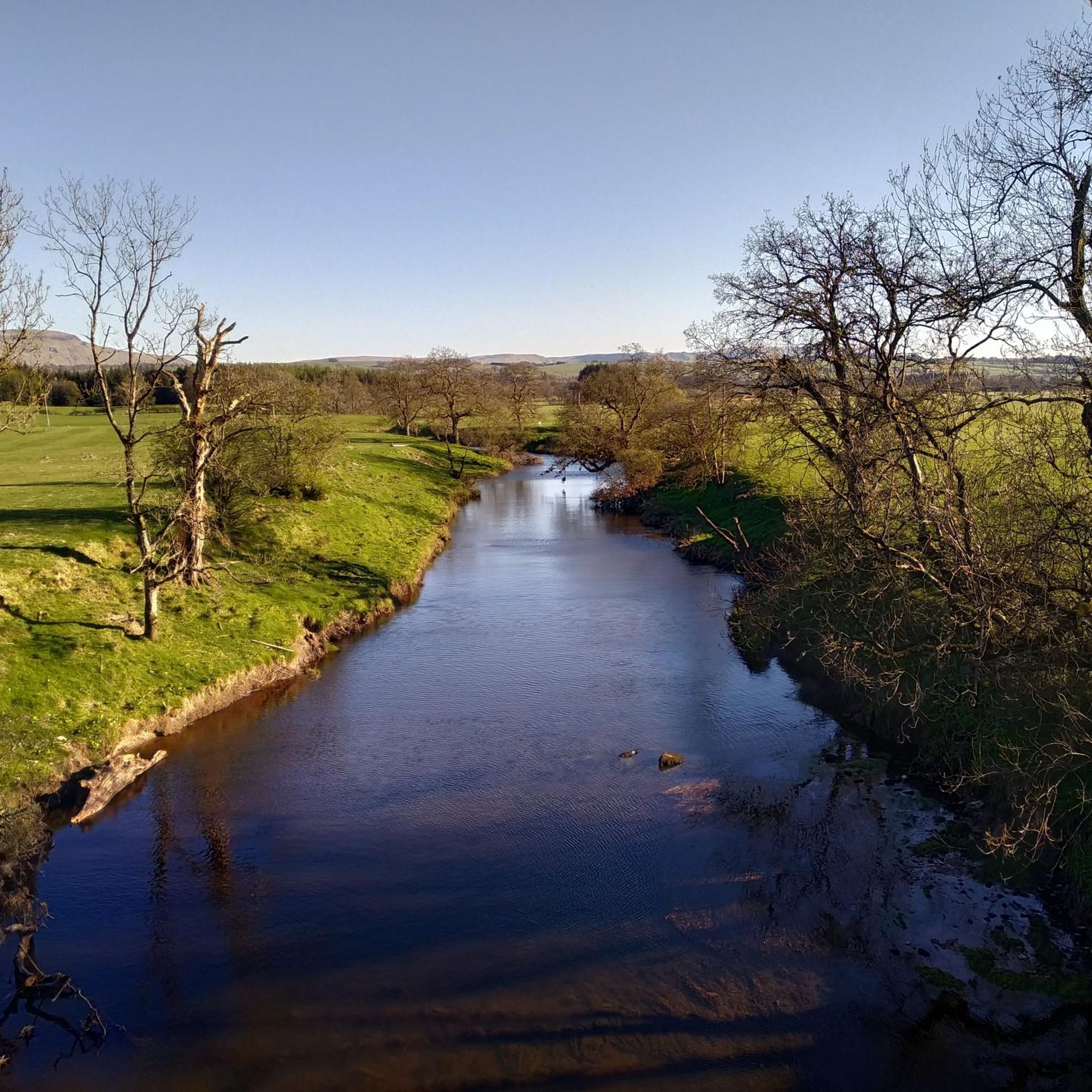
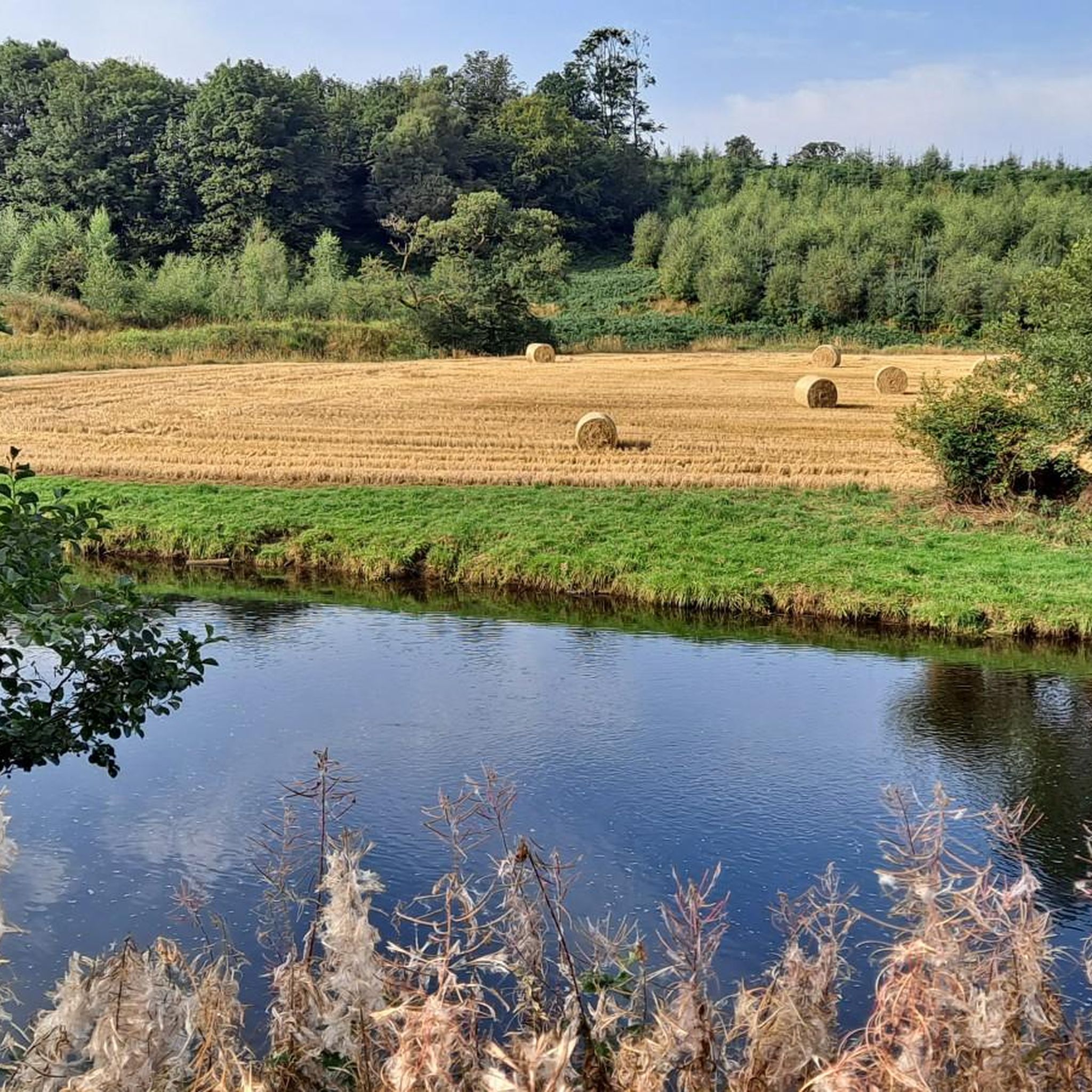
Historically part of Perthshire, the village is in the civil parish of Kincardine and the church parish of Norrieston (separated ecclesisistically from Kincardine in 1877), named from the much earlier village of Norrieston, which lay a little to the east of Thornhill. It is situated on a slight elevation at the western edge of the Carse of Stirling, an area of flat agricultural land which forms the upper part of the floodplain of the River Forth. Much of the land within the Carse was bogland until the late 18th century when concerted efforts were made to clear away the peat and expose the fertile clay soil below. Flanders Moss, the largest remaining area of lowland bog in Scotland and a site of special scientific interest, lies to the south west.
0
0
Lake of Menteith, also known as Loch Inchmahome. Inchmahome Priory is situated on Inchmahome, the largest of three islands in the centre of the Lake of Menteith. The priory was founded in 1238 by the Earl of Menteith, Walter Comyn, for a small group of members of the Augustinian order (the Black Canons). The Comyn family were one of the most powerful in Scotland at the time, and had an imposing country house on Inch Talla, one of the other islands on the Lake of Menteith. There is some evidence that there had been a church on the island before the priory was established. The priory received many notable guests throughout its history. King Robert the Bruce visited three times: in 1306, 1308 and 1310. His visits were likely politically motivated, as the first prior had sworn allegiance to Edward I, the English king. In 1358, the future King Robert II stayed at the priory. In 1547, the priory served as a refuge for Queen Mary, aged four, hidden there for a few weeks following the disastrous defeat of the Scots army at the Battle of Pinkie Cleugh during the Rough Wooing.
0
0

Great place for coffee and lunch. Cyclist friendly with racks to put bikes on outside.
0
0
Great Coffee stop with great views
0
0
Boasting the impressive title of being Scotland's first licensed pub, The Clachan Inn, nestled in the idyllic village of Drymen, has proudly served patrons since its establishment in 1734.
1
0
Frequently Asked Questions
How many road cycling routes are available around Flanders Moss National Nature Reserve?
There are over 50 road cycling routes available around Flanders Moss National Nature Reserve, offering a variety of options for different skill levels and preferences.
Are there easy road cycling routes suitable for beginners in the Flanders Moss area?
Yes, the region offers a good selection of easy routes. You can find over 20 easy road cycling routes. An example is the Thornhill Main Street – Padlocked Gate loop from Rhynaclach, which is just under 12 miles (19 km) long with moderate elevation gain.
What kind of long-distance road cycling routes can I find near Flanders Moss?
For those looking for longer rides, the area provides several options. The Old Drymen Road – Old Drymen Road loop from Flanders Moss National Nature Reserve is a popular choice, covering 40.7 miles (65.5 km) with over 2,230 feet (680 meters) of elevation gain. Another substantial route is the Lake of Menteith – Woodhouse Deli & Cafe loop from Kippen, which is 37.4 miles (60.1 km) long.
Are there challenging road cycling routes around Flanders Moss National Nature Reserve?
Yes, for experienced cyclists seeking a challenge, there are 6 difficult road cycling routes in the area. These routes typically feature more significant elevation gains and longer distances, providing a demanding ride through the varied terrain.
Can I find circular road cycling routes in the Flanders Moss region?
Many of the routes around Flanders Moss National Nature Reserve are designed as loops, allowing you to start and finish at the same point. For instance, the Lake of Menteith – Lake of Menteith loop from Kippen offers a 27.2-mile (43.8 km) circular ride with over 1,460 feet (446 meters) of ascent.
What is the best season for road cycling around Flanders Moss?
The best season for road cycling around Flanders Moss is generally from spring through autumn (April to October). During these months, the weather is typically milder, and the roads are usually in good condition. Summer offers the longest daylight hours, while spring and autumn provide pleasant temperatures and often beautiful scenery.
What do other road cyclists enjoy most about the routes in Flanders Moss National Nature Reserve?
The komoot community highly rates road cycling in this area, with an average score of 4.6 stars from over 40 reviews. Cyclists often praise the open countryside, gentle rolling hills, and the quiet rural roads that define the region's cycling experience. The mix of flat sections and gradual ascents is also frequently highlighted.
Are there any cafes or places to stop for refreshments along the road cycling routes?
Yes, several routes pass by or near villages and towns where you can find cafes and delis. For example, the Woodhouse Deli & Cafe – Thornhill Main Street loop from Kippen explicitly mentions the Woodhouse Deli & Cafe, indicating opportunities for refreshments along your ride.
What kind of wildlife can I expect to see while road cycling near Flanders Moss?
Flanders Moss National Nature Reserve is a significant peat bog and a haven for wildlife. While cycling on the surrounding roads, you might spot various bird species, including raptors like hen harriers and ospreys, as well as deer and other small mammals in the agricultural lands and woodlands adjacent to the reserve. The open nature of the landscape often provides good visibility for wildlife spotting.
What are the typical road conditions like for cycling around Flanders Moss?
The road cycling routes around Flanders Moss primarily utilize rural roads that are generally well-maintained. The landscape features open countryside, so roads are often exposed to the elements. While mostly smooth, some quieter country lanes may have varying surfaces. It's always advisable to check local weather conditions before heading out.
Is Flanders Moss National Nature Reserve suitable for family-friendly road cycling?
While the main routes can be moderate, there are easier sections and quieter roads that families might enjoy. It's best to choose shorter, flatter routes with less traffic. Look for routes designated as 'easy' in the komoot guide, which are more likely to be suitable for a family outing.
Most popular routes around Flanders Moss National Nature Reserve

Get inspired with the komoot mobile app


Explore more
Browse the best Road cycling routes in other regions.
