The best road cycling routes around Petrer
4.3
(89)
7,822
riders
10
rides
Road cycling routes around Petrer offer a diverse landscape for cyclists, situated in the province of Alicante, Spain. The region is characterized by the Sierra del Cid mountains, providing challenging climbs and varied terrain, alongside the Vinalopó Valley. Cyclists can navigate a mix of hills and valleys, transitioning between arid zones and areas with richer vegetation. This Mediterranean environment presents a network of roads suitable for different fitness levels.
Best road cycling routes around Petrer
- The most popular road cycling route is Colonia de Santa Eulalia – Sax Fortress loop from Petrer, a 25.4 miles (40.8 km) trail that takes 1 hour 56 minutes to complete. This route offers views of the historic Sax Fortress.
- Another top favourite among local road cyclists is Sport Makes You Feel Alive loop from Petrer, a moderate 24.4 miles (39.3 km) path. It traverses varied terrain typical of the Mediterranean landscape.
- Local road cyclists also love the View of Castalla Castle loop from Barrio San José, a 21.9 miles (35.2 km) trail leading through the hills surrounding Castalla Castle, often completed in about 1 hour 55 minutes.
- Road cycling around Petrer is defined by the Sierra del Cid mountains, the Vinalopó Valley, and varied Mediterranean terrain. The network offers options for easy and moderate ability levels.
- The routes in Petrer are highly rated by the komoot community with an average score of 4.3 stars from over 50 reviews. More than 6,000 road cyclists have used komoot to explore Petrer's varied terrain.
Last updated: October 28, 2026
5.0
(1)
86
riders
40.8km
01:56
420m
420m
Moderate road ride. Good fitness required. Mostly well-paved surfaces and easy to ride.
66
riders
34.8km
02:00
690m
690m
Moderate road ride. Good fitness required. Mostly well-paved surfaces and easy to ride.

44
riders
46.2km
02:14
500m
500m
Moderate road ride. Good fitness required. Some segments of this route may be unpaved and difficult to ride.
4.0
(1)
46
riders
42.7km
02:27
490m
490m
Moderate road ride. Good fitness required. Some segments of this route may be unpaved and difficult to ride.
33
riders
29.7km
01:23
300m
300m
Easy road ride. Mostly well-paved surfaces and easy to ride.
Get access to more routes and recommendations from other explorers.
Already have an account?
Our route recommendations are based on thousands of hikes, rides, and runs completed by other people on komoot.
Start today with a free account
Your next adventure awaits.
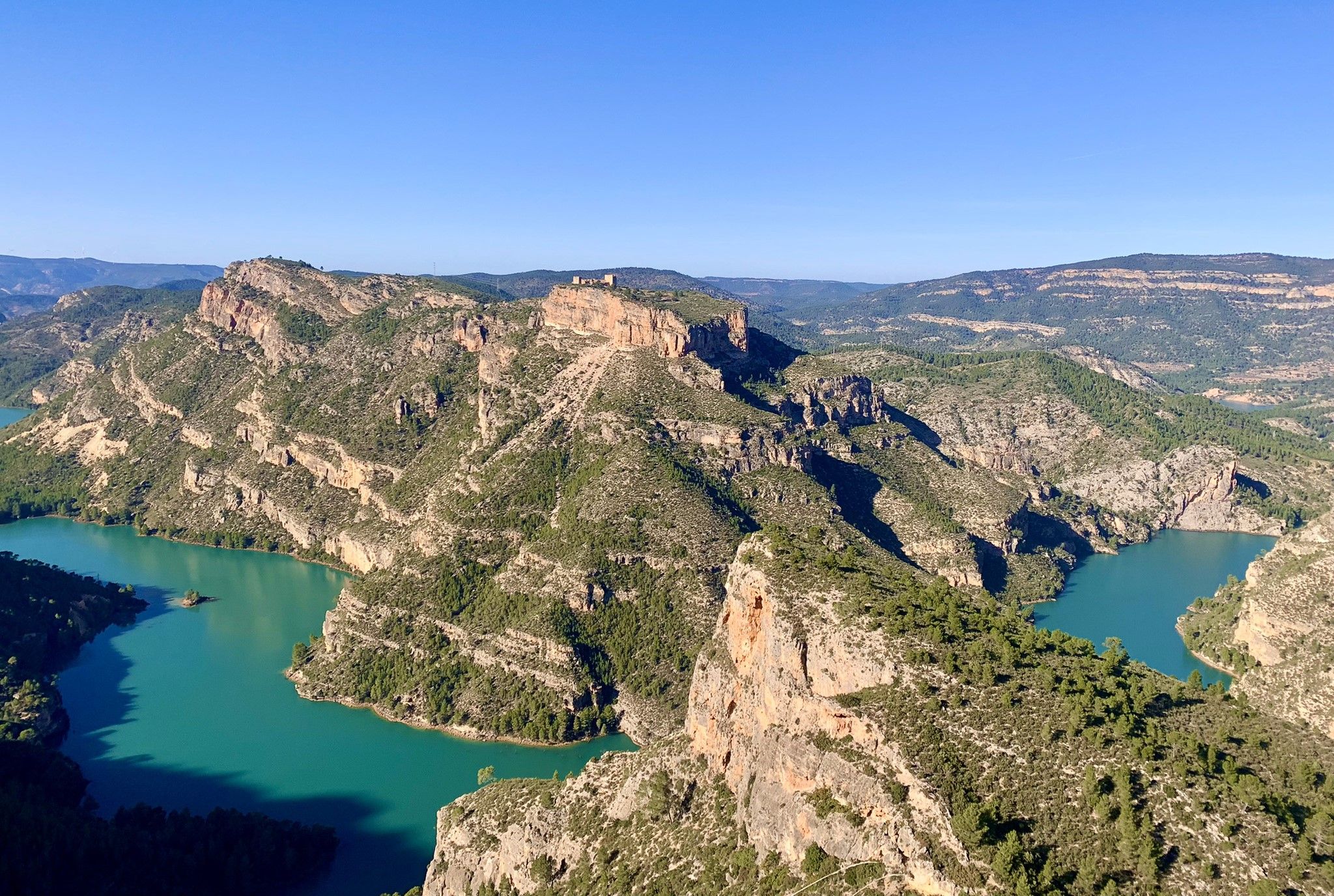
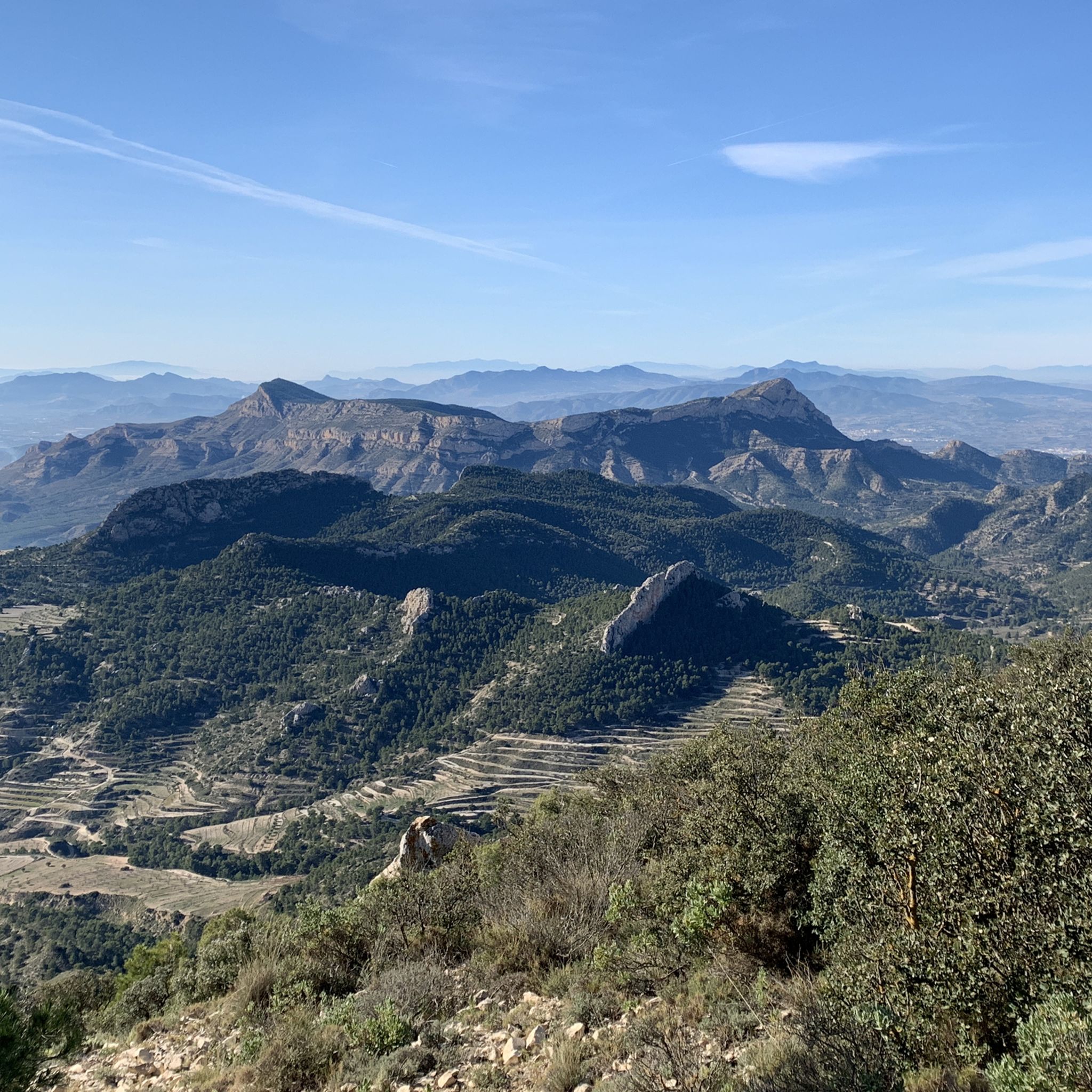
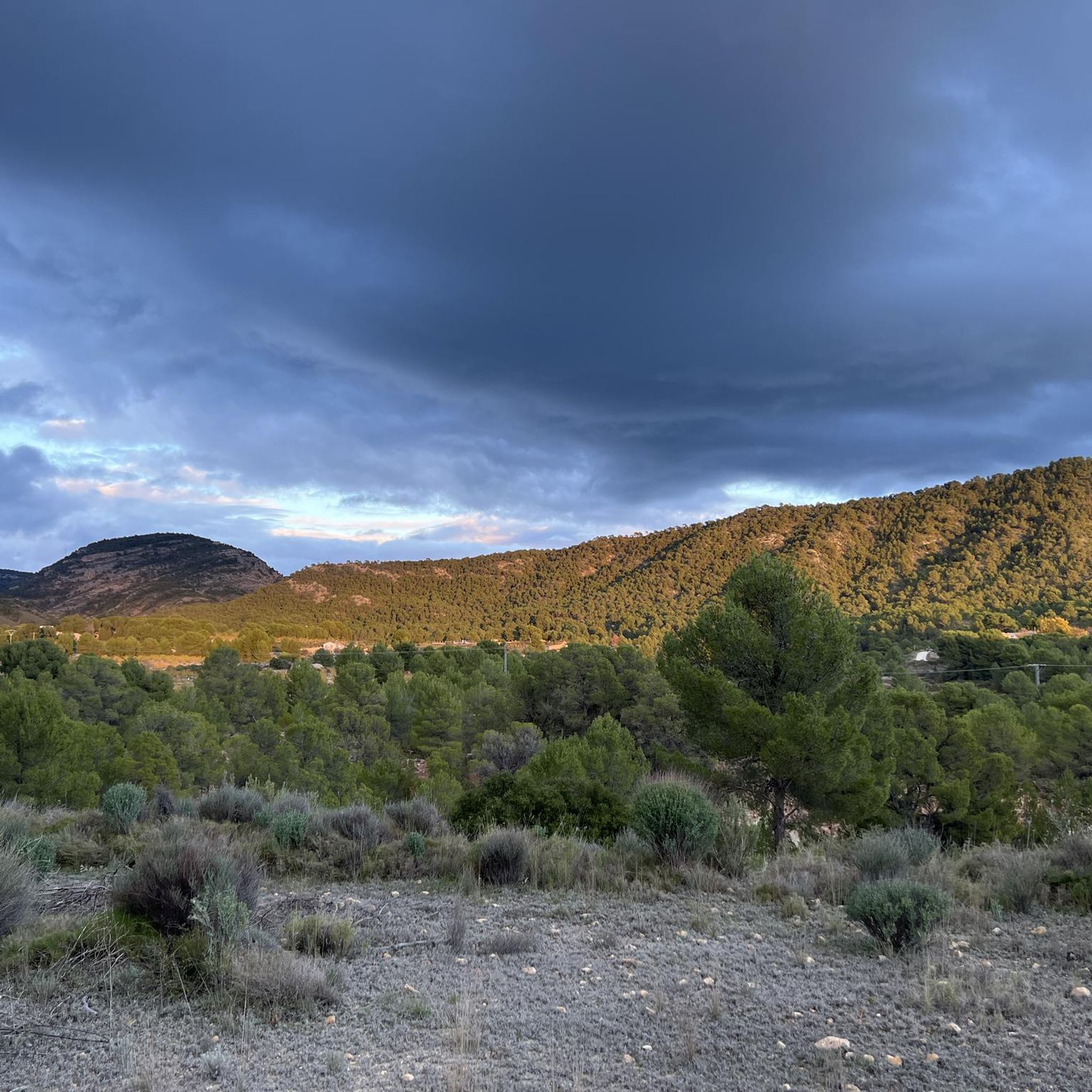
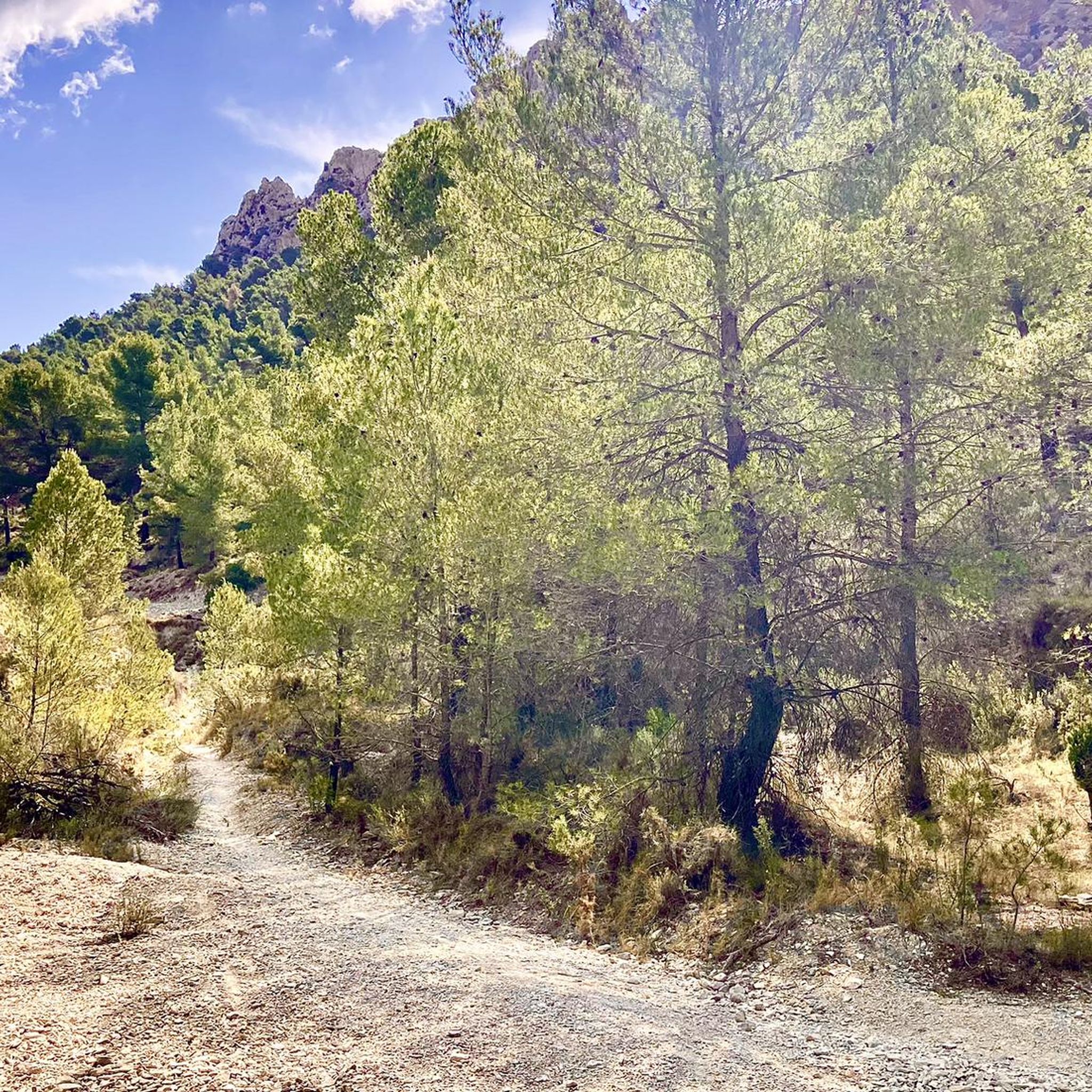
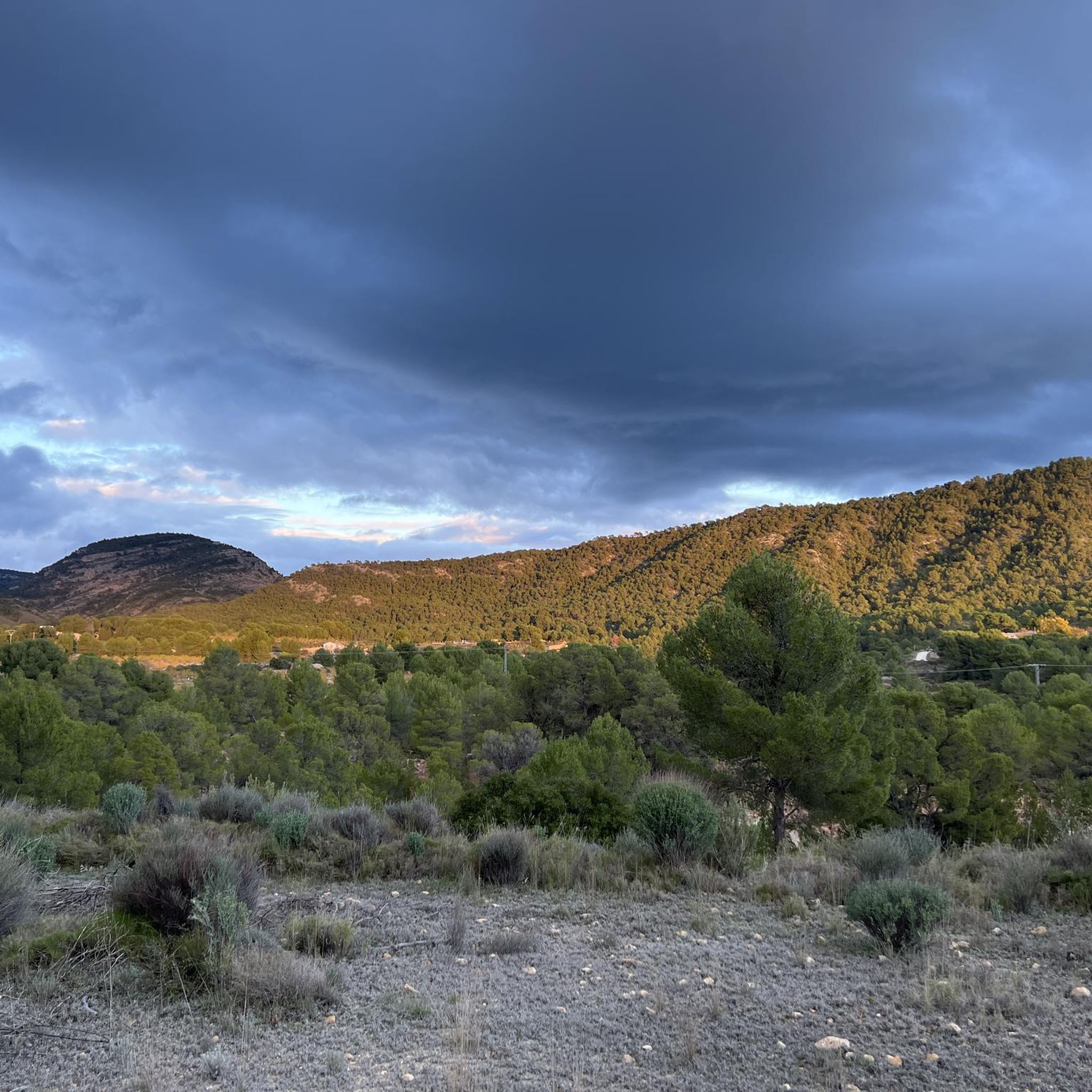

Other adventures around Petrer

Tips from the Community

The Church (Hermitage) of Santa Eulalia, located in the Santa Eulalia Colony, between Sax and Villena (Alicante, Alto Vinalopó). It forms part of an agricultural colony built in the late 19th century, declared a Site of Cultural Interest (ethnological) in 2016. It is situated in an area between Sax and Villena, near the Acequia del Rey irrigation canal and the Vinalopó River. The hermitage is located in one of the colony's two main squares, surrounded by houses, factories (flour and alcohol), a theater, a casino, and a train station. The current hermitage was built in 1891, on the site of an earlier medieval one, commissioned by the Count of Alcudia (Antonio de Padúa Saavedra). It is a simple rectangular building with a double-arched bell gable built around 1900; each arch housed bells on its lower level.
3
0

The Ermita de San Blas in Sax is a small, historic chapel located in the heart of the old town, directly below the castle. It was probably built in the 13th or 14th century and is one of the typical "Ermitas de Reconquista" (reconquest hermitages) built after the Christian reconquest. The building has a simple rectangular floor plan with a later addition of a semicircular chancel and a baroque bell tower above the entrance. The statue of Saint Blas, the patron saint of the town, is venerated inside. The chapel continues to play a central role in the religious and cultural life of Sax. Of particular importance is the annual "Cabildo de San Blas" on December 26th, a traditional gathering that marks the beginning of the patron saint's festivities. In addition, masses are regularly held in honor of the saint. With its historic architecture and picturesque location below the castle, the Ermita de San Blas is an important symbol of Sax's identity and a worthwhile destination for visitors interested in culture.
1
0

As a curiosity, it should be said that this is where the Valencian public television series "L'Alqueria Blanca" was recorded. https://www.elmundo.es/comunidad-valenciana/alicante/2019/02/25/5c70046a21efa0b72a8b4613.html
3
0
Imposing hilltop castle from the 12th century on a steep cliff. The oldest part of the castle is the eastern tower, built on the steep slope of the cliff, made of tapia masonry. It dates from the Almohad period, i.e. the end of the 12th to the beginning of the 13th century. The second tower of the complex probably dates from the first decades of the 14th century. Originally a Moorish foundation, after the Reconquista the castle was located in the border area between the Kingdom of Murcia, claimed by Castile, and the Kingdom of Valencia, conquered by Aragon. A chain of castles was built in this area, mainly along the Vinalopó river. Around 1240 the castle was taken from the Muslims under Aragonese leadership and with the help of the Templars and the Order of St. John. Under the name "El Cid", Spain's knight Rodrigo Diaz de Vivar became the symbol of the Reconquista. The Castilian nobleman fought against Moorish rulers and Christian competitors in the 11th century. He never lost a single battle, the Moors respectfully called him Alsayyed (Lord of the Leaders), which later became “EL Cid”. The Spaniards, however, always spoke of “El Compeador”. CidCT: Camino del Cid Ciclotourista - Route of the castles in the historically contested border region between the Moors and the kingdoms of Castile, Valencia and Aragon.
4
0
The oldest part of the castle is the eastern tower, built of tapia masonry on the steep slope of the cliff. It dates from the Almohad period, i.e., the late 12th to early 13th century. The second tower of the complex probably dates from the first decades of the 14th century. Originally a Moorish foundation, after the Reconquista the castle was located in the border area between the Kingdom of Murcia, claimed by Castile, and the Kingdom of Valencia, conquered by Aragon. A chain of castles was built in this area, mainly along the Vinalopó River. Around 1240, the castle was wrested from the Muslims under Aragonese leadership and with the help of the Templars and the Order of St. John. Located on the CidCT route: Camino del Cid Cyclotourista - Route of Castles in the Historically Contested Border Region between the Moors and the Kingdoms of Castile, Valencia, and Aragon. Camino del Cid - Under the name "El Cid," Spain's knight Rodrigo Diaz de Vivar became a symbol of the Reconquista. The Castilian nobleman fought against Moorish rulers and Christian rivals in the 11th century. He never lost a single battle; the Moors respectfully called him Alsayyed (Lord of the Leaders), which later became "El Cid." The Spanish, however, always referred to him as "El Compeador" (The Warrior).
5
0

Petrer Castle is a fortification of Muslim origin built in the 12th century on top of the old part of the city. Its silhouette, visible from afar, is very picturesque due to its large square crenellated tower.
1
0

Monóvar (or in Valencian, Monòver), is a city in Medio Vinalopó, in Alicante. It has more than 12,000 inhabitants and its economy is based mainly on the production of wine. The artisan shoe and leather goods shops also stand out. It is worth visiting the hermitage of Santa Bárbara, located on a hill in the highest part of Monóvar. From here there is a perfect view of all the mountains that surround Medio Vinalopó.
1
0
Sax Castle dates from the 12th century and is a construction of Arab origin. It stands on the top of a large rock, dominating the town of Sax and the Vinalopó valley.
2
0
Frequently Asked Questions
How many road cycling routes can I explore around Petrer?
You can discover 10 distinct road cycling routes around Petrer, ranging from easy to moderate difficulty, perfect for exploring the diverse landscapes of the Alicante province.
What kind of terrain can I expect on road cycling routes in Petrer?
Petrer's road cycling routes feature varied terrain, transitioning between hills and valleys, and from more arid zones to areas with richer vegetation. The region is characterized by the Sierra del Cid mountains, offering challenging climbs like the Coll del Cid, and the scenic Vinalopó Valley.
Are there any challenging climbs for experienced road cyclists in Petrer?
Yes, experienced road cyclists will find challenging climbs in the Petrer area. The Coll del Cid in the Sierra del Cid mountains is a notable ascent with an irregular gradient. For an even greater challenge, the nearby Xorret de Catí is also a well-known, tough climb that can be incorporated into longer circuits.
What natural attractions can I see while road cycling near Petrer?
While cycling, you can enjoy the stunning vistas of the Sierra del Cid mountains and the varied landscapes of the Vinalopó Valley. Keep an eye out for natural features like the Waterfall in the Barranco de la Encantada, which adds to the region's natural beauty.
Are there any historical landmarks or castles along the road cycling routes?
Absolutely. Many routes offer views of historic landmarks. For instance, the Colonia de Santa Eulalia – Sax Fortress loop from Petrer provides views of the historic Castle of Sax. Another route, the View of Castalla Castle loop from Barrio San José, leads through hills surrounding Castalla Castle. You might also spot the iconic Petrer Castle overlooking the town.
What do other road cyclists say about the routes in Petrer?
The road cycling routes in Petrer are highly regarded by the komoot community, boasting an average rating of 4.3 stars from over 50 reviews. More than 6,000 road cyclists have used komoot to explore Petrer's varied terrain, often praising the scenic views and diverse challenges.
Are there any easy or family-friendly road cycling routes in Petrer?
Yes, Petrer offers routes suitable for easier rides. Out of the 10 available routes, 3 are classified as easy, making them a good option for those seeking a less strenuous experience or for families with older children comfortable on roads. The varied Mediterranean terrain ensures pleasant scenery even on gentler paths.
What is the best time of year for road cycling in Petrer?
Thanks to its Mediterranean climate, Petrer is suitable for road cycling year-round. Spring and autumn offer particularly pleasant temperatures, while even winter provides mild conditions. Summers can be warm, so early morning or late afternoon rides are recommended during peak heat.
Are there any circular road cycling routes available?
Yes, many of the road cycling routes around Petrer are designed as loops, allowing you to start and finish in the same location. Examples include the Sport Makes You Feel Alive loop from Petrer and the San Blas Hermitage loop from l'Almafrà, providing convenient options for your ride.
Can I find routes that pass by the Petrer Castle?
Yes, the historic Petrer Castle is a prominent landmark in the area. The Sport Makes You Feel Alive – Castillo de Petrer loop from Petrer is one such route that incorporates views of this significant historical site, offering a blend of cycling and cultural exploration.
Are there any specific routes that offer less traffic for a more peaceful ride?
The region around Petrer, particularly the roads leading to and around the Coll del Cid in the Sierra del Cid mountains, is known for very light traffic. This allows for a more peaceful and enjoyable cycling experience away from busier main roads.
Most popular attractions around Petrer

Get inspired with the komoot mobile app


Explore more
Browse the best Road cycling routes in other regions.
