Top 14 Mountain Passes around Orbara
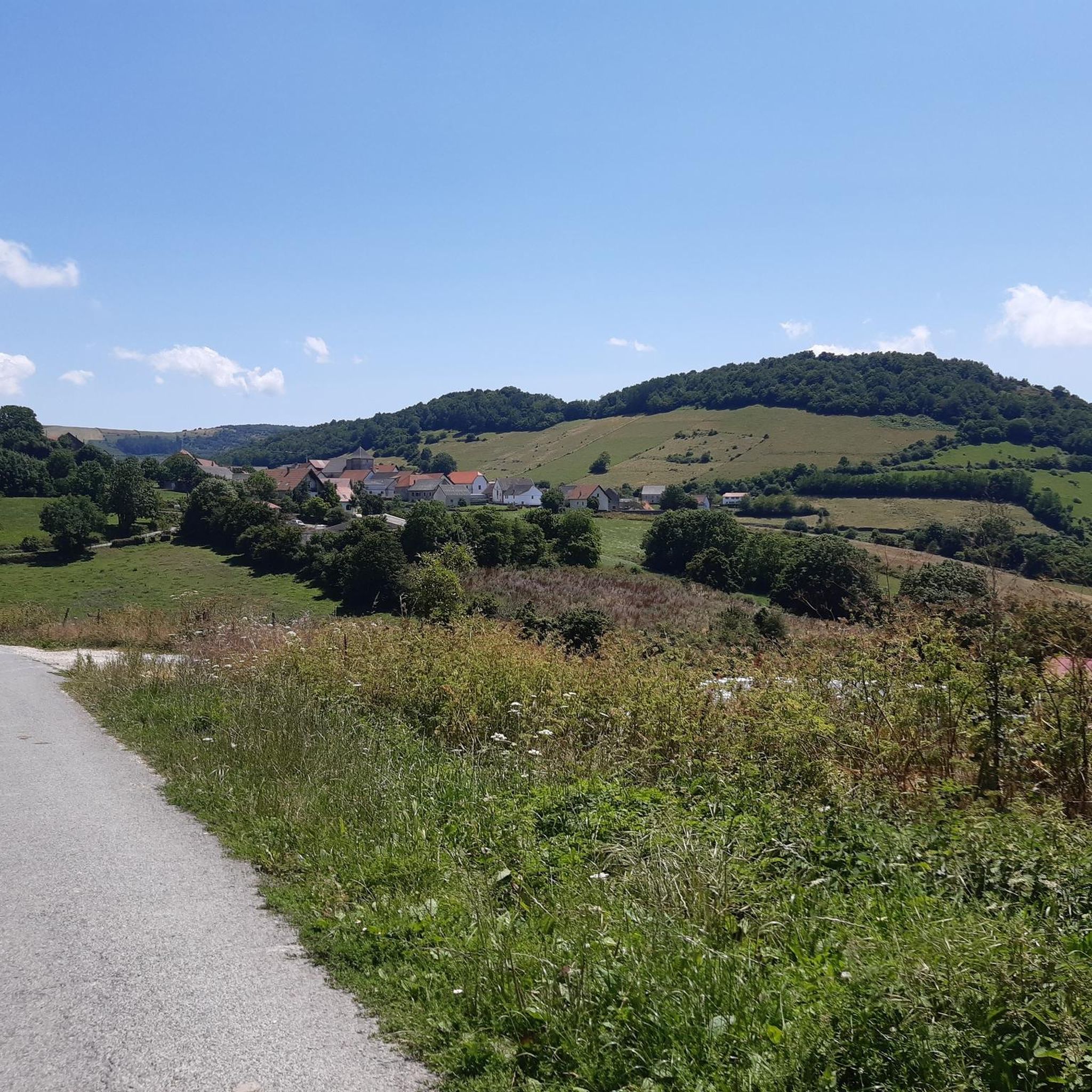
Best mountain passes around Orbara are situated in the Pyrenees, a region characterized by its natural landscapes and historical significance. This area, particularly near Orreaga/Roncesvalles, features several notable mountain crossings. The terrain offers a variety of routes for outdoor activities. These passes provide access to diverse environments for exploration.
Best mountain passes around Orbara
- The most popular mountain passes is Ibañeta Pass, a mountain pass that marks the end of a steep ascent from Saint-Jean-Pied-de-Port on the Camino Francés.…
Last updated: August 19, 2026
Ibañeta Pass and the Roland Monument
Highlight • Mountain Pass
Translated by Google •
Tip by

Ibañeta Pass
Highlight • Mountain Pass
Tip by

Sign up now to discover places like this
Get recommendations on the best single tracks, peaks, & plenty of other exciting outdoor places.
Sign up for free
Tapla Pass
Highlight • Mountain Pass
Translated by Google •
Tip by

First climbs in the Camino Francés (Navarra)
Highlight (Segment) • Mountain Pass
Descending quickly and pleasantly down from the Ibañeta Pass towards Auritz-Burguete on the N-135 (beware of possible traffic), you have the illusion that …
Tip by
Col d'Arnosteguy
Highlight • Mountain Pass
The landscape is wild and wonderful. You can breathe …
Translated by Google •
Tip by

Sign up for free to discover even more mountain passes around Orbara.
Sign up for free
Already have an account?
Start today with a free account
Your next adventure awaits.
Login or Signup

Tips from the Community

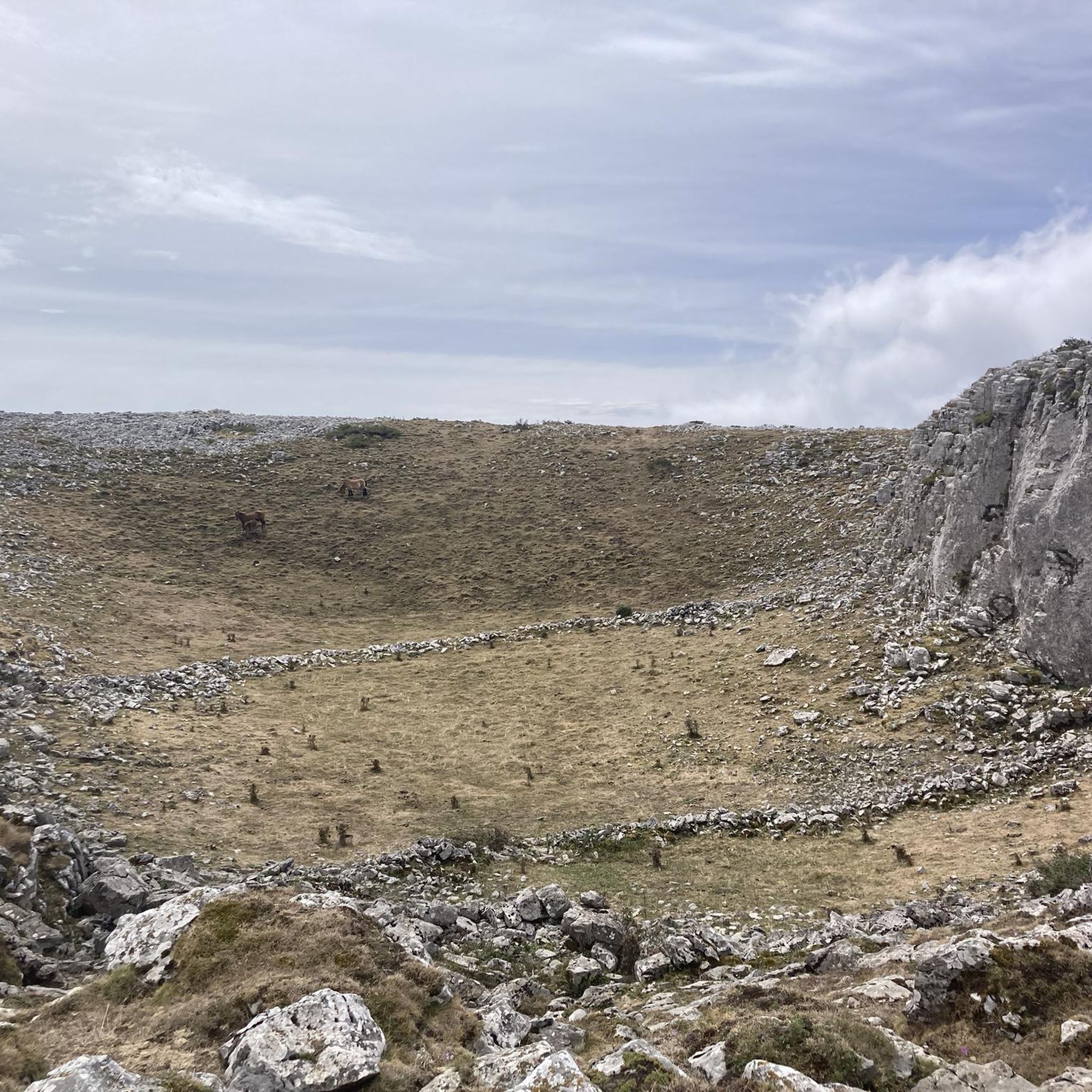
One of the most inhospitable and spectacular mountain passes in the eastern Pyrenees, with several slopes, all of them very difficult. The landscape is wild and wonderful. You can breathe absolute tranquility and you can dedicate yourself exclusively to enjoying the views, the horses, the sheep, the cows and the suffering on the bike. The summit is on the border with Spain, although there is no road that crosses the border, so the pass runs entirely in France. I have climbed it on 2 of its slopes. The first time I climbed it on the slope that crosses the Col d'Orgambide, on the D428 road, which starts from Estérençuby. The first 3 km are very easy, until you cross the detour to go up to Artaburu, where the road begins to have slopes of more than 10%. From there, to the summit, the climb is very hard, around 9%, on a very rough and bumpy road, with a lot of humidity and crossing a wonderful beech forest. Once you reach the top of the Col d'Orgambide, you turn right and continue climbing for another half kilometre with a gradient of 11%. There comes a small descent, to face the last 3 kms, the first 2 very hard with several 13% gradients. The last kilometre is very easy and has panoramic views that are simply wonderful. The second time I climbed it on the side that starts from Arneguy and Ondarolle. This side is harder than the previous one, with a central section that is hellish, being 6 kms at an average of 10%, and a very hard km at 12% and 18% gradients!!! The final part is more gentle. You cross the Croix de Thibault in the penultimate kilometre of the climb. The final kilometre is very gentle and with beautiful and exciting panoramic views.
1
0
It is a beautiful border pass between Spain and France, well known for being part of the most traditional route of the Camino de Santiago. Sportingly, the climb on both sides is easy, although on the French side it is much longer as it starts at a lower altitude. The Spanish side is just 6 km from Burguete, the last being the most difficult with an average gradient of 7%. On this side you pass the famous and well-known monastery of Roncesvalles. The French side is 18 km from Arnegui and an average gradient of 4%. The hardest part is 5 km from the summit, with one kilometre at 7%. The landscape on this side is of lush vegetation going up a very closed valley that hardly leaves room for views of the surrounding mountains. The road is very twisty. It is a port with very good asphalt and a lot of traffic in general... so, be careful!
1
0

After a long climb, you finally make it to the Ibeneta Pass and can enjoy the view as a reward. Up here, there is a small chapel and a memorial stone to the knight Roland, who is said to have fallen here.
2
0
A great climb up to the pass. Once you reach the top you get a great view. There is a small church at the top and also a monument. There has always been a hospital up here. However, only the foundations of it remain
3
0

Roland, who is commemorated here, died in 778 as part of the rear guard of Charlemagne's Frankish army. He himself was Margrave of Brittany and was the victim of a Basque revenge campaign against the Frankish conquerors who were retreating from a failed Saracen campaign. Those were complicated times, but things were not to become any less complicated in the Basque Country in the centuries that followed. An epic/song was later sung about Roland, which is part of world literature. The monument itself is simple and rough, exposed up here in the wind of the weather, and can therefore have an immediate effect, without pomp and splendor. Great! https://de.wikipedia.org/wiki/Schlacht_von_Roncesvalles
3
0
The views from the top are wonderful. You have to stand quietly to enjoy the beauty, especially on sunny spring and summer days.
0
0
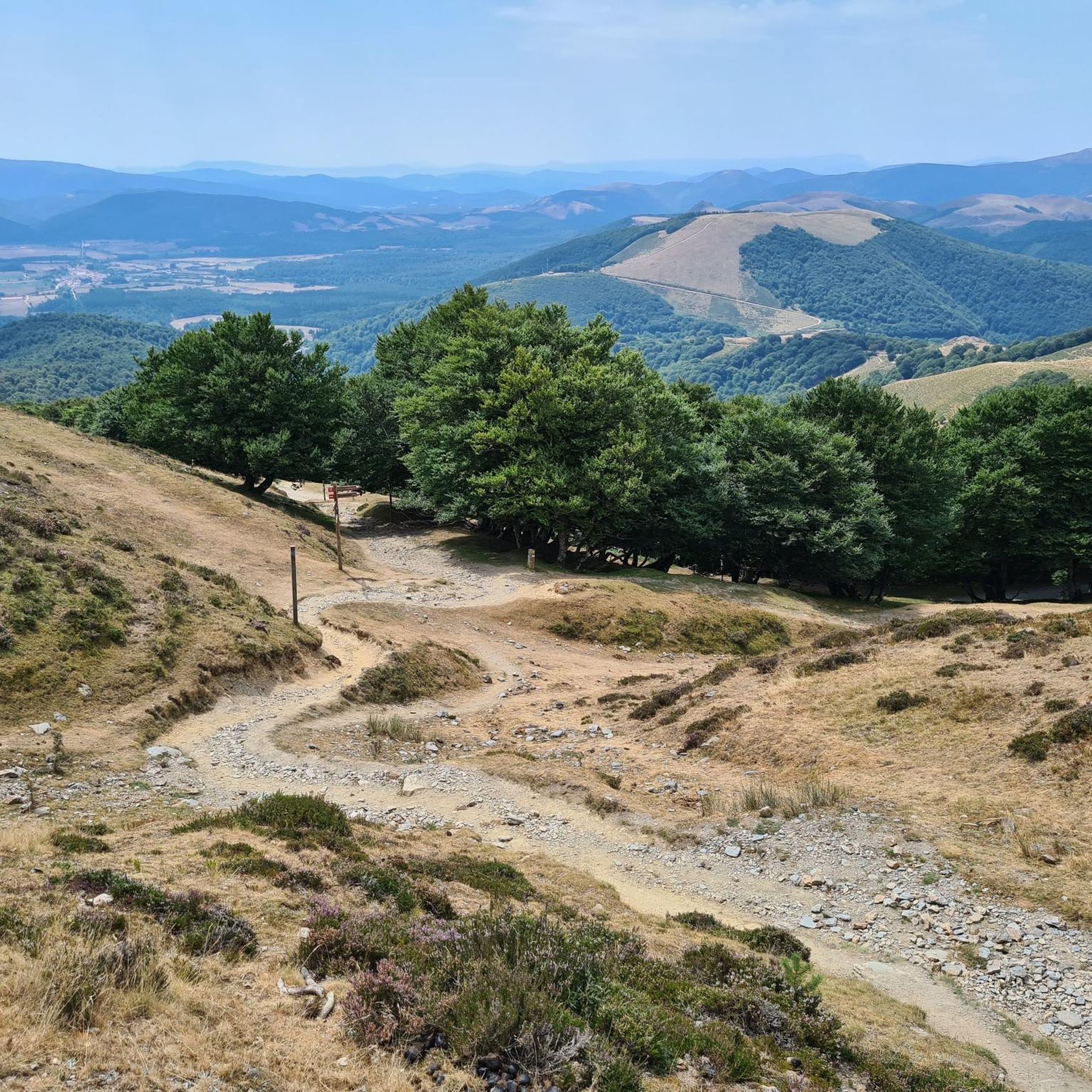
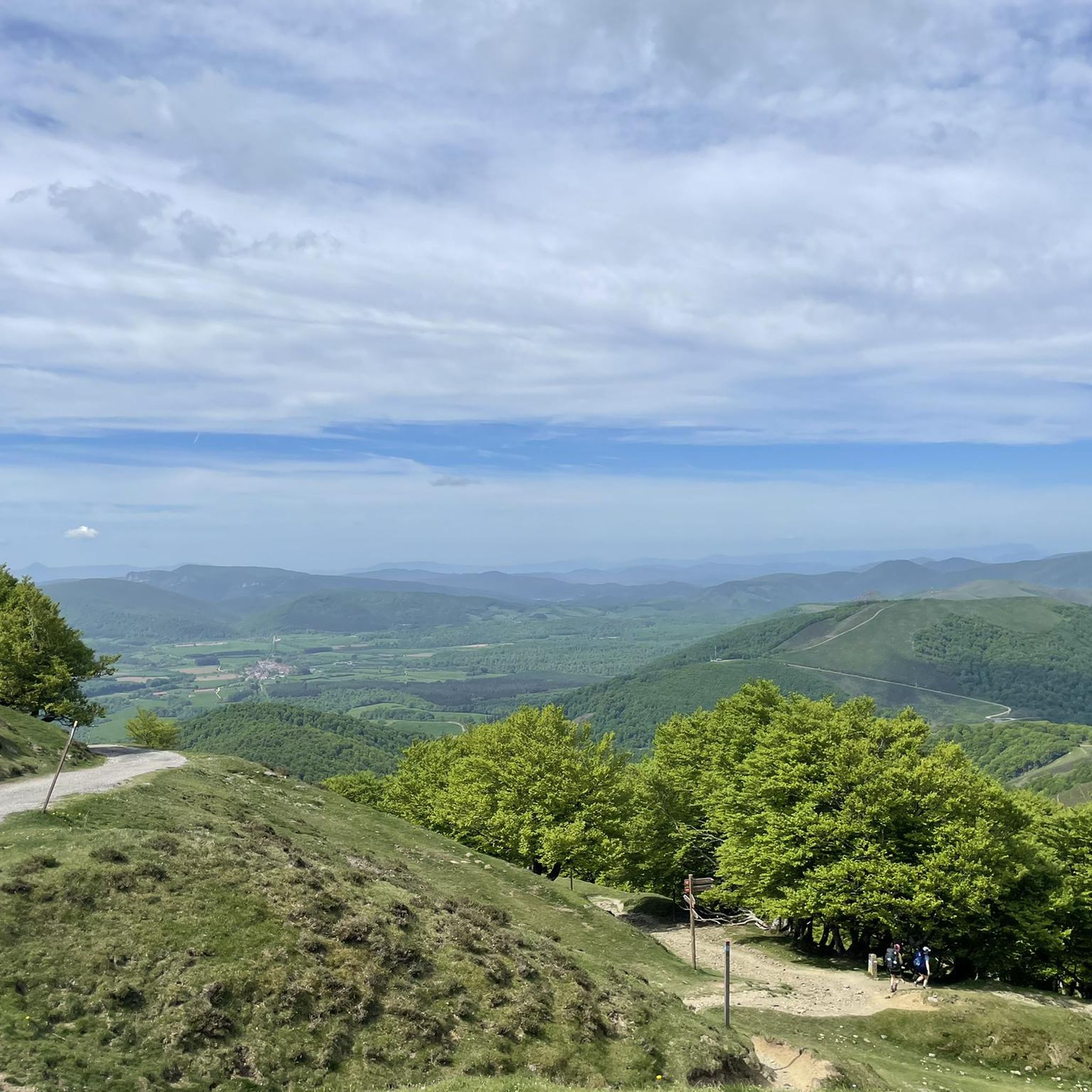
It is a beautiful port of about 8 - 9 km for each of its slopes that connects Ochagavía with the sanctuary of Nuestra Señora de las Nieves in the Irati Jungle, one of the entrances to the forest. It is highly recommended to try both slopes because, although similar in length and hardness, they are very different in terms of landscape. The southern slope of Ochagavía is very open, with views of the valley and the surrounding mountains at all times, crossing mountain meadows. On the other hand, on its northern slope, the climb runs through the Irati Forest surrounded by beech trees. The final part of this slope is clear, although you are inside a very charming gorge. The views from the top are simply wonderful. It is worth stopping carefully, observing the views and taking some photos. It is usually windy, so a windbreaker is essential.
0
0

Before reaching Irati there is this hill with a magnificent viewpoint. If you're lucky you'll see the area's semi-wild horses up close. It is a port with a constant slope, it is long and it is beautiful
1
0
Frequently Asked Questions
What are the most historically significant mountain passes near Orbara?
The Ibañeta Pass and the Roland Monument is highly significant. Standing at 1,057 meters, it marks the end of a steep ascent from Saint-Jean-Pied-de-Port, forming the first leg of the Camino Francés. Historically, an 11th-century monastery stood here, and a small chapel was built on its foundations in the 1960s. The Roland Monument commemorates the Battle of Roncesvalles in 778.
Which mountain passes near Orbara offer the best panoramic views?
Both Ibañeta Pass and the Roland Monument and Tapla Pass are known for their spectacular vistas. Ibañeta Pass offers breathtaking panoramic views, while Tapla Pass, at 1,355 meters above sea level, provides wonderful panoramic views and is considered an access point to the Selva de Irati.
Are there challenging mountain passes for experienced cyclists near Orbara?
Yes, the region offers several challenging climbs. The Col d'Arnosteguy is described as one of the most inhospitable and spectacular mountain passes in the eastern Pyrenees, with very difficult slopes, some reaching 18% gradients. The Sorogain Pass, though not a highlight in the guide, is also known as a demanding climb popular with cyclists, with sections up to 18%.
What outdoor activities can I do near these mountain passes?
The area around Orbara is excellent for various outdoor activities. You can find numerous running trails, including difficult routes like 'Col de Burregieta – circular from Orreaga/Roncesvalles'. For cyclists, there are challenging road cycling routes such as 'Port de Larrau from Aribe' and touring bicycle routes like 'Orbaizeta, Valle Aezkoa, Selva Irati, Bizcarrandi – Circular Route'.
What do visitors appreciate most about the mountain passes around Orbara?
Visitors frequently highlight the stunning natural beauty and the sense of tranquility. The panoramic views from passes like Ibañeta and Tapla are often praised. The historical significance, particularly of Ibañeta Pass as part of the Camino Francés and its connection to the Battle of Roncesvalles, also adds to the appeal. The challenging climbs are a draw for many cyclists.
Are there any mountain passes near Orbara that are part of the Camino Francés?
Yes, Ibañeta Pass is a key point on the Camino Francés. It marks the end of a steep ascent from the French town of Saint-Jean-Pied-de-Port and is considered the first leg of the pilgrimage to Santiago de Compostela.
What are the conditions like for winter hiking on mountain passes near Orbara?
While specific winter conditions can vary, the Pyrenees region can experience significant snow and ice. For the Ibañeta Pass, if conditions are bad, it's advisable to choose the asphalt route for bicycles rather than the bumpy and challenging footpath. Always check local weather and trail conditions before attempting winter hikes.
Can you recommend any less crowded or 'hidden gem' mountain passes near Orbara?
While the guide focuses on popular passes, the Col d'Arnosteguy, though challenging, offers a wild and wonderful landscape where you can breathe absolute tranquility. It's known for its natural beauty, horses, sheep, and cows, providing a more secluded experience away from the busiest routes.
What kind of natural features can I expect to see around the mountain passes?
The mountain passes around Orbara are set within the Pyrenees, offering diverse natural features. You can expect spectacular panoramic views from viewpoints, dense beech forests, and wild landscapes with local wildlife such as horses, sheep, and cows. The Tapla Pass, for instance, is considered an access point to the Selva de Irati, a renowned forest.
Are there any mountain passes near Orbara suitable for intermediate hikers or cyclists?
Yes, several passes are categorized as intermediate. Ibañeta Pass and Tapla Pass are both considered intermediate mountain passes. Additionally, the 'First climbs in the Camino Francés (Navarra)' highlight, which includes Alto de Erro and Alto de Mezkiritz, offers climbs that are not overly long or hard, making them suitable for those with some experience.
What is the best time of year to visit the mountain passes around Orbara?
The best time to visit generally depends on your activity. For hiking and cycling, late spring, summer, and early autumn offer the most favorable weather conditions, with less chance of snow and ice. During these months, you can fully enjoy the panoramic views and outdoor activities. Winter can be challenging due to snow, especially at higher elevations.
Most popular attractions around Orbara

Get inspired with the komoot mobile app


Explore more
See even more epic mountain passes by checking out these guides around Orbara:
