Attractions and Places To See around Castejón De Monegros - Top 20
Attractions and places to see around Castejón De Monegros include a blend of historical sites and unique natural landscapes. Located in the province of Huesca, Aragón, Spain, the area is characterized by its semi-arid, steppe-like environment at the foot of the Sierra de Alcubierre. The region features distinctive geological formations known as "tozales" and historical structures dating back centuries. Visitors can explore ancient aqueducts, hermitages, and ancestral homes alongside rugged desert scenery.
Best attractions and places to see around Castejón…
Last updated: July 7, 2026
Tozal de la Cobeta
Highlight • Natural Monument
On windy days …
Translated by Google •
Tip by

El Pilón (Sierra de Sena Summit)
Highlight • Summit
Translated by Google •
Tip by
Sign up now to discover places like this
Get recommendations on the best single tracks, peaks, & plenty of other exciting outdoor places.
Sign up for free
Refugio Piedrafita
Highlight • Mountain Hut
Translated by Google •
Tip by
Tozales de Monegros
Highlight • Natural Monument
Translated by Google •
Tip by

Ascent of Sierra de Presiñena
Highlight (Segment) • Climb
Translated by Google •
Tip by
Sign up for free to discover even more attractions around Castejón De Monegros.
Sign up for free
Already have an account?
Start today with a free account
Your next adventure awaits.
Login or Signup



Tips from the Community

The erosion of rainwater has created real sculptures such as the pedestal-shaped Tozal de la Cobeta
6
0

It is a small stone shelter typical of the Monegros region, designed to provide shelter for shepherds or hikers in bad weather.
6
0
Cycling or walking here is like crossing the heart of the Monegros landscape: arid terrain, ochre colors, and that solitary atmosphere that makes this region so special. On windy days (like during the Orbea Monegros 2025), this area becomes even more epic: the dust, the air, and the contours of the terrain make you feel like you're on another planet.
7
0
It's a small stone monolith that marks one of the highest points of the route, and although it's not very large, everyone who passes by instantly recognizes it. After kilometers of open slopes and wind (sometimes very strong), reaching the Pilón is like a symbol that you've overcome most of your hard work. Many take the opportunity to make a brief stop, take a quick photo, and catch their breath before continuing.
5
0

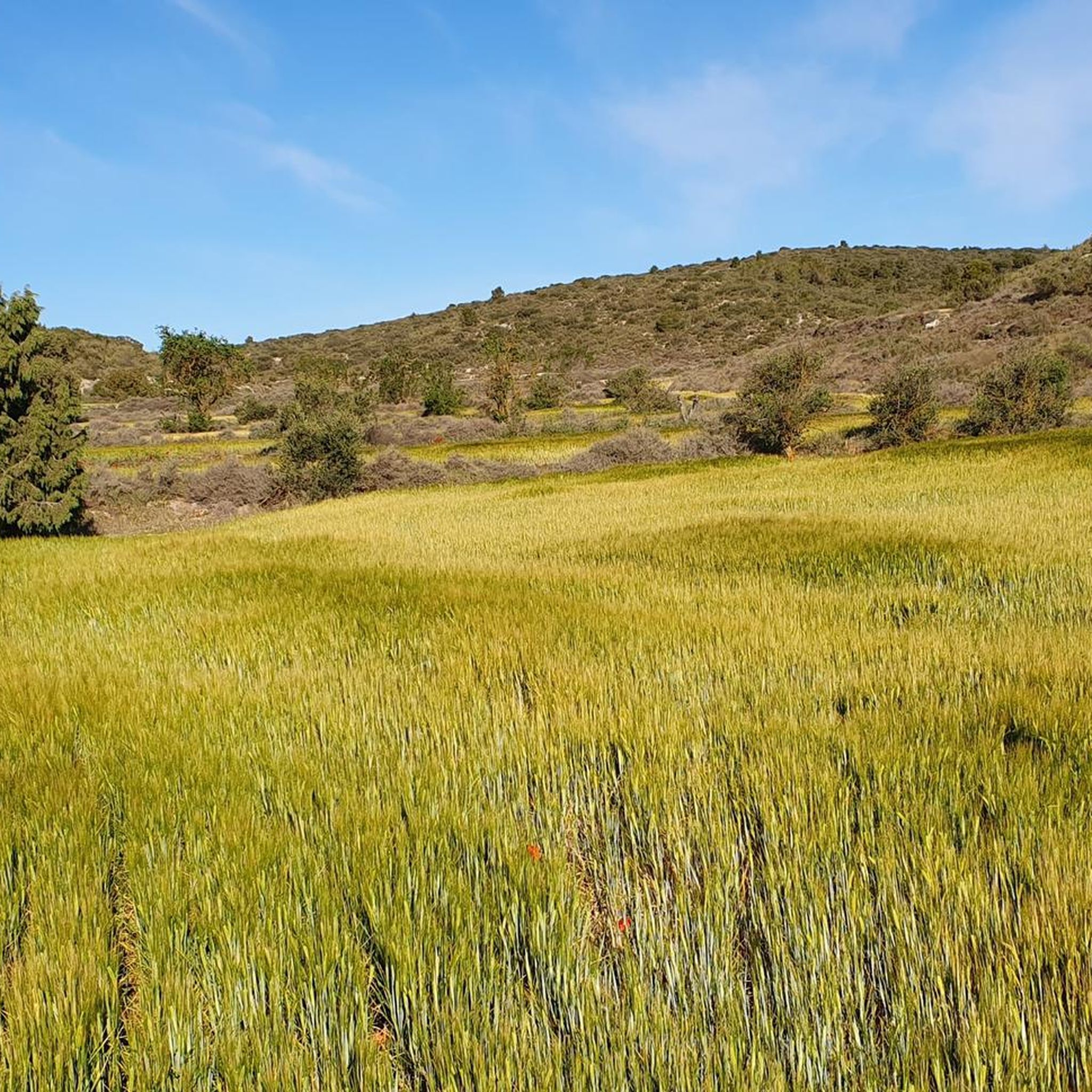
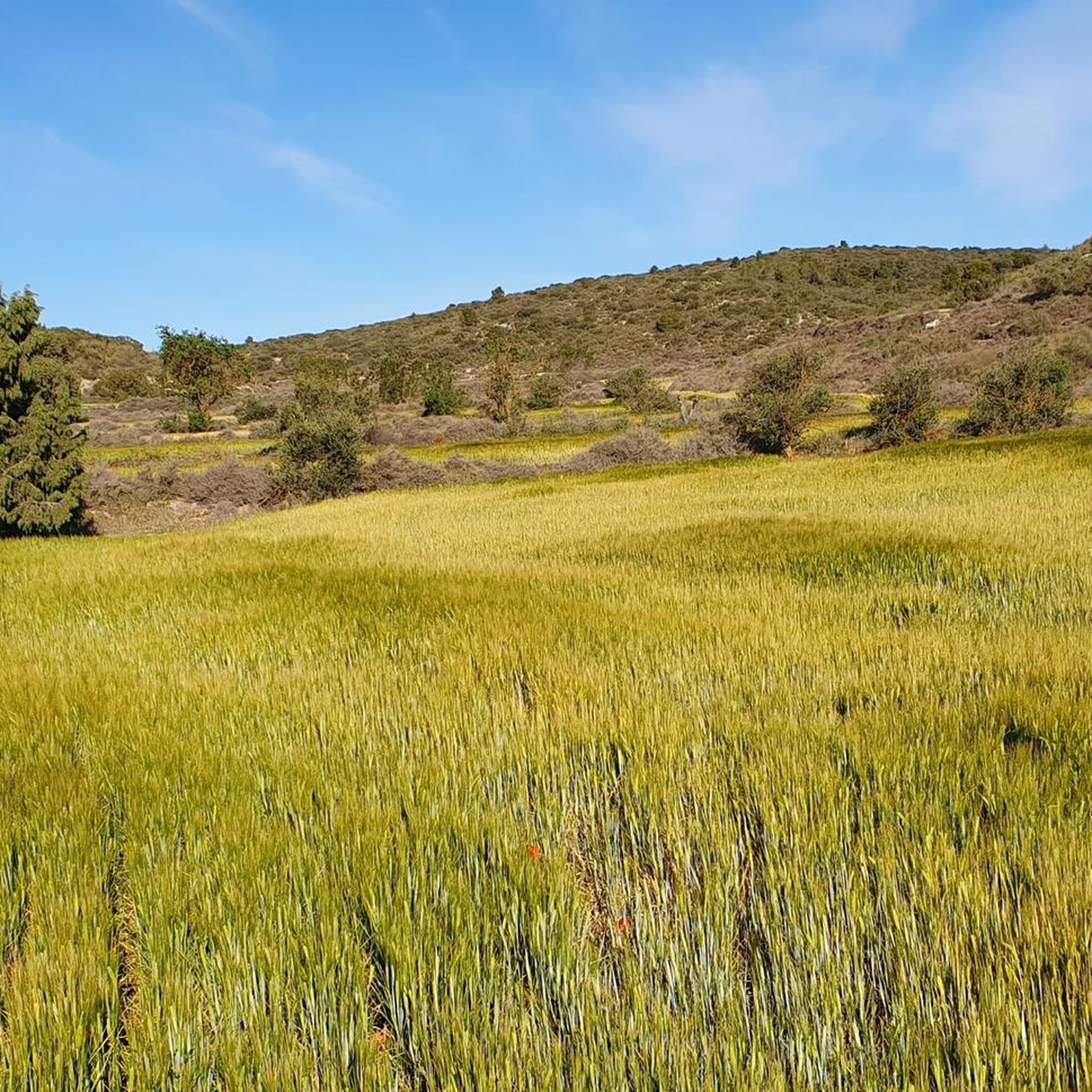
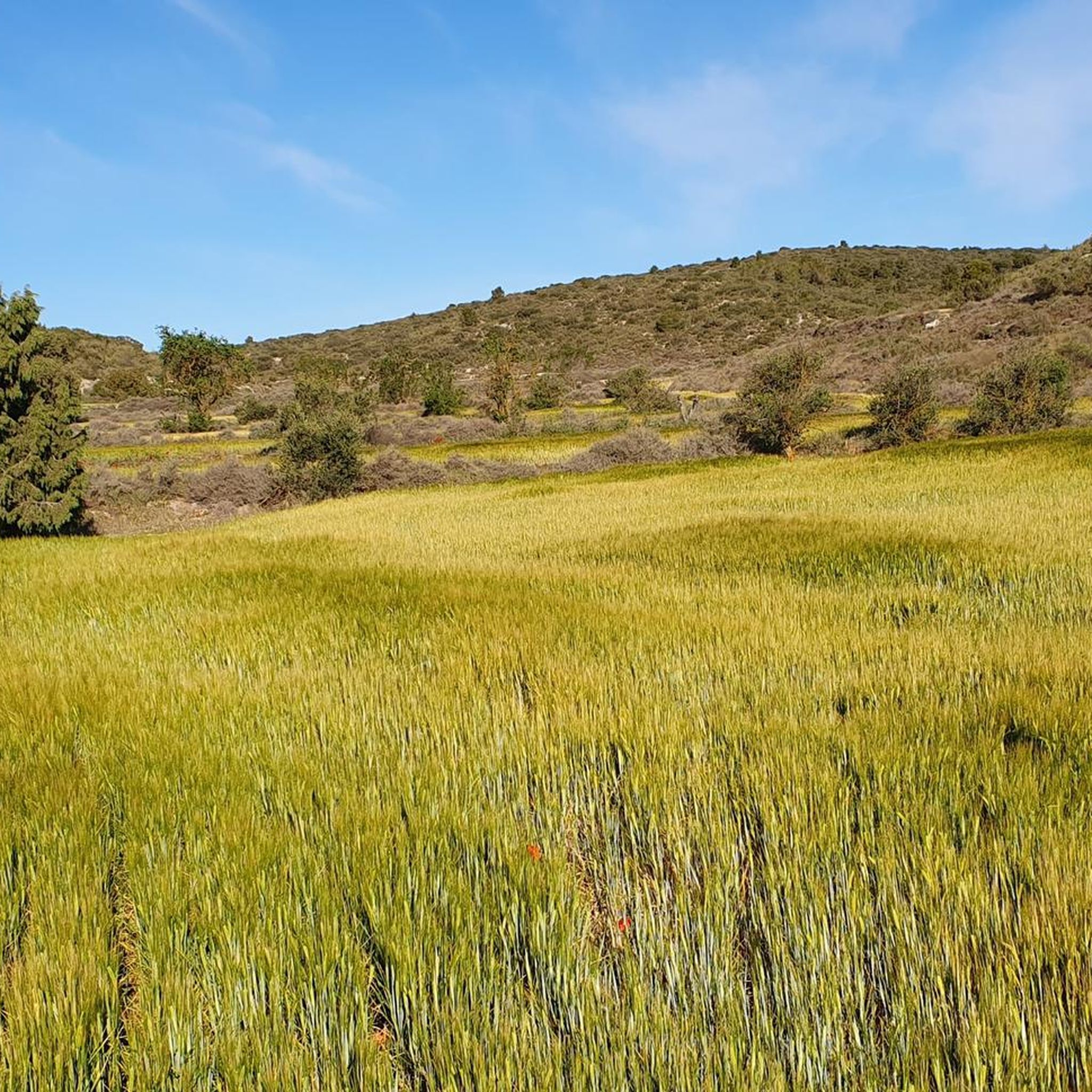
Spectacular scenery in April
3
0
The landscape is spectacular in the Spanish Far West.
3
0

It is worth visiting the Tozal de la Cobeta. You can enjoy spectacular 360° views while admiring the geological formation and the surrounding areas. The path from the San Miguel hermitage is simple and is dotted with areas where erosion caused by water gives rise to small formations, worthy of photographing.
1
0

Very interesting and nice for mtb
4
0
Frequently Asked Questions
What unique natural features can I explore around Castejón De Monegros?
The region is famous for its "tozales," curious, multicolored rock formations sculpted by erosion over centuries. You can see these at places like Tozal de la Cobeta and Tozales de Monegros, which include Tozal Colasico, Tozal Solitario, and Tozales de los Pedregales. The area also features the distinctive semi-arid landscape of the Sierra de Alcubierre and the ancient underground aqueduct known as the "Madre" Fountain.
Are there historical or cultural sites to visit in Castejón De Monegros?
Yes, Castejón De Monegros offers several historical sites. You can visit the 13th-century Hermitage-Castle of San Sebastián and San Fabián, which provides panoramic views. The Church of Nuestra Señora de la Lumbre, originally from the 13th century, features a unique Gothic portico. The town also has ancestral homes like Casa de los Segura Gavín (1564) and the 16th-century town hall, showcasing Aragonese civil architecture.
What kind of hiking trails are available near Castejón De Monegros?
You'll find a variety of hiking trails that allow you to explore the unique Monegros landscape. Options range from easy walks like the Laguna de Sariñena Loop to more challenging routes such as the Miradores de Monegrillo or the Tozal Solitario from Albalatillo. For more details on routes, visit the Hiking around Castejón De Monegros guide.
Are there any family-friendly attractions or facilities in the area?
Yes, the Refugio Piedrafita is considered family-friendly. This free stone shelter offers facilities like tables, a fireplace, a sink, toilets, and even a shower, making it a comfortable stop with excellent views. The natural landscapes and geological formations can also be an engaging experience for families.
What cycling opportunities are there around Castejón De Monegros?
The region is popular for both road cycling and mountain biking. Road cyclists can explore routes like the 'Monegrillo - Castejón de Monegros - Lanaja - Port of Alcubierre' or the 'Sariñena and Castelflorite Loop'. For mountain bikers, trails include the 'Mirador de Bujal, Refugio de la Gabardera' and the 'Sariñena, Tozales and El Pilón' circular route. You can find more routes in the Road Cycling Routes and MTB Trails around Castejón De Monegros guides.
What is the best time to visit Castejón De Monegros for outdoor activities?
The semi-arid climate of Monegros means that spring and autumn are generally the most pleasant seasons for outdoor activities like hiking and cycling, offering milder temperatures. Summer can be very hot, while winter can bring colder, windier conditions, though some activities are still possible. The unique landscape, with its arid terrain and ochre colors, is striking year-round.
Where can I find panoramic views in Castejón De Monegros?
For spectacular panoramic views, head to Tozal de la Cobeta, which offers 360-degree vistas of the Monegros landscape. Another excellent viewpoint is El Pilón (Sierra de Sena Summit), one of the highest points in the area, providing a sense of accomplishment upon reaching it. The Hermitage-Castle of San Sebastián and San Fabián also offers expansive views.
Are there any hidden gems or lesser-known outdoor spots?
The "Madre" Fountain, an ancient underground aqueduct possibly of Arab origin, is a unique and visitable site located about 2 km from Castejón de Monegros, featuring a rest area nearby. While the tozales are well-known, exploring the specific formations like Tozal Colasico or Tozal Solitario within the Jubierre area can feel like discovering a hidden world.
What is the significance of El Pilón?
El Pilón (Sierra de Sena Summit) is a small stone monolith marking one of the highest points in the Sierra de Sena. It's a significant landmark for hikers and cyclists, often seen as a symbol of overcoming a challenging part of their journey through the open, windy slopes of Monegros. It offers a great spot for a brief stop and photos.
What do visitors enjoy most about the attractions around Castejón De Monegros?
Visitors particularly enjoy the unique, almost otherworldly landscape, characterized by arid terrain and ochre colors, especially around the 'tozales' formations. The solitary atmosphere and the feeling of being on another planet, particularly on windy days, are frequently mentioned. The sense of accomplishment after reaching summits like El Pilón and the excellent views from spots like Refugio Piedrafita are also highly appreciated.
Can I find facilities or shelters along the trails?
Yes, the Refugio Piedrafita is a notable example. This small stone shelter, typical of the Monegros region, is usually open and provides excellent facilities including tables, a fireplace, a sink, toilets, and a shower. It's designed to offer shelter to hikers or shepherds, making it a valuable stop on longer routes.
What kind of geological formations can be seen in the Monegros desert?
The Monegros desert is renowned for its 'tozales,' which are curious, multicolored rock formations sculpted by centuries of erosion. These pedestal-shaped monoliths, such as Tozal Colasico, Tozal Solitario, and Tozales de los Pedregales, are considered the soul of the Monegros desert and are prominently featured at sites like Tozal de la Cobeta and Tozales de Monegros.
Most popular routes around Castejón De Monegros
Most popular attractions around Castejón De Monegros

Get inspired with the komoot mobile app


Explore more
Still not found the Highlight you’re looking for? See guides of the top attractions in other regions:
