Attractions and Places To See around La Almolda - Top 11
Attractions and places to see around La Almolda, located in the Monegros region of Zaragoza, Aragón, offer a blend of historical landmarks and unique natural landscapes. This area, with origins dating back to Roman times, served as a crossroads for ancient Roman roads. Visitors can explore distinctive rock formations, historical churches, and the arid beauty of the Monegros desert.
Best attractions and places to see around La Almolda
- The most popular attractions is Tozales de Monegros, a natural monument…
Last updated: June 29, 2026
Tozales de Monegros
Highlight • Natural Monument
Translated by Google •
Tip by

Monegros Desert
Highlight • Natural
Translated by Google •
Tip by

Sign up now to discover places like this
Get recommendations on the best single tracks, peaks, & plenty of other exciting outdoor places.
Sign up for free
Church of Santiago el Mayor of Bujaraloz
Highlight • Religious Site
Translated by Google •
Tip by

Ascent of Sierra de Presiñena
Highlight (Segment) • Climb
Translated by Google •
Tip by
La Almolda
Highlight • Settlement
Its origins date back to Roman times. It is located at a crossroads, possibly …
Translated by Google •
Tip by

Sign up for free to discover even more attractions around La Almolda.
Sign up for free
Already have an account?
Start today with a free account
Your next adventure awaits.
Login or Signup

Other adventures around La Almolda

Tips from the Community

The Church of Santiago el Mayor in Bujaraloz is a large church with a Latin cross floor plan, known for its wide nave with star vaults and a prominent transept crowned by a cloister vault on pendentives. Inside, the Baroque Chapel of Ecce Homo stands out, richly decorated and featuring an elegant oval dome illuminated by a lantern. The exterior combines stone and brick, with a medieval portal and a Baroque tower, making it an interesting visit for those exploring the Ebro River Valley and the Monegros region.
0
0
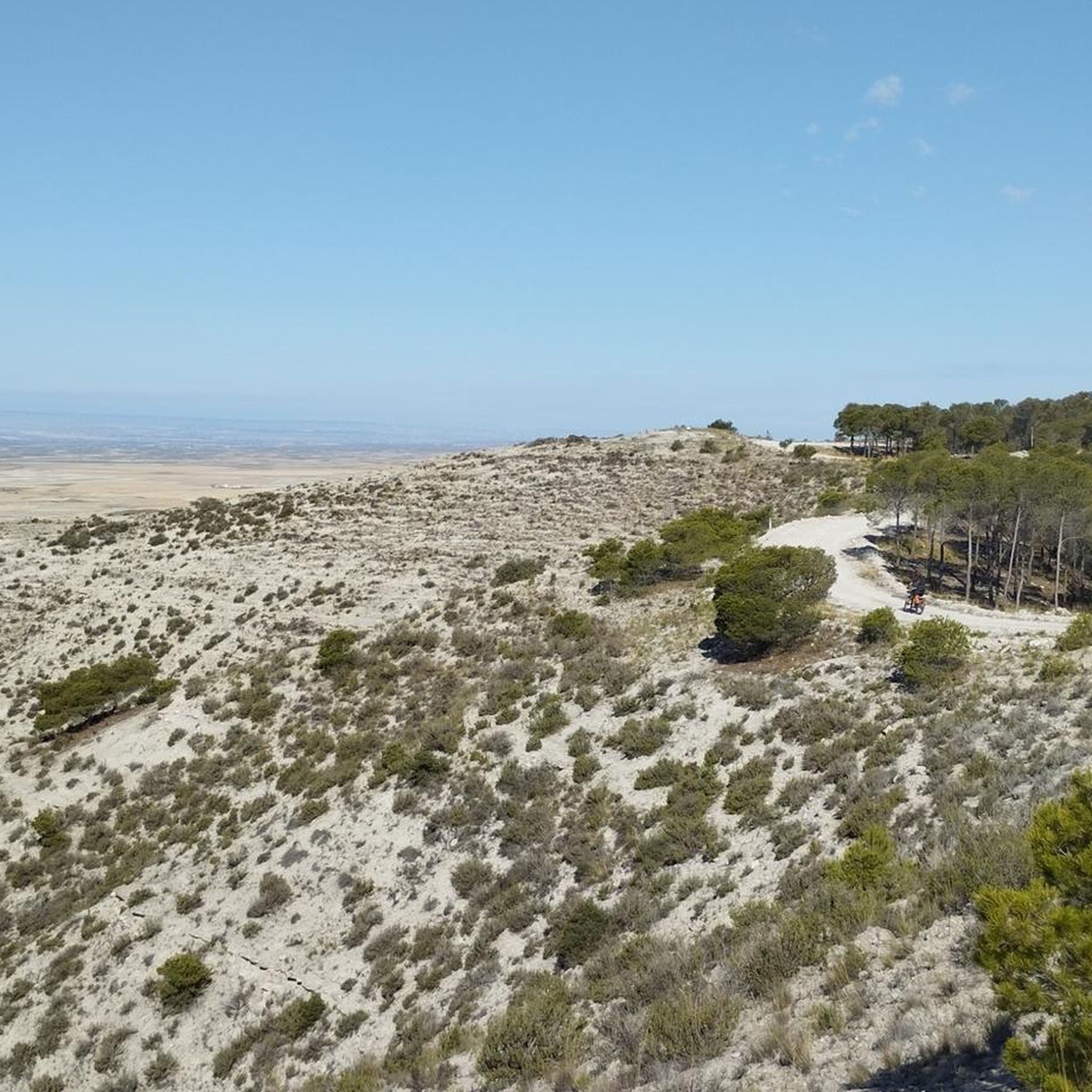
The Monegros region forms a unique steppe landscape in Europe, a vast semi-desert expanse between Zaragoza and Huesca that surprises visitors with its silence, vastness, and biodiversity. Despite its arid appearance, it is home to more than 5,000 species and a high number of endemic ones, making it a very special destination for those who enjoy open nature and endless horizons. Its tracks and service roads are ideal for long, leisurely routes, both on foot and by bike, always carrying water and sun protection due to the limited shade.
2
0

La Almolda is a town in Zaragoza in the Monegros region, in the community of Aragón. Its origins date back to Roman times. It is located at a crossroads, possibly part of the Roman roads that crossed the area, from Velilla de Ebro and Gelsa towards Huesca and Jaca. Among its heritage, some unique buildings stand out, such as an Arab castle (1195), the house of infanzones (1580), or the Prior house, an example of civil architecture of the Aragonese Renaissance. The silhouette of Almolda is easily recognizable from a distance, as it is located at the foot of one of the hills of the Alcubierre mountain range, crowned by a set of communication antennas.
0
0


Located in the Los Monegros region, the town of Bujarlaoz has numerous works that we can visit; the Church of Santiago el Mayor restored in the 16th century, the Hermitage of Mercy (better known today as the Virgen de las Nieves), the Hermitage of San Antón or the Torres Solanot Palace. We can also find different rafts with which the town was supplied with water.
2
0
Located in the Los Monegros region, the town of Bujarlaoz has numerous works that we can visit; the Church of Santiago el Mayor restored in the 16th century, the Hermitage of Mercy (better known today as the Virgen de las Nieves), the Hermitage of San Antón or the Torres Solanot Palace. We can also find different rafts with which the town was supplied with water.
1
0

Uphill to the top of the Sierra de Presiñena, an area of mountains with little vegetation and where some forms appear on the slopes typical of the lands of the "Monegros".
1
0
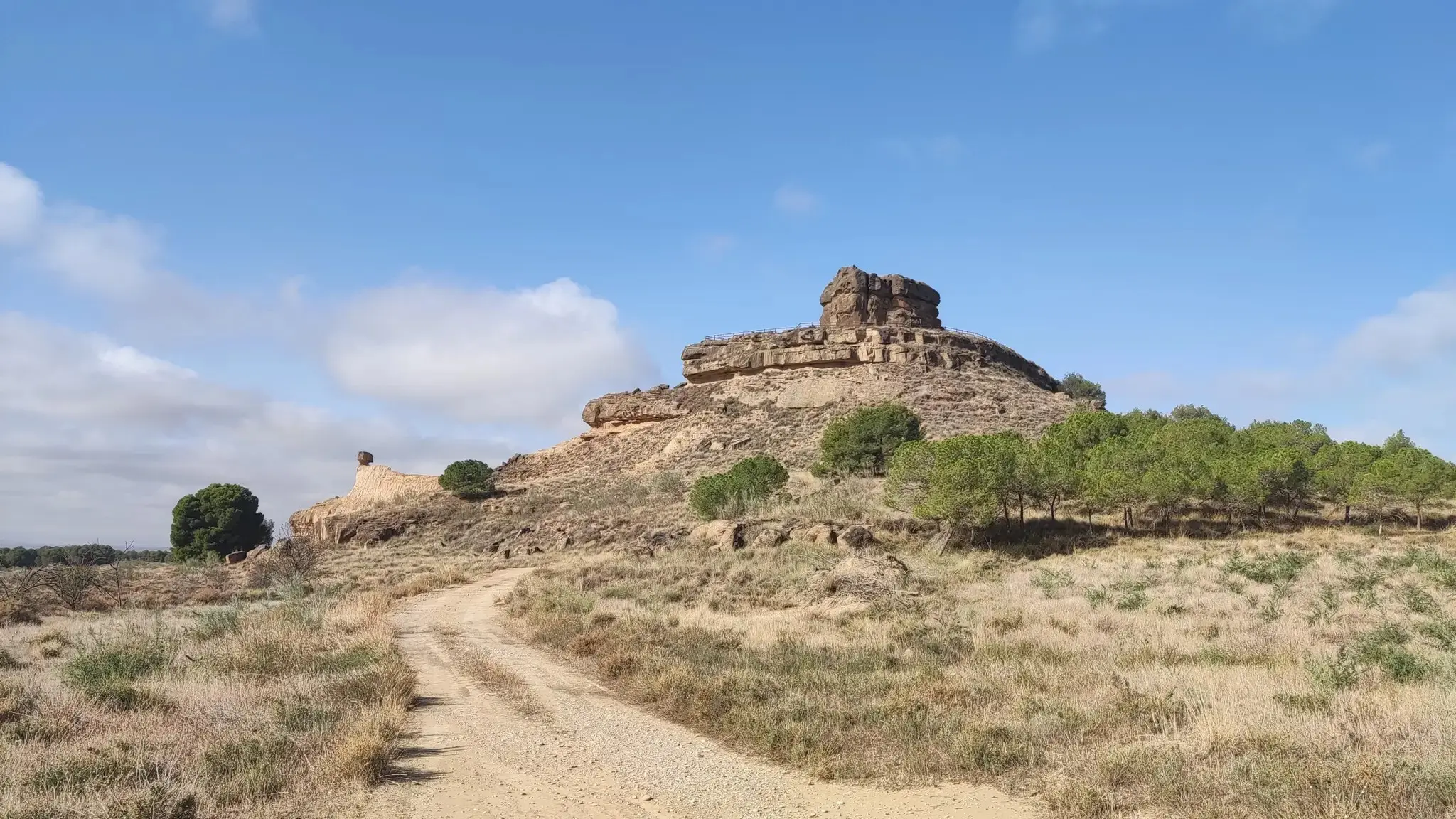
The Monegros tozales are curious multi-colored rock formations, which, sculpted by erosion over the centuries, make up the soul of the essential spot in the Monegros desert. From this point and a few meters away, there are a few of them: Tozal Colasico, Tozal Solitario and Tozales de los Pedregales among others.
1
0
Frequently Asked Questions
What natural features can I explore around La Almolda?
The region around La Almolda is known for its distinctive natural landscapes. A must-see are the Tozales de Monegros, curious multi-colored rock formations sculpted by erosion, including Tozal Colasico and Tozal Solitario. You can also experience the unique steppe landscape of the Monegros Desert, a vast semi-desert expanse with surprising biodiversity. Additionally, the town is situated at the foot of the Sierra de Alcubierre, offering opportunities for excursions into the arid landscape dotted with numerous ponds (balsas).
What historical sites are there to visit in La Almolda?
La Almolda boasts a rich history, with origins dating back to Roman times. You can explore the ruins of a 12th-century Arab Castle overlooking the town, and the late Gothic Iglesia de Nuestra Señora de la Luz from the 16th century. The town also features several stately homes (casas solariegas) showcasing Aragonese Renaissance civil architecture, such as the Casa de Infanzones (1580) and Casa Prior. Don't miss the Roman-origin pond, Pozo de la Val, a testament to ancient water management.
Are there any religious buildings or hermitages worth visiting?
Yes, beyond the Iglesia de Nuestra Señora de la Luz in La Almolda, you can visit the Baroque Ermita de Santa Quiteria from the 17th century, situated on a hilltop with panoramic views. Further afield, the Church of Santiago el Mayor of Bujaraloz is a notable religious building with a Latin cross floor plan, known for its wide nave and the prominent Baroque Chapel of Ecce Homo.
What outdoor activities can I do near La Almolda?
The area around La Almolda is excellent for outdoor activities, especially cycling and mountain biking. You can find numerous routes, such as the 'Sierra de Jubierre – Refugio Piedrafita loop' for MTB or the 'Sástago and Bujaraloz Salt Flats Loop' for cycling. For more options, explore the MTB Trails around La Almolda or Cycling around La Almolda guides.
Are there hiking trails available around La Almolda?
Yes, there are marked hiking routes with informational panels that allow visitors to explore the natural and cultural highlights of the municipality. You can also consider the Ascent of Sierra de Presiñena for a climb offering views typical of the Monegros lands. The tracks and service roads within the Monegros Desert are also ideal for long, leisurely walks.
What is the best time to visit La Almolda for outdoor activities?
The Monegros region can be very hot, especially in summer. For comfortable outdoor activities like hiking and cycling, spring and autumn generally offer more moderate temperatures. If visiting during summer, it's advisable to plan activities for early mornings or late afternoons and always carry plenty of water and sun protection due to limited shade.
Are there any family-friendly attractions or activities in La Almolda?
Families can enjoy exploring the unique rock formations of the Tozales de Monegros, which offer an interesting natural spectacle. The marked hiking routes with informational panels are also suitable for families looking to learn about the local environment and history. The historic urban center of La Almolda itself provides an engaging walk through its Roman and Muslim past.
What cultural experiences can I find in La Almolda?
La Almolda is known for its traditional folk dance, the 'dance almoldano,' which has been continuously performed since the 13th century. You can also visit the Casa Miguele Museum within the town to delve deeper into local culture and history. The historic urban center, with its architecture reflecting Roman and Muslim influences, is considered a significant historic-artistic heritage site.
What do visitors enjoy most about the attractions around La Almolda?
Visitors particularly appreciate the unique natural beauty of the Tozales de Monegros and the vast, silent landscapes of the Monegros Desert. The historical depth of the town, with its ancient castle ruins and stately homes, also captivates many. The opportunities for cycling and hiking through these distinctive environments are frequently highlighted by the komoot community.
Is there parking available near the attractions in La Almolda?
While specific parking details for every attraction are not provided, La Almolda is a small town, and parking is generally available within or near the urban center for exploring its historical sites. For natural attractions like the Tozales de Monegros, access points often have designated areas for vehicles, though it's always good to check local signage upon arrival.
Can I bring my dog on trails and walks around La Almolda?
Many outdoor areas in the Monegros region, including tracks and service roads in the Monegros Desert and general hiking routes, are typically dog-friendly. However, it's always recommended to keep dogs on a leash, especially in areas with wildlife or near agricultural land, and to ensure you carry enough water for both yourself and your pet, particularly in arid conditions.
Most popular routes around La Almolda

Get inspired with the komoot mobile app


Explore more
Still not found the Highlight you’re looking for? See guides of the top attractions in other regions:
