The best walks and hikes around Castigaleu
4.1
(86)
382
hikers
13
hikes
Hiking around Castigaleu offers trails through the varied terrain of the Aragonese Pyrenees foothills. The landscape is characterized by rolling hills, river valleys, and a mix of agricultural land and scattered woodlands. Elevation changes are generally moderate, making many routes accessible for different fitness levels.
Best hiking trails around Castigaleu
- The most popular hiking route is Aran-Pyrenees Camino de Santiago, a 4.0 miles (6.4 km) trail that takes 1 hour 54 minutes to complete. This easy path follows a…
Last updated: July 4, 2026
3.4
(7)
22
hikers
6.45km
01:54
180m
180m
Easy hike. Great for any fitness level. Easily-accessible paths. Suitable for all skill levels.
4.8
(13)
66
hikers
8.14km
02:28
250m
250m
Moderate hike. Good fitness required. Easily-accessible paths. Suitable for all skill levels.

Sign up for free
4.3
(6)
25
hikers
10.2km
02:48
160m
160m
Moderate hike. Good fitness required. Easily-accessible paths. Suitable for all skill levels.
3.3
(3)
28
hikers
3.28km
00:58
90m
90m
Easy hike. Great for any fitness level. Easily-accessible paths. Suitable for all skill levels.
5.0
(3)
16
hikers
7.57km
02:05
130m
130m
Moderate hike. Good fitness required. Easily-accessible paths. Suitable for all skill levels.
Get access to more routes and recommendations from other explorers.
Sign up for free
Already have an account?
Our route recommendations are based on thousands of hikes, rides, and runs completed by other people on komoot.
Start today with a free account
Your next adventure awaits.
Login or Signup
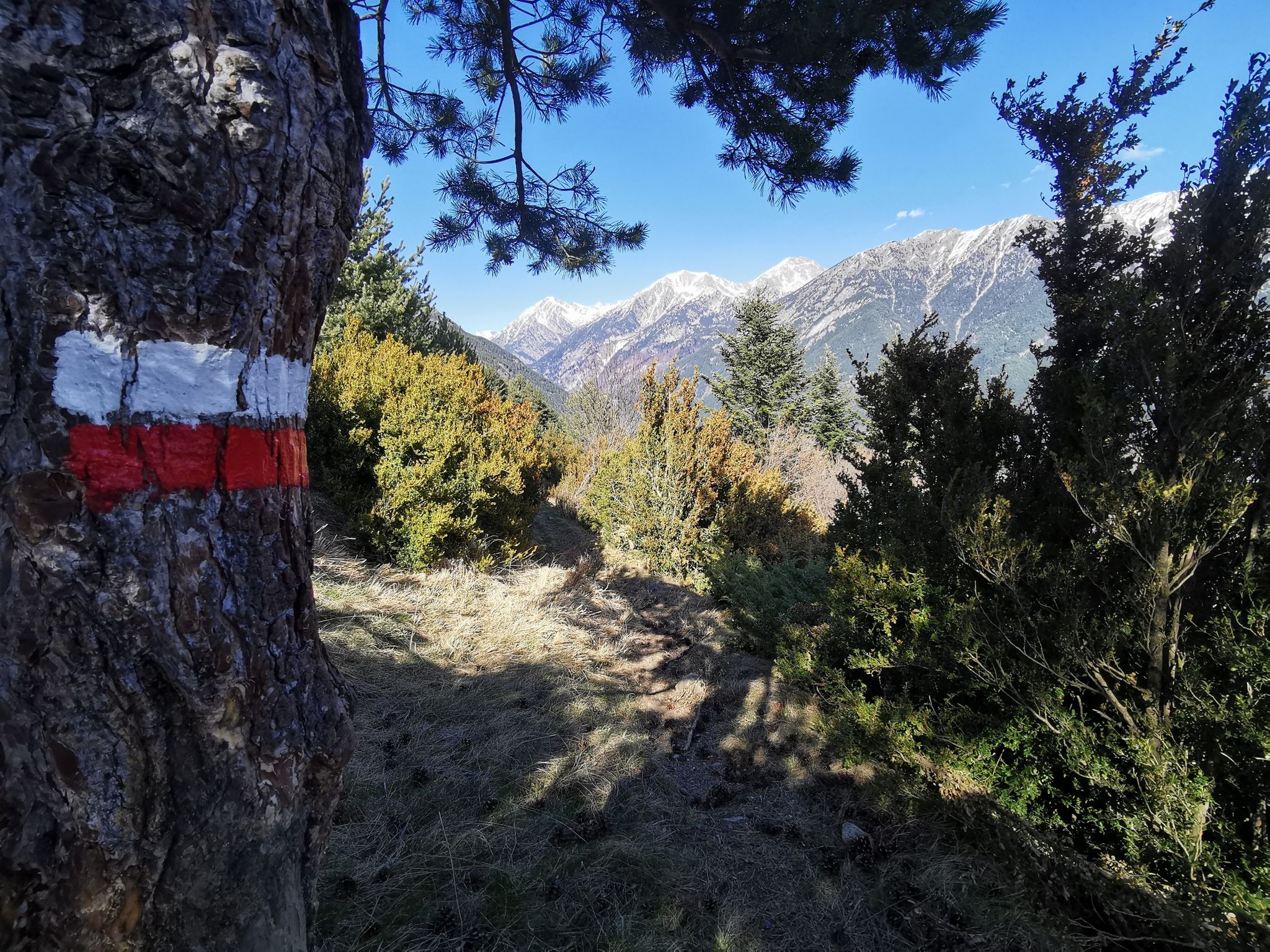
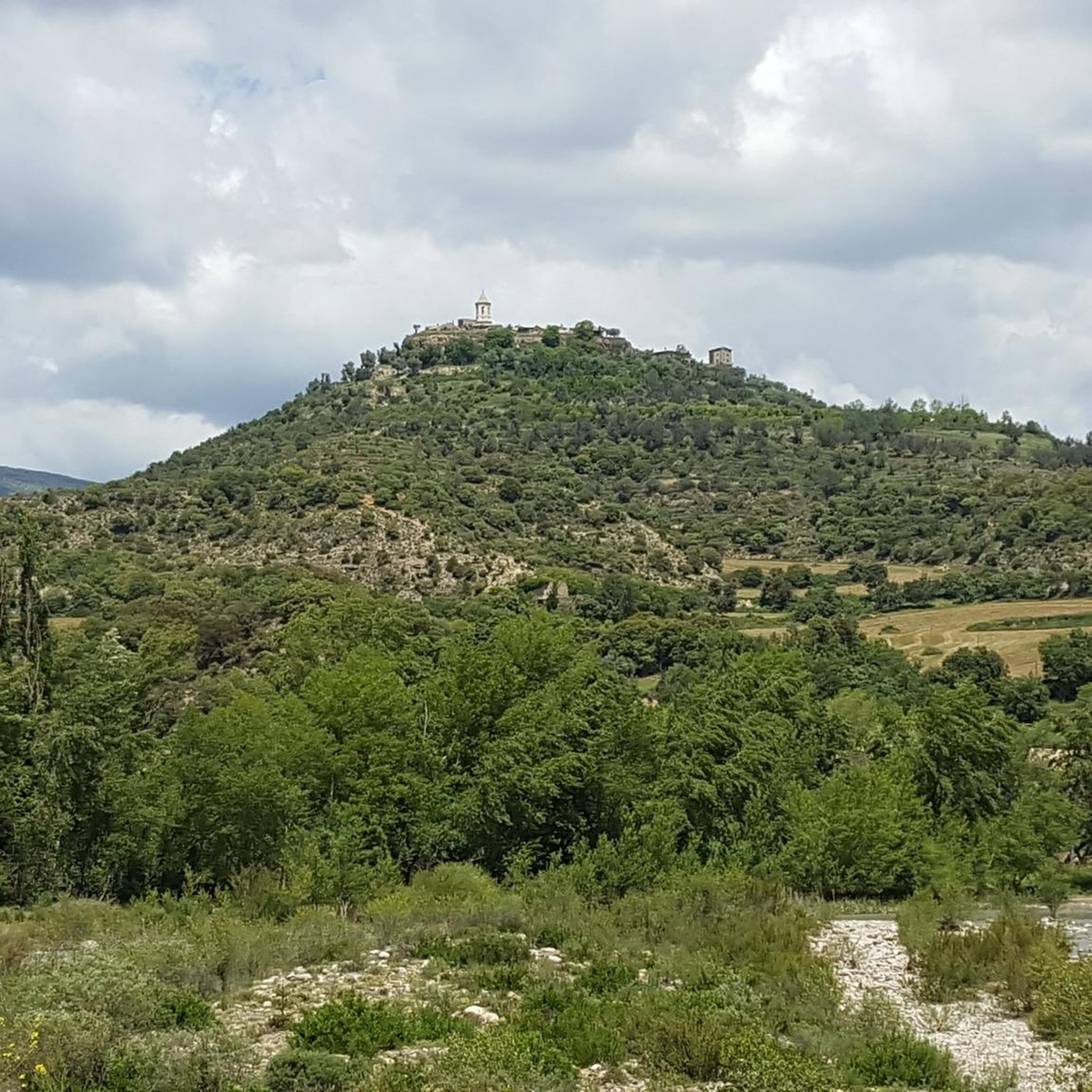
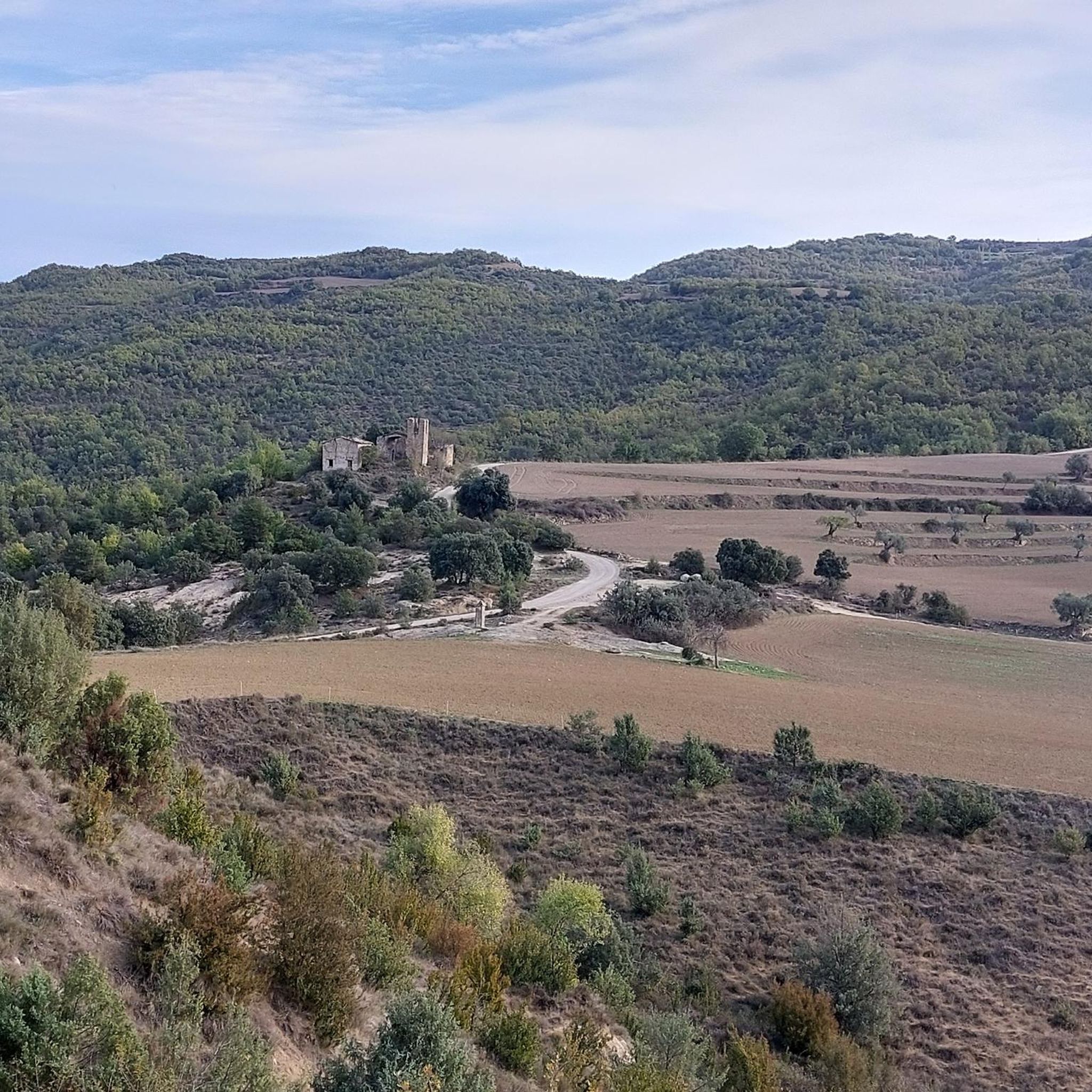
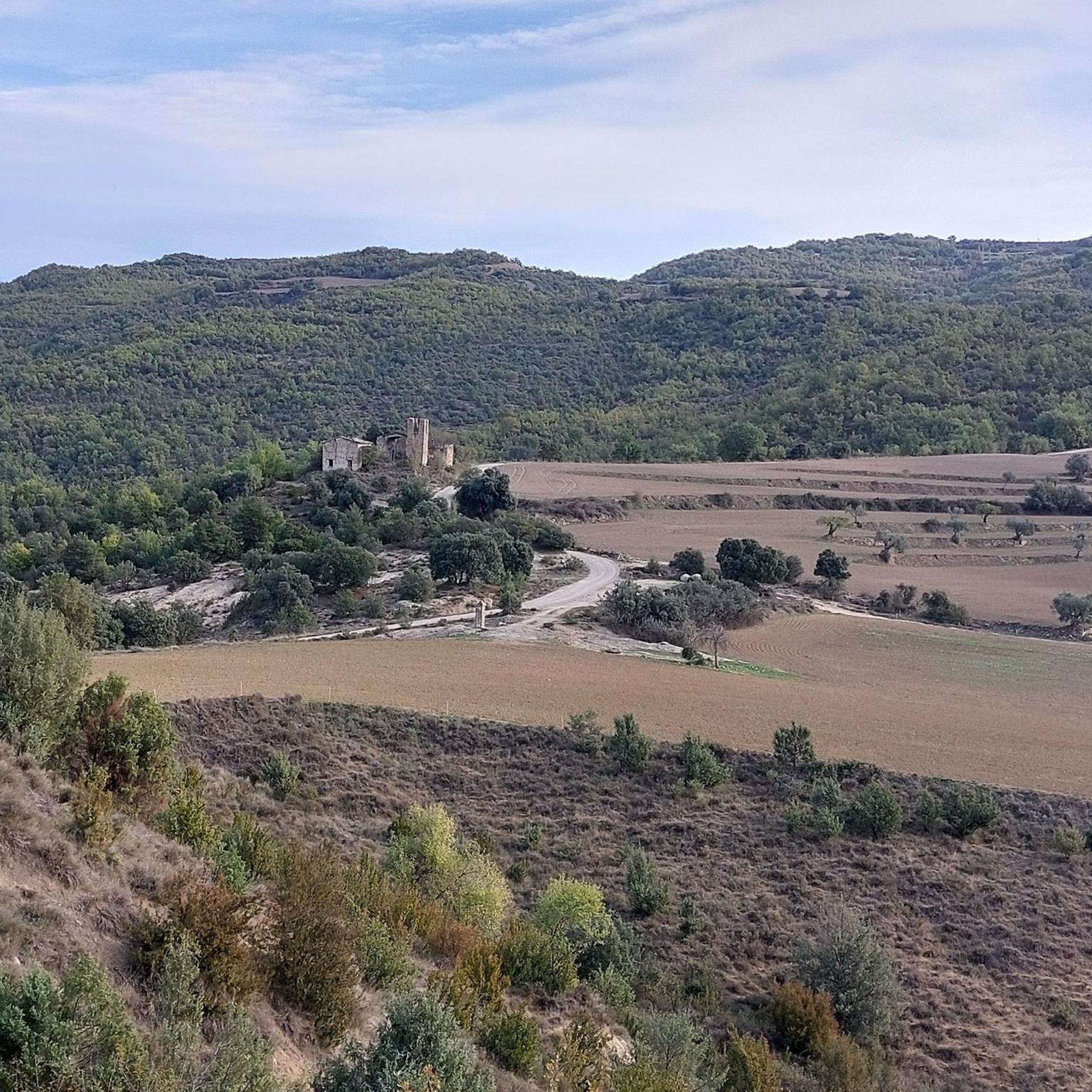
Other adventures around Castigaleu

Tips from the Community

A medieval watchtower. It was part of the network of towers and castles that were built throughout the Ribagorza and Sobrarbe mountain ranges during this period of reconquest (Vicampa, Luzás, Benabarre Castle, La Mora, Monzón Castle, Samitier, Puebla de Fantova, Cajigar...among many others...)
0
0

The town was founded in the mid-12th century as a monastery and later even served as a bishopric. The cathedral can be visited.
0
0
It is definitely advisable to take hiking poles with you and to think carefully about when you are going to hike the tour...and to keep a close eye on the weather. There are two very steep, unpaved sections that are difficult or even impossible to manage when it is wet.
0
0

https://www.montsecdelestall.com/ruta/ficha/Torre_De_Viacamp The fortified complex is located on a plateau above the village of Viacamp and consists of the remains of the perimeter wall, a slender cylindrical tower and a hermitage of Romanesque origin, possibly the castle chapel. The tower has a circular plan, a diameter of about 11 meters and a height of 20 meters, with walls almost 3 meters thick. As it is built, it seems to have been built both inside and outside with the help of a double scaffold, which is due to the great thickness of the walls. Like most defensive structures of the period, the ground floor was walled, with a high, round-arched entrance facing south-east. The ground floor was used as a storage room and is not accessible from the outside. After the restoration work carried out in 2005 and 2006, it was found that the tower had five floors, although only four of them remain today. The upper part, which has now disappeared, could have been made up of small defensive openings in the form of battlements or a conical roof. Very close to the tower and within the walls is the church of San Esteban de Viacamp, of Romanesque origin, a classic among the fortresses of the Upper Ragon. Originally dedicated to the Archangel Michael, it was later dedicated to Saint Stephen. Next to the church is the old cemetery, which has not been abandoned. The remains of the external enclosure are in the areas bordering the plateau and are made of ashlar and masonry with some high-quality parts. Remains of walls and foundations or the beginnings of towers have been preserved, although they are not very high. (Wikipedia)
1
0

This bridge was built in the 12th century and, together with its surroundings, form a landscape that is a spectacular time capsule over the Isábena River.
0
0

The medieval bridge of Roda de Isábena, also called the San Jaime bridge, is a 12th-century Romanesque construction that crosses the waters of the Isábena river.
1
0
The Airela viewpoint is located in the extreme northwest of the town of Roda de Isábena. In a small square with benches and a fountain, from the viewpoint you have an excellent view of the Isábena valley and the mountains in the background, among which the emblematic silhouette of Turbón stands out.
0
1
Serraduy is a town belonging to the municipality of Isábena and located on the banks of the homonymous river. Some of the houses were built on the same rock, since the terrain is quite steep. The town is divided in two by the river and connected by a beautiful medieval bridge. A few meters from the village, on the road, the Casa Peix hotel-restaurant has a terrace with beautiful views of the river and the Sis mountain range.
0
0
Frequently Asked Questions
How many hiking trails are available around Castigaleu?
There are 14 hiking trails around Castigaleu, offering a variety of options through the Aragonese Pyrenees foothills. These routes range from easy strolls to more moderate excursions.
Are there easy hiking trails suitable for beginners in Castigaleu?
Yes, Castigaleu offers several easy hiking trails perfect for beginners. For example, the Aran-Pyrenees Camino de Santiago is an easy 4.0-mile (6.4 km) path that follows a section of the historic Camino de Santiago.
What kind of terrain can I expect on hikes around Castigaleu?
The terrain around Castigaleu is characterized by rolling hills, picturesque river valleys, and a mix of agricultural land and scattered woodlands. Elevation changes are generally moderate, making the area accessible for various fitness levels.
Are there any circular hiking routes in the Castigaleu area?
Yes, many routes around Castigaleu are circular. A popular moderate option is the Roda de Isábena – La Puebla de Roda loop from Isábena, which is 5.1 miles (8.1 km) and explores the rural surroundings between two historic villages.
What are the typical distances for hiking trails in Castigaleu?
Hiking trails in Castigaleu vary in length. You can find shorter routes like the 3.3 km Viacamp Tower loop from Viacamp, as well as longer moderate trails such as the 6.3-mile (10.2 km) La Puebla de Roda – Serraduy loop from Isábena.
Are there any family-friendly hiking options in Castigaleu?
Given the generally moderate elevation changes and varied terrain, many of Castigaleu's trails are suitable for families. Easy paths like the Aran-Pyrenees Camino de Santiago are particularly good for outings with children.
What can I see along the hiking trails around Castigaleu?
Hiking around Castigaleu offers opportunities to discover charming villages and historical sites. You might encounter places like Roda de Isábena, known for its medieval architecture, or the historic Medieval bridge of Roda de Isábena.
Is parking available at the trailheads in Castigaleu?
While specific parking details vary by trailhead, most rural villages and popular starting points in the Castigaleu area typically offer roadside parking or small designated areas for hikers. It's advisable to check local signage upon arrival.
What do other hikers enjoy most about hiking in Castigaleu?
The area is highly rated by the komoot community, with an average score of 4.1 stars from over 70 reviews. Hikers often praise the peaceful rural surroundings, the variety of paths through agricultural fields and woodlands, and the accessible nature of the trails.
When is the best time of year to hike in Castigaleu?
Spring and autumn are generally the best times for hiking in Castigaleu, offering pleasant temperatures and vibrant landscapes. Summers can be warm, while winters are typically mild but can have cooler, wetter conditions.
Are there any challenging hikes for experienced hikers in Castigaleu?
While Castigaleu's trails are predominantly easy to moderate, there are no routes classified as 'difficult' in this immediate area. The moderate trails, such as the La Puebla de Roda loop from Isábena, offer longer distances and some elevation gain for those seeking a more extended outing.
Can I reach any trailheads by public transport in Castigaleu?
Public transport options directly to specific trailheads in the rural Castigaleu area are limited. It is generally recommended to travel by car to access the starting points of most hikes, especially those outside the main villages.
Most popular routes around Castigaleu
Most popular attractions around Castigaleu

Get inspired with the komoot mobile app


Explore more
Browse the best Hikes in other regions.
