Attractions and Places To See around Villanueva De Azoague - Top 20
Best attractions and places to see around Villanueva De Azoague include a blend of historical heritage and natural features. The village is situated at the confluence of the Esla and Órbigo rivers, offering a picturesque landscape with lush riverside groves. Its strategic location historically served as a crossing point for pilgrims and transhumant livestock. The area features significant architectural treasures and greenways for outdoor exploration.
Best attractions and places to see around Villanueva De Azoague
- The most popular attractions is…
Last updated: July 2, 2026
Bridge of the Vía Verde de la Plata
Highlight • Bridge
Translated by Google •
Tip by

Bridge over the Esla River
Highlight (Segment) • Bridge
Translated by Google •
Tip by

Sign up now to discover places like this
Get recommendations on the best single tracks, peaks, & plenty of other exciting outdoor places.
Sign up for free
Villanueva de Azoague Iron Bridge
Highlight • Bridge
Translated by Google •
Tip by
Church of Santa María del Azogue
Highlight • Religious Site
Translated by Google •
Tip by

Benavente
Highlight • Settlement
Translated by Google •
Tip by

Sign up for free to discover even more attractions around Villanueva De Azoague.
Sign up for free
Already have an account?
Start today with a free account
Your next adventure awaits.
Login or Signup
Tips from the Community

In the historic center, the Church of Santa María del Azogue, from the 16th century, and in Gothic style, stands out as the main monument of Benavente.
1
0
An incredible stretch of the 'Vía la Plata' pilgrimage route south of Benavente towards the small town of Barcial del Barco. Disused railway line converted into an adventure paradise, far from cars and traffic.
2
0
One of the artistic jewels of Benavente, the church is located in the center of the city near the main square. Its construction, which had four phases, began in the 12th century.
0
0

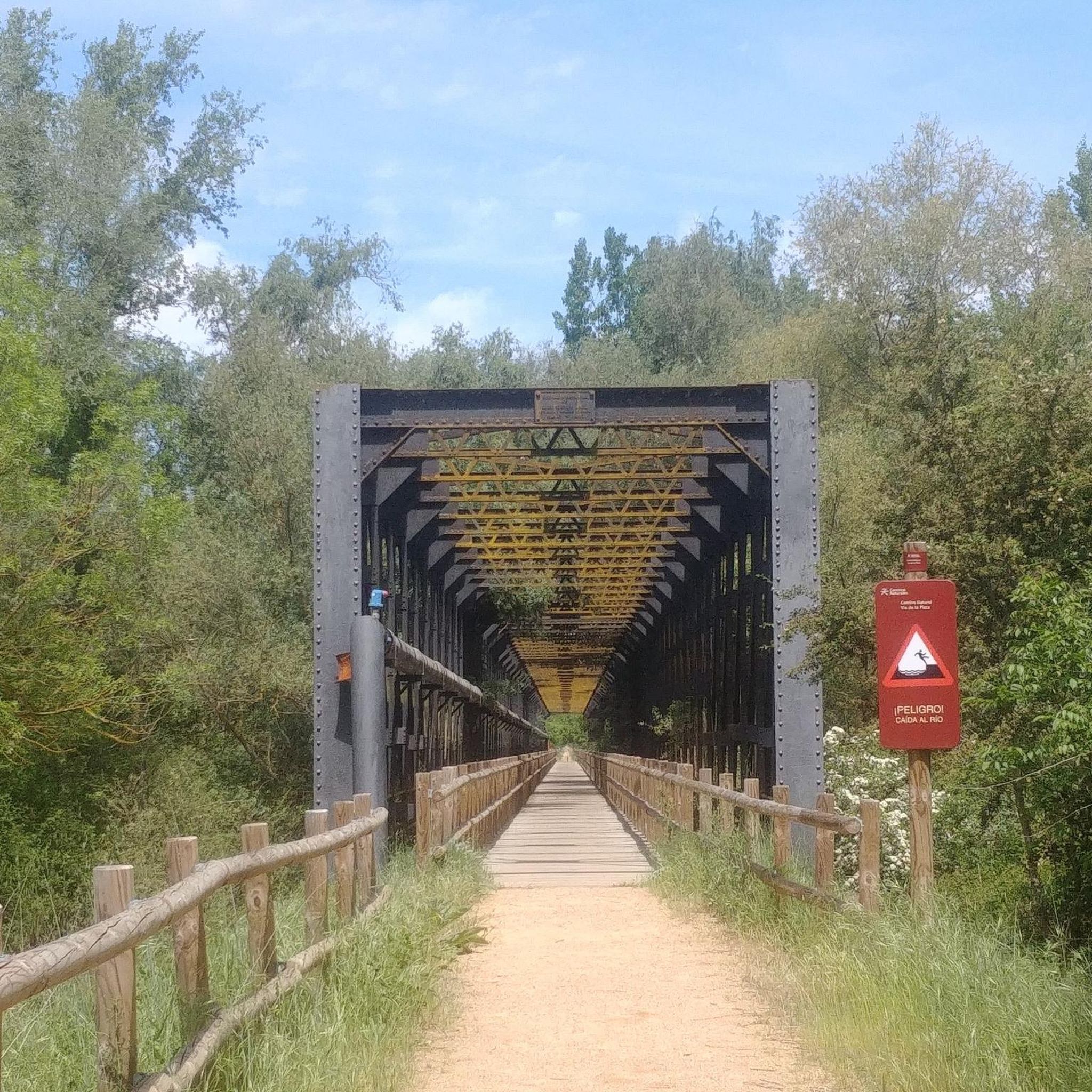
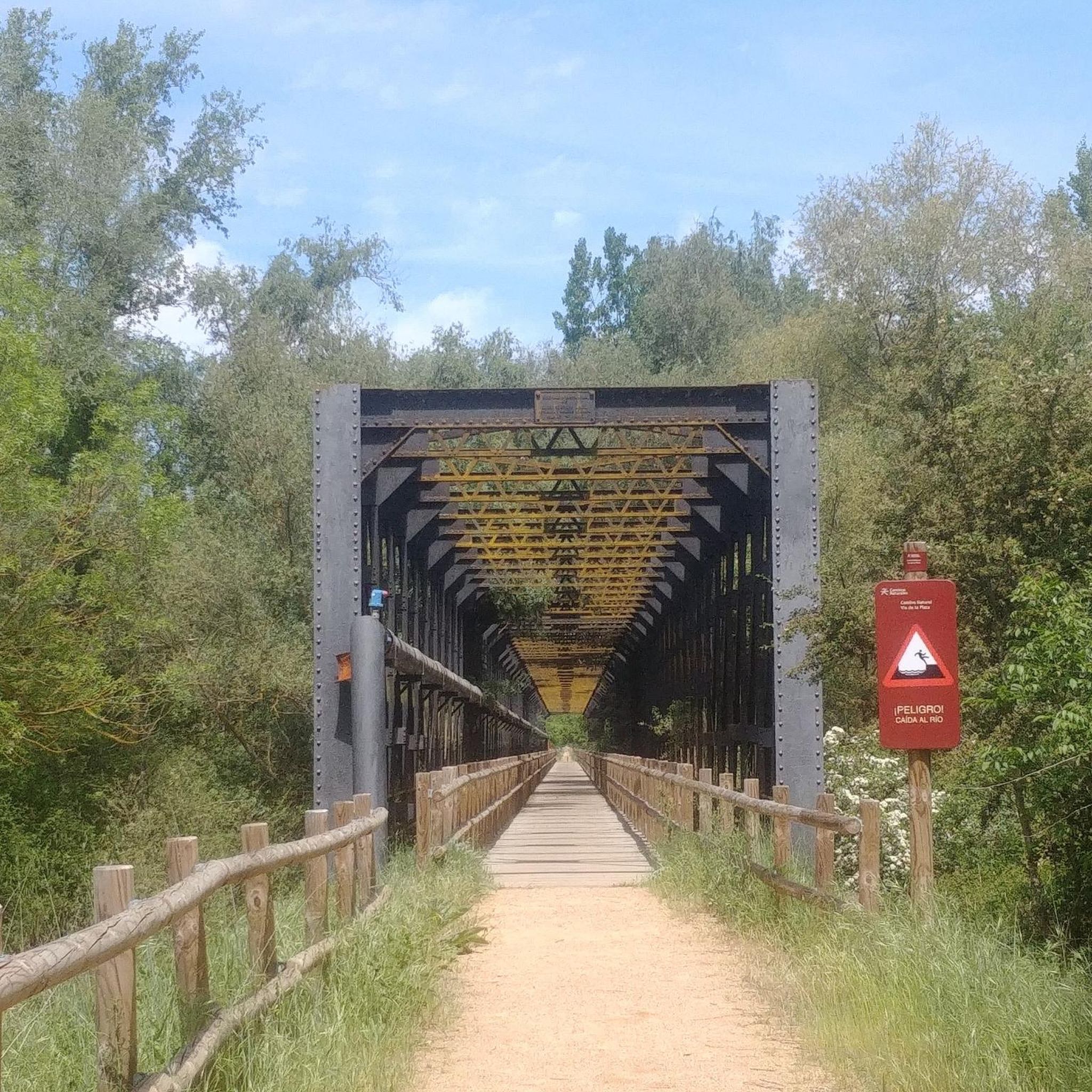
Beautiful picture that the Iron Bridge of Villanueva de Azoague gives us and that allows us to cross the Tera river while we roll along the long route of the greenway of La Plata.
2
0
A beautiful picture when we cross this bridge on the Vía Verde del Oeste or better known as the Vía Verde de la Plata. A luxury for all lovers of hiking, gravel or mountain biking.
2
0

This Gothic-style church was built between the 14th and 15th centuries. Given its historical and architectural importance, in 1944 it was declared a National Monument. In addition to being considered an Asset of Cultural Interest today. The semicircular arch at the main door and various decorative motifs, among which a spectacular rose window stands out, make you feel curious and stop to observe this beauty.
0
0
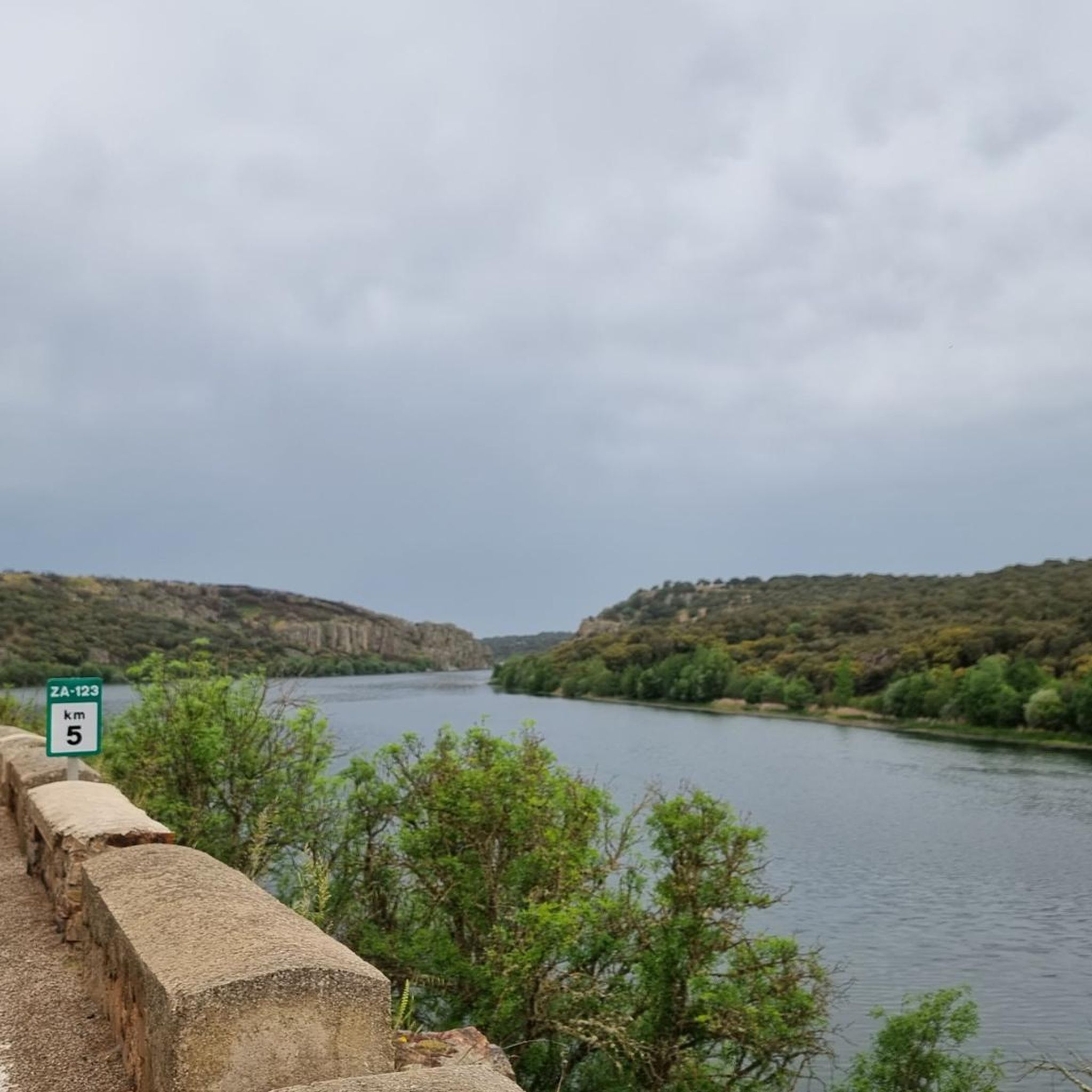
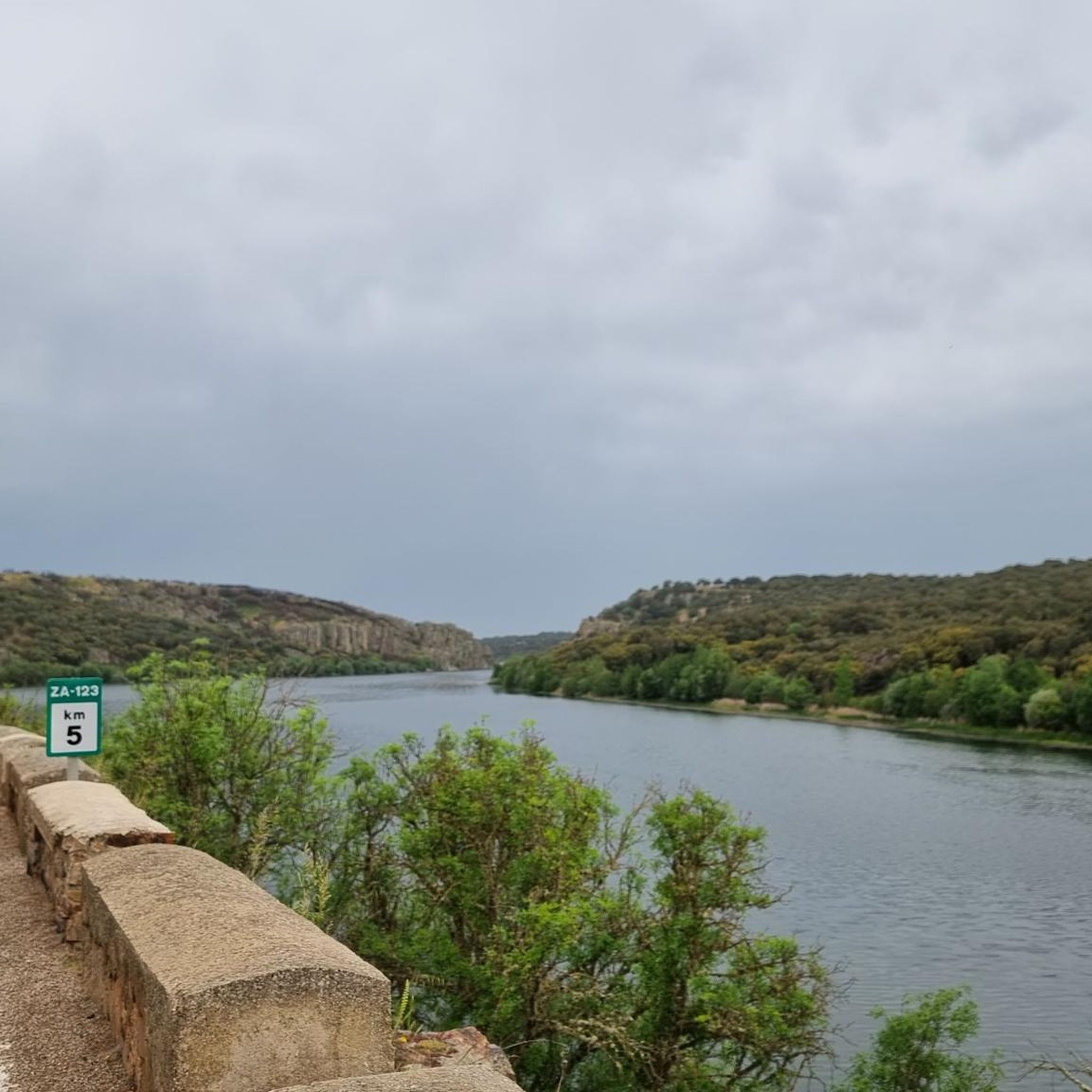
This bridge is one of the most popular icons of the Esla greenway. The combination of the wooden floor and the old metallic railway structure simulate a perfect tunnel and are very attractive for walkers and cyclists.
0
0

Benavente is a crossroads of both roads and rivers. Its settlement has given shelter to pilgrims, troops and even Napoleon who, on his way to Astorga, lodged his troops leaving an unforgettable trail of destruction. It also gives way to the fields of Zamora, leaving León behind. Its monumental buildings testify to the importance of its location in the passage of history. It is an ideal place, with all the services, to make a stop along the way.
2
0
Frequently Asked Questions
What historical and cultural sites can I explore in Villanueva de Azoague and its immediate vicinity?
In Villanueva de Azoague, you can visit the Iglesia de Nuestra Señora de la Asunción, a significant architectural treasure with a 16th-century Mudejar artesonado ceiling. The Museo del Azúcar, housed in the former sugar factory's Administrator's House, showcases the region's sugar production history. Nearby Benavente offers the impressive Church of Santa María del Azogue, a 16th-century Gothic church, and the Torre del Caracol (Castillo de la Mota), a remnant of a majestic palace.
Are there any natural attractions or scenic viewpoints around Villanueva de Azoague?
Yes, Villanueva de Azoague is situated at the picturesque confluence of the Esla and Órbigo rivers, offering lush poplar plantations and natural riverside groves. The River Esla itself provides opportunities for fishing and water sports in certain sections. For a unique natural experience, the Lagunas de Villafáfila, a significant natural wetland, is located approximately 14.7 km away.
What outdoor activities, like hiking or cycling, are available near Villanueva de Azoague?
The area around Villanueva de Azoague is excellent for outdoor activities, particularly along its greenways. You can enjoy hiking or cycling on routes like the Bridge of the Vía Verde de la Plata, a disused railway line converted into an adventure paradise. Another popular spot is the Bridge over the Esla River, a popular icon of the Esla greenway. For more detailed routes, you can explore various hiking, cycling, and road cycling routes in the region.
Are there family-friendly attractions or activities in the area?
Absolutely. Many of the greenways and bridges, such as the Bridge of the Vía Verde de la Plata and the Bridge over the Esla River, are considered family-friendly for walks and bike rides. In nearby Benavente, the Jardín de la Estación, built on former railway tracks with old locomotives, and the Paseo y Jardines de la Mota, with its tranquil setting and rose garden, are great for families.
What is the significance of the bridges around Villanueva de Azoague?
The bridges are iconic landmarks and central to the region's greenways. The Bridge over the Esla River is known for its unique combination of wooden floor and old metallic railway structure, popular with walkers and cyclists. The Bridge of the Vía Verde de la Plata is part of a converted railway line, offering a scenic route away from traffic. Additionally, the Villanueva de Azoague Iron Bridge allows passage over the Tera river along the greenway of La Plata, serving as a notable landmark.
What do visitors particularly enjoy about the greenways in this region?
Visitors highly appreciate the greenways for their scenic beauty and tranquility. The disused railway lines, like the Vía Verde del Oeste, have been transformed into 'adventure paradises' that allow for hiking, gravel, or mountain biking away from cars and traffic. The unique structures of bridges, such as the Bridge over the Esla River, also add to the charm and appeal for walkers and cyclists.
Are there any monuments or sculptures commemorating local history?
Yes, in nearby Benavente, you can find the Monumento al Toro Enmaromado, inaugurated in 2011, which pays homage to the traditional 'Toro Enmaromado' festival. There's also the Monumento al Condado de Benavente in La Mota Park, a 2002 sculpture commemorating the 8th centenary of the county, featuring a medieval warrior's head and the Pimentel coat of arms.
What is the historical importance of Villanueva de Azoague's location?
Villanueva de Azoague held strategic geographical importance historically. It served as a crossing point for pilgrims on the ancient Ruta de la Plata and for transhumant livestock, highlighting its role in regional routes and trade over centuries.
Can I find archaeological sites or ancient remains in the area?
Yes, archaeological remains have been discovered in the area. Excavations in the Los Villares finca have uncovered tombs on Roman pavements, indicating the presence of ancient settlements in the region.
What is the best way to experience the rivers Esla and Órbigo?
The best way to experience the rivers Esla and Órbigo is by exploring the greenways that run alongside them. The Bridge over the Esla River is a prime spot on the Esla greenway, offering picturesque views and a pleasant route for walking or cycling. The confluence itself provides a beautiful natural setting for a leisurely stroll.
Are there any unique gardens or parks to visit?
In Benavente, just a short distance from Villanueva de Azoague, you can visit the Jardín de la Estación, a unique park built on former railway tracks featuring old locomotives. The Paseo y Jardines de la Mota is Benavente's most important park, offering tranquility, rich vegetation, a rose garden, and impressive views from its elevated position.
Most popular routes around Villanueva De Azoague

Get inspired with the komoot mobile app


Explore more
Still not found the Highlight you’re looking for? See guides of the top attractions in other regions:
