The best road cycling routes around Lozoyuela-Navas-Sieteiglesias
4.8
(70)
10,517
riders
74
rides
Road cycling routes around Lozoyuela-Navas-Sieteiglesias are set within the mountainous terrain of the Sierra Norte of Madrid, characterized by granitic peaks and varied elevations. The region features the prominent Lozoya Valley, encased by mountain chains, offering diverse ecosystems including riverside forests, pine groves, and oak groves. Cyclists encounter a landscape shaped by successive elevations, river valleys, and unique geological formations, providing varied challenges and scenic backdrops. The area includes rolling hills, meadows, and mountain passes such as Puerto de Canencia,…
Last updated: November 4, 2026
199
riders
84.5km
04:25
1,550m
1,550m
Hard road ride. Very good fitness required. Mostly well-paved surfaces and easy to ride.
5.0
(1)
237
riders
99.0km
05:15
1,820m
1,820m
Hard road ride. Very good fitness required. Mostly well-paved surfaces and easy to ride.

123
riders
75.6km
04:05
1,210m
1,210m
Hard road ride. Very good fitness required. Some segments of this route may be unpaved and difficult to ride.
4.5
(2)
124
riders
59.5km
02:58
790m
790m
Moderate road ride. Good fitness required. Some segments of this route may be unpaved and difficult to ride.
5.0
(1)
29
riders
78.7km
04:19
1,560m
1,560m
Hard road ride. Very good fitness required. Mostly well-paved surfaces and easy to ride.
Get access to more routes and recommendations from other explorers.
Already have an account?
Our route recommendations are based on thousands of hikes, rides, and runs completed by other people on komoot.
Start today with a free account
Your next adventure awaits.
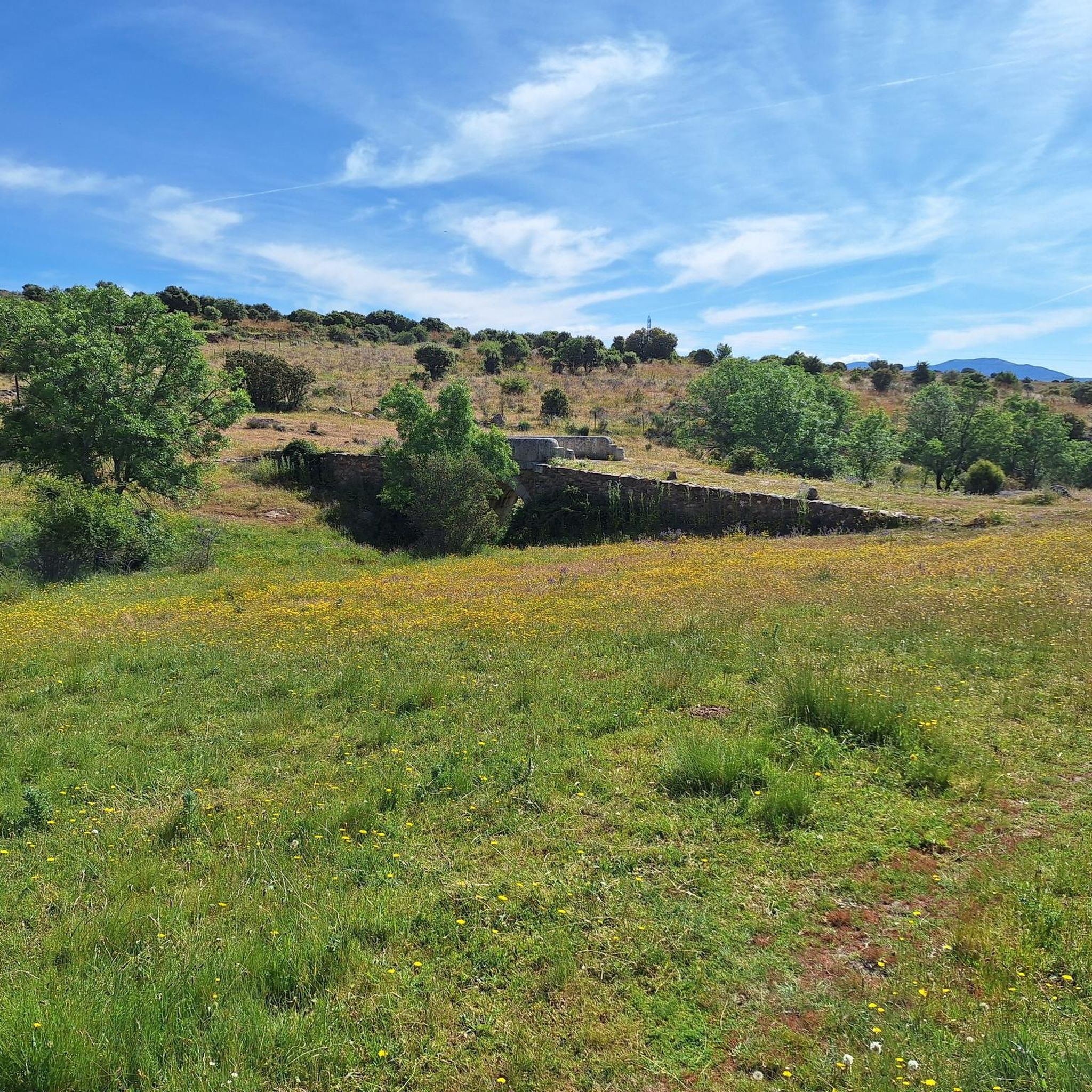
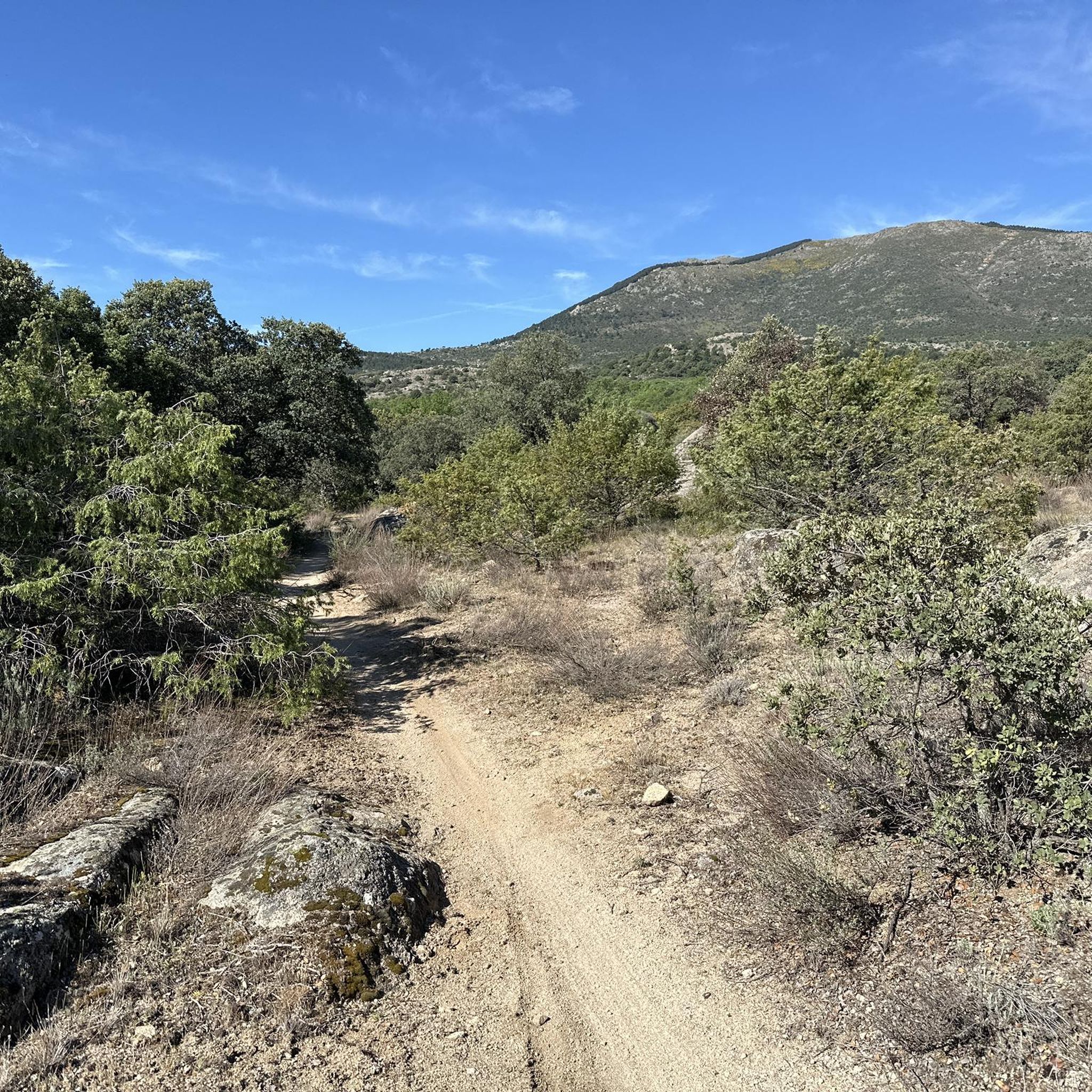
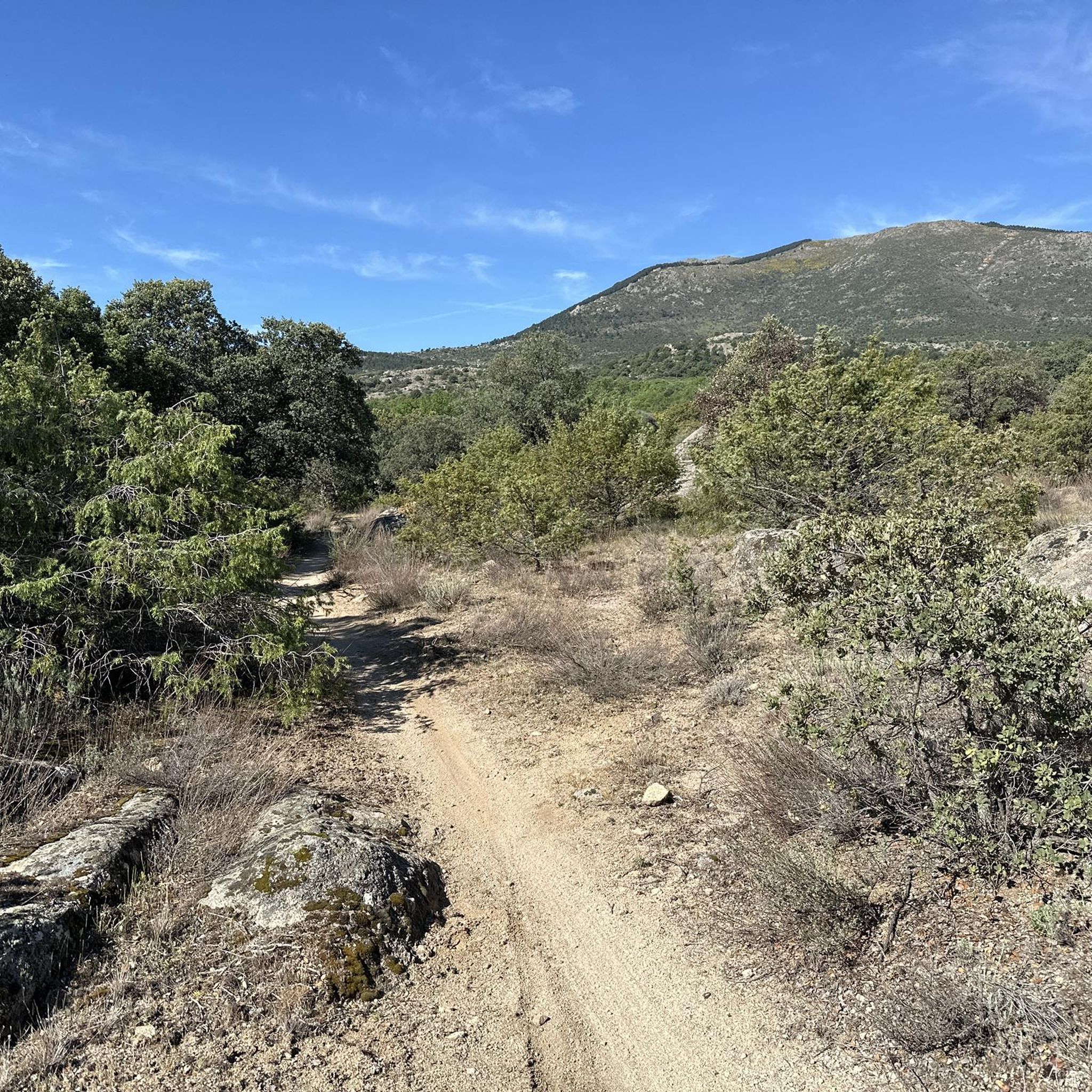
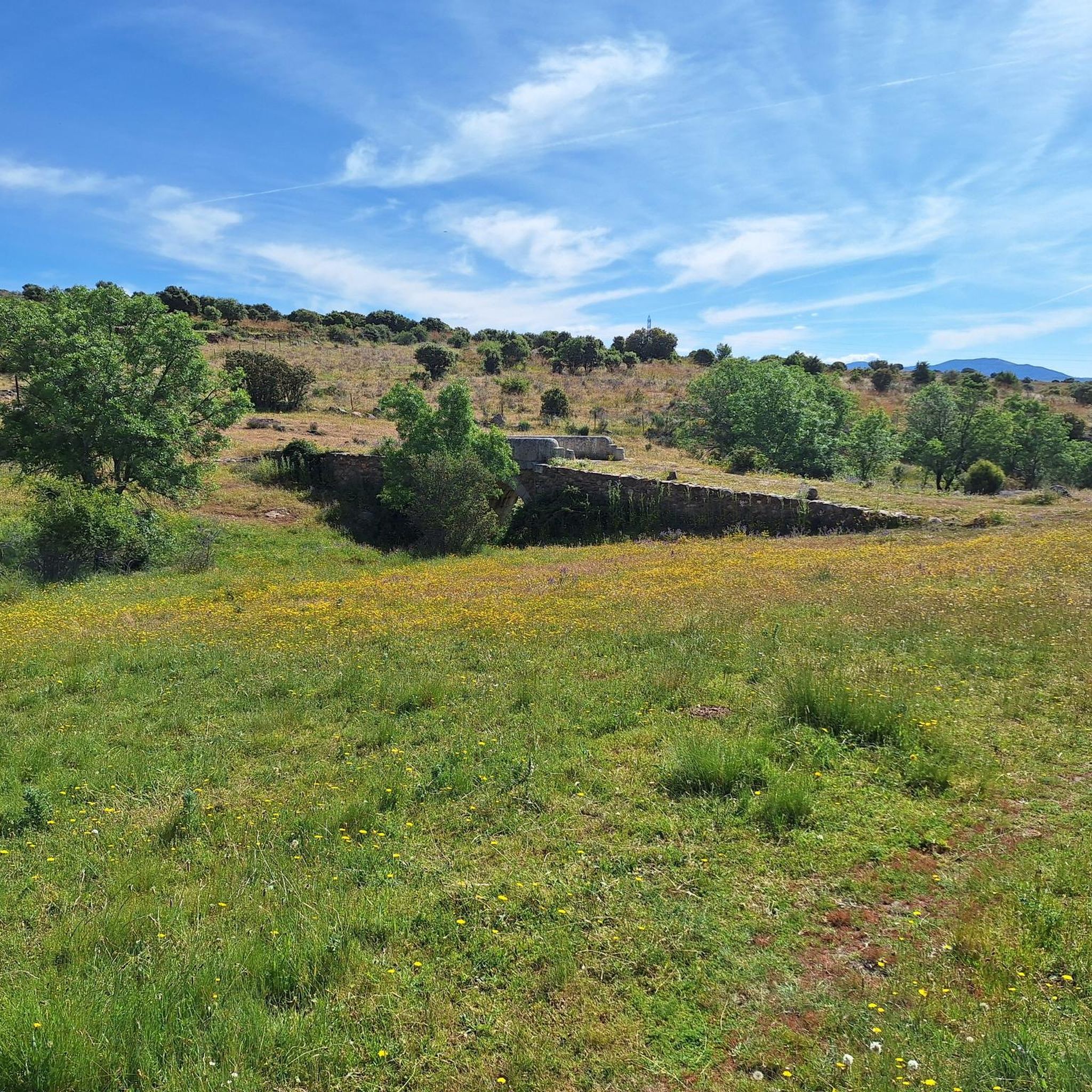

Tips from the Community

A very pleasant pass to climb up the Puebla de la Sierra side. To do this, you have to access it from Robledillo, with very steep ramps to warm up, and a few kilometers on a narrow and bumpy road. The views and the route are totally worth it. Avoid weekends, especially busy hours, as motorcycles, and especially cars, can spoil the party a bit, as I say, the road is very narrow. There is a fountain at the lowest point between Robledillo and Puebla, and another one when leaving Puebla de la Sierra. They are the only two points where you will be able to fill your bottles "for free".
0
0

The Castle and Walls of Buitrago del Lozoya, one of the most important medieval sites in the Community of Madrid: The town has pre-Roman roots and was mentioned by Livy as a Celtiberian fortress (Litabrum). Muslim Fortification: Between the 8th and 11th centuries, the Muslims built the wall to protect the territory. Reconquest: Alfonso VI conquered it in 1085, and it passed into Christian hands. Current Castle: Built in the 15th century by the Mendoza family, during the reign of John II of Castile. Historical Uses: Noble residence, defensive stronghold, and setting for events such as the imprisonment of Juana la Beltraneja.
3
0

Prádena del Rincón is a charming village located in the Sierra Norte of Madrid, founded between the 11th and 12th centuries and historically linked to livestock farming. Strolling through its streets reveals traditional architecture surrounded by nature. Its monuments include the Romanesque-Mudejar church of Santo Domingo de Silos. The tranquility of the area and its rural trails invite you to a peaceful and contemplative getaway in the heart of the Sierra del Rincón. This is ideal for those seeking a genuine connection with nature and rural history, far from the hustle and bustle, with routes that allow you to explore ancient transhumance trails and enjoy the area's biodiversity.
0
0

The **Centennial Yew of Canencia** is a unique tree of great botanical and landscape value in the Sierra de Guadarrama, in the Community of Madrid. It is not just a specimen, but part of a small population of yews that has survived in an exceptional setting, the Canencia Birch Forest. ### Characteristics and Location * **Species:** *Taxus baccata* (common yew). * **Age:** The most notable specimen is estimated to be between **400 and 500 years old**. Its longevity is one of the most fascinating characteristics of this species. * **Dimensions:** It has a trunk of considerable girth (around 4.10 meters) and a wide crown about 15 meters in diameter, which demonstrates its advanced age and health. * **Location:** It is located in the **Canencia Birch Forest** area, very close to the Canencia Pass. It is often included in the popular hiking trail known as "The Birch Forest Path" or the "Mojonavalle Waterfall Path." It is located near the Sestil del Maíllo stream. * **Environment:** The yew coexists with other unique species such as birch, holly, and Scots pines. This humid and protected microclimate has allowed the survival of these trees, which are relics of colder, wetter times. ### Importance and Uniqueness * **Botanical Value:** Yews are extremely slow-growing trees and are considered almost immortal. In Spain, they are a protected species, and finding such ancient specimens is a rarity. * **Landscape Value:** The Canencia yew stands out for its majestic appearance in the midst of a very picturesque forest, attracting numerous hikers and nature lovers. * **History and legend:** Like many ancient yew trees, it is steeped in legend. In many European cultures, they were considered sacred trees for their longevity and the toxicity of their parts (except for the pulp of their fruit). ### Access and routes To visit the yew, the most common route is the **Birch Forest Path**, which starts from the Canencia Pass itself. The path is signposted. You walk along a forest track to a detour that leads directly to the Chorrera de Mojonavalle, and a little further on, you will find the yew tree. Despite its age, the tree is increasingly visible and accessible, but it is essential to be respectful and not damage its surroundings to preserve this natural monument.
0
0

Fountain that you will find in the Puerto de Canencia.
0
0


Port suitable for beginners who want to get in shape
0
1
Frequently Asked Questions
How many road cycling routes are available in Lozoyuela-Navas-Sieteiglesias?
There are over 70 road cycling routes in the Lozoyuela-Navas-Sieteiglesias area, offering a wide range of options for different skill levels and preferences. These routes navigate the diverse landscapes of the Sierra Norte of Madrid.
What kind of terrain can I expect on road cycling routes in this region?
The region is characterized by mountainous terrain with granitic peaks and varied elevations, providing both challenging climbs and scenic descents. You'll encounter the picturesque Lozoya Valley, dense forests, and river valleys, all offering a dynamic backdrop for your rides.
Are there road cycling routes suitable for beginners or families?
Yes, while many routes are challenging, there are 4 easy routes available. The region also features natural trails, particularly in the Lozoya Valley, which are well-suited for families or groups with varying fitness levels, including those using electric bikes.
What are the options for experienced road cyclists seeking a challenge?
Experienced cyclists will find plenty of challenging options, with 37 difficult routes available. These often include significant climbs over mountain passes like the La Morcuera Pass – Puerto de Canencia climb loop from Valdemanco, and routes with substantial elevation gains such as the Alto del Cerro de San Pedro – Puerto de Canencia climb loop from Valdemanco.
What natural sights can I discover along the road cycling routes?
You can explore the stunning Lozoya Valley, enjoy views of the El Atazar Reservoir, and pass by unique granite rock formations like 'La Seta y el Hongo' near Lozoyuela. Routes also traverse dense coniferous and Pyrenean oak forests, with seasonal streams and waterfalls.
Are there any historical or cultural points of interest accessible by road bike?
Absolutely. You can cycle through charming villages like Lozoyuela, Las Navas, and Sieteiglesias. Sieteiglesias boasts the Church of San Pedro Apóstol and a medieval necropolis, while Las Navas de Buitrago features the 17th-century Baroque Church of Santa Cruz and an open-air 'Land Art' museum. The Ethnographic Museum in Lozoyuela is also worth a visit.
What do other road cyclists enjoy the most about road cycling in Lozoyuela-Navas-Sieteiglesias?
The area is highly rated by the komoot community, with an average score of 4.7 stars from over 40 reviews. Cyclists frequently praise the diverse terrain, the challenging mountain passes, and the scenic beauty of the Lozoya Valley and surrounding forests.
Are there any circular road cycling routes in the area?
Yes, many of the routes are designed as loops, allowing you to start and end in the same location. Examples include the Alto del Cerro de San Pedro – Soto del Real Cycling Area loop from Valdemanco and the Ascent to Puerto de La Puebla – Puerto de La Puebla (1636 m) loop from El Berrueco.
Can I find routes that pass by reservoirs or lakes?
Yes, the region is home to several significant water bodies. You can find routes that offer views of the El Atazar Reservoir, the El Villar Reservoir and Gorge, and the Pinilla Reservoir Viewpoint, providing beautiful waterside scenery.
What is the best time of year for road cycling in Lozoyuela-Navas-Sieteiglesias?
The Sierra Norte of Madrid, including this area, is generally pleasant for cycling from spring through autumn. The diverse elevations mean that even in warmer months, higher passes can offer cooler temperatures. Winter cycling is possible, but some higher routes may be affected by snow or colder conditions.
Are there any routes that explore the Lozoya Valley specifically?
The Lozoya Valley is a central feature of the region, and many routes incorporate its stunning landscapes. The Natural Trail of the Lozoya Valley is highlighted as one of the most spectacular itineraries, offering diverse ecosystems from riverside forests to pine groves, ideal for cycling.
Most popular routes around Lozoyuela-Navas-Sieteiglesias
Most popular attractions around Lozoyuela-Navas-Sieteiglesias

Get inspired with the komoot mobile app


Explore more
Browse the best Road cycling routes in other regions.
