The best road cycling routes around Harenzacken
4.5
(38)
377
riders
43
rides
Road cycling routes around Harenzacken are primarily found in the surrounding Granseer Platte and broader Brandenburg region, known for its flat terrain and extensive cycling infrastructure. While the Harenzacken nature reserve itself features wetlands and forests more suited for hiking, the immediate vicinity offers well-maintained asphalt and quiet country roads. This area is characterized by low-traffic routes that traverse forests, meadows, and lakes, often following former railway lines or riverbanks. The region's gentle gradients make it accessible for various cycling…
Last updated: May 16, 2026
4
riders
38.5km
01:30
110m
110m
Easy road ride. Great for any fitness level. Mostly well-paved surfaces and easy to ride.
7
riders
31.6km
01:18
90m
90m
Moderate road ride. Great for any fitness level. Some segments of this route may be unpaved and difficult to ride.

Sign up for free
5.0
(1)
8
riders
Moderate road ride. Great for any fitness level. Some segments of this route may be unpaved and difficult to ride.
3
riders
Moderate road ride. Great for any fitness level. Some segments of this route may be unpaved and difficult to ride.
8
riders
Moderate road ride. Great for any fitness level. Some segments of this route may be unpaved and difficult to ride.
Get access to more routes and recommendations from other explorers.
Sign up for free
Already have an account?
Our route recommendations are based on thousands of hikes, rides, and runs completed by other people on komoot.
Start today with a free account
Your next adventure awaits.
Login or Signup
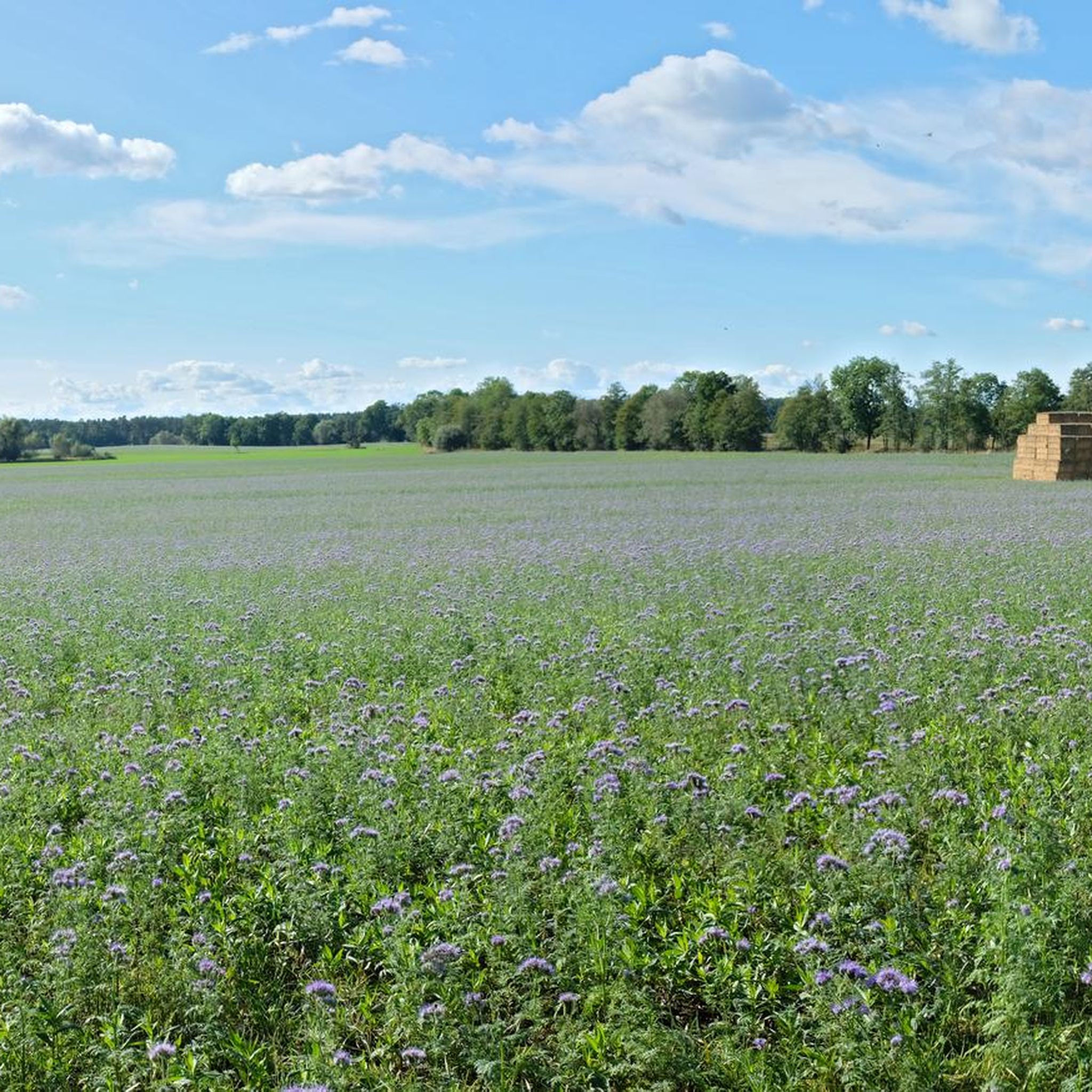
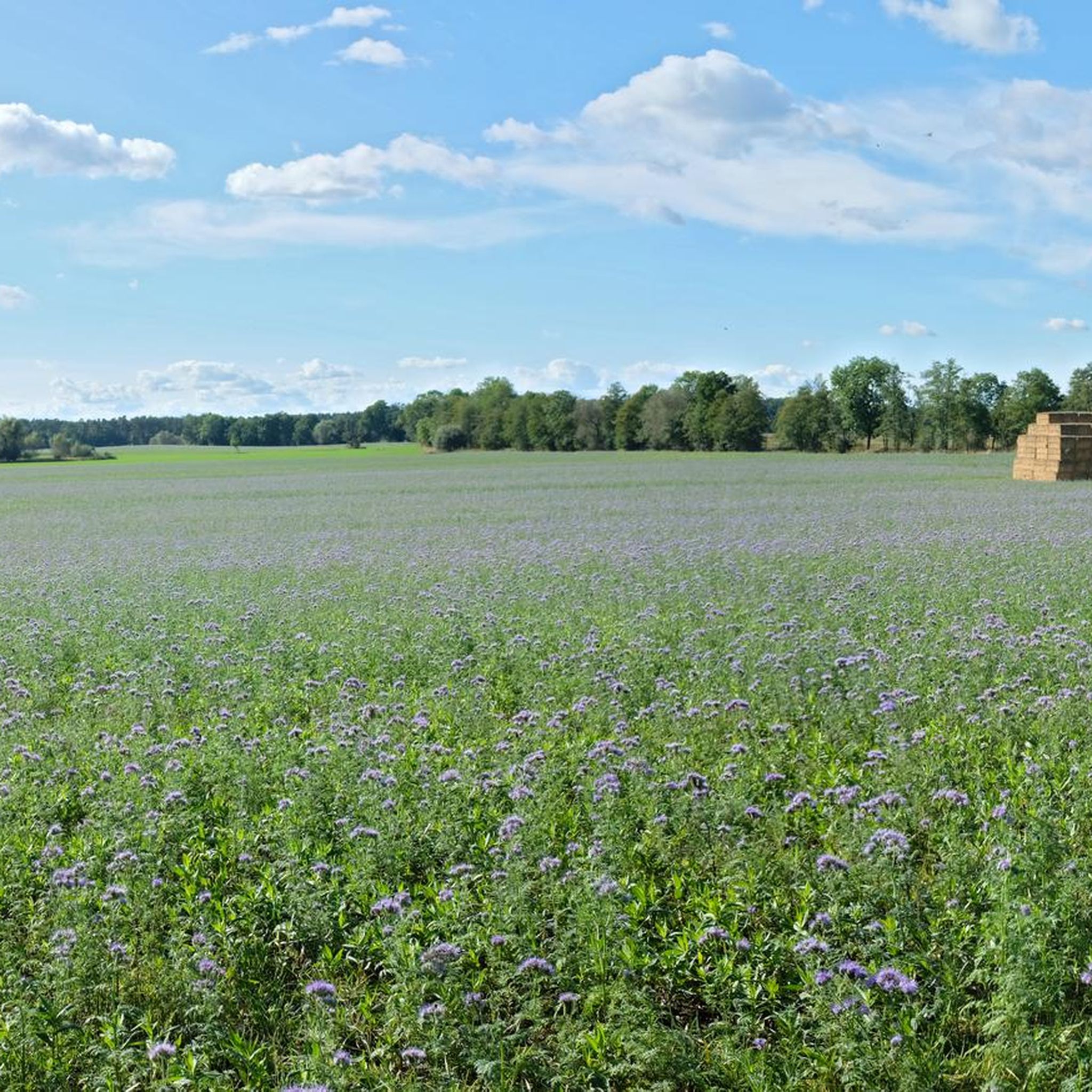
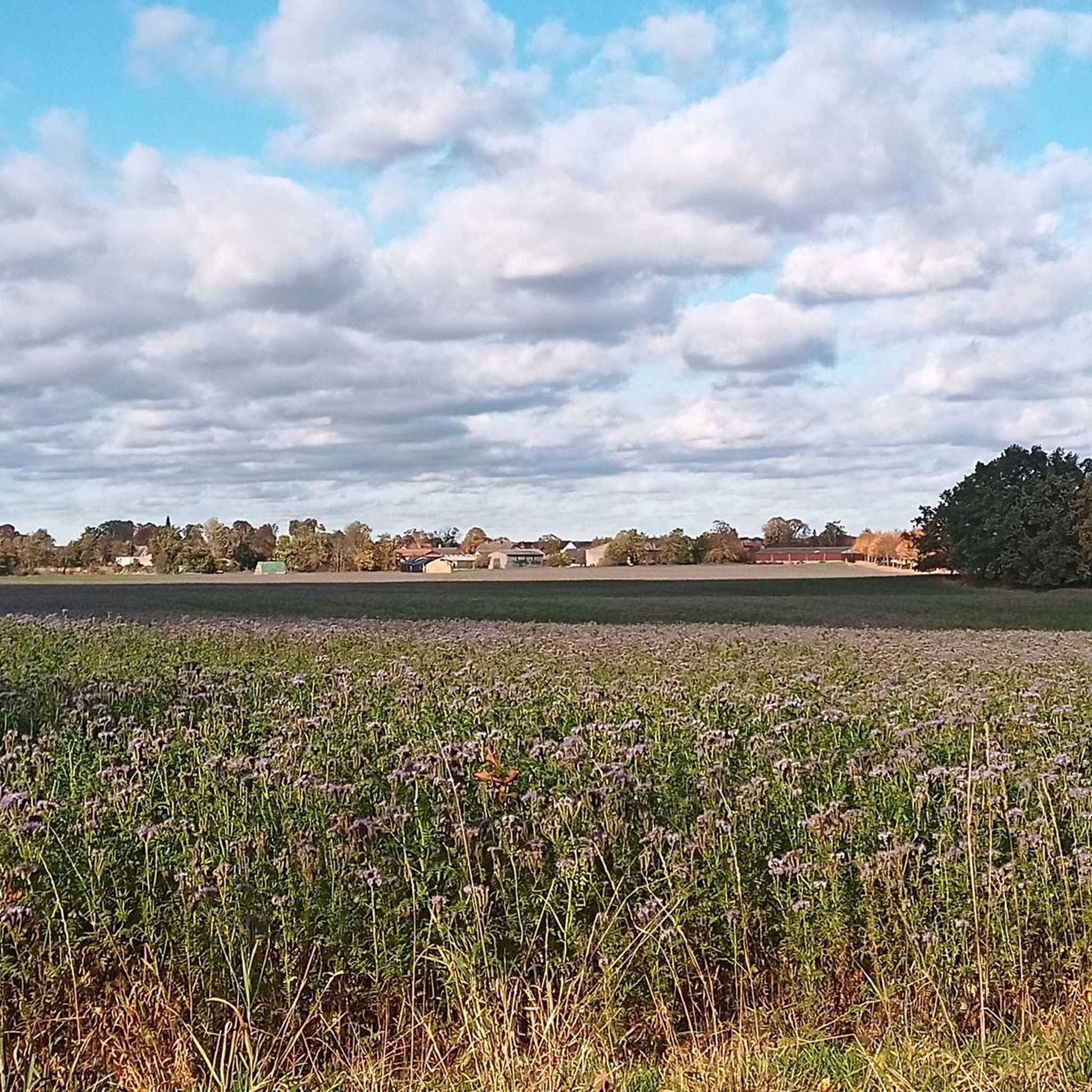
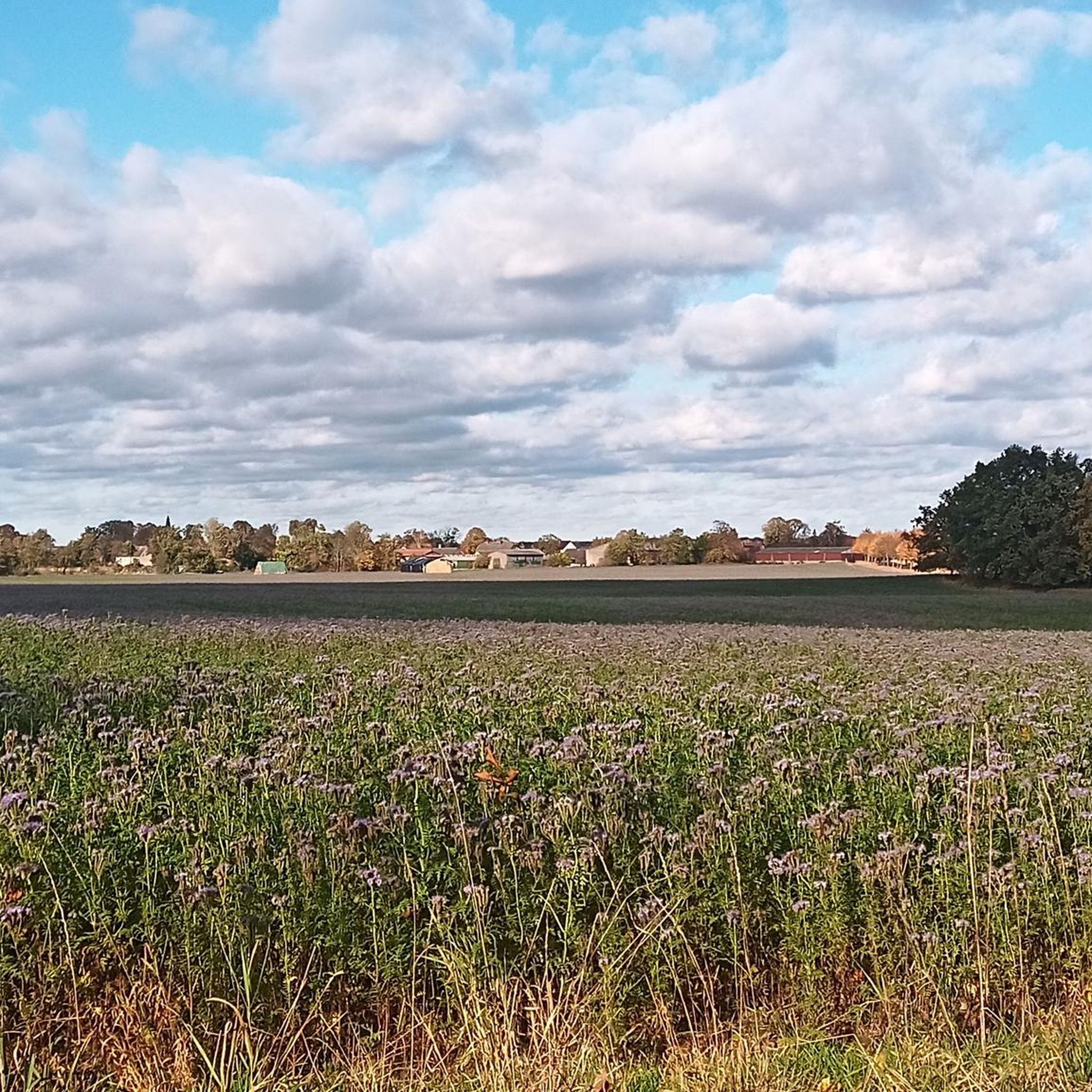
Tips from the Community

Originally it was a classic water mill. Today it is decommissioned as a grain mill, but still possesses complete milling technology (formerly with a turbine). Since about 1928/1936 it has been operated electrically. The preserved water wheel (an undershot Straub wheel) still turns demonstratively from time to time or lies in the flow.
0
0

The church can be rented for private celebrations!
0
0

Quiet hilly country road that offers repeated views over the countryside
0
0

The neo-Gothic hall church from 1899/1900 consists of a west tower, nave, choir, and sacristy. The façade of the massive exposed brick building rises on a low granite base and is sparingly structured by pointed arch windows with molded stone frames and buttresses. The east wall of the shallow choir is decorated with a large triple window and a circular blind window. The base and apex of the gable triangle are emphasized by pinnacle-like pillars, as is the case with the gable of the slightly higher nave. The sacristy extension, with its pent roof, leans against the north side of the choir and has segmental arch windows and a separate entrance on the west side. The slender, square west tower with a high spire in the form of a folded roof with slate tiles, has, in addition to the narrow lancet-shaped blind windows to the north, west, and south, clock panels and another round window in the lower section of the west side. The main entrance to the church is located on the north side of the tower and is reached via granite steps. The portal jamb is set back three steps and is framed by a double door with elaborate fittings.
0
0
The neo-Gothic fieldstone church was built by building inspector Johann Carl Ludwig Schmid in 1814/15 on the remains of its early Gothic predecessor. It consists of a nave, a sacristy to the east, and a church tower with a square floor plan to the west. The jambs of the windows and portals are made of brick. The church tower, square on the lower floor and plastered over a fieldstone base, continues above the eaves of the nave on an octagonal floor plan and tops with a slate-covered spire. The brick gable to the east is decorated with blind arches. The interior, with a three-sided gallery, is spanned by a flat ceiling supported by columns. The church furnishings include a neoclassical wooden pulpit altar built around 1815. The organ in the gallery has eight stops on a manual and pedal and was built by Albert Hollenbach in 1899.
0
0

The early Gothic fieldstone church was built in the second half of the 13th century, consisting of a nave and a transverse rectangular church tower, which slightly exceeds the width of the nave. It was remodeled in the Baroque style in the mid-18th century, during which its windows were enlarged. In the east gable, the central window of the early Gothic triple window group was added. On the west side of the church tower is a portal with a pointed arch, and another was carved into the south wall of the nave.
0
0

There is a very nice, easy-to-walk circular path around the lake.
0
0
Frequently Asked Questions
What is the general terrain like for road cycling in the Harenzacken region?
The region around Harenzacken, part of the Granseer Platte and broader Brandenburg area, is predominantly flat. This makes it highly suitable for road cyclists of all levels, including families and those looking for longer, less strenuous rides. You'll find gentle gradients rather than challenging climbs.
What kind of road surfaces can I expect on road cycling routes near Harenzacken?
Cyclists can expect well-maintained road surfaces throughout the region. Routes often feature asphalted roads, concrete slab paths, and quiet country roads, providing a smooth and enjoyable riding experience away from busy main thoroughfares.
Are there road cycling routes suitable for beginners or families in the Harenzacken area?
Yes, the Harenzacken region offers many routes ideal for beginners and families due to its flat terrain and low-traffic roads. For an easy and relaxed ride, consider the Neuhäsen–Häsen Country Road – Häsen–Bergsdorf Road loop from Grieben, which has minimal elevation gain.
Can I find more challenging road cycling routes around Harenzacken?
While the region is largely flat, there are routes that offer slightly more varied terrain and moderate distances. Out of 44 available routes, 26 are classified as moderate. For instance, the Seebeck–Glambeck Scenic Road – Bethaus Linde loop from Vielitzsee provides scenic landscapes with gentle ascents over its 31.6 km.
What natural attractions or scenic viewpoints can I expect along the road cycling routes?
The routes often lead through picturesque landscapes, including forests, meadows, and past lakes. You can expect scenic views as many paths follow former railway lines or riverbanks. The broader Brandenburg area is known for its diverse natural beauty, even if the Harenzacken nature reserve itself is more for hiking.
What is the best time of year to go road cycling in the Harenzacken region?
The Brandenburg region is generally pleasant for cycling from spring through autumn. The flat terrain makes it accessible for most of the year, but spring and early autumn offer comfortable temperatures and beautiful natural scenery. Always check local weather conditions before heading out.
Are there options for circular road cycling routes in the Harenzacken area?
Yes, many of the road cycling routes around Harenzacken are designed as loops, allowing you to start and end at the same point. An example is the Liebenberg Castle and Estate – Neuhäsen–Häsen Country Road loop from Löwenberger Land, which offers a varied countryside experience.
How can I get to the starting points of these routes, and is parking available?
Many routes start from towns and villages in the Löwenberger Land area. Parking is generally available in these locations. For public transport, consider options to towns like Oranienburg or Lindow, which often have connections to smaller villages, though bringing bikes on public transport may have restrictions.
Are there places to stop for refreshments or food along the road cycling routes?
Yes, the villages and towns in the Löwenberger Land and broader Brandenburg region often have cafes, pubs, and small shops where you can stop for refreshments. Planning your route with komoot allows you to identify such stops in advance.
What do other cyclists say about the road cycling experience in Harenzacken?
The road cycling routes in the Harenzacken region are highly rated by the komoot community, with an average score of 4.5 stars from nearly 40 reviews. Cyclists often praise the tranquil nature of the routes, the well-maintained surfaces, and the beautiful, low-traffic scenery.
How many road cycling routes are available around Harenzacken?
There are over 40 road cycling routes available around Harenzacken on komoot, catering to various skill levels. This includes 17 easy routes, 26 moderate routes, and a few more challenging options.
Are there any specific road cycling routes that are particularly popular among local cyclists?
Local road cyclists frequently enjoy the Village Church of Banzendorf – Statue of the white nun Amelie loop from Baumgarten, a moderate 42.6 km route that takes you through diverse landscapes.
Most popular routes around Harenzacken

Get inspired with the komoot mobile app


Explore more
Browse the best Road cycling routes in other regions.
