Attractions and Places To See around Nonaspe - Top 18
Best attractions and places to see around Nonaspe include historical sites, cultural landmarks, and natural landscapes. This municipality in Zaragoza, Spain, is situated on a rocky terrace overlooking the confluence of the Matarraña and Algars rivers. Nonaspe offers a variety of points of interest for those exploring its rich history and diverse natural environment.
Best attractions and places to see around Nonaspe
- The most popular attractions is Old Church Tower of Fayón, a man-made monument that is the sole…
Last updated: May 11, 2026
Old Church Tower of Fayón
Highlight • Monument
The only remnant is the church of San Juan Evangelista (16th century) …
Translated by Google •
Tip by

Matarraña-Algars Nature Trail
Highlight • Trail
85 kilómetros. 730 metros positivos.
Los ingenieros que diseñaron el ferrocarril de la Val de Zafán tuvieron la maestría, seguramente imprevista, de calcular con toda exactitud el …
Tip by

Sign up now to discover places like this
Get recommendations on the best single tracks, peaks, & plenty of other exciting outdoor places.
Sign up for free
La Mineta
Highlight • Historical Site
“La Mineta” entered the history of Fayón in the early years of the 20th century with the coal boom that led to the start of numerous mining projects …
Translated by Google •
Tip by
Castillete de Fayón
Highlight • Historical Site
Translated by Google •
Tip by

Mas de la Punta Picnic Area
Highlight • Rest Area
Translated by Google •
Tip by
Sign up for free to discover even more attractions around Nonaspe.
Sign up for free
Already have an account?
Start today with a free account
Your next adventure awaits.
Login or Signup
Tips from the Community

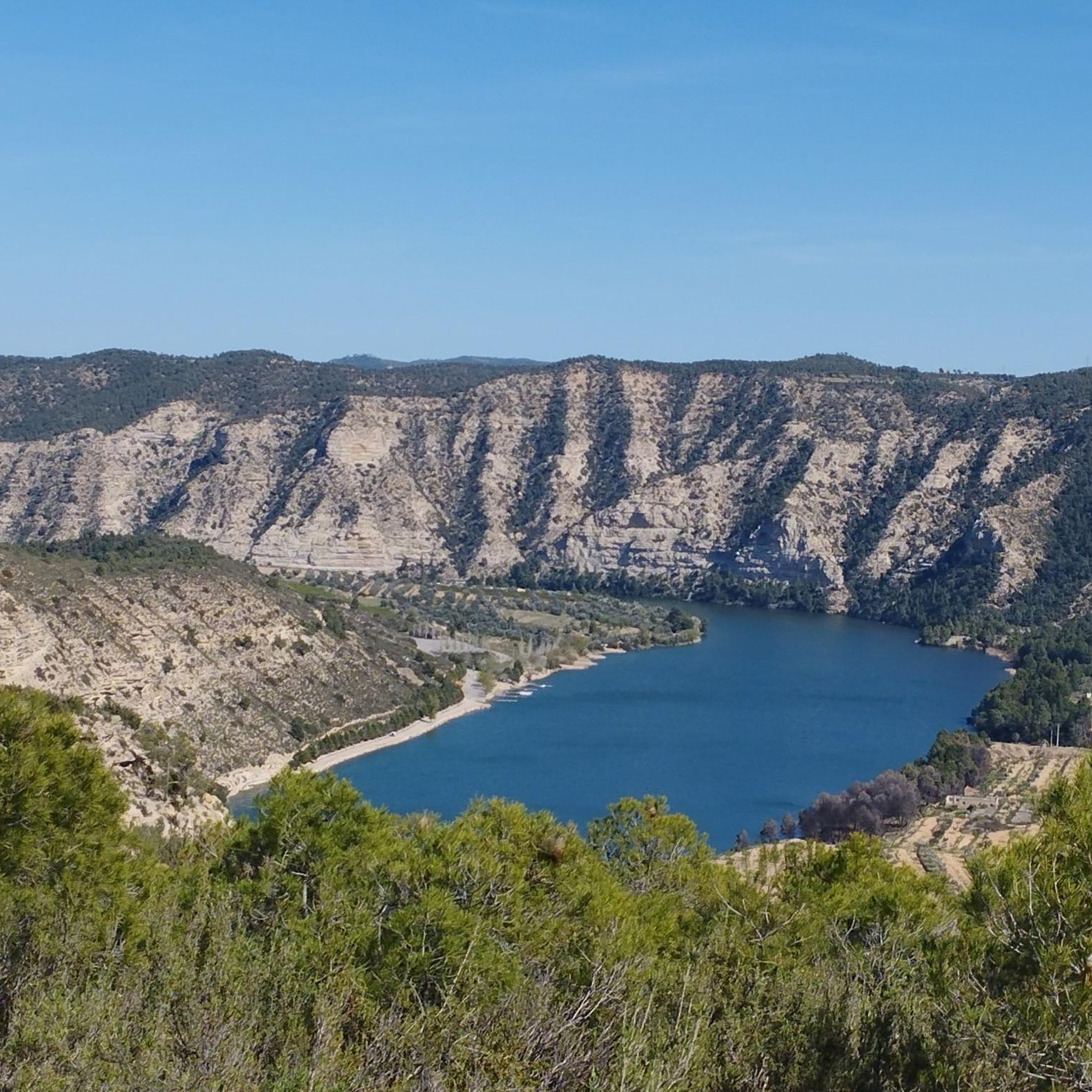
The spire was restored in 2004 by the Fayón City Council with financial support from the Endesa Foundation. The only remnant is the church of San Juan Evangelista (16th century) from old Fayón, of which only the tower remains and has been declared a cultural asset by the government.
10
0
THE MINETA “La Mineta” entered the history of Fayón in the early years of the 20th century with the coal boom that led to the start of numerous mining projects in the municipality. The presence of an underground watercourse prevented exploitation of this mine and the site was abandoned.
10
0

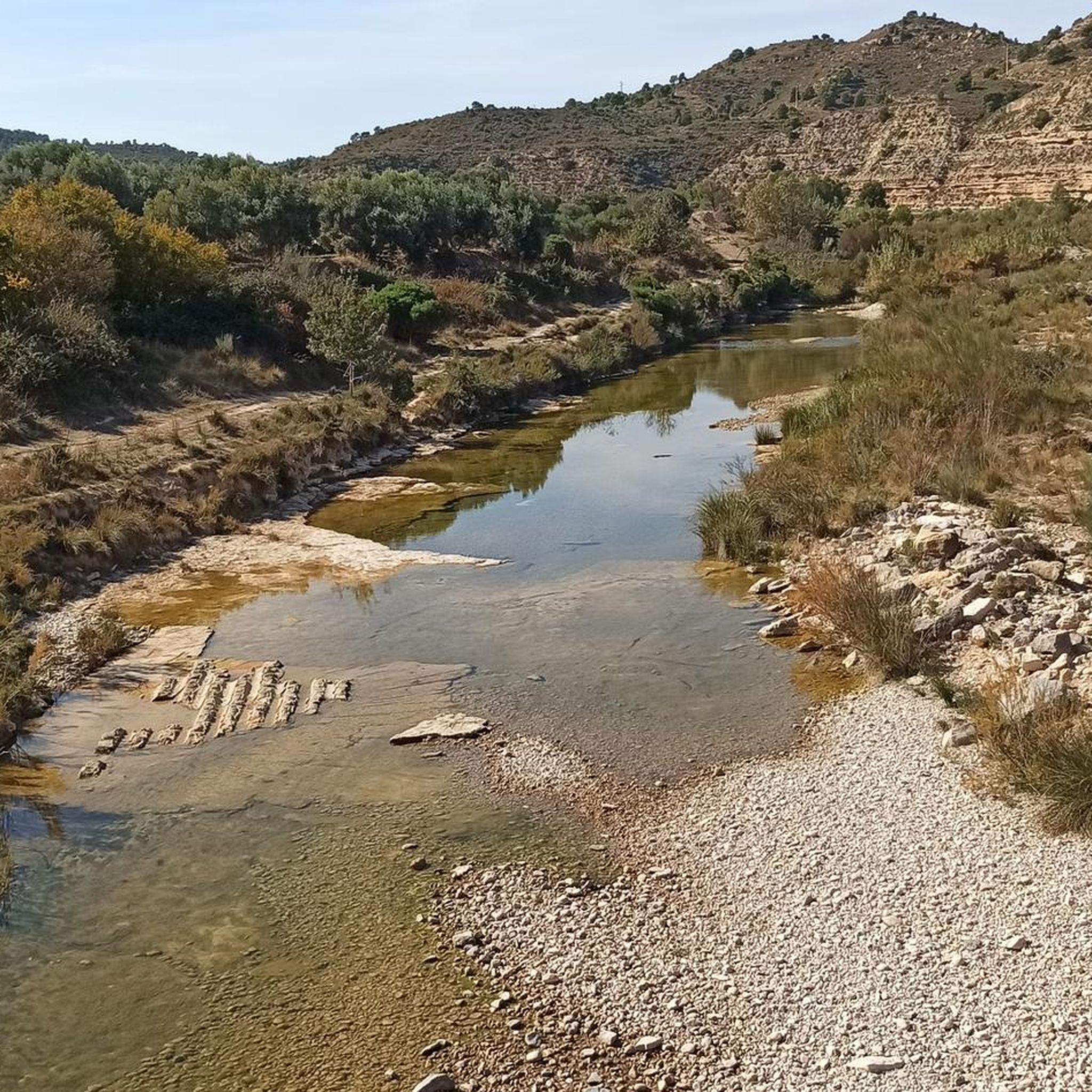
Etapa 1. Valdealgorfa/Fayón 85 kilómetros. 730 metros positivos. Los ingenieros que diseñaron el ferrocarril de la Val de Zafán tuvieron la maestría, seguramente imprevista, de calcular con toda exactitud el túnel de Valdealgorfa para que la boca oriental coincida con la salida del sol el día del equinoccio de otoño, cuando los rayos del gran astro solar entran directamente en la recta de dos kilómetros y medio que mide el túnel y crean una magia especial. La entrada occidental del famoso Túnel del Equinoccio está en la estación de Valdealgorfa pero tiene una puerta que avisa de la falta de mantenimiento. Los hitos del Camino Natural no entran en el célebre túnel por seguridad y dejamos la travesía por el interior del túnel para la etapa de vuelta, que es bajada y resulta más cómodo porque hay bastante piedra suelta. La estación de Valdealgorfa conserva el estilo neomudéjar habitual en muchas construcciones del Bajo Aragón, en las explanadas de los viejos andenes hay sitio para dejar vehículos y también se puede aparcar en el estacionamiento de las piscinas municipales, unos doscientos metros antes de llegar. El track sale por la izquierda del edificio y recorre unas colinas agrícolas hasta que salva el Túnel del Equinoccio y entra en el trazado original del popular ferrocarril Sarmentero, como se conocía el tren en los pocos años que vivió su época gloriosa porque atravesaba grandes plantaciones de vides. Y también era llamado La Torica por la curiosa locomotora de carbón que tiraba de los vagones. El firme es excelente y mantiene una ligera subida hasta la estación de Valjunquera, que también está abandonada aunque conserva el estilo arquitectónico de la época en un acogedor ambiente de arqueología ferroviaria. El desvío de la vía verde está en la vieja estación de Valdeltorno, en plena sierra. En los bancales del valle hay olivos gigantes y los montes están poblados de coscoja, encinas, enebros, romeros y lentiscos. El viaje cicloturista deja el trazado ferroviario para la vuelta y continúa la aventura bikepacking por el Camino Natural del Matarraña-Algars. El río Matarraña nace bravo y salvaje en el Parrizal de Beceite y mantiene los ecosistemas fluviales poco alterados hasta la desembocadura en el Ebro, no hay grandes presas ni transformaciones del cauce pero es un río agrícola. La travesía del valle sigue caminos rurales por las orillas del río y muestra un paisaje de cultivos bien cuidados que aprovechan los recursos de regadío y el cálido clima mediterráneo. En un tramo hay que pasar con cuidado porque el carril del camino está bastante deteriorado por la escorrentía y tiene algo de maleza por la falta de uso. Un punto de interés es el yacimiento ibérico de San Cristóbal, en un cerro aislado enfrente de Mazaleón. La comarca es territorio de íberos y los interesados pueden visitar varios yacimientos a lo largo del recorrido. El camino no pasa por el pueblo, continúa por la vega del río y es importante seguir el track que ofrece una opción para evitar un tramo de cantos rodados no ciclable en el lecho natural del río, precisamente donde la ruta entra en la provincia de Zaragoza, aunque se pasa bien caminando. La ruta sigue después por Maella, pasa al pie de las murallas del imponente castillo, y el firme es magnífico para la gravel hasta el final de la etapa. En varios pasos del cauce del Matarraña no hay puentes y la travesía es por unos vados de hormigón que puden presentar problemas cuando la corriente lleva crecida, en estos casos hay unos bloques para atravesar el cauce caminando. El siguiente pueblo es Fabara, con callejuelas estrechas y ambiente medieval, es un paraje estratégico del valle del Matarraña desde tiempos remotos, tienes restos de un yacimiento de la Edad del Hierro, palacios y conserva un mausoleo romano de categoría. El tramo hasta Nonaspe es muy bonito por un paisaje de meandros fluviales poblados de campos de frutales encajados entre horizontes de montes esteparios. Y lo mejor llega después de la población, cuando el camino baja de nuevo al río, en la confluencia con el Algars, y recorre los últimos meandros del Matarraña antes de entrar en el remanso del embalse de Riba-roja y mezclarse con el Ebro. La cola del pantano forma un lago natural precioso poblado de aves, bosques ribereños y barquitas de pescadores. El camino del río termina en la carretera que sube al pueblo nuevo de Fayón, construido en 1967 para alojar a los habitantes de la población vieja cuando se levantó la presa de Riba-roja. Los hitos del Camino Natural suben directamente por un empinado camino de tierra pero en bicicleta es mejor usar la carretera. El camping y la pensión están en la parte alta, nada más entrar al conjunto urbano. En Fayón hay muchas alusiones a la batalla del Ebro, una de las contiendas más dramáticas y decisivas de la guerra civil española. En los alrededores hay una ruta turística señalizada para visitar enclaves y puestos bélicos del frente militar. Y también un mirador con vistas del embalse donde asoma la iglesia del pueblo viejo por encima del agua, que es el único resto en pie del Fayón original.
0
0

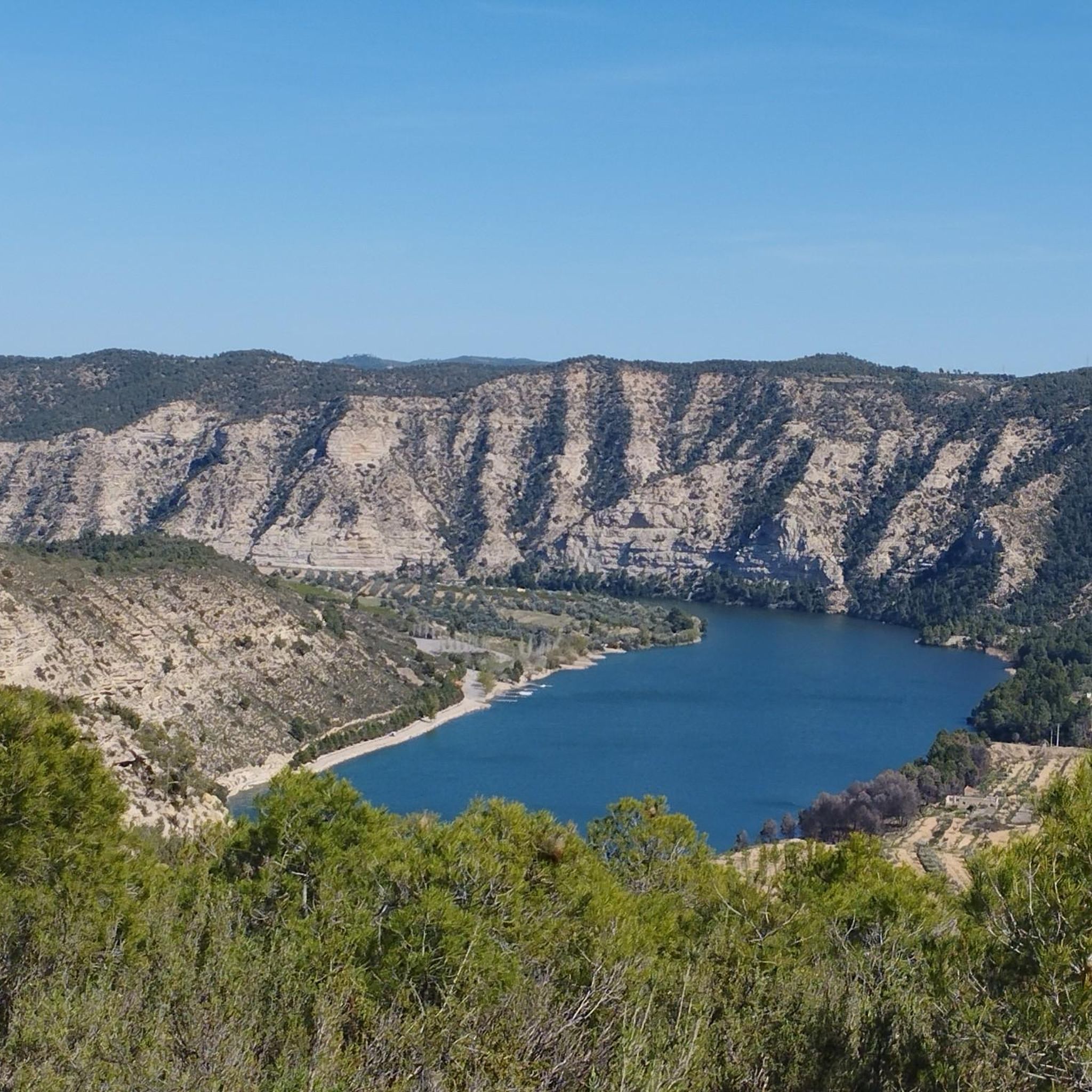
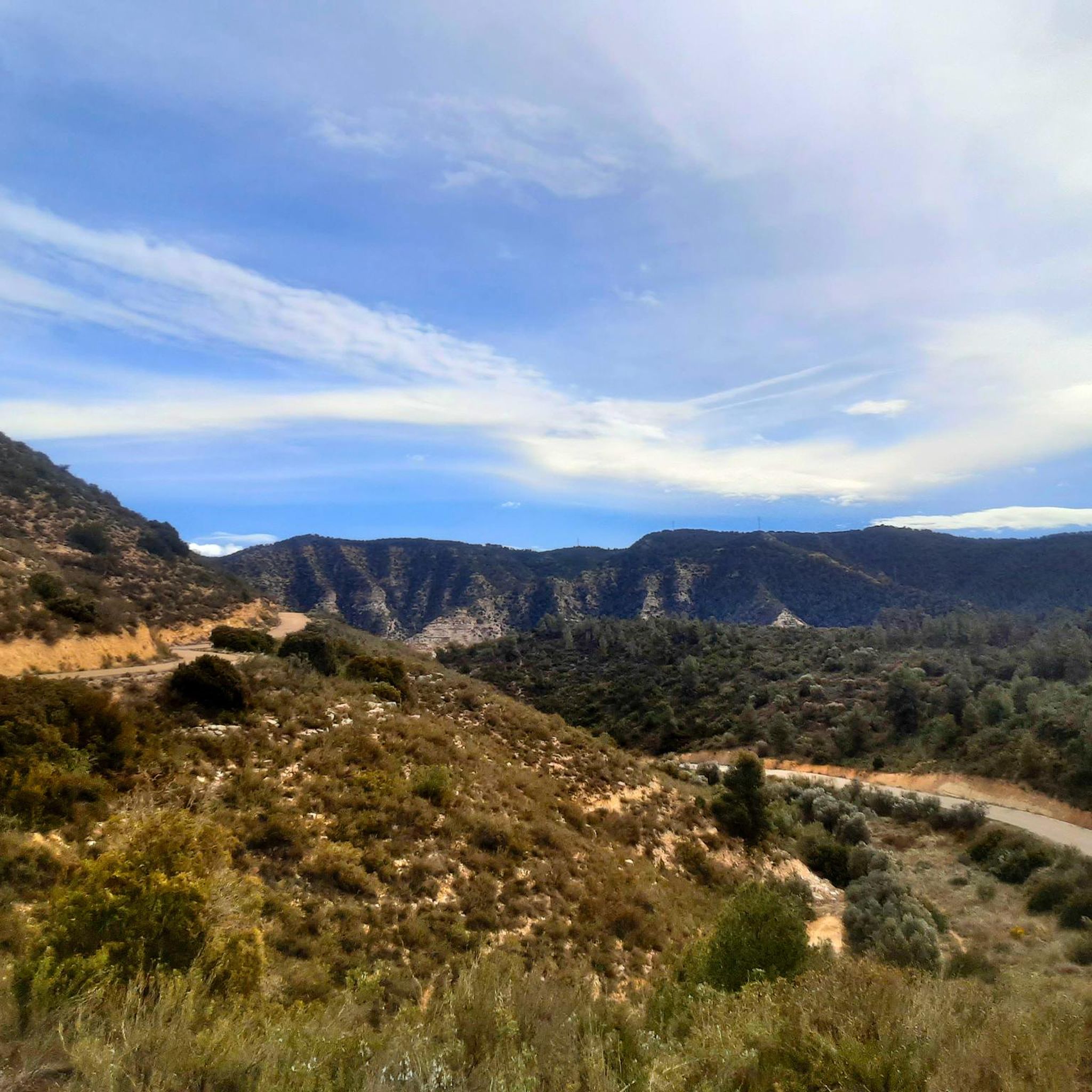
Located at the top of the hill, about seven kilometers away and with beautiful views of the town of Nonaspe, we find this building that was built as a watchtower during the third Carlist war in the 19th century to dominate the Matarraña valley.
1
0
Located at the top of the hill, about seven kilometers from the town of Nonaspe, we find this building that was built as a watchtower during the third Carlist war in the 19th century to dominate the Matarraña valley.
1
0
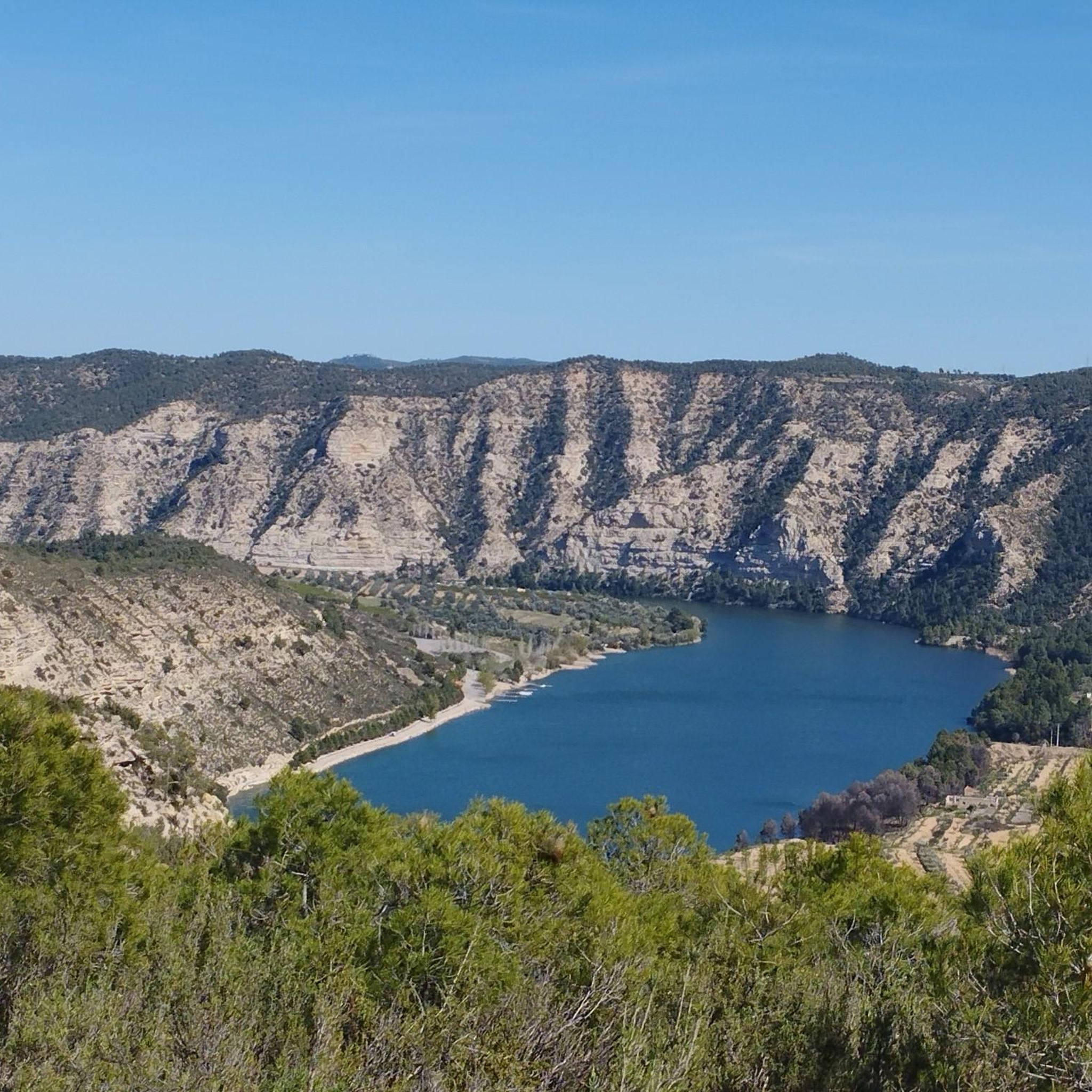
Very nice place to spend the day in nature, we will find a very large area with barbecues, tables to eat and if we want to access by car, a large parking lot.
1
0
Frequently Asked Questions
What historical and cultural sites can I explore in the Nonaspe area?
Nonaspe and its surroundings offer a rich array of historical and cultural sites. You can visit the Gothic Old Church Tower of Fayón, a 16th-century remnant declared a cultural asset. Within Nonaspe, explore the 13th-century Church of San Bartolomé, the Ethnological Museum showcasing local traditions, and the historic Nonaspe Castle, which now serves as the Town Hall. Don't miss the 18th-century Baroque Hermitage of Nuestra Señora de las Dos Aguas, located at a scenic river confluence, or the Roman Mausoleum of Fabara, considered one of the best-preserved of its type in the Iberian Peninsula.
Where can I find natural beauty and scenic viewpoints around Nonaspe?
For natural beauty, visit the picturesque confluence of the Matarraña and Algars rivers, where the Hermitage of Nuestra Señora de las Dos Aguas is located, offering a pleasant park area. The View of the Ebro River at Mequinenza Reservoir provides panoramic vistas of the Ebro flowing into the reservoir. You can also find the Roca del Saladá, a natural rock formation by the Algars River, and the Ribés Vulture Breeding Ground in the cliffs near the Matarraña River for wildlife observation. The Castellet de Faió, an old optical tower, also offers spectacular panoramic views of the area.
Are there hiking trails available near Nonaspe?
Yes, Nonaspe is an excellent base for hiking. You can explore various routes, including the "Ruta turística de la Piedra seca" (Dry Stone Route) and the "Ruta del Castellet de Faió." Sections of the "Camino Natural del Matarraña" also offer unforgettable landscapes of river meanders, fruit orchards, and steppe mountains. For more detailed routes, check out the hiking guide for Nonaspe, which includes trails like the moderate "Old Church Tower of Fayón – La Mineta loop from Faió - la Pobla de Massaluca" and the more challenging "Castillete de Fayón — circular from Nonaspe."
What cycling opportunities are there around Nonaspe?
Nonaspe offers diverse cycling opportunities, including mountain biking and touring. The Matarraña-Algars Nature Trail, which follows an old railway line, is perfect for scenic rides through river meanders and orchards. For mountain biking enthusiasts, there are routes like the "Castillete de Fayón and Sierra de Les Fites Loop." Road cyclists can find routes such as the "Castillete de Fayón y Mausoleo de Fabara — circular desde Nonaspe." You can find more routes in the MTB Trails around Nonaspe and Cycling around Nonaspe guides.
Are there any family-friendly attractions or activities in Nonaspe?
Yes, the area around the Hermitage of Nuestra Señora de las Dos Aguas is particularly family-friendly. It features a pleasant park with shaded areas, a camping area, barbecue facilities, and picnic tables, ideal for a day out with children. Many of the natural trails, especially easier sections of the Matarraña-Algars Nature Trail, are also suitable for families to enjoy together.
What archaeological sites can I visit in the Nonaspe region?
The Nonaspe area is rich in archaeological history. You can explore Iberian settlements such as Pontet and Vall de Batea, as well as ancient tombs at Los Vilárs and Sot de Franquet. Burial sites at Ribérs and rock carvings at Las Peñetas also offer insights into the region's past. Additionally, visitors can see trenches from the Civil War in the Pla de l'Alejandro area.
What is the best time of year to visit Nonaspe for outdoor activities?
While specific seasonal conditions can vary, the spring and autumn months are generally ideal for outdoor activities in Nonaspe. The weather is typically milder, making hiking, cycling, and exploring historical sites more comfortable than during the hotter summer months. The natural landscapes are also particularly vibrant during these seasons.
What is the Matarraña-Algars Nature Trail and what can I expect?
The Matarraña-Algars Nature Trail is a scenic path that follows the route of an old railway line. It offers views of river meanders, fruit orchards, and steppe mountains, connecting various towns along the Matarraña and Algars rivers. It's suitable for both cycling and walking, providing a unique perspective on the region's natural and agricultural landscapes. The trail is known for its well-maintained sections, though some parts may have loose stones or require careful navigation.
Can I observe wildlife in Nonaspe?
Yes, Nonaspe offers opportunities for wildlife observation, particularly for birdwatching. The Ribés Vulture Breeding Ground (Criadero de buitres de Ribés), located in the cliffs near the Matarraña River, is home to colonies of vultures. The confluence of the Matarraña and Algars rivers and the surrounding natural areas also provide habitats for various local species.
What is the significance of the Old Church Tower of Fayón?
The Old Church Tower of Fayón is a significant historical landmark. It is the sole remaining part of the 16th-century San Juan Evangelista church from old Fayón, which was submerged when the Riba-roja reservoir was created. This tower has been declared a cultural asset by the government and stands as a poignant reminder of the area's past.
Are there any unique historical structures related to past conflicts in the area?
Yes, the Castellet de Faió is an optical tower built during the Third Carlist War. Its purpose was to communicate and alert Nonaspe of Carlist incursions. Though named for its orientation towards Fayón, it is located in Nonaspe and offers historical insight into the region's defensive strategies. Additionally, you can find trenches from the Civil War in the Pla de l'Alejandro area.
Most popular attractions around Nonaspe

Get inspired with the komoot mobile app


Explore more
Still not found the Highlight you’re looking for? See guides of the top attractions in other regions:
