Attractions and Places To See around El Rourell - Top 20
Attractions and places to see around El Rourell offer a blend of historical landmarks, cultural sites, and natural features in the Alt Camp region of Tarragona. This area is characterized by its rural Catalan essence, with agricultural fields, traditional architecture, and significant historical structures. Visitors can explore ancient farmhouses, historical churches, and natural points of interest. The region provides diverse opportunities for outdoor exploration and cultural discovery.
Best attractions and places to see around El Rourell
- The most popular attractions…
Last updated: May 11, 2026
Les Ferreres Aqueduct (Devil's Bridge)
Highlight • Bridge
Translated by Google •
Tip by

Puig d'en Cama (717 m)
Highlight • Summit
Translated by Google •
Tip by

Sign up now to discover places like this
Get recommendations on the best single tracks, peaks, & plenty of other exciting outdoor places.
Sign up for free
Hermitage of Sant Pere del Puig
Highlight • Religious Site
Translated by Google •
Tip by
Castillo del Paborde
Highlight • Castle
Translated by Google •
Tip by
Les Ferreres Aqueduct
Highlight • Monument
Translated by Google •
Tip by

Sign up for free to discover even more attractions around El Rourell.
Sign up for free
Already have an account?
Start today with a free account
Your next adventure awaits.
Login or Signup


Tips from the Community

In the 1st century A.D., two long aqueducts were built to supply the city with water. The first, known as Aqua Augusta, was fed by the Gaià river and was approximately 50 km long. The second was fed by the Francolí river and was some 15 km long. The most spectacular surviving stretch belongs to the second aqueduct and consists of a 217-metre segment that stands 26 metres tall at its highest point and bridges a ravine. It was built from large ashlars stacked without mortar to form two tiers of arches. It is popularly known as the Pont del Diable (Devil’s Bridge) or the “Les Ferreres” Aqueduct.
0
0

It is worth stopping to see it and walk around and over it.
0
0

The aqueduct can be easily visited from a motorway parking lot
3
0

Good ramps with good pavement. It climbs well and is worth it.
0
0

Great building, very well preserved. You can cross it at the top. It's definitely worth a visit 🤩
2
1
Super beautiful building. Very well preserved. Definitely worth a visit 🤩
2
0

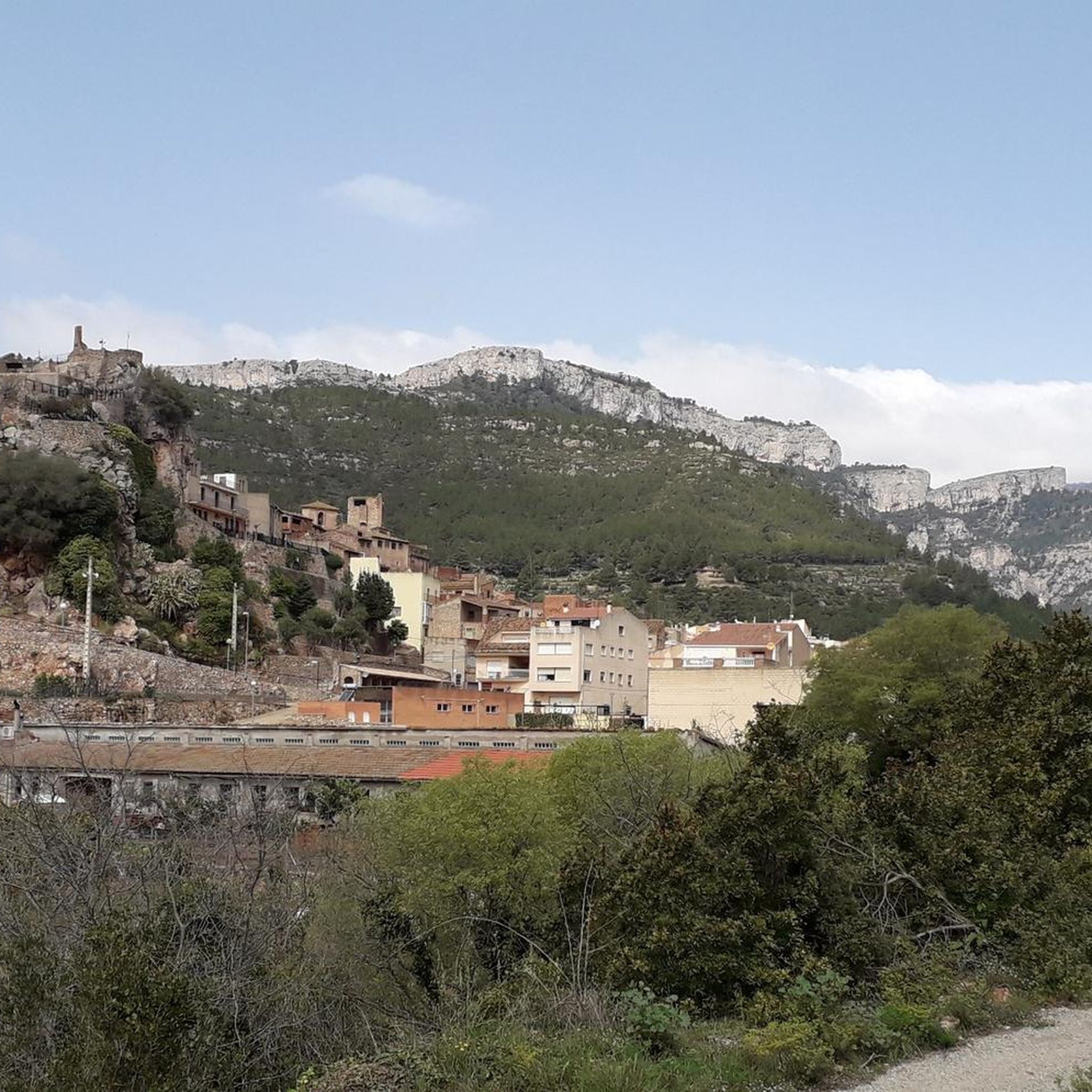
The Selva Castle was for centuries the stately residence of the prefects of Tarragona and the archbishops of the metropolis. It belonged to the Papordia of the archbishop of Tarragona, and was probably built at the end of the 12th century. It was a residence very frequented by the paborde, but it mainly served as a storehouse for nuts and tithes. In 1411 Pope Benedict XIII decreed the abolition of the pabordia and the Castle was administered directly by the Archbishop of Tarragona and in the s. In the 16th century, the building was expanded with residential buildings and an upper floor accessed by a staircase. The action of the Constituent Courts during the Biennium of 1822 ended, in fact, with the lordships. This work was complemented by the confiscation laws of the middle of the 19th century, and thus the Selva Castle would become the property or usufruct of the Town Council. Passing through various users after the ecclesiastical confiscation, the Castle, the town's largest heritage building had become a ruin that the Selvatans have lived with for decades. Finally, in a municipal economic boom, the City Council, entering the new millennium, decided to carry out an ambitious project such as that of restoring the monument and giving it a function of public use in accordance with its identity , a first-rate cultural facility.
0
0
The hermitage of Sant Pere has been redone on several occasions due to its poor state of preservation. The original hermitage dates from the middle of the 13th century, it was of Romanesque style and of larger dimensions. In addition, it was accompanied by an annexed house where the hermits and the donated lived, who were responsible for the maintenance of the cult and the lands attached to the hermitage. One of the most important reforms was that of 1588, under the supervision of Pere Blai (1553-1620) and which, according to some authors, would follow the Renaissance traces typical of the time. Finally, the last intervention took place throughout the 19th century and ended in the 1870s. The privileged position of the hermitage as a viewpoint of the Camp and first bastion of the mountains of the Sierra de la Mussara has been a determining factor for some military campaigns. During the French War (1808-1814), the Napoleons occupied the hermitage and adapted it to wartime needs. They had loopholes and parapets built there in order to defend themselves from attacks. However, the French were not the only ones to occupy the chapel militarily. During the First Carline War (1833-1840), clashes continued to occur between the supporters of Isabel II (1830-1904) and Charles V (1788-1855)
0
0
Frequently Asked Questions
What historical landmarks can I explore in and around El Rourell?
El Rourell and its surroundings are rich in history. You can visit the Casal dels Marquesos de Vallgornera (Castle of El Rourell), a 12th-century Templar sub-commandery with medieval elements. Also, explore the Iglesia Parroquial de Sant Pere, a 17th-century neoclassical church. Nearby, don't miss the impressive Roman aqueduct, Les Ferreres Aqueduct (Devil's Bridge), which supplied water to ancient Tarragona. The Hermitage of Sant Pere del Puig, a 13th-century Romanesque site with a rich military past, and the 12th-century Castillo del Paborde in La Selva del Camp, also offer fascinating historical insights.
Are there any natural attractions or viewpoints near El Rourell?
Yes, the area boasts several natural features and stunning viewpoints. The Gaià Reservoir offers a tranquil natural escape between Catllar, Vespella de Gaià, and Renau. For panoramic views, hike up Puig d'en Cama (717 m), part of the Prades mountains, where a geodesic vertex marks its summit. The Hermitage of Sant Pere del Puig also provides a privileged position as a viewpoint of the Camp.
What kind of outdoor activities can I do near El Rourell?
The region around El Rourell is excellent for various outdoor activities. You can find numerous routes for running, gravel biking, and road cycling. For running, explore options like the 'Vilallonga loop from el Morell' or 'Running loop from el Morell', with routes ranging from easy to moderate. Gravel biking offers more challenging rides such as the 'Riudecanyes Reservoir – View of the Duesaigües Viaduct loop'. Road cyclists can tackle routes like 'Port de Mont-ral – Alt de la Mussara loop'. You can find more details on these activities in the Running Trails around El Rourell, Gravel biking around El Rourell, and Road Cycling Routes around El Rourell guides.
Are there family-friendly attractions or activities in the El Rourell area?
Yes, several attractions are suitable for families. The Les Ferreres Aqueduct (Devil's Bridge) is a great spot for a family outing, offering idyllic hiking trails and picnic areas. The Hermitage of Sant Pere del Puig is also considered family-friendly, offering a pleasant walk to a historical site with views. Exploring the historic town center of El Rourell itself is a gentle activity for all ages.
What is the best time of year to visit El Rourell for outdoor activities?
The region around El Rourell, with its Mediterranean climate, is generally pleasant for outdoor activities for much of the year. Spring (April-May) and autumn (September-October) are often ideal, offering mild temperatures perfect for hiking, cycling, and exploring historical sites without the intense summer heat. Summer can be warm, but early mornings or late afternoons are still suitable for activities, especially near natural escapes like the Gaià Reservoir.
Can I find hiking trails with good views near El Rourell?
Absolutely. For spectacular panoramic views, the climb to Puig d'en Cama (717 m) is highly recommended. The trails leading to its summit are well-marked and offer 360-degree vistas. Additionally, the Hermitage of Sant Pere del Puig, situated on a hill, provides excellent views of the surrounding Camp region.
What cultural events take place in El Rourell?
El Rourell hosts a couple of notable cultural events. The annual Medieval Fair, held every May, transports visitors back to the village's origins. Additionally, the significant Fiesta del Sagrado Corazón (Feast of the Sacred Heart) takes place every ten years in October, during which the streets are beautifully adorned with flowers and plants, attracting many visitors. The last celebration was in 2016.
Are there any ancient Roman sites to visit in the area?
Yes, the most prominent ancient Roman site is the impressive Les Ferreres Aqueduct (Devil's Bridge). This over 200-meter-long aqueduct was a crucial part of the water supply system for the ancient city of Tarragona, transporting water from the Francolí River. It's a significant historical attraction in the region around El Rourell.
What is the significance of the Casal dels Marquesos de Vallgornera in El Rourell?
The Casal dels Marquesos de Vallgornera, also known as the Castle of El Rourell, is a central landmark in the village's historic core. Dating back to the 12th century, it originally served as a Templar sub-commandery before becoming the property of the Marquesses of Vallgornera. This imposing quadrangular building features medieval elements, Gothic windows, and two incorporated towers, reflecting centuries of history. While privately owned, visits can sometimes be arranged by prior appointment.
What do visitors enjoy most about the attractions around El Rourell?
Visitors particularly appreciate the blend of historical significance and natural beauty. The Les Ferreres Aqueduct is loved for its historical context and the surrounding hiking and picnic opportunities. The challenging climb to Puig d'en Cama is highly rated for its spectacular 360-degree views. The Gaià Reservoir is a popular spot for its beautiful natural setting. Overall, the komoot community has shown great appreciation, with over 400 upvotes and more than 290 photos shared across the attractions.
Are there any easy walking routes or trails suitable for beginners near El Rourell?
While specific 'easy' walking routes are not detailed for every attraction, the trails around the Les Ferreres Aqueduct are generally considered idyllic and suitable for leisurely walks. Additionally, exploring the historic town center of El Rourell and the immediate surroundings of the Hermitage of Sant Pere del Puig can offer pleasant, less strenuous walking experiences. For running, there are 'easy' graded routes like the 'Vilallonga loop from el Morell' which could also be walked.
What is the agricultural heritage of the El Rourell area?
El Rourell is deeply rooted in its agricultural heritage, characteristic of rural Catalonia. The area surrounding the village is dotted with ancient farmhouses, known as masías, which stand amidst extensive fields of carob trees, olive groves, and vineyards. This landscape reflects centuries of farming tradition and provides scenic views that are integral to the region's charm.
Most popular routes around El Rourell
Most popular attractions around El Rourell

Get inspired with the komoot mobile app


Explore more
Still not found the Highlight you’re looking for? See guides of the top attractions in other regions:
