The best walks and hikes around El Morell
4.4
(819)
5,497
hikers
246
hikes
Hiking around El Morell offers diverse terrain shaped by the Francolí River and surrounding hills in the Tarragona province of Catalonia. The region features a blend of riparian landscapes and more mountainous, wooded areas, particularly within the Prades mountains. Notable natural features include Puig d'en Cama, a hill offering panoramic views, and varied terrain suitable for exploration. This area provides accessible trails around historical sites and natural pathways.
Best hiking trails around El Morell
- The most popular hiking route is…
Last updated: August 14, 2026
4.4
(18)
197
hikers
Moderate hike. Good fitness required. Easily-accessible paths. Suitable for all skill levels.
5.0
(3)
16
hikers
12.2km
03:36
330m
330m
Moderate hike. Good fitness required. Mostly accessible paths. Sure-footedness required.

Sign up for free
3.5
(2)
9
hikers
Easy hike. Great for any fitness level. Easily-accessible paths. Suitable for all skill levels.
7
hikers
Hard hike. Very good fitness required. Mostly accessible paths. Sure-footedness required.
3.0
(2)
4
hikers
8.38km
02:15
110m
110m
Moderate hike. Good fitness required. Easily-accessible paths. Suitable for all skill levels.
Get access to more routes and recommendations from other explorers.
Sign up for free
Already have an account?
Our route recommendations are based on thousands of hikes, rides, and runs completed by other people on komoot.
Start today with a free account
Your next adventure awaits.
Login or Signup
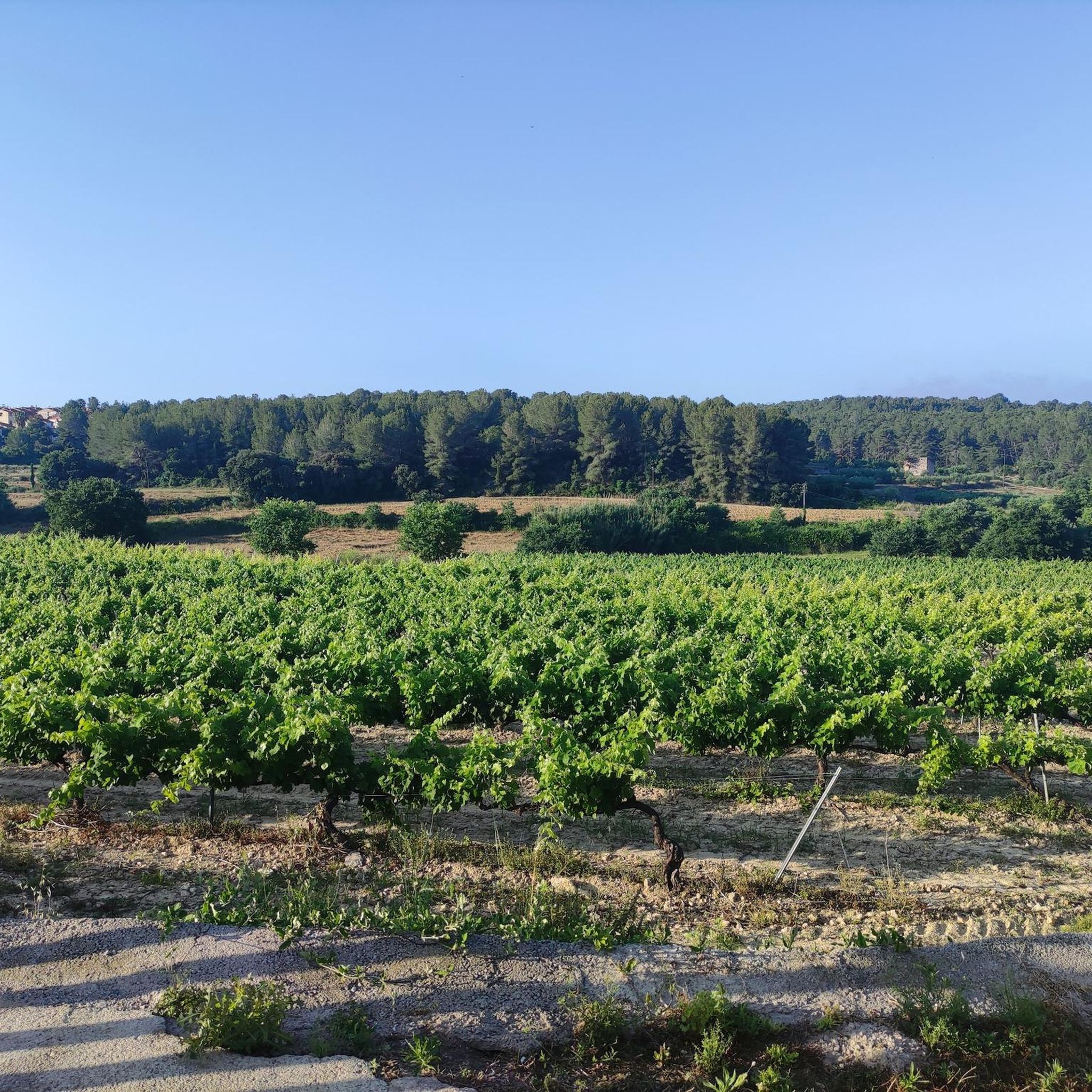
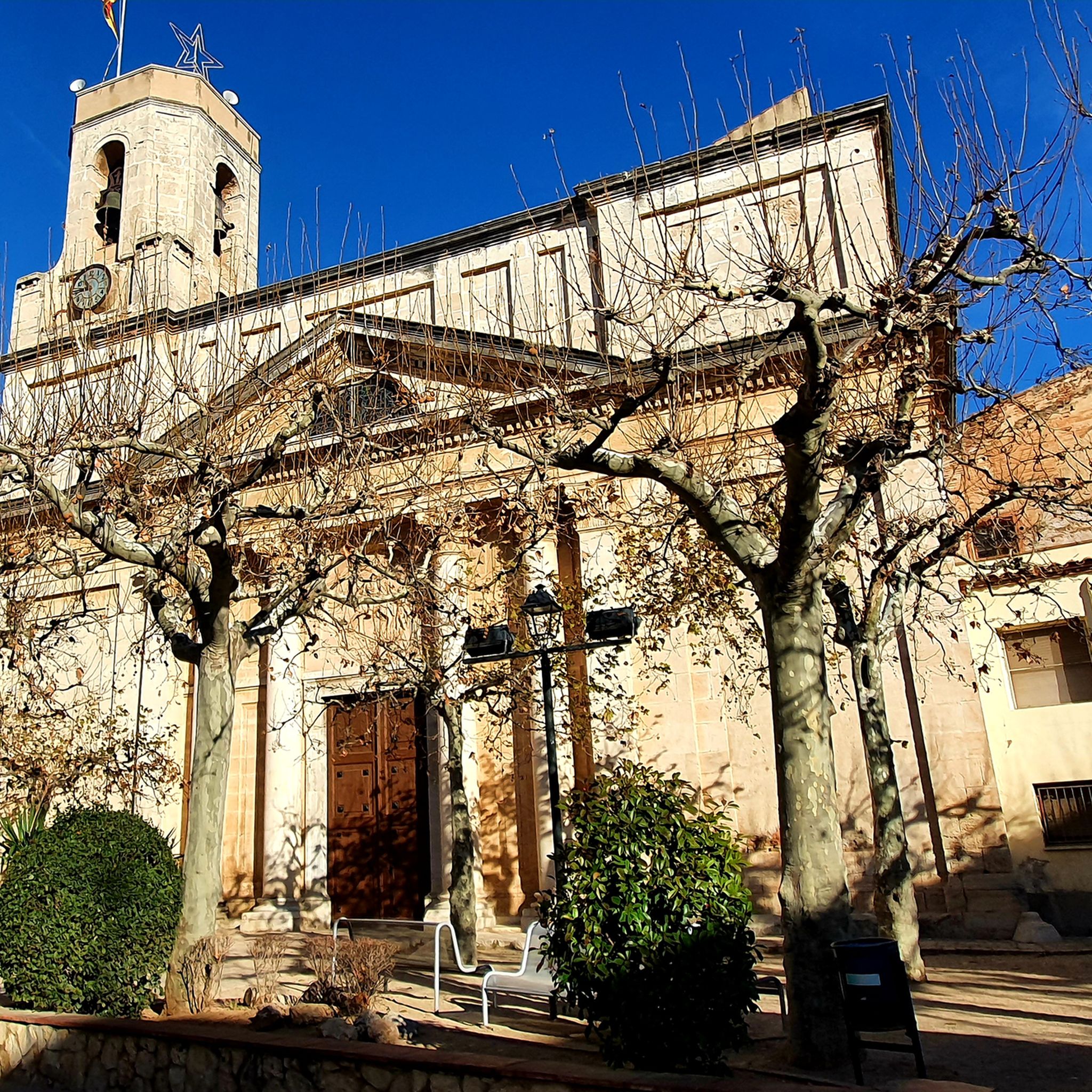
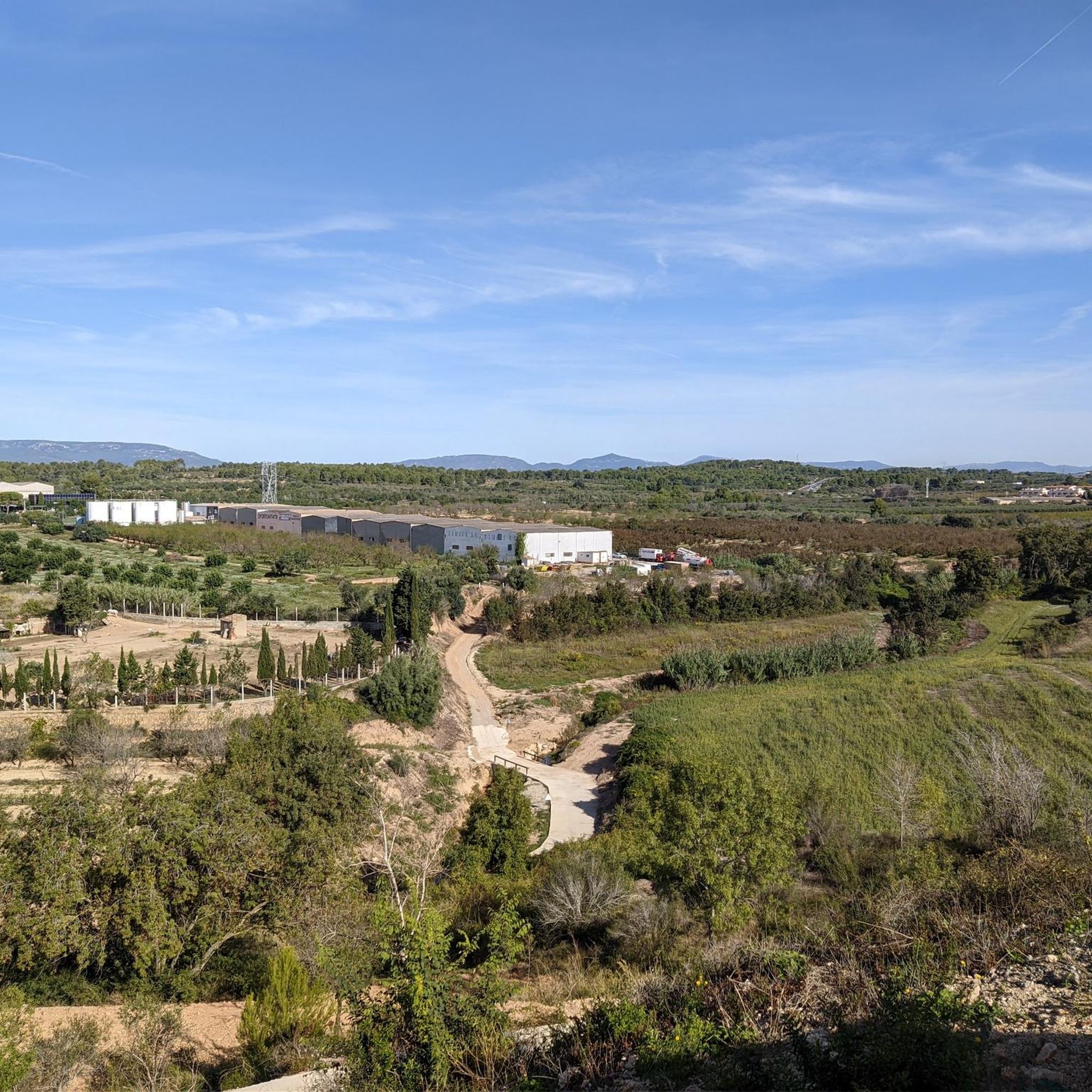

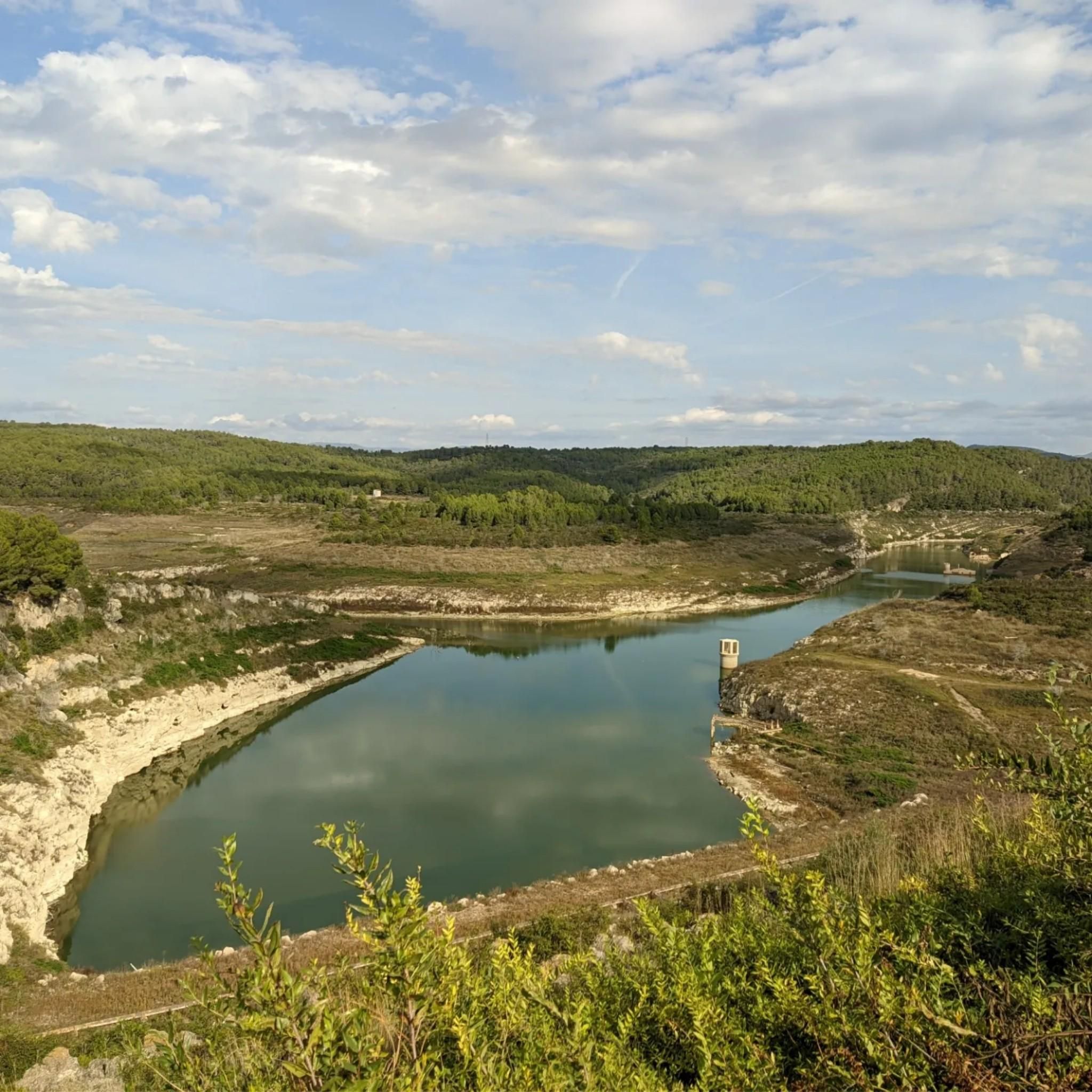
Tips from the Community

A nice trail that also allows us to learn a bit of history about how water was brought to La Selva del Camp in the past.
1
0


The Rovellat or Més Avall mill must be related to a series of hydraulic mills that took advantage of the same water drop from the Riera de la Selva. There were nine mills that worked with the same water, which was going to end up in the town of Selva del Camp. The mill was used for many centuries. This is indicated by the agreements and acts of sale, such as the one of 1653, where reference is made to the sale of the mills of Mig and Més Avall, owned by the common, located on the Sant Pere road.
0
0
The channelization of the waters is a work that cannot be dated exactly, but throughout the 13th century there are many documented references. La Resclosa collects water from the Riera, and through the Dry Bridge it is led to the town’s Rec. Above the parabolic stone bridge you can see the remains of the cacao mill from the Pont or Porta mill, which in 1285 belonged to Joan Mulné.
0
0
This emblematic monument popularly known as the Bridges, a name that comes from its two arches, is an aqueduct originally from the s. XIII that was built to raise water from the Rec to the town wall in order to supply the Molí de la Canal in the courtyard of the Butchery, on the Castle wall. Before it was built, the water ran along the ground and when the mill was built it was necessary to raise the water level in order to cover the tank. On one of the walls there is a commemorative tombstone with a text written in Latin that refers to the stone cladding works of the Rec that, begun in 1539, are said to have been completed in 1557, a time when the aqueduct itself had to be restored.
0
0
The Romanesque church The current church of Sant Andreu was built on top of a Romanesque church that was in the same place. Although the first reference places it in the 12th century, the original trace is not known. It had smaller dimensions and was also dedicated to Sant Andreu. Beyond its walls, there was a moat on the southern facade, which was the first cemetery of La Selva. Right in front of the church there was a porch where the General Councils of the town and, on occasion, those of the Comuna del Camp met. The Renaissance church The current church of Sant Andreu dates from the end of the 16th century and was designed by Pere Blai (1553-1621). It is one of the few works of the Mannerist Renaissance in Catalonia and is distinguished by its rectangular plan, the lateral chapels communicating with each other and the height inspired by the proportions of Vitruvius Man. The dome on a drum, one of the most innovative architectural features of the building, help to distinguish the church on the horizon.
0
0
Until well into the 20th century, in most squares or courtyards in the municipality there were public fountains to supply the population with running water. But before the 16th century there had only been one public fountain in the whole town, that of the Castle. That is why, in 1519, by decision of the Comú de la Selva, another one was built, the Font Nova or de Mitja Vila. Initially, the Font de Mitja Vila received water from "the water lily of the Calsinada courtyard", but from 1665 it was decided to bring it from the Rec de la Vila, as it was considered cleaner. Later, new fountains were built in most of the courtyards of the old town along the main street: in Plaça de l’Hospitalet, Plaça Major, Portal d’Avall or Portal de Mates; nowadays most of them have disappeared. In the decade of 1950, the repair of the source was carried out, due to the poor state of conservation. It was then that he took the opportunity to move it inside and create a square in front. It was also at this time when the old Chapel of the Angels was demolished.
0
0
The Baró tower, or Sol de la Vila tower, known in the 14th century as the Beixa tower, is one of the most impressive in the complex due to its privileged location in the Plaza del Portal d'Avall. Its modern name, Torre del Baró, links it to the adjacent mansion that was owned by the barons of Montoliva, from Vilallonga del Camp. Its relationship with La Selva was evident when Pau de Magrinyà, in 1723, was appointed councilor of the municipality.
0
0
Frequently Asked Questions
What types of hiking trails can I find around El Morell?
El Morell offers a diverse range of hiking trails, from gentle riverside paths along the Francolí River to more challenging ascents in the nearby Prades mountains. You'll find a mix of riparian environments and forested landscapes, suitable for various fitness levels.
Are there any easy hiking trails suitable for beginners or casual walkers?
Yes, El Morell has a good selection of easy trails. Out of 240 total routes, 94 are classified as easy. An example is the Castillo del Paborde – Hermitage of Sant Pere del Puig loop from la Selva del Camp, which is 3.6 miles (5.9 km) long and generally takes less than 2 hours to complete.
What are some notable landmarks or points of interest I can see while hiking in El Morell?
Hiking in El Morell often combines natural beauty with historical sites. You can explore the ancient Roman aqueduct, Les Ferreres Aqueduct (Devil's Bridge), or visit historical structures like the Castillo del Paborde and the Hermitage of Sant Pere del Puig. For panoramic views, the Puig d'en Cama (717 m) is a prominent summit offering spectacular vistas.
Are there any circular hiking routes in El Morell?
Yes, many trails in El Morell are circular, allowing you to start and end at the same point. A popular moderate option is the Camino de la Coma por la Ermita de Sant Pere del Puig — circular desde Selva del Camp, which is 4.6 miles (7.4 km) long.
What do other hikers enjoy most about the trails in El Morell?
The hiking routes in El Morell are highly rated by the komoot community, with an average score of 4.36 stars from over 600 reviews. Hikers often praise the diverse terrain, the blend of natural beauty with historical sites, and the extensive panoramic views, especially from spots like Puig d'en Cama.
Are there any hikes with great viewpoints in the El Morell area?
Absolutely! The Puig d'en Cama (717 m) is a major draw for hikers seeking views. The Puig d'en Cama Loop Trail leads to its summit, providing spectacular 360-degree panoramic views of the surrounding landscape.
What is the best time of year to go hiking in El Morell?
The region around El Morell generally offers pleasant hiking conditions for much of the year. Spring and autumn are particularly ideal, with milder temperatures and vibrant natural scenery. Even winter can be suitable for hiking, though it's always wise to check local weather conditions.
Are there family-friendly hiking options in El Morell?
Yes, El Morell offers several trails suitable for families. Many of the easier routes, particularly those along the Francolí River or shorter loops that incorporate historical sites, are great for all ages. The varied terrain ensures there are options for different energy levels.
Can I bring my dog on the hiking trails in El Morell?
While specific regulations can vary by trail or protected area, many trails in El Morell are generally dog-friendly. It's always recommended to keep your dog on a leash, especially in areas with wildlife or near livestock, and to carry waste bags to clean up after your pet.
How long do hikes around El Morell typically take?
Hikes around El Morell vary greatly in duration. You can find shorter walks, like the Castillo del Paborde – Hermitage of Sant Pere del Puig loop, which takes about 2 hours. Longer, more challenging routes, such as the Puig d'en Cama Loop Trail, can take nearly 4 hours.
Are there options for public transport or parking near the trailheads in El Morell?
El Morell is a municipality in the Tarragona province, and while specific trailhead parking details vary, many routes are accessible by car with parking available in or near the starting villages. Public transport options might be more limited for direct trailhead access, so checking local bus schedules for the specific starting point of your chosen route is advisable.
Most popular routes around El Morell
Most popular attractions around El Morell

Get inspired with the komoot mobile app


Explore more
Browse the best Hikes in other regions.
