Attractions and Places To See around Encinillas - Top 20
Best attractions and places to see around Encinillas include historical landmarks and architectural marvels. The region offers a blend of cultural heritage and significant historical sites. Visitors can explore ancient Roman engineering and impressive Gothic architecture. The area provides a variety of attractions to see and explore, focusing on its rich past.
Best attractions and places to see around Encinillas
- The most popular attractions is Aqueduct of Segovia, a man-made monument that dates back to the 1st century AD. This impressive architectural structure was built by the Romans to supply water to the city of Segovia.
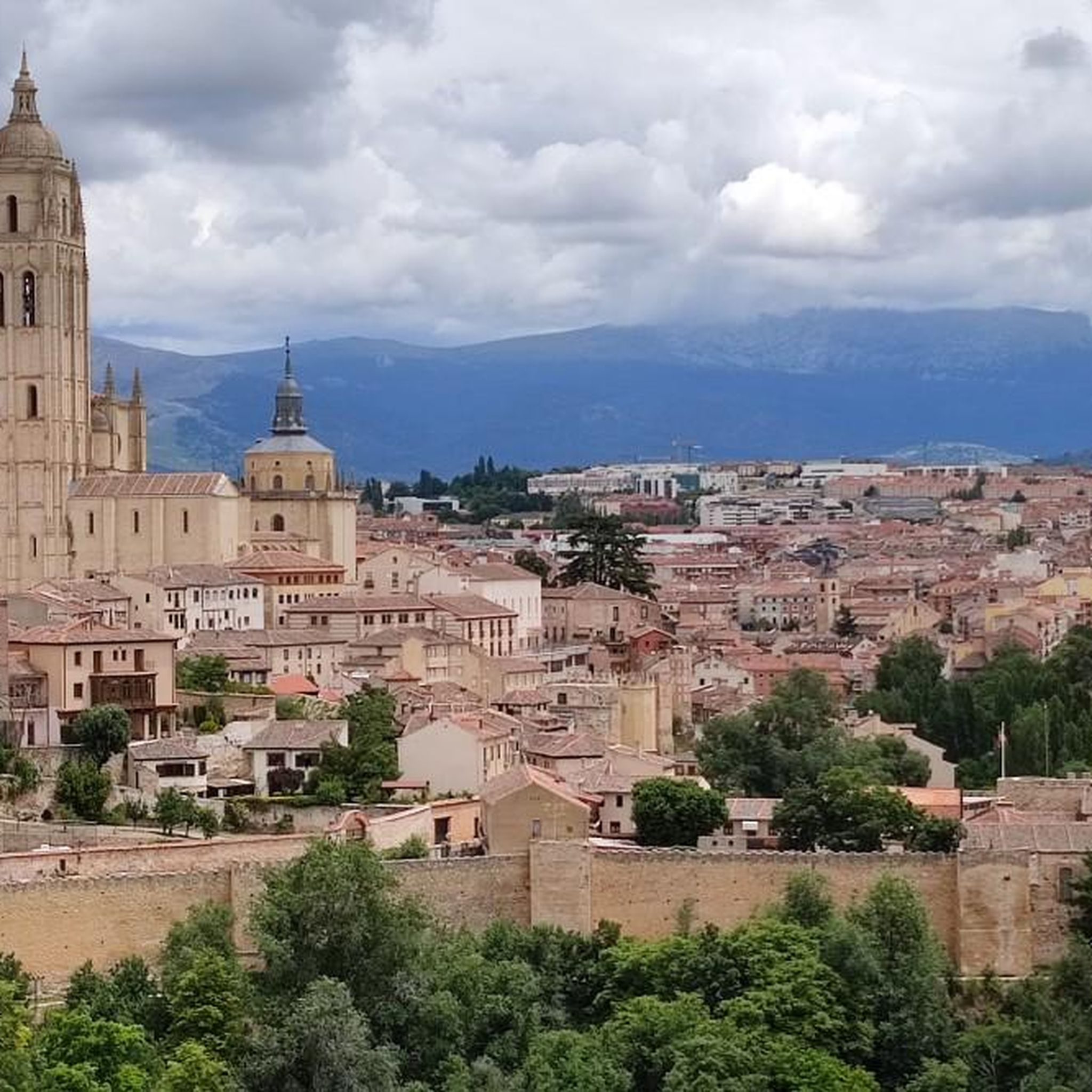
- Another must-see spot is Segovia Cathedral, a religious building constructed between the 16th and 18th centuries. It is one of the latest Gothic cathedrals in Spain and a significant historical heritage site.
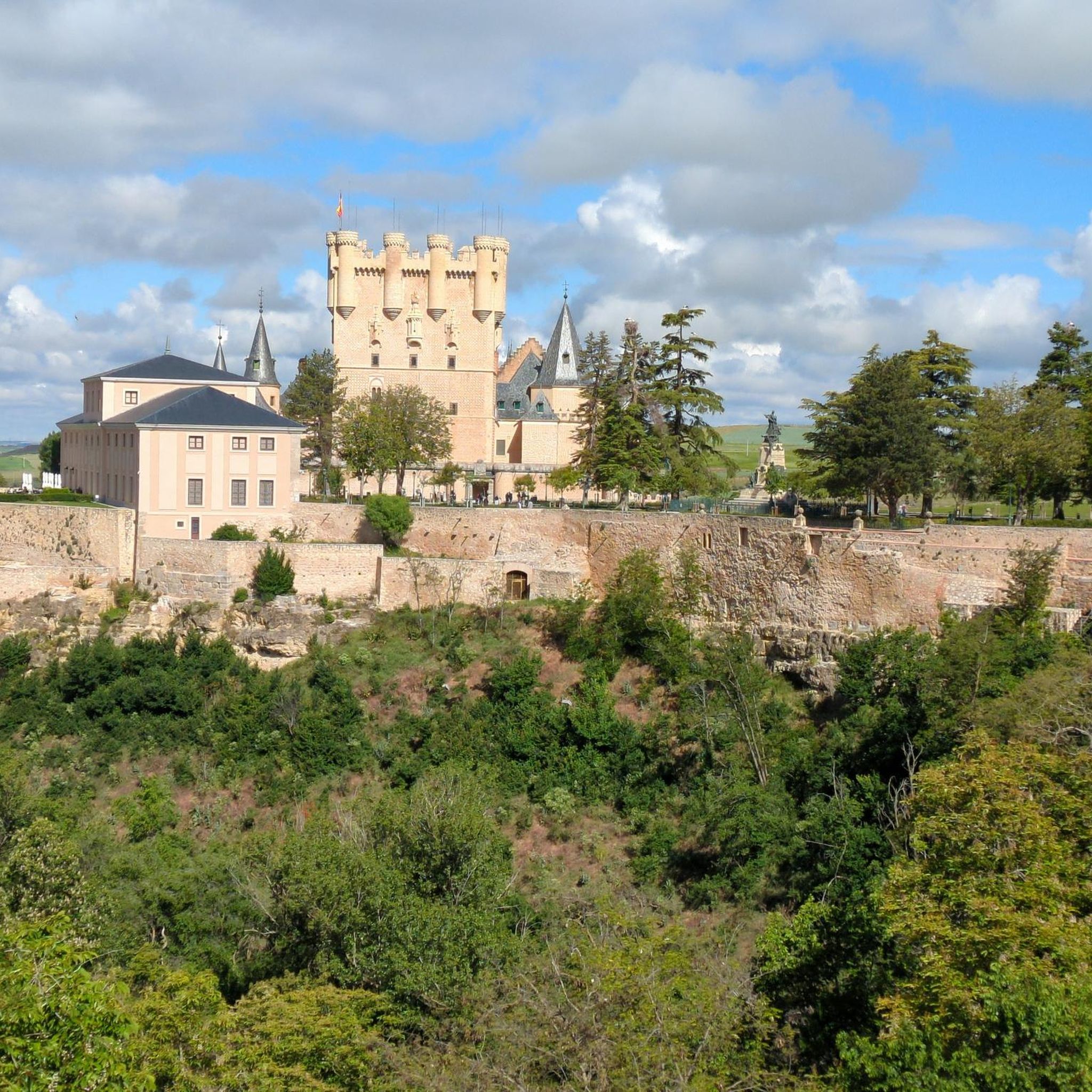
- Visitors also love Alcázar of Segovia, a medieval castle. This historical site served as a residence for Castilian kings and offers views over Segovia.
- Encinillas is known for historical landmarks, cultural sites, and architectural wonders. The region offers a variety of attractions to see and explore.
- The attractions around Encinillas are appreciated by the komoot community, with more than 180 photos and over 200 upvotes shared by explorers.
Last updated: June 23, 2026
Aqueduct of Segovia
Highlight • Monument
The Segovia Aqueduct is a heraldic symbol of the city and one of the most impressive works that the Romans left in their vast empire. If you ever have the opportunity to visit, I recommend that you do so. It's really amazing! 😊🏛️
Translated by Google •
Tip by

Segovia Cathedral
Highlight • Religious Site
Translated by Google •
Tip by
Sign up now to discover places like this
Get recommendations on the best single tracks, peaks, & plenty of other exciting outdoor places.
Sign up for free
Alcázar of Segovia
Highlight • Castle
Its rooms were the resting place of Alfonso X el Sabio (1221-1284), the astronomer king. From them came out, on December 13, 1474, Isabella the Catholic to be proclaimed. The wake mass for the marriage of Felipe II and Ana de Austria (1570) was celebrated in its chapel.
Translated by Google •
Tip by
Old Hontanares de Eresma Station
Highlight • Monument
Translated by Google •
Tip by

Church of the Vera Cruz
Highlight • Religious Site
Translated by Google •
Tip by
Sign up for free to discover even more attractions around Encinillas.
Sign up for free
Already have an account?
Start today with a free account
Your next adventure awaits.
Login or Signup


Tips from the Community

Information about the “Acueducto de Segovia” and many more photos can be found in the corresponding hiking highlight at => https://www.komoot.com/de-de/highlight/4225055
3
0

Fantastic construction, it impressed me as much as the first time I saw it as a child.
3
0
The trip, the gardens, and the building itself are worth it.
3
0
This church, which is dedicated to the Holy Cross (Latin “Santa Croce” / Spanish “Santa Cruz”), draws its patronage from the cross on which Jesus Christ died. The veneration of the Holy Cross goes back to a large extent to Saint Helena, who was the mother of Emperor Constantine the Great (who recognized Christianity as a religion after his victory at the “Milvian Bridge” in front of Rome and in the year 312 for a long time the persecution ended with the “tolerance edict” of Milan). In the early fourth century she undertook a pilgrimage to the Holy Land (Israel / Palestine) and from there brought numerous relics with her to Europe, including the “True Cross” (“VERA CRUZ”) on which Jesus Christ was crucified. Helena is therefore often depicted with a cross as an attribute. The church celebrates the festival of the discovery, public presentation and veneration of the Holy Cross – called “Exaltation of the Cross” – on September 14th.
1
0
The patronage of this episcopal church (cathedral) "Nuestra Señora de La Asunción" (sometimes also called "Santa Maria Asunción", in German-speaking countries it is called "Mariä Himmelfahrt") refers to one of the many memorial or feast days in honor of the Mother of God Mary in the church year. It goes back to the feast of her bodily assumption into heaven, which the (Catholic) Church celebrates annually on August 15th. In Orthodox churches, the feast is celebrated under the name "Maria Entschläfung". In more rural areas, it is part of local custom - depending on the region - that on this day bundles of herbs are collected by the population and blessed in the festive service.
3
0

The Cathedral of Segovia is a historical heritage of Spain and an asset of cultural interest. This majestic cathedral, located in the city of Segovia, is a stunning testament to Gothic architecture and a gem that attracts visitors from all over the world.
7
0
The Segovia Aqueduct is an impressive architectural structure that dates back to the 1st century AD. C. and was built by the Romans during the occupation of Hispania. Its main function was to supply water to the city of Segovia, transporting it from the mountains to the urban center. The aqueduct carries the waters of the Fuenfría spring, located in the mountains about 17 kilometers from the city, to the center of Segovia. The water is collected in a cistern called El Caserón and then taken through an ashlar canal to a second tower known as Casa de Aguas. After traveling more than 15 km, you arrive at the city. The Segovia Aqueduct is a heraldic symbol of the city and one of the most impressive works that the Romans left in their vast empire. If you ever have the opportunity to visit, I recommend that you do so. It's really amazing! 😊🏛️
13
0
Frequently Asked Questions
What is the primary focus of attractions in Encinillas?
Attractions in Encinillas primarily revolve around its historical significance and its burgeoning wine region. The area is known for the historic Hacienda de Encinillas and its associated winery, Bodega Encinillas, set within the Valle de Encinillas.
Can I visit the Hacienda de Encinillas?
Yes, the Hacienda de Encinillas is a central attraction. Founded in 1707, this historic site represents centuries of regional history and played a role in significant events, including conflicts with Apache leaders and the Mexican Revolution.
What can I experience at Bodega Encinillas?
At Bodega Encinillas, the winery associated with the Hacienda, visitors can learn about its award-winning wines. The vineyards are cultivated at an altitude of 1,560 meters (about 5,000 feet), contributing to the unique quality of the grapes. The winery aims to promote wine tourism in the future.
What types of wines are produced at Bodega Encinillas?
Bodega Encinillas is known for producing a variety of distinctive wine styles, including Cabernet Sauvignon, Chardonnay, Merlot, Shiraz, and Tempranillo. They employ organic and sustainable agricultural practices.
Is there a historical trail near Encinillas?
Yes, the Hacienda de Encinillas is situated alongside the tricentenarian Camino Real. This historic trail connected Mexico City with Santa Fe, New Mexico, serving as a vital route for trade and communication, and has been declared a World Heritage Site.
What natural features are notable in the Encinillas region?
The Valle de Encinillas itself offers favorable climatic conditions and a distinct gravel-clay soil, crucial for viticulture. The high altitude provides significant thermal amplitude, with intense solar radiation during the day and cool nights, optimal for grape maturation.
What is the best time to visit Encinillas for wine tourism?
While specific tourism seasons aren't detailed, the wine harvest season in Chihuahua typically occurs in late summer to early autumn (August-October). This period would likely offer the most immersive experience for wine enthusiasts interested in the viticulture process.
Are there any family-friendly activities in Encinillas?
Encinillas primarily focuses on historical and wine-related experiences. While the Hacienda and winery tours might be suitable for older children interested in history or agriculture, specific family-focused activities like playgrounds or dedicated children's programs are not widely advertised for the immediate area.
Are there options for accommodation or dining near Hacienda Encinillas?
Information specifically about accommodation, cafes, or restaurants *within the immediate vicinity* of Hacienda Encinillas is limited in readily available tourism resources. Visitors often plan their stay in larger nearby towns or cities in Chihuahua and travel to Encinillas for day visits.
What is the elevation of the vineyards in Encinillas?
The vineyards at Bodega Encinillas are cultivated at an impressive altitude of 1,560 meters (about 5,000 feet) above sea level. This high elevation contributes significantly to the unique characteristics and quality of the grapes grown in the region.
What is the historical significance of the Hacienda de Encinillas?
The Hacienda de Encinillas, founded in 1707, was a vast estate that played a significant role in the history of Chihuahua. Its valleys witnessed historical events, including conflicts with Apache leaders like Geronimo and Victorio, and it was also involved in the Mexican Revolution, making it a testament to centuries of regional history.
Most popular routes around Encinillas

Get inspired with the komoot mobile app


Explore more
Still not found the Highlight you’re looking for? See guides of the top attractions in other regions:
